Navigating EV Service: Overcoming Challenges for Sustainable Growth
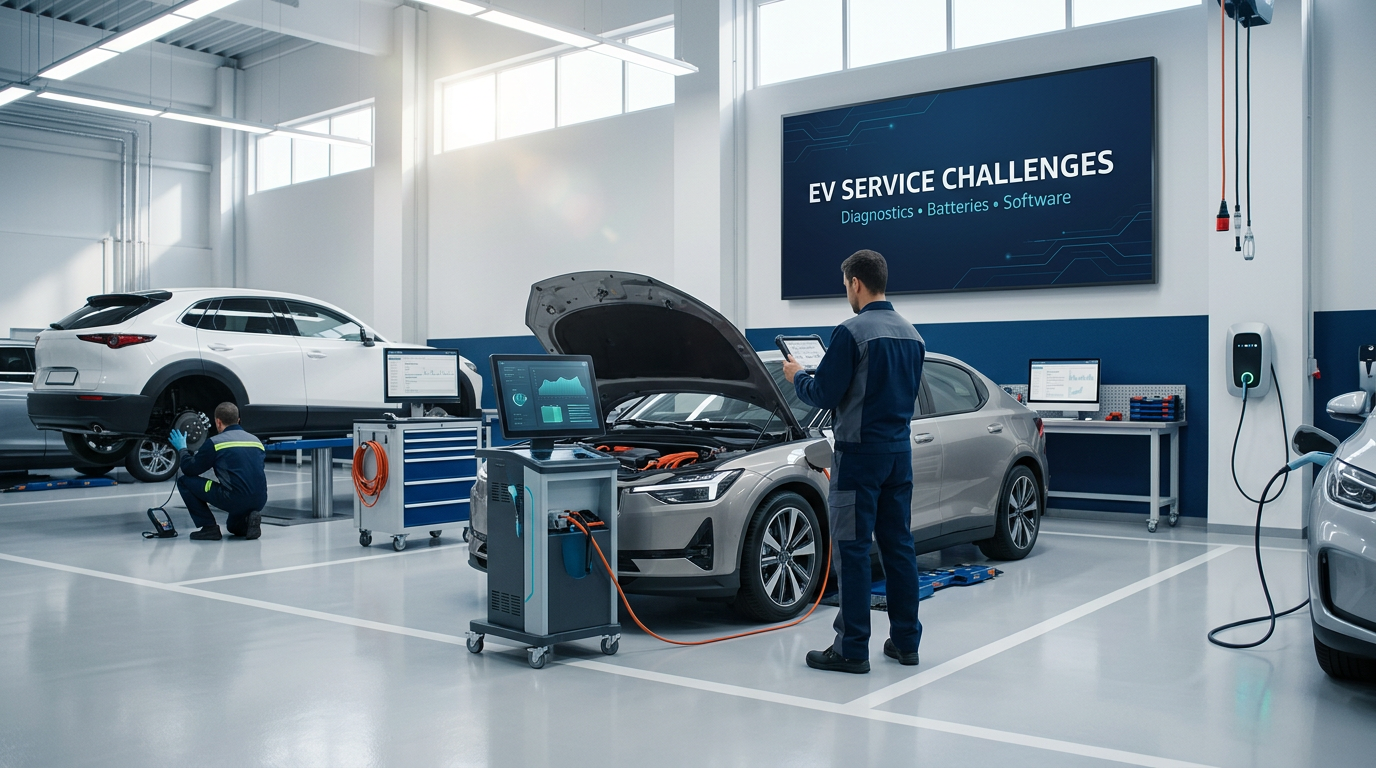
Understanding the Challenge
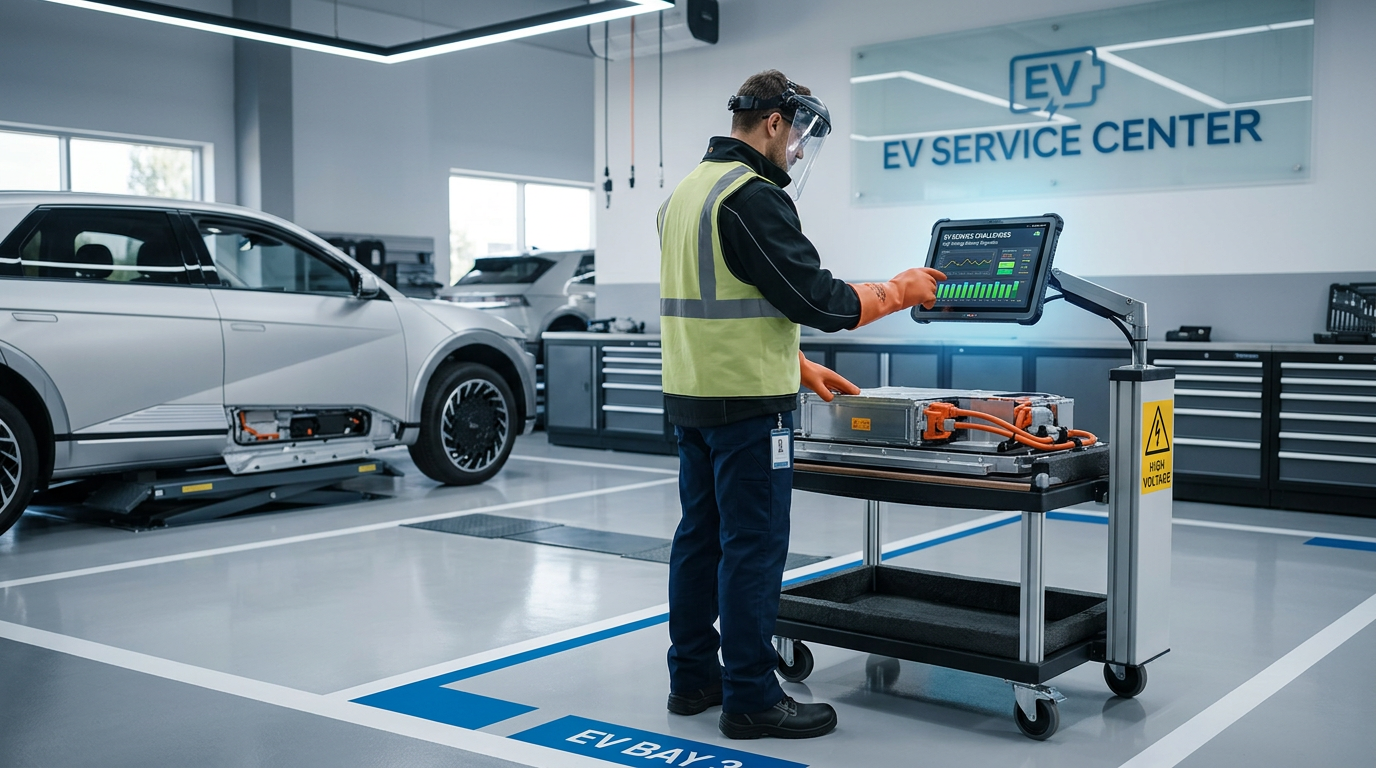
Transitioning from servicing internal combustion engines to electric vehicles is no small feat. The traditional service model, which heavily relies on frequent maintenance tasks like oil changes and engine tune-ups, doesn't neatly translate to EVs. These vehicles, with fewer moving parts and reduced maintenance needs, present a unique set of challenges for dealerships accustomed to predictable service schedules.
One of the primary challenges is the altered repair order (RO) mix. With EVs requiring less frequent visits for routine maintenance, dealerships must find new avenues for revenue generation. This shift necessitates a focus on high-value, complex services such as high-voltage battery diagnostics and advanced software updates.
Moreover, the shortage of technicians trained in EV technology exacerbates the problem. According to TechForce, there are 241,842 annual technician openings, yet only 101,743 graduates are entering the field. This significant gap puts pressure on service departments to invest in training and certification, often at a high cost.
Dealerships must also contend with the high upfront capital expenditures required to equip service bays for EVs. This includes specialized tools such as battery lifts, high-voltage diagnostics equipment, and personal protective equipment (PPE). The uncertainty around EV adoption rates further complicates these investment decisions.
Safety is another critical concern. Handling high-voltage systems requires strict adherence to safety protocols, such as lockout/tagout procedures and the use of isolation equipment. Failure to comply with these standards can lead to severe consequences, both legally and in terms of employee safety.
Current Industry Landscape
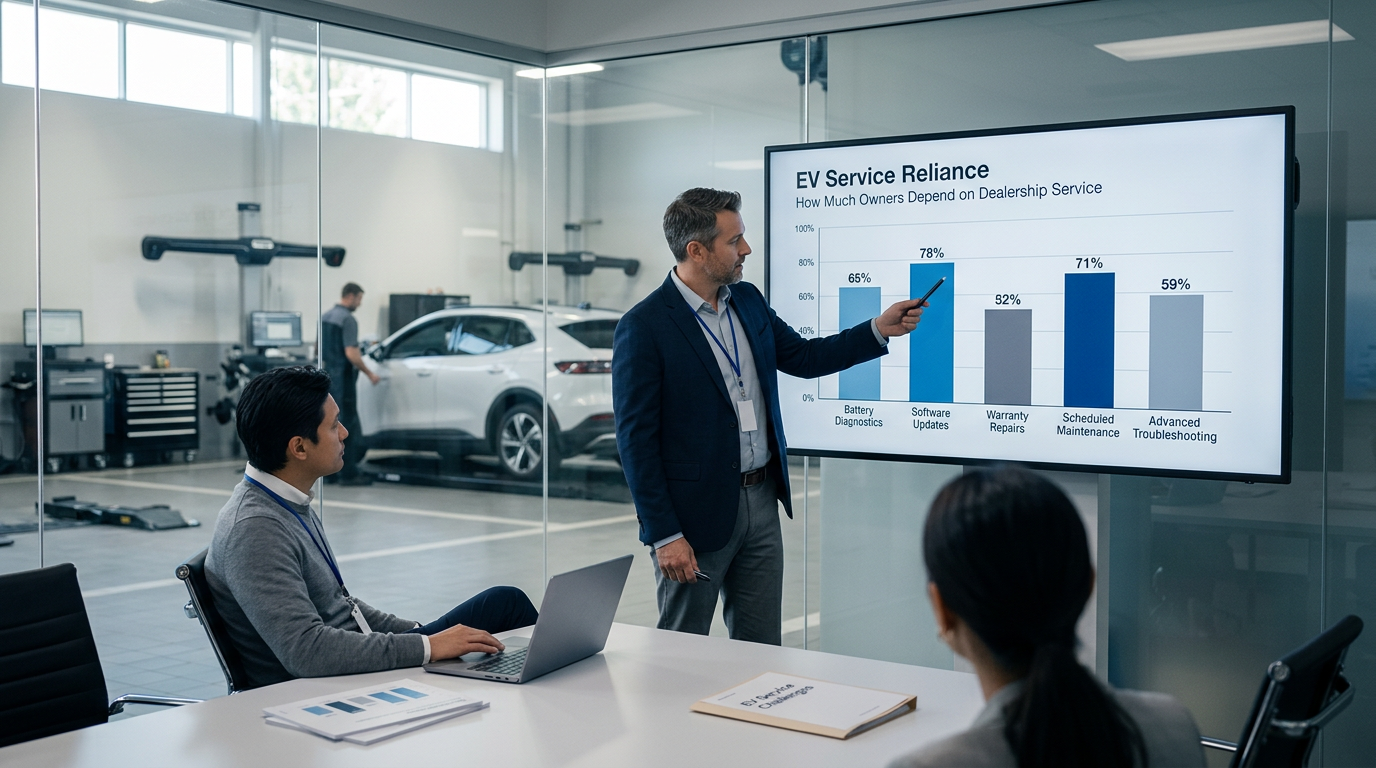
The automotive industry is undergoing a seismic shift as electrification gains momentum. According to recent studies, EV owners are particularly reliant on dealerships for service, visiting them 67% of the time compared to just 28% for ICE vehicles. This trend underscores the importance of dealerships adapting to meet the needs of this growing customer base.
However, this reliance comes with increased expectations. EV owners expect a seamless service experience, which includes transparent pricing, efficient scheduling, and high-quality repairs. Meeting these expectations requires service departments to upgrade their processes and capabilities, often involving significant investment in new technologies and training programs.
Furthermore, the rise of over-the-air (OTA) updates is changing the landscape of vehicle repairs. Many software issues can now be resolved remotely, reducing the need for in-person visits. While this presents a challenge in terms of service traffic, it also opens opportunities for service departments to offer subscription-based software updates or enhancements.
The tire and alignment needs of EVs, however, provide a consistent revenue stream. Consumer Reports highlights that EV owners frequently encounter faster tire wear, higher costs, and limited choices compared to traditional vehicles. This presents an opportunity for dealerships to offer tailored tire and alignment packages.
In addition, as more manufacturers invest in advanced battery technologies, the complexity of repairs will increase. Training technicians to handle these new technologies will be crucial for maintaining service quality and customer satisfaction.
The Solution Framework
To successfully navigate the challenges posed by the rise of EVs, service departments must adopt a comprehensive solution framework. This involves a multifaceted approach that addresses both the operational and strategic aspects of EV servicing.
Firstly, investing in advanced diagnostic tools is critical. Tools like the Autel MaxiSYS Ultra EV and the Snap-on ZEUS+ provide comprehensive diagnostics and high-voltage system functions. These tools enable technicians to efficiently diagnose and repair complex EV systems, reducing downtime and increasing throughput.
Additionally, creating a structured technician training program is essential. This program should focus on obtaining certifications such as the L3 ASE certification and providing ongoing education in the latest EV technologies. A well-trained workforce not only improves service quality but also reduces error rates and enhances customer satisfaction.
Service departments should also reevaluate their repair order mix. By focusing on high-margin areas such as complex warranty work, tire services, and software updates, dealerships can maintain profitability even as routine maintenance declines.
Lastly, implementing robust safety protocols and compliance measures is non-negotiable. This includes regular audits of lockout/tagout procedures, PPE recertification, and ensuring that technicians are equipped with the latest safety gear.
Implementation Guide
Implementing these strategies requires careful planning and execution. Start by assessing your current service capabilities and identifying gaps in your EV service infrastructure. This might include evaluating your equipment, technician skills, and process efficiency.
Next, prioritize investments in areas that will have the most immediate impact. For many dealerships, this means enhancing diagnostic capabilities and technician training. Consider implementing tools like the PicoScope 4425A EV Diagnostic Kit, which provides comprehensive high-voltage isolation tests and diagnostics.
Creating a phased rollout plan is also advisable. Begin with pilot programs focusing on high-value areas such as tire services or complex diagnostics, and gradually expand into other services as technician expertise grows.
Engage with manufacturers and OEMs to stay informed about the latest developments in EV technology and training. Establishing partnerships with training providers can also help ensure that your technicians remain at the forefront of industry standards.
Finally, develop a robust marketing strategy to communicate your enhanced EV service capabilities to existing and potential customers. Highlight your expertise, specialized tools, and commitment to safety in all communications to build trust and attract more EV owners.
Measuring Success
To ensure the effectiveness of your EV service enhancements, it's essential to establish clear performance metrics. These metrics should focus on both operational efficiency and customer satisfaction.
Key performance indicators (KPIs) to track include the gross profit per technician hour, EV bay utilization, and the 12-month EV service retention rate. These metrics provide insight into how effectively your service department is adapting to the demands of EV servicing.
Additionally, monitor your service-to-sales conversion rate from the lane. This helps identify opportunities to upsell additional services or facilitate trade-ins and repurchases.
Customer satisfaction scores are also crucial. Implement tools such as TruVideo or Tekion's Digital Service Experience to provide transparent communication and build trust with customers. Service departments that leverage video messaging and transparent pricing see higher approval rates and improved customer satisfaction.
Regularly review these metrics and adjust your strategies as needed. Continuous improvement is key to staying competitive in the rapidly evolving automotive landscape.
Advanced Strategies
Once your EV service operations are established, the next step is to optimize and scale these operations for sustained growth. This involves refining processes, enhancing customer engagement, and expanding service offerings.
Consider implementing dynamic scheduling and load management to reduce bay idle times and improve throughput. Tools like Xtime can help streamline scheduling and ensure optimal utilization of service bays.
Another advanced strategy is to explore new revenue streams such as EV software updates and subscription services. These offerings can provide consistent income and enhance customer loyalty.
Additionally, focus on creating a seamless customer experience from start to finish. This includes implementing digital communication tools for scheduling, approvals, and follow-ups. Customers value convenience and will likely return to dealerships that offer a smooth and efficient service experience.
Finally, leverage data analytics to gain insights into service trends and customer behavior. This information can guide decision-making and help tailor service offerings to meet the evolving needs of EV owners.
Related Topics
Ready to take your service department to the next level?
Schedule your demo today and experience the power of Auto Pro Solutions.
Schedule Demo