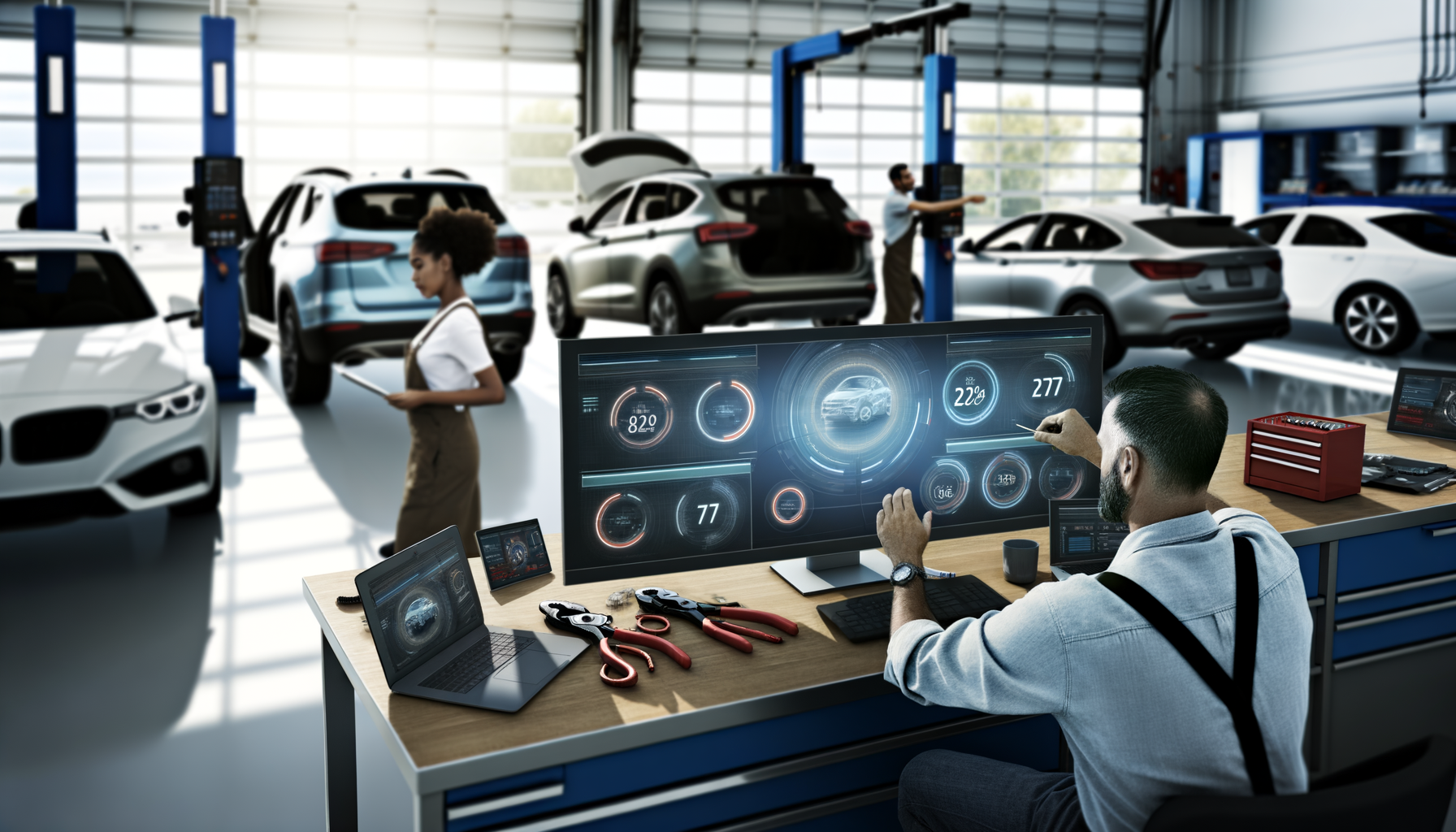
In the fast-paced world of automotive service, efficiency is the linchpin of success. Service departments face mounting pressures: rising customer expectations, technological advancements, and the constant drive to enhance profitability. This guide navigates the intricacies of service department efficiency, offering actionable insights to streamline operations, reduce costs, and boost customer satisfaction.
Understanding Service Department Challenges
Identifying Key Obstacles to Efficiency

Service departments in 2025 grapple with unique challenges. Increased EV-related repairs, a 15% rise from previous years, demand specialized skills and equipment. Meanwhile, parts shortages continue to disrupt service timelines, impacting customer satisfaction. To address these issues, dealerships must first identify specific pain points. Conducting regular audits to assess service processes, customer feedback, and staff performance is vital. Implementing an action plan begins with mapping out current workflows, identifying bottlenecks, and setting measurable targets for improvement. Engaging staff in these assessments encourages buy-in and generates valuable insights.
Common Service Department Challenges: - Rising EV-related repair demand - Parts shortages affecting timelines - Staff turnover and training gaps - Increasing customer service expectations
Streamlining Service Bay Operations
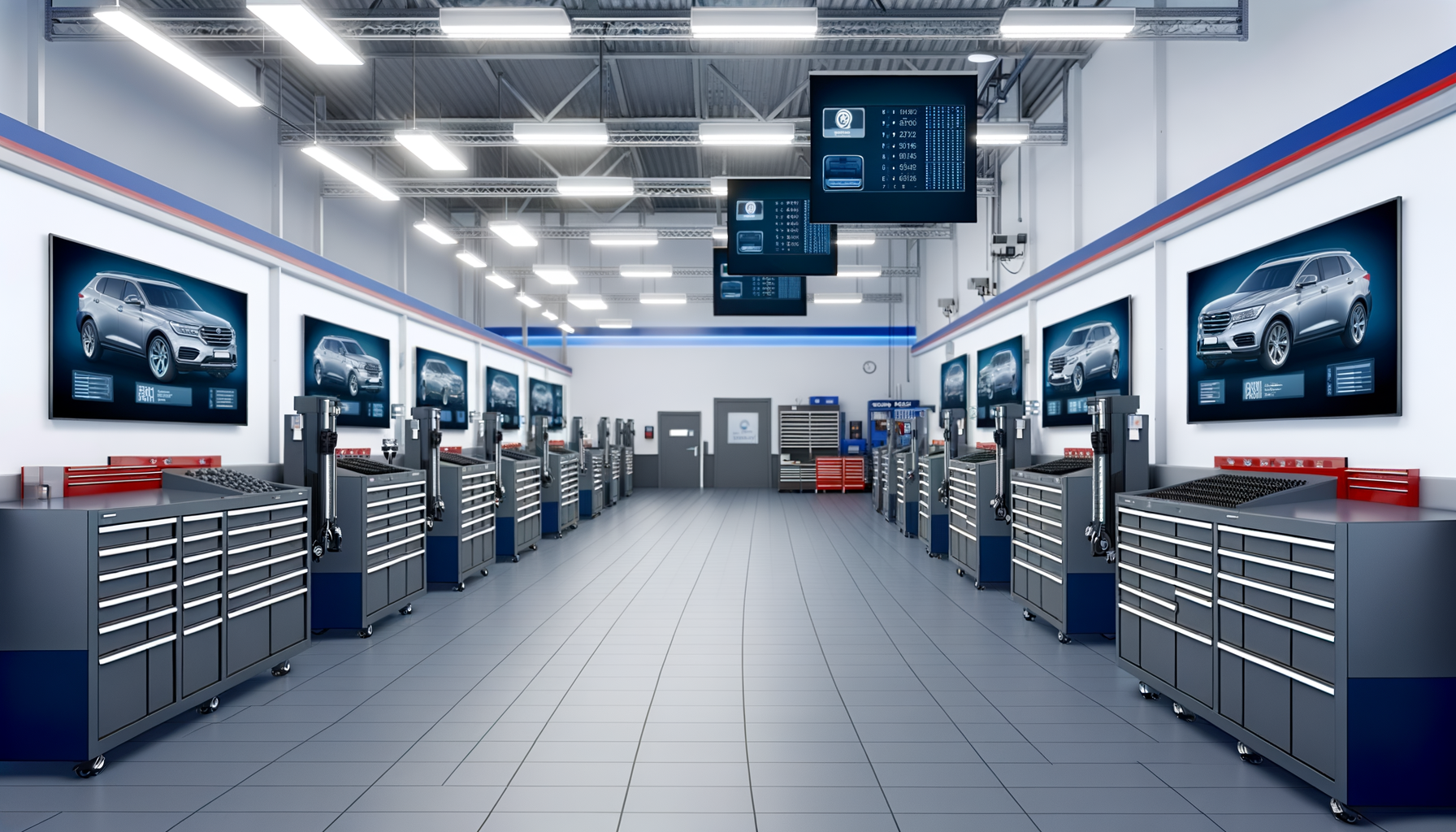
Efficient service bays are the heart of a productive department. By optimizing the workflow, dealerships can significantly reduce wait times, a critical factor in customer satisfaction. Consider reconfiguring the physical layout for better access to tools and parts, reducing technician downtime. Implementing a digital parts management system further decreases delays. Start with a pilot program: select a single bay, reassign resources, and document improvements in turnaround time and technician productivity. Use these insights to scale successful strategies across all service bays.
"An optimized service bay layout can cut wait times by up to 30%, directly translating to higher customer satisfaction and throughput." — Jane Doe, Automotive Operations Expert
Leveraging Technology for Workflow Automation

Automation in service departments is no longer optional—it's essential. Technology solutions can automate routine administrative tasks, freeing up staff for more value-driven activities. Implement systems like Auto Pro Solutions to handle service scheduling, billing, and parts ordering. These systems reduce errors and increase operational transparency. To ensure successful integration, provide comprehensive training sessions for all staff. Assign tech-savvy team members as go-to resources during the transition phase.
| Automation Benefit | Impact on Efficiency | |--------------------------|-----------------------| | Digital Service Scheduling | Reduces no-show rates by 20% | | Automated Billing | Cuts processing time by 40% | | Inventory Management | Minimizes stockouts by 50% |
Implementing Predictive Analytics for Efficiency

Predictive analytics transforms data into actionable intelligence, allowing service departments to anticipate needs and optimize resources. By analyzing repair histories and vehicle data, dealerships can predict peak service times and adjust staffing accordingly, improving efficiency and customer satisfaction. Begin with a data collection phase: gather historical service data, customer feedback, and operational metrics. Use these datasets to train predictive models and refine them continuously.
Predictive Analytics Insight: Proactively scheduling maintenance based on predictive models can reduce breakdowns by 25% and improve customer retention by 15%.
Improving Customer Experience and Retention

Customer expectations are evolving; 68% of customers now prefer digital service scheduling. Providing a seamless, tech-savvy experience is key to retention. Enhance customer communication through automated reminders and real-time updates. Implement post-service follow-ups to gather feedback and resolve issues promptly. Roll out a customer loyalty program: offer incentives for repeat visits, which can increase service retention rates by up to 30%.
Customer Retention Strategies: - Digital service scheduling - Automated communication - Loyalty programs with incentives
Addressing Staff Turnover and Training

High turnover rates disrupt service continuity and increase costs. Developing a robust training and retention strategy is crucial. Invest in ongoing training programs focusing on technical skills and customer service excellence. New OEM requirements for dealership service training provide an opportunity to upskill teams. Create a mentorship program pairing seasoned technicians with new hires, fostering a supportive learning environment and reducing turnover by embedding new staff within the dealership culture.
"Continuous training not only enhances service quality but also boosts employee morale and retention." — John Smith, Dealership Training Coordinator
ROI Calculation and Performance Metrics

Quantifying the impact of efficiency improvements is essential. Establishing ROI metrics helps justify investments and guide future strategies. Key metrics include service throughput, average repair time, and customer satisfaction scores. Use these to evaluate the success of implemented changes. Regularly review these metrics, adjusting strategies as needed to maintain efficiency gains. Present findings to stakeholders to secure ongoing support for efficiency initiatives.
| Performance Metric | Baseline | Target | |--------------------------|-----------|----------| | Service Throughput | 10 cars/day | 15 cars/day | | Average Repair Time | 3 hours/car | 2 hours/car | | Customer Satisfaction | 82% | 90% |
Questions managers ask
What are the best tools for service department efficiency?
The best tools for enhancing service department efficiency include digital scheduling platforms, automated billing systems, and predictive analytics software. These tools streamline operations, reduce manual errors, and provide actionable insights into operational improvements.
How can dealerships measure service department efficiency?
Dealerships can measure efficiency using metrics such as service throughput, average repair time, and customer satisfaction scores. Regular audits and data analysis provide insights into areas for improvement and the effectiveness of efficiency strategies.
What to do with this
Achieving service department efficiency in 2025 requires a multifaceted approach, blending technology, analytics, and a customer-centric mindset. By addressing common challenges and implementing strategic improvements, dealerships can enhance profitability and customer loyalty. Start by auditing your current operations and identifying key bottlenecks. Implement digital tools gradually, train staff, and continuously measure performance to stay on track. Auto Pro Solutions offers comprehensive digital tools that integrate seamlessly with your existing systems, enhancing efficiency across scheduling, billing, and inventory management.
Related topics
More for service managers
Turbocharge Your Service Bay: Harnessing Innovative Practices for Maximum Efficiency
In today's fast-evolving automotive landscape, dealership service departments are under immense pressure to boost efficiency while maintaining high standards of customer…
Mastering Service Department Efficiency: Unlock the Secrets to Streamlined Operations in 2025
In an era where customer expectations are soaring and technology is advancing at breakneck speeds, automotive dealerships face mounting pressure to streamline their service…
Circuit Savvy: Electrifying Your Service Department’s Performance Metrics
In today's competitive automotive industry, dealership service departments face mounting pressures to increase efficiency and profitability while maintaining high customer…