Wheelhouse Wonders: Building a Customer-Centric Culture in the Automotive Realm
Understanding the Challenge
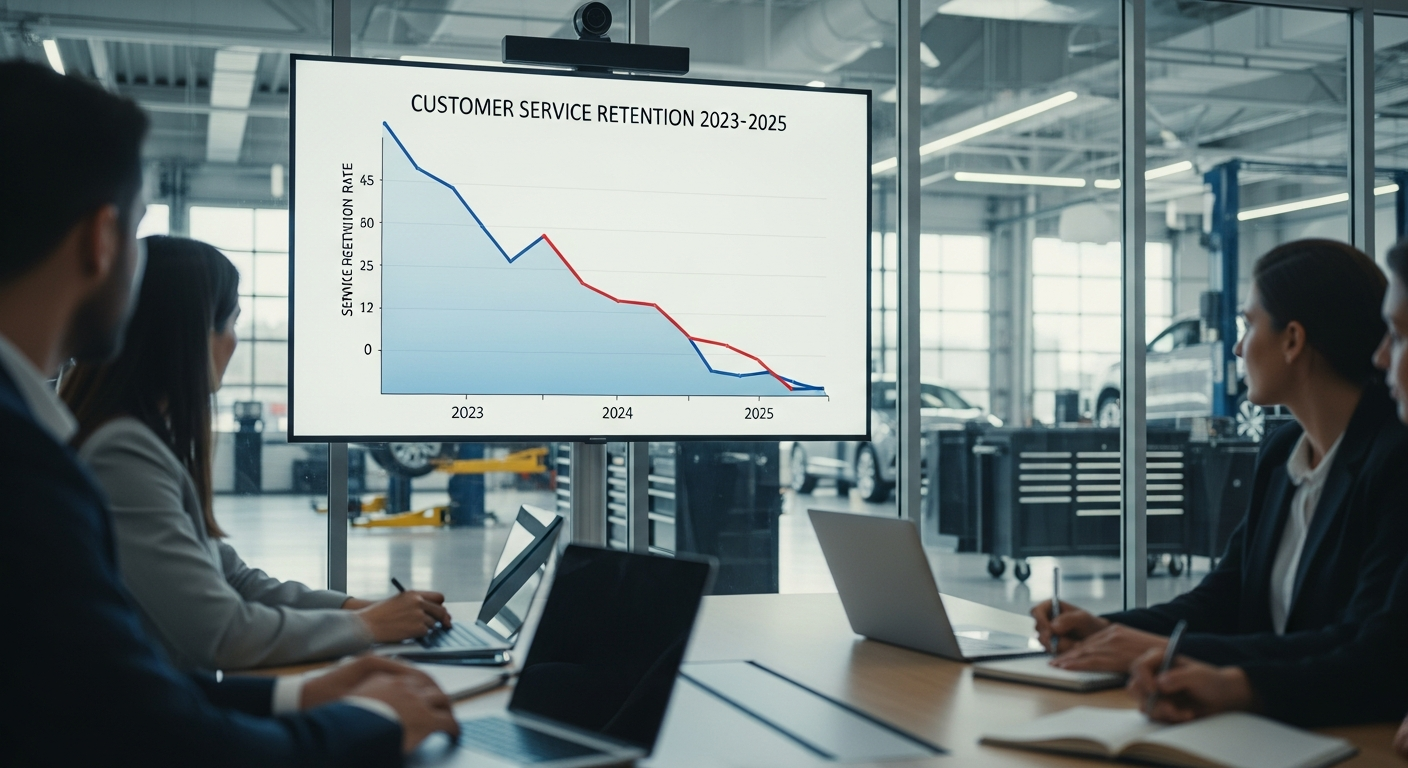
In today's fast-paced automotive world, customer experience is the new battleground. With dealerships losing 12% of service visits to competitors since 2018, it's clear that traditional methods are no longer sufficient. Customers expect more than just vehicle repairs; they want transparency, efficiency, and personalization. The challenge lies not only in meeting these expectations but also in doing so profitably.
Dealerships are grappling with several issues that hinder their ability to deliver exceptional customer experiences. Long appointment lead times, currently averaging 5.2 to 5.4 days, frustrate customers who demand quicker turnarounds. Additionally, the technician shortage exacerbates delays, impacting the first-time-fix rate, which stands at a concerning 12% failure rate. Communication gaps further erode trust, with many customers feeling left in the dark about repair statuses and costs.
The result? A decline in service retention, particularly among owners of newer vehicles. These customers, crucial for long-term profitability, are defecting to independent shops that promise speed and cost-effectiveness. This trend is a wake-up call for dealerships: adapt or risk losing valuable business.
Current Industry Landscape
The automotive service industry is at a crossroads, shaped by evolving consumer expectations and technological advancements. According to recent studies, the average customer-pay repair order in the first half of 2025 was around $470. This figure highlights the lucrative potential of service departments, yet the path to capturing this revenue is fraught with challenges.
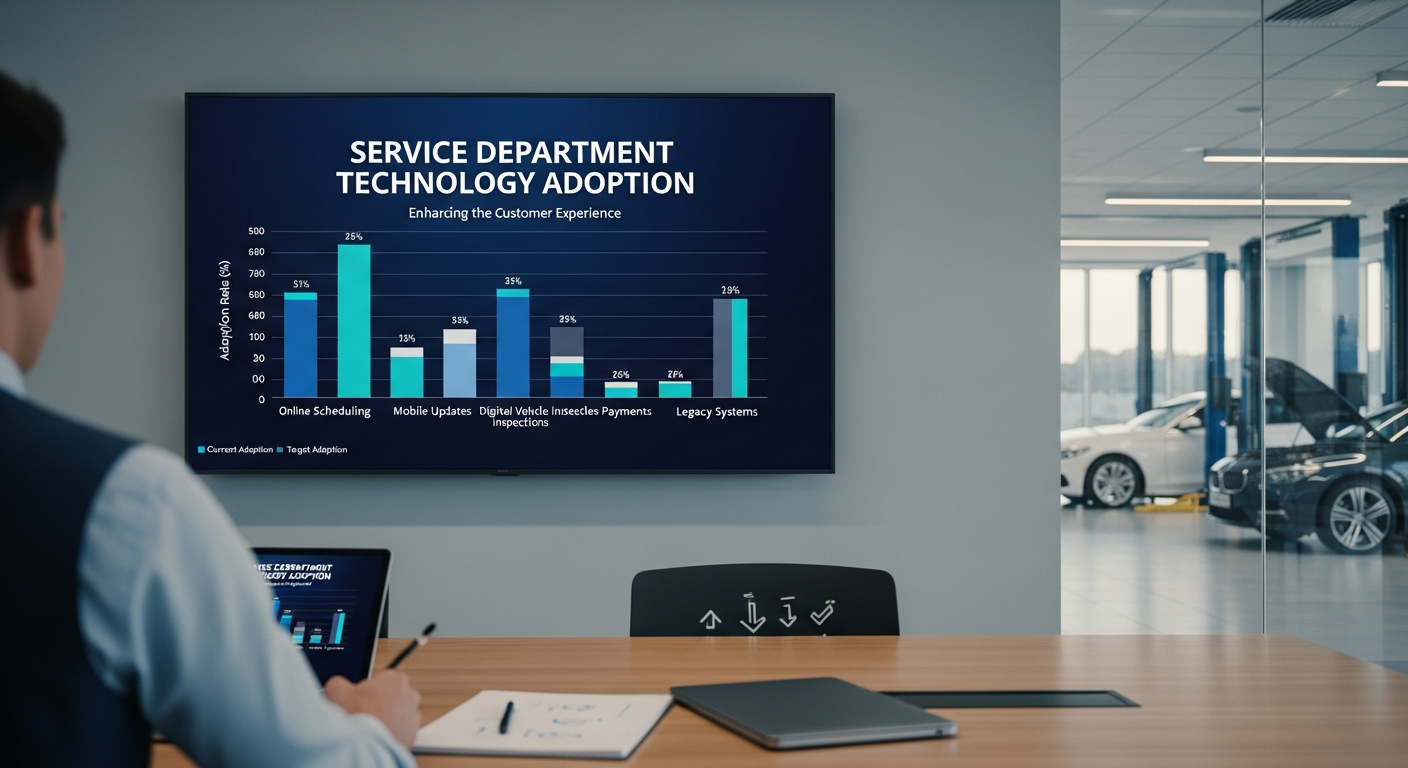
Dealerships are increasingly adopting advanced tools to streamline operations and enhance customer interactions. AI voice agents, digital MPIs with video and texting, and online scheduling are becoming standard, yet integration and execution remain hurdles. Many systems lack seamless integration with DMS and OEM programs, causing friction and inefficiencies.
Additionally, the rise of electric vehicles (EVs) introduces new complexities. EV service readiness is a key concern, with dealerships needing specialized training and equipment to meet new demands. As more EVs hit the roads, service departments must adapt quickly to avoid falling behind.
The Solution Framework
To reclaim lost ground and elevate customer experience, dealerships need a robust, customer-centric service model. This begins with understanding and addressing each touchpoint in the service journey. From call handling to payment and pickup, every interaction must be seamless and transparent.
Implementing AI voice agents and digital MPIs can drastically enhance communication, offering customers real-time updates and visual proof of needed repairs. These tools not only boost trust but also improve approval rates and revenue per repair order. Moreover, integrating repair financing options like Buy Now, Pay Later (BNPL) can mitigate price sensitivity, ensuring customers are more likely to approve recommended services.
Another crucial aspect is reducing appointment lead times. By optimizing technician schedules and utilizing rideshare services for transportation, dealerships can enhance throughput and customer convenience. The goal is to create an environment where customers feel valued and informed at every stage.
Implementation Guide
Implementing a customer-centric service model requires a strategic approach. Start by assessing your current service journey, identifying bottlenecks and areas for improvement. Once these are mapped out, prioritize solutions that offer the highest ROI.
Invest in training programs for technicians and staff to ensure they are equipped with the latest skills and knowledge, particularly for EV services. This not only improves service quality but also boosts employee morale and retention.
Adopt a phased rollout for new technologies, starting with pilot programs to measure effectiveness and gather feedback. This cautious approach allows for adjustments and scaling based on real-world results. Engage with technology partners to ensure seamless integration and support throughout the process.
Measuring Success
Success in enhancing customer experience is measurable through specific Key Performance Indicators (KPIs). Service retention rates, particularly for 0-3-year-old vehicles, are a primary metric. Aim to exceed the industry average, with a target of reclaiming the 72% retention rate seen in 2023.
Monitor first-time-fix rates as an indicator of efficiency and customer satisfaction. Strive to reduce the current 12% failure rate by improving diagnostics and parts availability. Appointment lead times should also decrease with optimized scheduling, with a goal of reducing average wait times by at least 30% within 60 days.
Customer satisfaction scores (CSI) provide direct feedback on service quality. Regularly survey customers post-service to gather insights and identify areas for continuous improvement.
Advanced Strategies
Once the foundational elements are in place, consider advanced strategies to further optimize and scale your service operations. Implement data analytics to predict customer behavior and tailor services accordingly. This proactive approach can enhance loyalty and drive repeat business.
Explore partnerships with OEMs for connected car data, which can provide valuable insights into vehicle health and service needs. Leveraging this information positions your dealership as a knowledgeable and reliable service provider.
Finally, consider expanding your service offerings to include mobile service and pickup/delivery options. This convenience factor is highly attractive to customers and sets your dealership apart from competitors.
Related Topics
Ready to take your service department to the next level?
Schedule your demo today and experience the power of Auto Pro Solutions.
Schedule Demo