Warranty Whiz: Navigating the Complex Labyrinth of Claims and Coverage
Understanding the Challenge
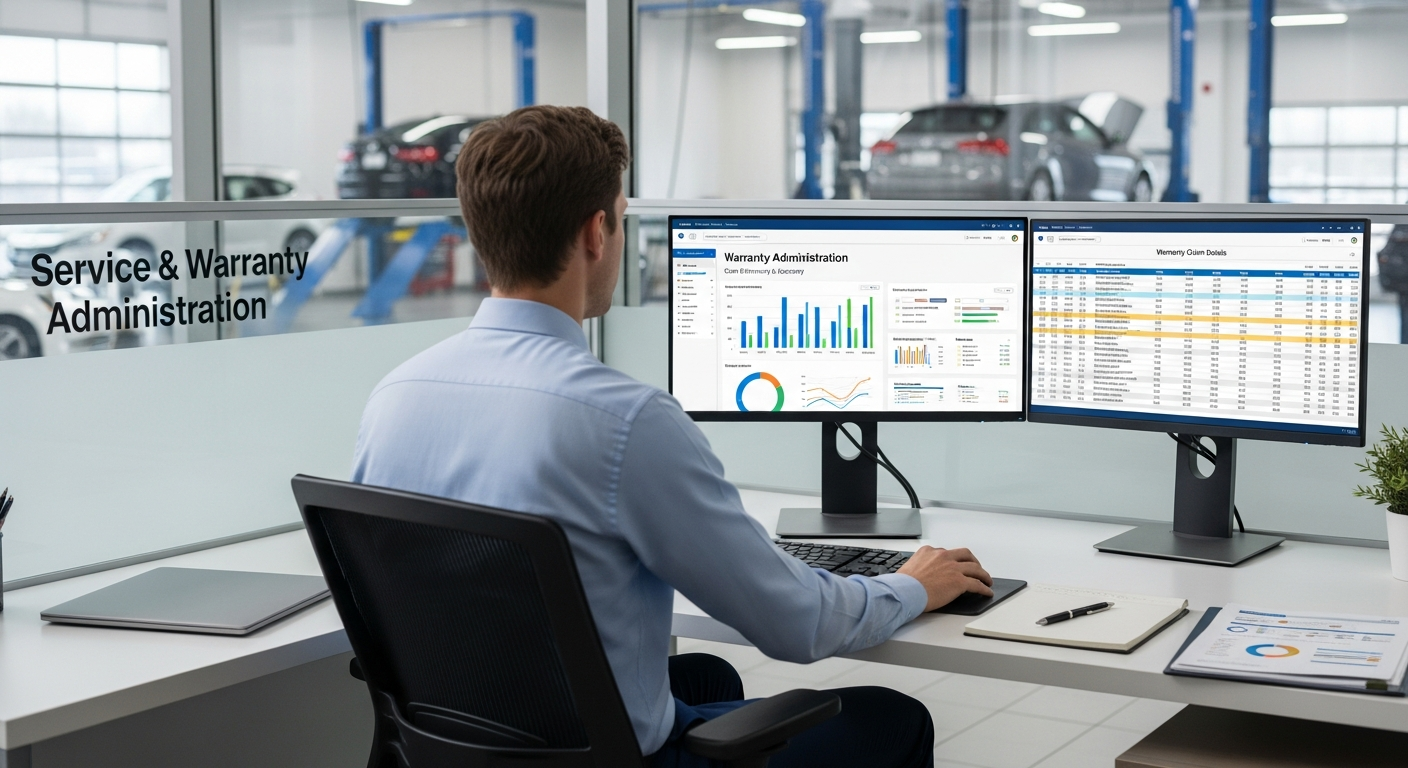
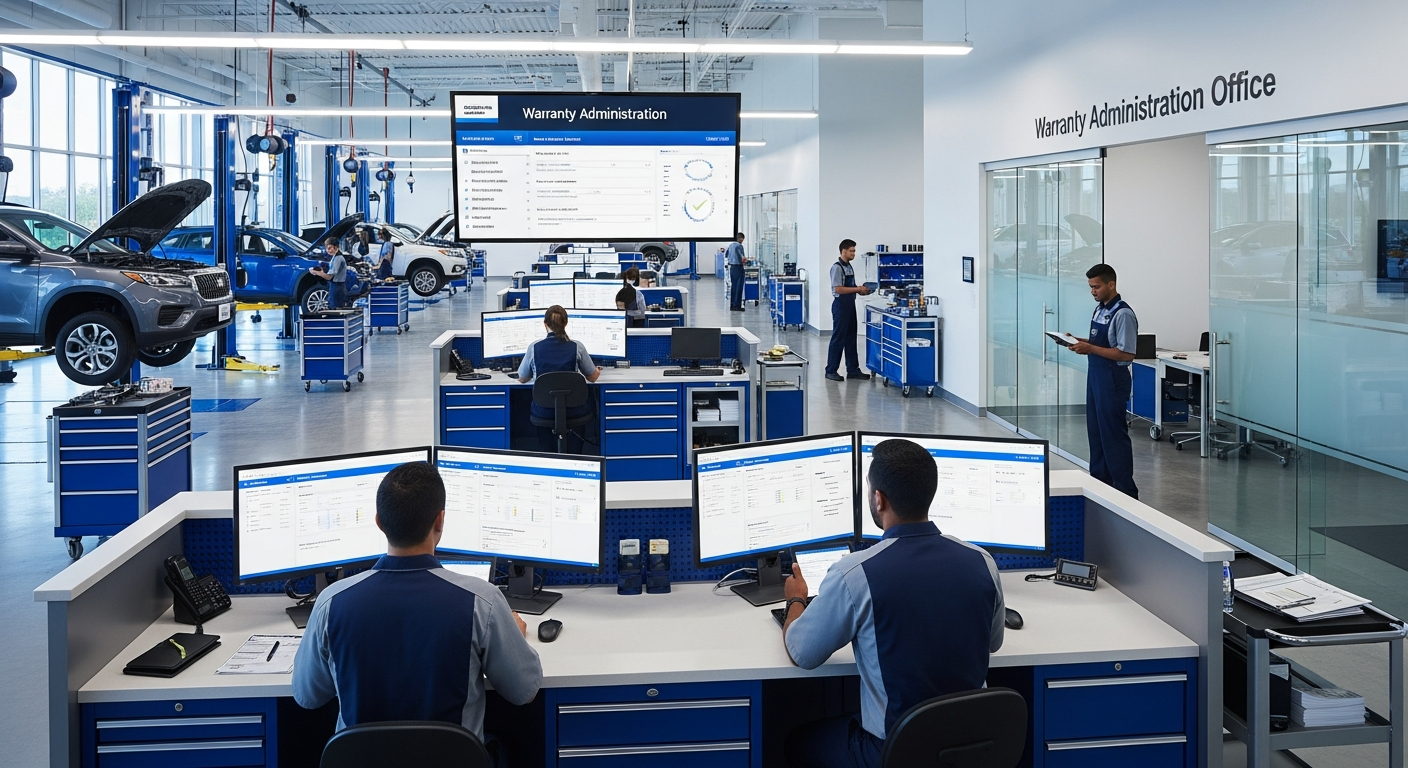
Warranty administration is an essential yet often cumbersome part of dealership operations. The sheer volume of repair orders, coupled with the intricacies of OEM requirements, makes it a daunting task to manage efficiently. In the first half of 2025 alone, U.S. franchised dealers wrote 137 million repair orders, with service and parts sales surpassing $81 billion. As the demand for service grows, so does the complexity of managing warranty claims.
The pressure on service managers to ensure accurate and timely warranty reimbursements is immense. With processing costs surging by 28% since 2020, and time per claim increasing by 47%, the stakes are higher than ever. Claim denials, often resulting from administrative errors or insufficient documentation, can severely impact a dealership’s profitability.
Moreover, evolving state reimbursement laws, such as New Jersey’s new 'average retail labor time allowance' set to take effect in April 2026, add another layer of complexity. Dealerships must adapt their strategies to align with these changes to avoid financial penalties and ensure maximum reimbursement.
The challenges don’t end there. High recall volumes and complex diagnostics further increase the documentation burden and cycle time. With technicians already stretched thin due to a national staffing shortage, maintaining first-pass accuracy and timeliness is increasingly difficult.
Fortunately, solutions are within reach. By understanding the root causes of these challenges and leveraging technology, dealerships can transform their warranty administration processes. This transformation not only reduces costs but also enhances service department productivity and customer satisfaction.
As we delve into the current industry landscape, we'll explore how these challenges are being addressed and the innovative solutions that are emerging. This understanding is crucial for developing a strategic approach to warranty administration that positions your dealership for success.
Current Industry Landscape

The automotive service industry is undergoing significant shifts, influenced by new regulations, technological advancements, and evolving consumer expectations. One of the most pressing changes is the implementation of New Jersey’s 'average retail labor time allowance,' which mandates a multiplier for labor reimbursement. This change, effective April 2026, requires dealerships to rethink their warranty reimbursement strategies.
State audit and chargeback windows are also tightening, with states like Florida limiting OEM audits of warranty payments to 12 months post-payment. This regulatory landscape necessitates a reevaluation of warranty documentation practices to minimize the risk of chargebacks and ensure compliance.
Additionally, the rise of electric vehicles (EVs) introduces new challenges in warranty administration. California’s ZEV rules require EV batteries to maintain a certain State of Health (SOH) over a decade, adding complexity to warranty documentation and claim processes. Dealerships must now document EV battery SOH meticulously to meet durability and warranty requirements.
The surge in recall volumes, exemplified by Ford’s record-setting 88 safety recalls in the first half of 2025, further heightens the workload for service departments. This upsurge calls for efficient recall volume management and precise documentation to avoid claim rejections and chargebacks.
Amid these challenges, technology offers promising solutions. AI-driven automation tools, such as WarrCloud for automated warranty claims processing, are gaining traction. These tools streamline processes, reduce errors, and can significantly enhance reimbursement rates. However, integration with existing DMS systems, such as CDK and Tekion, remains a critical consideration for effective implementation.
As we transition to the solution framework, we’ll explore how these industry trends and regulatory changes can be navigated effectively. By leveraging technology and adapting to new laws, dealerships can optimize their warranty administration processes and achieve better financial outcomes.
The Solution Framework
To effectively navigate the complexities of warranty administration, dealerships need a robust framework that addresses the core challenges while capitalizing on emerging opportunities. The foundation of this framework lies in streamlining processes, leveraging technology, and adhering to best practices for documentation and compliance.
First, dealerships must focus on standardizing their warranty claim processes to enhance efficiency and accuracy. This involves establishing clear documentation standards, including technician story standards (3C clarity), correct causal/condition codes, and add-time justification by OEM. Consistency in these areas reduces the likelihood of claim rejections and chargebacks.
Second, integrating AI-driven automation tools can revolutionize warranty administration. These tools, such as Tekion AI Copilot for Service, automate repetitive tasks, improve coding accuracy, and optimize the entire claims process. By reducing manual entry and minimizing errors, dealerships can significantly improve their first-pass acceptance rates and reduce administrative burdens.
Third, adapting to state-specific regulations, such as New Jersey’s average retail labor time allowance, is crucial. Dealerships must develop strategies to implement and maintain RO sampling, deduping, and cleansing processes. Regularly refreshing these processes post-April 2026 will ensure compliance and maximize reimbursement potential.
Finally, effective training and communication are essential components of a successful warranty administration framework. Technicians, service advisors, and administrative staff must be well-versed in the latest processes, technologies, and regulatory changes. Continuous training ensures that all team members are aligned and capable of executing their roles efficiently.
As we move into the implementation guide, we’ll detail the practical steps needed to put this framework into action. By following these steps, dealerships can transform their warranty administration processes, leading to improved financial performance and enhanced customer satisfaction.
Implementation Guide
Implementing a comprehensive warranty administration framework requires a strategic approach that encompasses process optimization, technology integration, and team collaboration. By following a structured plan, dealerships can effectively streamline their warranty operations and enhance overall efficiency.
Start by conducting a thorough audit of your current warranty processes. Identify bottlenecks, common errors, and areas of improvement. This foundational step is crucial for understanding the specific challenges your dealership faces and tailoring solutions accordingly.
Next, invest in technology that supports automation and integration. Tools like WarrCloud and Tekion can automate claim coding, document packaging, and portal submissions, significantly reducing manual workload and error rates. Ensure that these tools integrate seamlessly with your existing DMS to maintain a cohesive workflow.
Develop a robust documentation strategy that aligns with state regulations and OEM requirements. This includes standardizing RO packs with necessary photos, test results, and metadata that withstand audits. Establish clear retention policies and weekly RO close routines to prevent data loss and ensure timely claim submissions.
Training is a critical component of successful implementation. Conduct regular workshops and training sessions to familiarize your team with new tools, processes, and compliance requirements. Encourage open communication and feedback to continuously refine your approach.
Finally, monitor and adjust your strategy based on performance metrics. Track KPIs such as first-pass acceptance rates, days-to-submit, and denial rates to measure success and identify areas for further optimization. By maintaining a proactive approach, your dealership can continuously improve its warranty administration processes.
As we explore measuring success, we’ll discuss the KPIs and expected outcomes that reflect a successful implementation. These insights will guide you in fine-tuning your strategy for maximum impact.
Measuring Success
Measuring the success of your warranty administration efforts is essential to ensure continuous improvement and achieve desired outcomes. By establishing clear KPIs, dealerships can effectively track progress, identify areas for refinement, and demonstrate the value of their strategies.
One of the primary KPIs to monitor is the first-pass acceptance rate on OEM warranty submissions. A high acceptance rate indicates effective documentation and process standardization, reducing the likelihood of claim rejections and administrative delays.
Another critical metric is the average days from RO close to funds received. This KPI reflects the efficiency of your claims processing and submission timelines. Reducing this timeframe can significantly improve cash flow and operational efficiency.
Denial rates by cause provide insight into common errors or documentation gaps. By analyzing these rates, dealerships can pinpoint specific areas for improvement and implement targeted training or process adjustments.
Tracking chargebacks per 100 ROs helps assess the financial impact of any rejected claims and highlights potential compliance issues. Minimizing chargebacks is crucial for maintaining profitability and ensuring audit readiness.
Finally, regularly reviewing these KPIs and incorporating them into dashboards accessible to all relevant team members fosters a culture of accountability and continuous improvement. By empowering your team with data-driven insights, you can drive action and achieve sustainable success in warranty administration.
As we move to advanced strategies, we’ll explore optimization and scaling tips that build on these foundational KPIs. These strategies will help your dealership stay ahead of the competition and maximize the benefits of an efficient warranty process.
Advanced Strategies
Once your warranty administration framework is in place and yielding positive results, the next step is to optimize and scale your efforts for sustained success. Advanced strategies focus on enhancing existing processes, leveraging technology, and expanding capabilities to stay competitive.
Begin by analyzing your current workflow for further optimization opportunities. This includes reducing unnecessary steps, automating manual tasks, and ensuring seamless integration between tools and platforms. Streamlining operations not only boosts efficiency but also frees up valuable resources for other critical tasks.
Invest in advanced automation technologies that offer predictive analytics and AI-driven decision-making. These tools can proactively identify potential claim issues, recommend corrective actions, and enhance overall accuracy and speed. By staying ahead of technological advancements, your dealership can maintain a competitive edge.
Scaling your warranty administration efforts involves expanding successful practices across multiple rooftops or departments. This requires consistent training, communication, and alignment on best practices to ensure a cohesive approach. Leveraging technology platforms that support scalability is key to maintaining consistency and efficiency.
Explore strategic partnerships with vendors and OEMs to enhance your warranty administration capabilities. Collaborating with industry leaders can provide access to valuable resources, insights, and support in navigating complex regulatory landscapes.
Finally, foster a culture of continuous improvement by encouraging feedback, innovation, and experimentation. Regularly review performance metrics, solicit input from your team, and adapt your strategies to evolving industry trends and customer expectations. By embracing a proactive mindset, your dealership can achieve long-term success in warranty administration.
As we conclude, we’ll summarize the key takeaways and provide clear next steps to help you continue your journey toward optimized warranty processes. The transformation is ongoing, and with the right strategies, your dealership can thrive in the ever-changing automotive landscape.
Related Topics
Ready to take your service department to the next level?
Schedule your demo today and experience the power of Auto Pro Solutions.
Schedule Demo