Unlocking Service Success: Mastering Analytics for Dealership Transformation
Understanding the Challenge
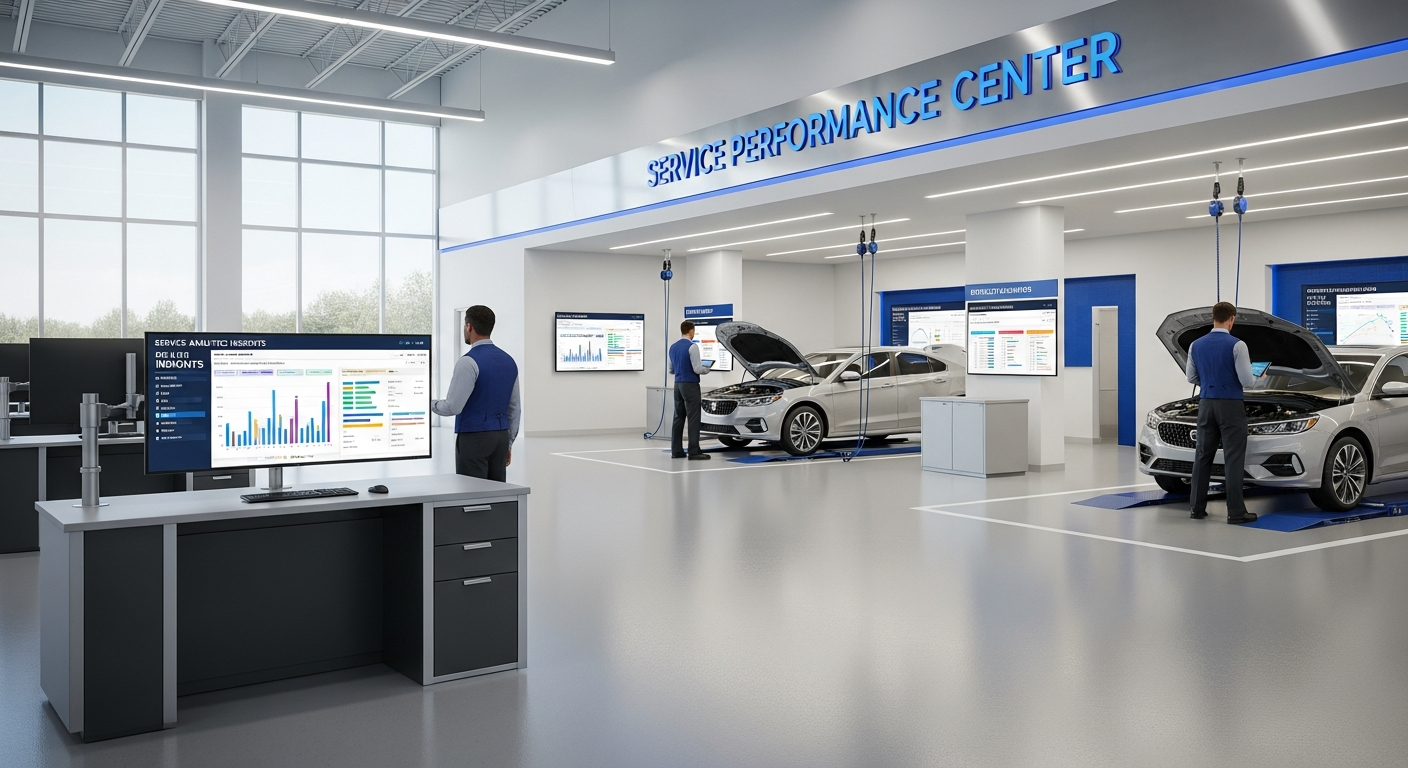
Service departments are inundated with data, yet many struggle to make sense of it all. With endless streams of information coming from DMS, CRM, and third-party applications, it's no wonder that service managers feel overwhelmed. The challenge lies in not just collecting data but transforming it into actionable insights that can drive decision-making and improve operations.
Consider the typical service department: managers are tasked with increasing efficiency, maintaining customer satisfaction, and boosting profitability. However, without the right tools and strategies to analyze data effectively, these goals can seem unattainable. Many departments rely on outdated systems that don't integrate well, leading to fragmented views of operations and missed opportunities.
Moreover, the pressure to adapt to new technologies, such as EV service readiness and AI service analytics, compounds the complexity. The rapid pace of technological advancement often leaves service managers playing catch-up, trying to integrate new solutions without disrupting existing workflows.
The stakes are high: dealerships that fail to harness their data risk falling behind competitors who are making data-driven decisions. In an industry where margins are tight and customer expectations are ever-increasing, the ability to quickly and effectively leverage service department analytics is no longer a luxury—it's a necessity.
Current Industry Landscape
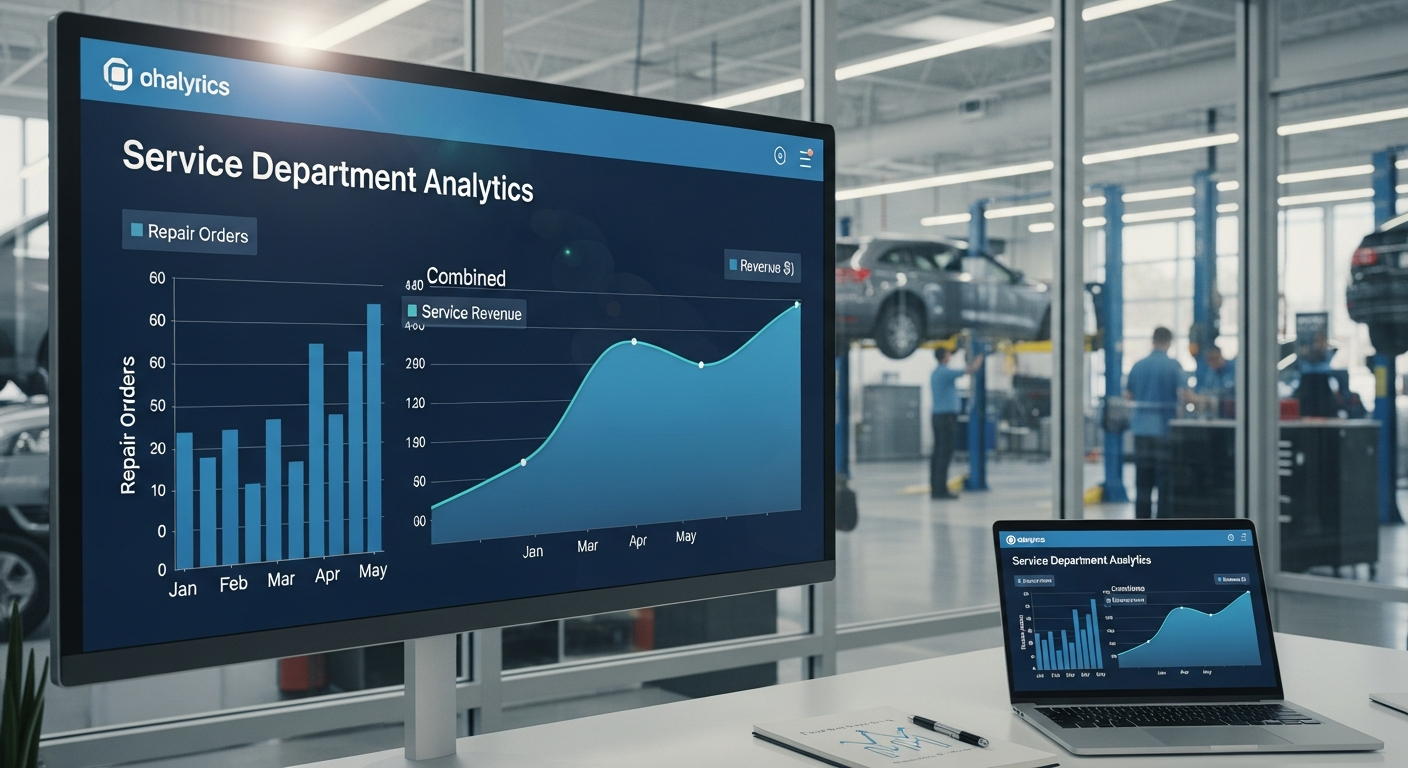
The automotive service industry is undergoing a significant transformation, driven by technological advancements and evolving consumer expectations. Dealerships are writing more repair orders than ever, with 137 million ROs generated in the first half of 2025, contributing to $81 billion in service and parts revenue. This growth presents both opportunities and challenges for service departments.
One major challenge is the increasing competition from independent service providers. Since 2018, dealerships have lost 12% of service visits to competitors, highlighting the need for improved customer retention strategies. Additionally, the rise of electric vehicles (EVs) demands new skills and capabilities from technicians, further complicating the service landscape.
Technological innovations, such as video MPIs and digital approvals, are reshaping how service departments interact with customers. These tools promise enhanced transparency and faster approvals, but without proper implementation and analysis, their full potential may remain untapped.
Finally, cybersecurity and data ownership concerns have come to the forefront, especially following incidents like the 2024 CDK outage, which resulted in significant financial losses for dealerships. As service departments become more reliant on digital tools, ensuring data security and continuity is paramount.
The Solution Framework
Auto Pro Solutions offers a comprehensive framework designed to turn your service department's data into clear, actionable insights. By leveraging advanced analytics tools, dealerships can identify inefficiencies, optimize operations, and enhance customer satisfaction.
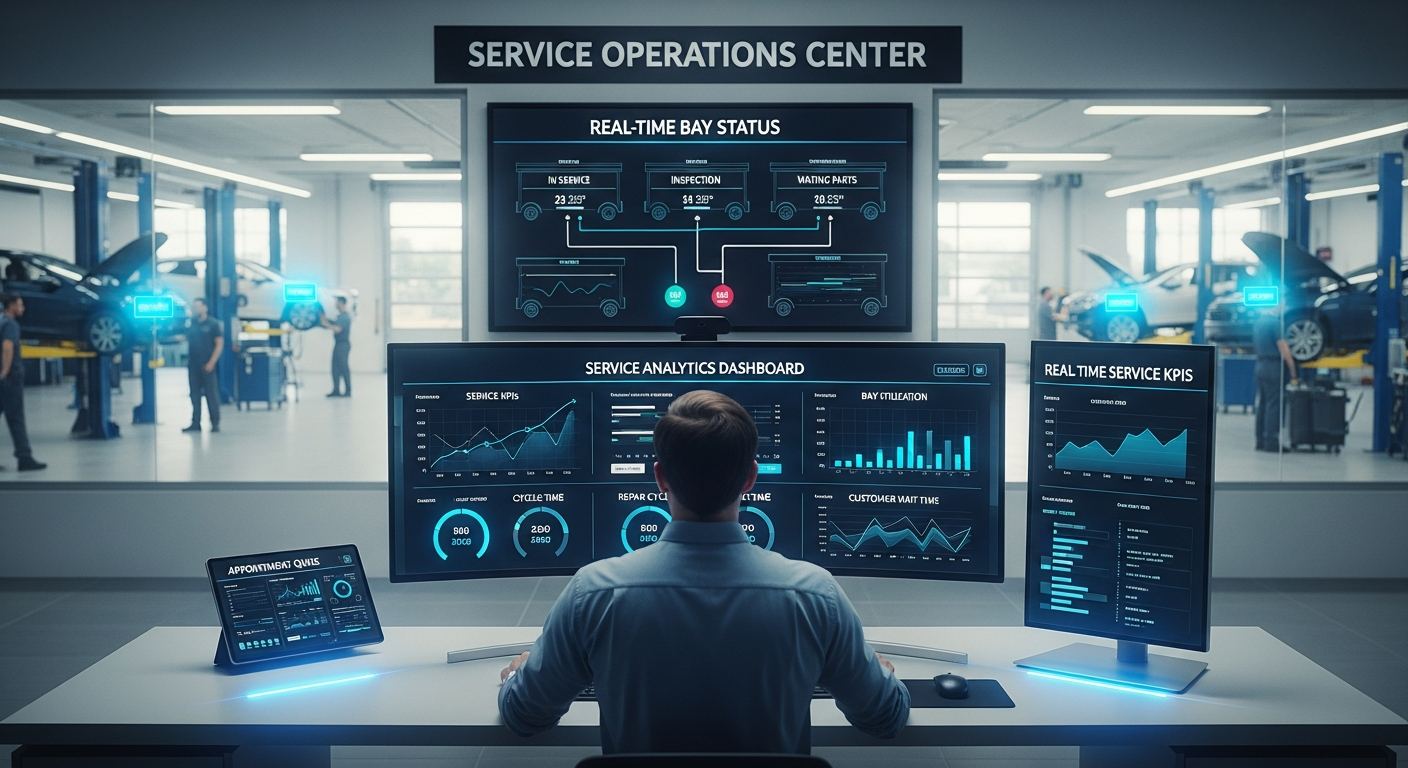
The core of this framework is a unified Customer Data Platform (CDP) that consolidates data from various sources, providing a holistic view of service operations. This integration allows service managers to track key performance indicators (KPIs), such as fixed absorption, technician efficiency, and customer retention, in real-time.
Moreover, the use of AI-driven analytics enables predictive insights, helping managers anticipate demand, optimize appointment scheduling, and improve resource allocation. For instance, Little's Law and Kingman's formula can be applied to set work-in-progress limits and appointment mixes, ensuring optimal throughput without additional bays or technicians.
The framework also emphasizes the importance of standardized KPI definitions across rooftops, offering a consistent 'source of truth' that facilitates data-driven decision-making. By aligning metrics and goals, service departments can foster a culture of continuous improvement and innovation.
Implementation Guide
Implementing a robust service analytics solution requires careful planning and execution. The first step is to conduct a thorough assessment of your current data systems and identify integration points. This sets the foundation for a seamless transition to a unified platform.
Next, prioritize the training and development of your staff to ensure they are equipped to leverage new tools effectively. By fostering a data-driven culture, you empower your team to make informed decisions and embrace continuous improvement.
Developing a clear roadmap for analytics integration is crucial. This includes setting measurable objectives, identifying key performance indicators, and establishing benchmarks for success. Regular reviews and adjustments ensure that your strategy remains aligned with evolving business needs.
Finally, consider the importance of change management in fostering adoption. Engage stakeholders at all levels, from technicians to service managers, and address any concerns or objections. By building consensus and ownership, you facilitate a smoother implementation process and maximize the impact of your analytics initiative.
Measuring Success
Once your service department has implemented analytics, measuring success becomes essential. Key performance indicators (KPIs) provide valuable insights into how well your strategies are working and where adjustments may be needed.
Fixed absorption rate is a critical metric, representing the percentage of dealership overhead covered by service and parts gross profit. By increasing this rate, dealerships can improve financial stability and reduce reliance on vehicle sales.
Other important KPIs include technician productivity, hours sold per repair order, and customer satisfaction index (CSI). These metrics offer a comprehensive view of service department performance and highlight areas for improvement.
It's also important to establish a regular cadence for reviewing these KPIs. Weekly or monthly reviews enable timely interventions and course corrections, ensuring that your service department remains on track to achieve its goals.
Advanced Strategies
As your service department matures in its use of analytics, advanced strategies can further optimize performance and drive growth. One approach is to leverage predictive analytics to forecast demand and adjust staffing levels accordingly, minimizing wait times and enhancing customer satisfaction.
Another strategy involves integrating digital communication tools, such as video MPIs and digital approvals, to streamline the approval process and improve transparency. By reducing authorization cycle times, service departments can increase throughput and enhance customer experiences.
Data-driven marketing initiatives can also play a role in optimizing service department operations. By targeting high-value repair orders and scheduling them during periods of available capacity, dealerships can maximize efficiency and profitability.
Finally, consider exploring partnerships with technology vendors to access cutting-edge tools and expertise. By staying at the forefront of innovation, service departments can maintain a competitive edge and continue to meet the evolving needs of their customers.
Related Topics
Ready to take your service department to the next level?
Schedule your demo today and experience the power of Auto Pro Solutions.
Schedule Demo