Turning Wrenches into Relationships: Elevating Customer Service in Auto Repair
Understanding the Challenge
The automotive industry's service departments are facing a multifaceted challenge: how to maintain profitability, meet rising customer expectations, and adapt to technological advancements, all while dealing with constraints like technician shortages and capacity limits. The days of simply offering a good service are over. Today, customers demand transparency, convenience, and speed, and if a dealership can't provide this, customers are quick to seek alternatives.
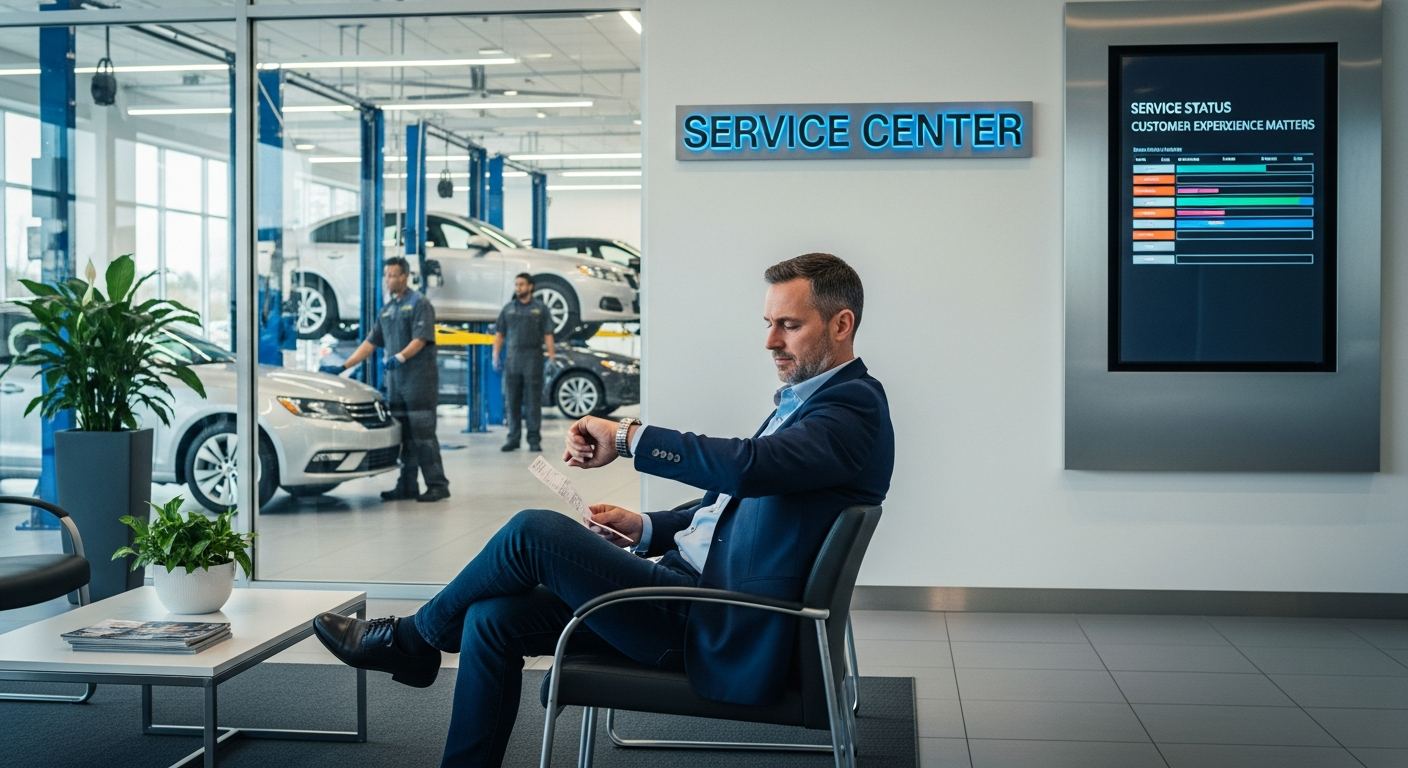
One significant concern is the average wait time for service appointments. According to J.D. Power's 2024 CSI study, the wait time averages over five days for both mass-market and premium segments. This delay often pushes customers towards independent service providers who can offer faster service. Moreover, the 'Fixed Right First Time' (FRFT) rate is another critical metric that affects customer satisfaction and retention. In 2025, 12% of repairs were not fixed right the first time, leading to frustration and a loss of trust.
In addition, communication breakdowns and unexpected costs are driving customers away. A staggering 45% of owners express dissatisfaction due to unexpected charges and poor communication. Customers now expect to compare costs online and receive real-time updates throughout their service experience. Without these capabilities, dealerships are losing ground to more agile competitors.
Another challenge is the emergence of electric vehicles (EVs), which require different servicing expertise and have yet to reach parity with internal combustion engine (ICE) vehicles in terms of service satisfaction. The gap between BEV and ICE service satisfaction scores highlights the need for specialized training and adaptation in service processes.
Finally, the recruitment and retention of skilled technicians remain a pressing issue. With a shortage of approximately 37,000 mechanics annually, dealerships struggle to keep up with repair demands while maintaining service quality.
Current Industry Landscape
The automotive service industry is undergoing a seismic shift, driven by technological advancements and changing consumer preferences. The rise of digital tools and platforms is reshaping how services are delivered and experienced. As dealerships grapple with these changes, understanding the broader industry landscape is crucial.
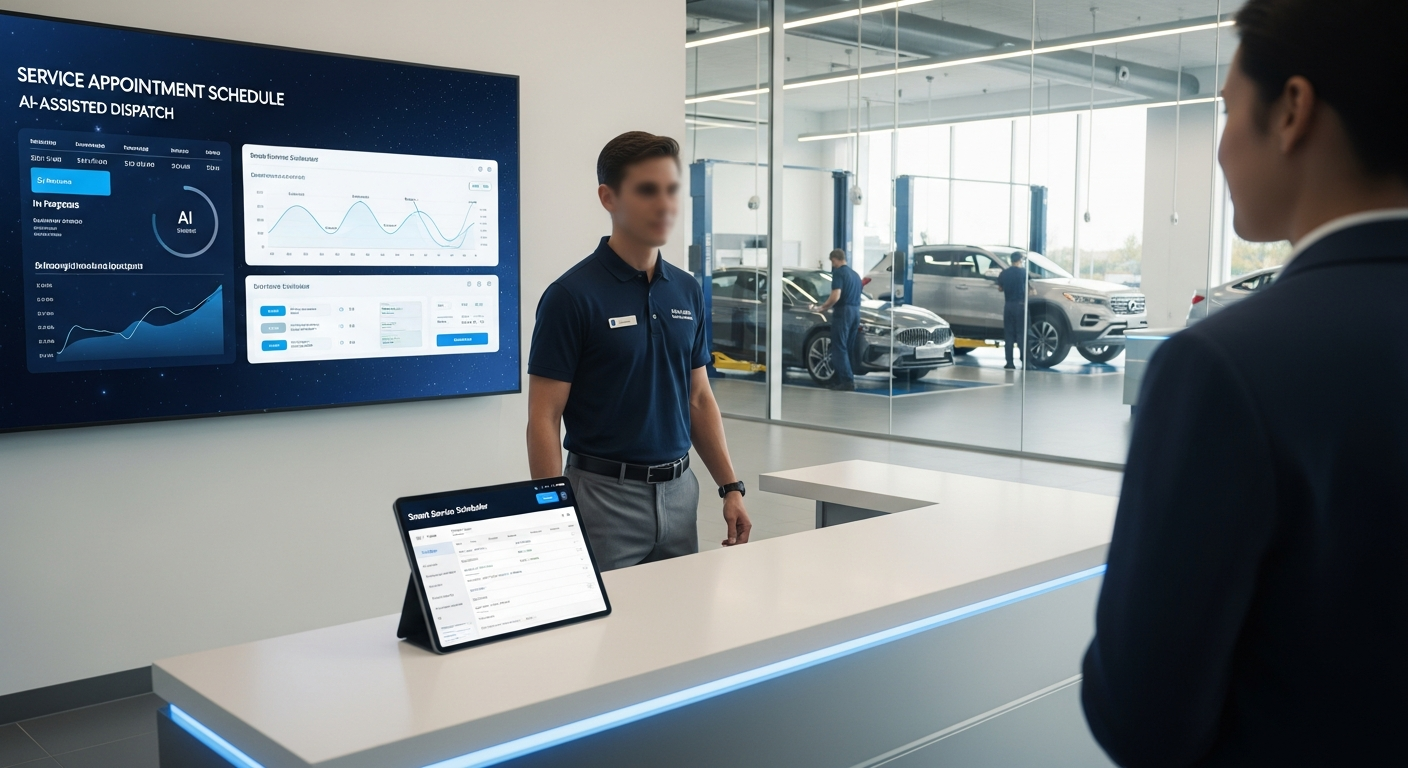
Industry leaders are recognizing the need for a more integrated approach to service delivery. Tools like Xtime and Tekion AI Agent for Service are reshaping scheduling and communication, offering seamless customer interactions. These platforms not only streamline operations but also enhance consumer satisfaction by providing transparency and reducing wait times.
Moreover, the integration of artificial intelligence (AI) and machine learning into service processes is proving transformative. AI voice schedulers, such as Brooke.ai, handle about 40% of scheduling calls, demonstrating the potential for automation to improve efficiency and customer satisfaction. These technologies allow for better management of appointments, reducing lead times without the need for additional staff or service bays.
In addition to technological advancements, there are shifts in financing options available to customers. Buy Now, Pay Later (BNPL) services are becoming increasingly popular, offering flexible payment solutions that can drive higher service approvals and customer satisfaction. Sunbit's significant market penetration in service financing highlights the potential for dealerships to increase customer loyalty through accessible financing options.
As the industry evolves, the role of mobile service and pickup/delivery options cannot be overstated. These services not only enhance customer convenience but also serve as a 'virtual bay' that can relieve pressure on physical service centers. By 2025, Ford reported that mobile services accounted for about 7% of customer-pay repair orders, underscoring their growing importance.
The Solution Framework
Creating a seamless customer experience requires a strategic framework that integrates technology, communication, and customer-centric practices. This framework must address key challenges while enhancing service delivery and customer satisfaction.
At the core of this framework is the adoption of advanced digital tools. Platforms like myKaarma and TruVideo offer functionalities such as video MPIs (multi-point inspections) and text-to-pay, which provide transparency and convenience to customers. These tools not only improve communication but also increase approval rates by building trust with customers.
Another critical component is the re-engineering of service workflows to incorporate AI and machine learning. By leveraging AI voice scheduling and automated customer updates, dealerships can significantly reduce appointment lead times and improve FRFT rates. This not only boosts operational efficiency but also enhances the overall customer experience.
Additionally, offering flexible payment options through BNPL services can greatly enhance customer satisfaction. By providing financial flexibility, dealerships can improve customer retention and increase average repair order values. Implementing BNPL requires careful consideration of integration costs and workflow adjustments to ensure seamless operation.
Finally, integrating rideshare services like Lyft into the customer experience can further enhance convenience. By offering transportation solutions, dealerships can differentiate themselves from competitors and create a more comprehensive service ecosystem.
Implementation Guide
Implementing a seamless customer experience framework requires a structured approach that involves strategic planning and execution. Here are practical steps to help you elevate your service experience.
First, assess your current service operations and identify key areas for improvement. This involves analyzing customer feedback, service metrics, and operational bottlenecks. Understanding these pain points is essential for crafting a targeted improvement plan.
Next, prioritize the adoption of digital tools and technologies that can address these challenges. For instance, implementing video MPIs can provide customers with a transparent view of their vehicle's condition, leading to higher trust and approval rates. Ensure that the team is adequately trained to use these tools effectively.
Incorporate AI-driven solutions to optimize scheduling and communication processes. AI voice schedulers can automate routine tasks, freeing up staff to focus on more complex customer interactions. This not only improves efficiency but also enhances the customer experience by reducing wait times.
Additionally, restructure payment processes to include BNPL options. Collaborate with finance providers to integrate these services into your workflow, ensuring that advisors are trained to present these options effectively to customers.
Lastly, consider offering mobile services and rideshare integrations to expand your service capabilities. These additions can provide customers with convenient options that enhance their overall experience.
Measuring Success
Measuring the success of your customer experience initiatives is crucial to understanding their impact and guiding future improvements. Establishing key performance indicators (KPIs) allows you to track progress and make data-driven decisions.
One critical KPI is the 'Fixed Right First Time' (FRFT) rate. Achieving a high FRFT rate is essential for customer satisfaction and retention. Targeting a 90%+ FRFT rate, supported by robust parts fill-rate SLAs, can significantly reduce repeat visits and enhance trust.
Appointment lead time is another vital metric. Aim to reduce the days-to-next-available appointment to 3-4 days for mass-market segments. This can be achieved through AI scheduling and load-balancing tactics, improving customer satisfaction and loyalty.
Monitoring approval rates and average repair order (ARO) values can provide insights into the effectiveness of video MPIs and BNPL services. Higher approval rates and increased AROs indicate successful adoption and customer trust.
Customer satisfaction scores and feedback are also valuable metrics. Regularly surveying customers and analyzing their responses can highlight areas for improvement and reinforce successful strategies.
Advanced Strategies
Once you've established a solid foundation for your customer experience framework, the next step is to optimize and scale these initiatives for maximum impact. Advanced strategies can help you refine processes and ensure sustainable success.
Consider implementing a data-driven approach to continuously improve service delivery. Utilize customer feedback and service data to identify trends and areas for enhancement. This proactive approach allows you to tailor services to meet evolving customer needs.
Expanding your use of mobile service vans and pickup/delivery options can further enhance convenience and operational flexibility. These services act as virtual bays, allowing you to manage capacity efficiently and serve more customers without physical constraints.
Leverage advanced AI tools to refine scheduling and communication processes. These tools can provide valuable insights into customer preferences and behaviors, enabling you to anticipate needs and personalize interactions.
Finally, foster a culture of continuous improvement within your team. Encourage staff to contribute ideas and participate in training programs to stay updated on industry trends and technological advancements. Empowered employees are more likely to deliver exceptional customer experiences.
Related Topics
Ready to take your service department to the next level?
Schedule your demo today and experience the power of Auto Pro Solutions.
Schedule Demo