
In today's competitive automotive market, parts departments are under immense pressure to boost profitability while maintaining high customer satisfaction. With technological advancements and shifting customer preferences, optimizing your parts department is not just beneficial but essential. This guide delves into innovative strategies and actionable steps to elevate your parts department's performance in 2025, ensuring sustained growth and customer loyalty.
Understanding the 2025 Parts Department Landscape
Navigating New Challenges and Opportunities
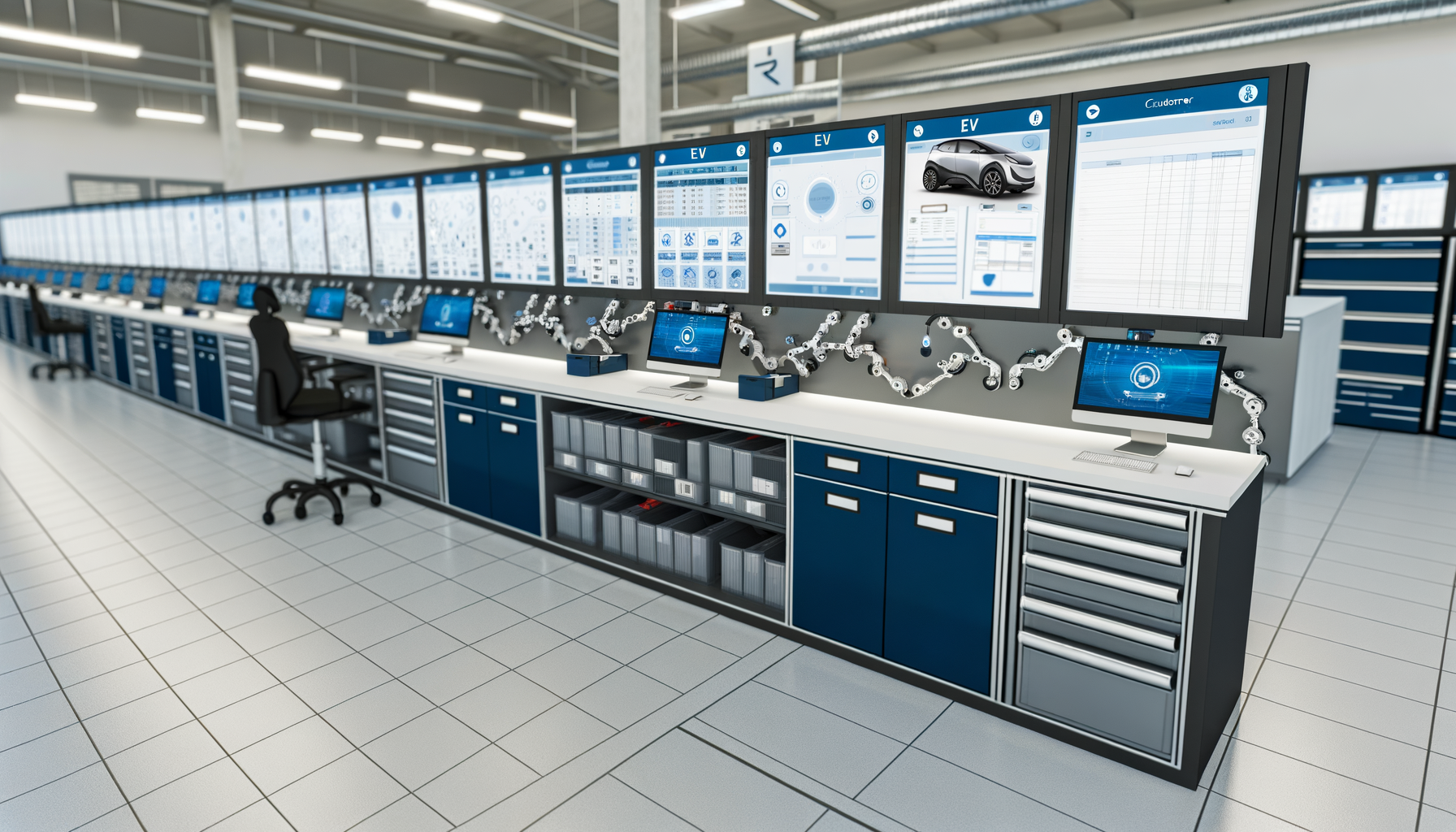
As the automotive industry evolves, parts departments must adapt to new consumer behaviors, such as the growing preference for EVs and digital services. With a reported 15% increase in EV-related repairs, understanding these trends is crucial. To capitalize on these developments, dealerships must integrate digital solutions that cater to modern customer expectations, such as digital scheduling, which 68% of consumers now prefer. Begin by aligning your parts department's goals with these industry trends, focusing on areas like EV maintenance and online parts ordering.
1. Embrace digital scheduling for customer convenience 2. Focus on EV-specific parts inventory 3. Train staff on new OEM requirements for advanced vehicle technologies
Advanced Inventory Management Techniques
Optimizing Stock Levels with Predictive Analytics

Maintaining optimal inventory levels is pivotal to parts department profitability. Employ predictive analytics to forecast demand accurately, reducing overstock and obsolescence. Utilize software solutions that provide real-time data insights, enabling smarter purchasing decisions and improved stock rotation. Implement a cycle counting system to regularly assess inventory accuracy, minimizing discrepancies and enhancing order fulfillment speed.
| Technique | Benefit | |--------------------------|----------------------------------| | Predictive Analytics | Accurate demand forecasting | | Real-time Data Insights | Smarter purchasing decisions | | Cycle Counting | Improved inventory accuracy |
Leveraging Technology for Parts Sales Growth
Implementing Automation and eCommerce Solutions
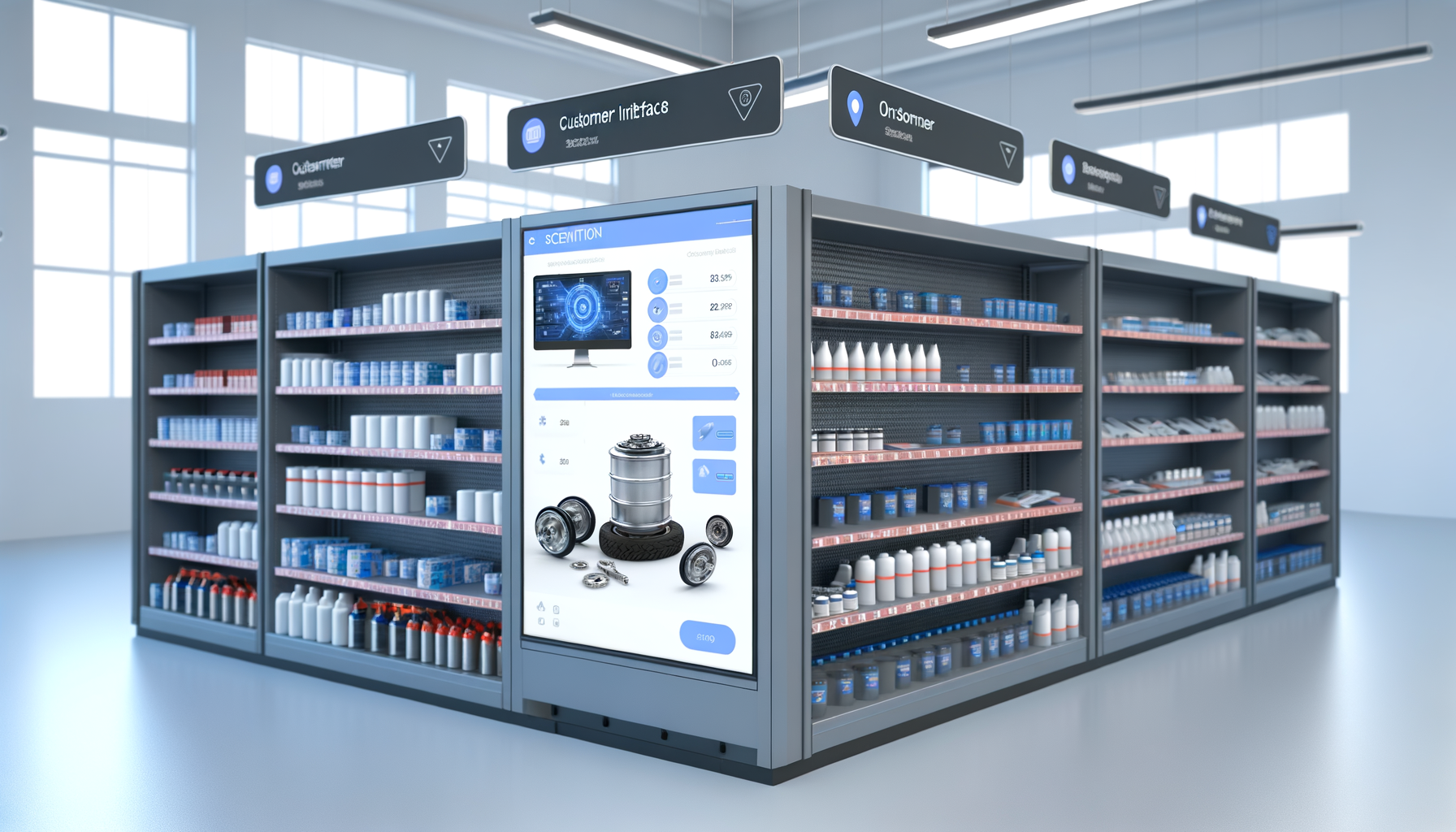
Adopting technology that enhances customer interaction is key to boosting parts sales. Implement eCommerce platforms that allow customers to purchase parts online with ease. Utilize automation tools to streamline order processing, improving efficiency and reducing staff workload. Consider integrating CRM systems to personalize customer experiences, fostering loyalty and repeat business.
"Incorporating eCommerce and automation has revolutionized our parts department, leading to a 25% increase in online sales." - John Doe, Fixed Ops Director
Best Practices for Reducing Parts Obsolescence
Strategies for Efficient Inventory Management

Parts obsolescence can significantly affect profitability. To tackle this, employ a first-in, first-out (FIFO) approach to ensure older inventory is sold first. Regularly review sales data to identify slow-moving items, allowing for timely markdowns or return to suppliers. Collaborate with manufacturers to adjust orders based on real-time demand fluctuations, mitigating the risk of excess stock.
1. Implement FIFO inventory management 2. Analyze sales data for inventory adjustments 3. Collaborate with OEMs for demand-based ordering
Implementing Effective Upselling Strategies
Maximizing Sales Opportunities in the Parts Department
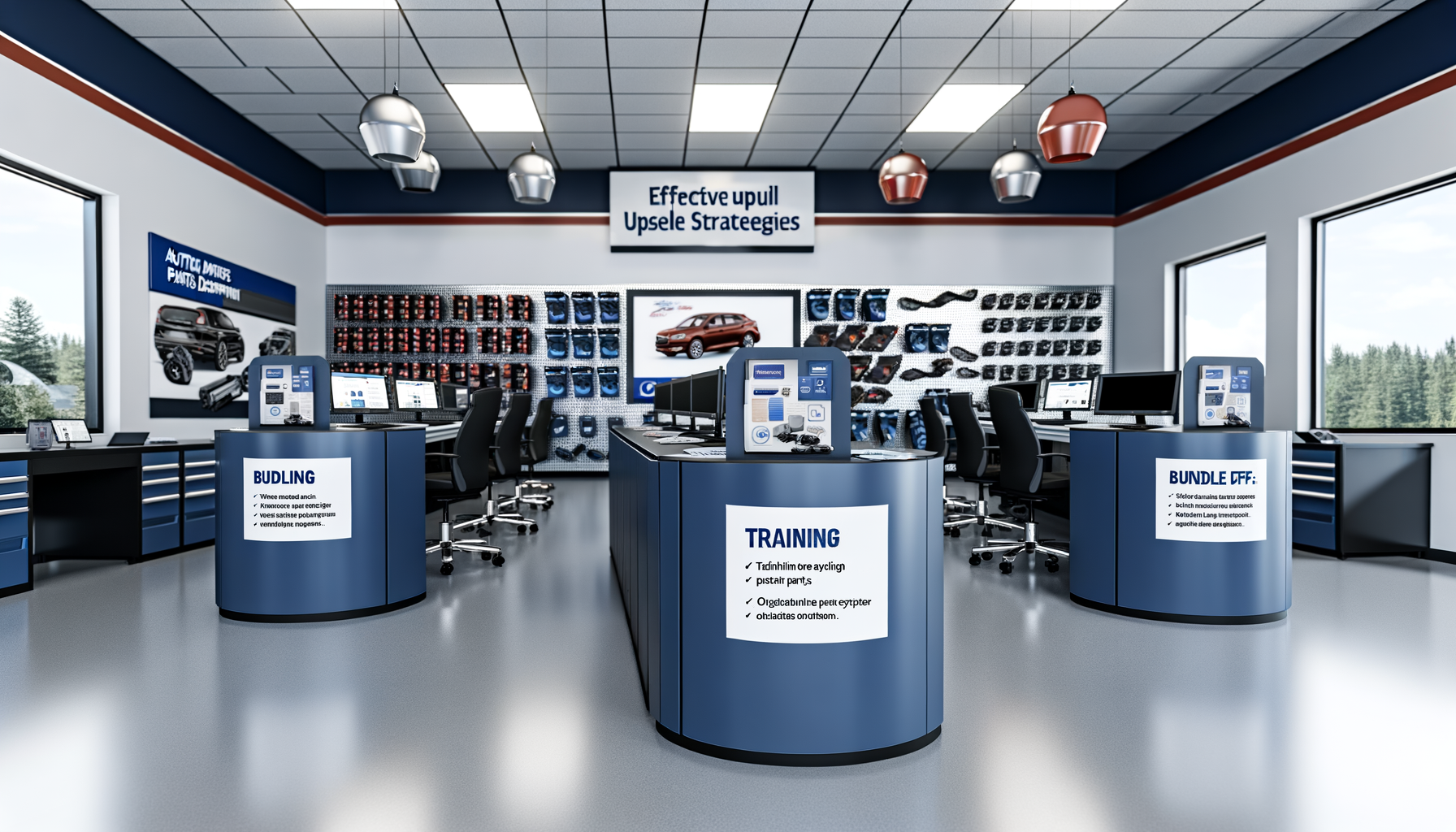
Upselling is vital for increasing parts department revenue. Train staff to identify upsell opportunities during customer interactions, focusing on complementary parts. Design bundle offers that combine frequently purchased items, providing value to the customer while boosting sales. Leverage customer data to tailor personalized offers, enhancing the likelihood of successful upsells.
Pro Tip: Use CRM data to offer personalized upsell recommendations tailored to customer purchase history.
Analyzing Parts Department Performance Metrics
Measuring Success with Key Performance Indicators

Assessing performance through KPIs is essential for continuous improvement. Monitor sales per employee, inventory turnover rates, and customer satisfaction scores regularly. Utilize dashboards that consolidate these metrics, offering at-a-glance insights into department performance. Set benchmarks based on industry standards to gauge success, adjusting strategies accordingly to meet or exceed these targets.
| KPI | Target for Success | |----------------------------|----------------------------------| | Sales per Employee | $150,000 annually | | Inventory Turnover Rate | 6x per year | | Customer Satisfaction Score| 95% satisfaction rate |
Questions managers ask
What are the key components of parts department optimization?
Key components include advanced inventory management, leveraging technology for sales growth, reducing obsolescence, and implementing effective upselling strategies.
How does technology impact parts department efficiency?
Technology improves efficiency by automating processes, providing real-time data insights, and facilitating online sales, thereby reducing manual workload and enhancing customer experiences.
What metrics should be tracked to assess parts department performance?
Track sales per employee, inventory turnover rates, and customer satisfaction scores to evaluate performance and identify areas for improvement.
What to do with this
By embracing technology, refining inventory management, and implementing strategic upselling, parts departments can significantly enhance profitability and customer satisfaction in 2025. Consider conducting an internal audit to identify current gaps, invest in the necessary technology, and train staff on new processes and systems. Auto Pro Solutions offers comprehensive software solutions that streamline parts department operations, providing analytics and automation tools essential for optimization.
Related topics
More for service managers
Beyond the Brake Pad: Unveiling Hidden Streams of Revenue in Parts Management
Picture this: a busy morning at your dealership, customers lining up for service, and technicians ready to tackle the day's repairs. But there's a problem. The part needed for…
The Gear Behind the Grind: Streamlining Your Parts Inventory for Peak Performance
In the fast-paced world of automotive service departments, parts management is the lifeline that keeps everything running smoothly. Yet, many dealerships find themselves…
Unlocking Parts Department Potential: A Complete Playbook
Imagine walking into your parts department and seeing everything running like a well-oiled machine. Every part is in its place, orders are fulfilled promptly, and your team is…