Turbocharge Your Bottom Line: The Secret Formula to Service Dept Gains
Understanding the Challenge
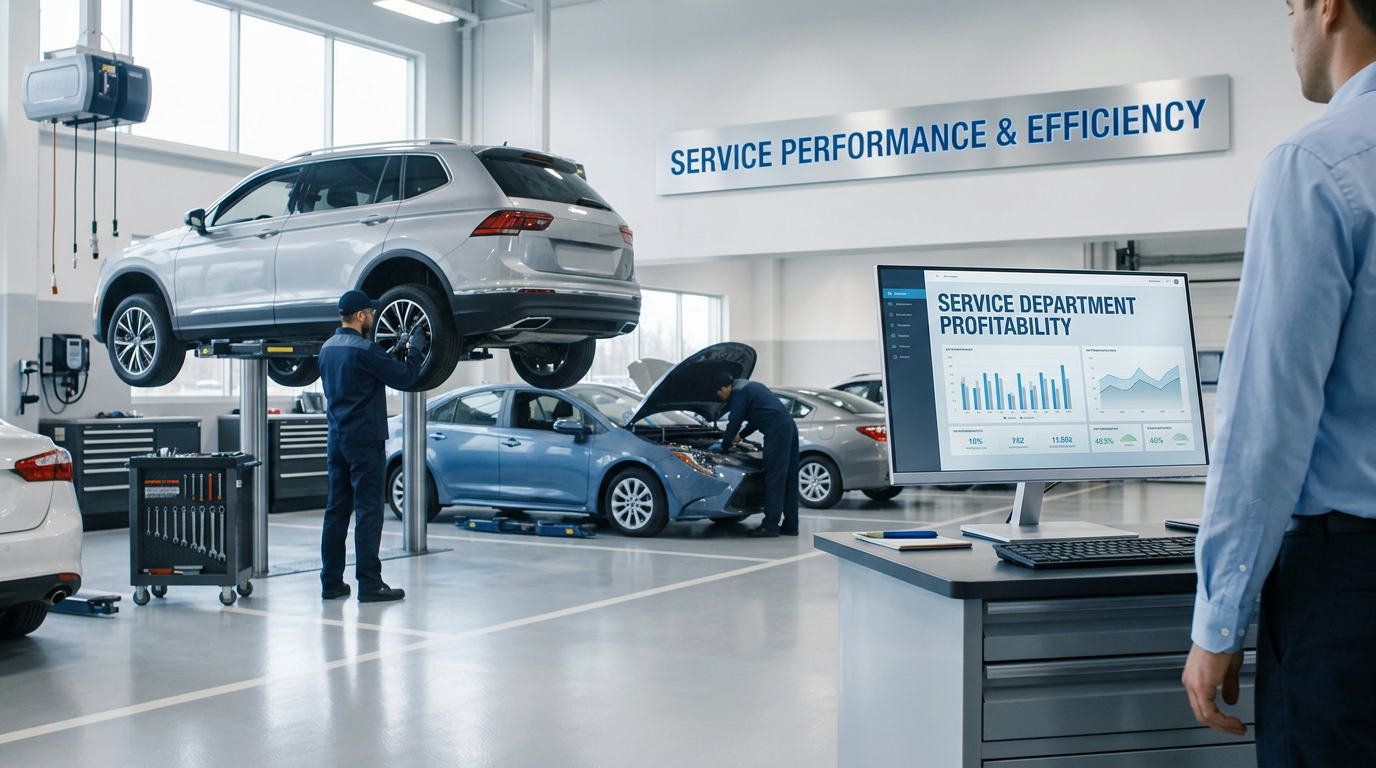
Service departments are under immense pressure to maintain profitability as costs rise and competition intensifies. Technician shortages, appointment backlogs, and customer attrition to independent repair shops are just a few of the hurdles they face. In this challenging landscape, understanding what's not working is the first step toward finding effective solutions.
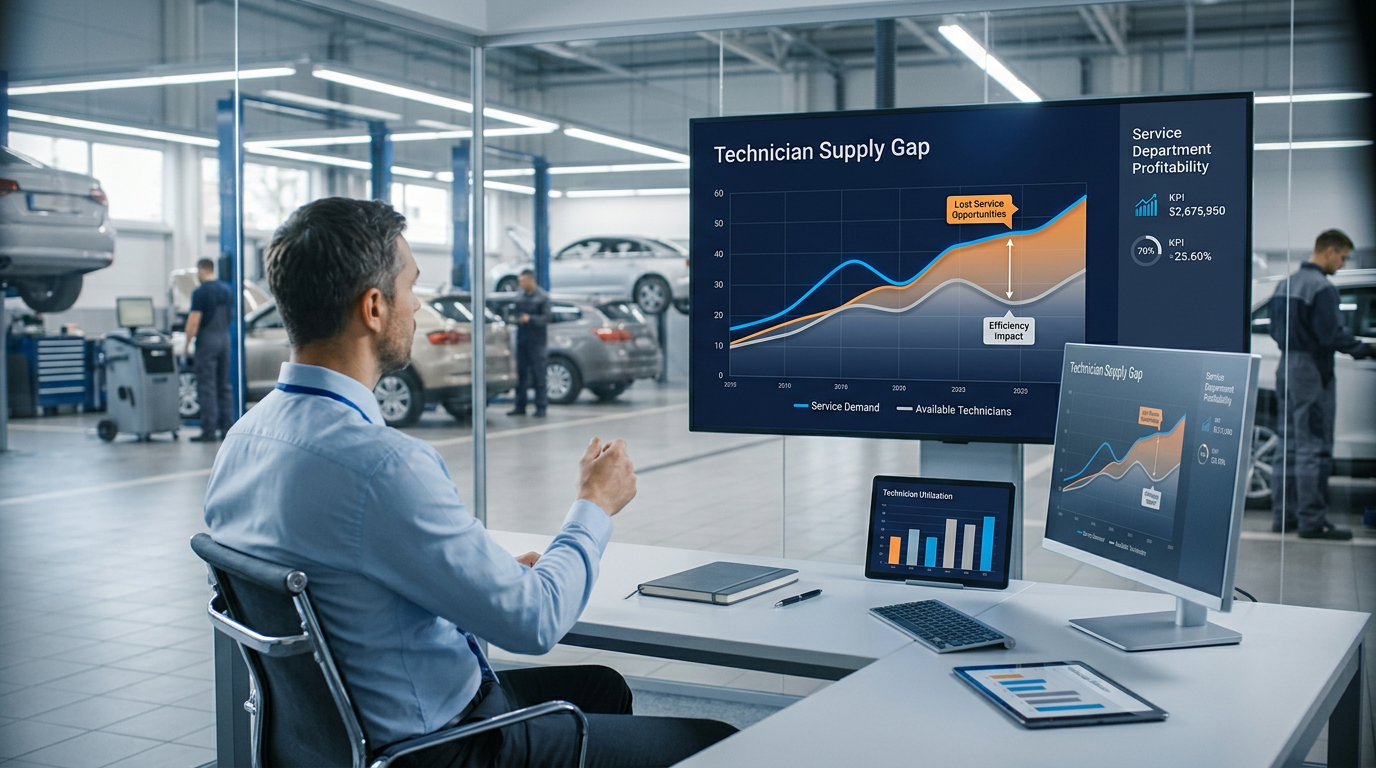
One of the biggest challenges is the technician supply gap. With a projected need for 1.2 million new technicians by 2029, dealerships are struggling to keep their service bays fully operational. This shortage leads to longer wait times for appointments, which can frustrate customers and ultimately drive them away.
Another issue is the inconsistency in service advisor processes. High turnover rates and lack of standardized practices can result in poor customer experiences, affecting CSI scores and customer loyalty. It's crucial for service departments to establish consistent workflows and invest in advisor training to ensure quality service.
Moreover, dealerships are facing rising input costs, such as oil and parts, which squeeze margins and complicate pricing strategies. Implementing effective pricing governance can help protect margins while remaining competitive in the market.
Finally, the increasing complexity of vehicle technology demands more from service departments in terms of diagnostics and repair capabilities. This requires continuous staff training and investment in advanced tools and technologies to stay ahead.
Current Industry Landscape
Despite the challenges, the service industry presents significant opportunities for those willing to adapt. According to NADA, U.S. franchised light-vehicle dealerships wrote over 276 million repair orders in 2025, generating $164 billion in service and parts sales. This underscores the potential for growth if dealerships can optimize their operations.
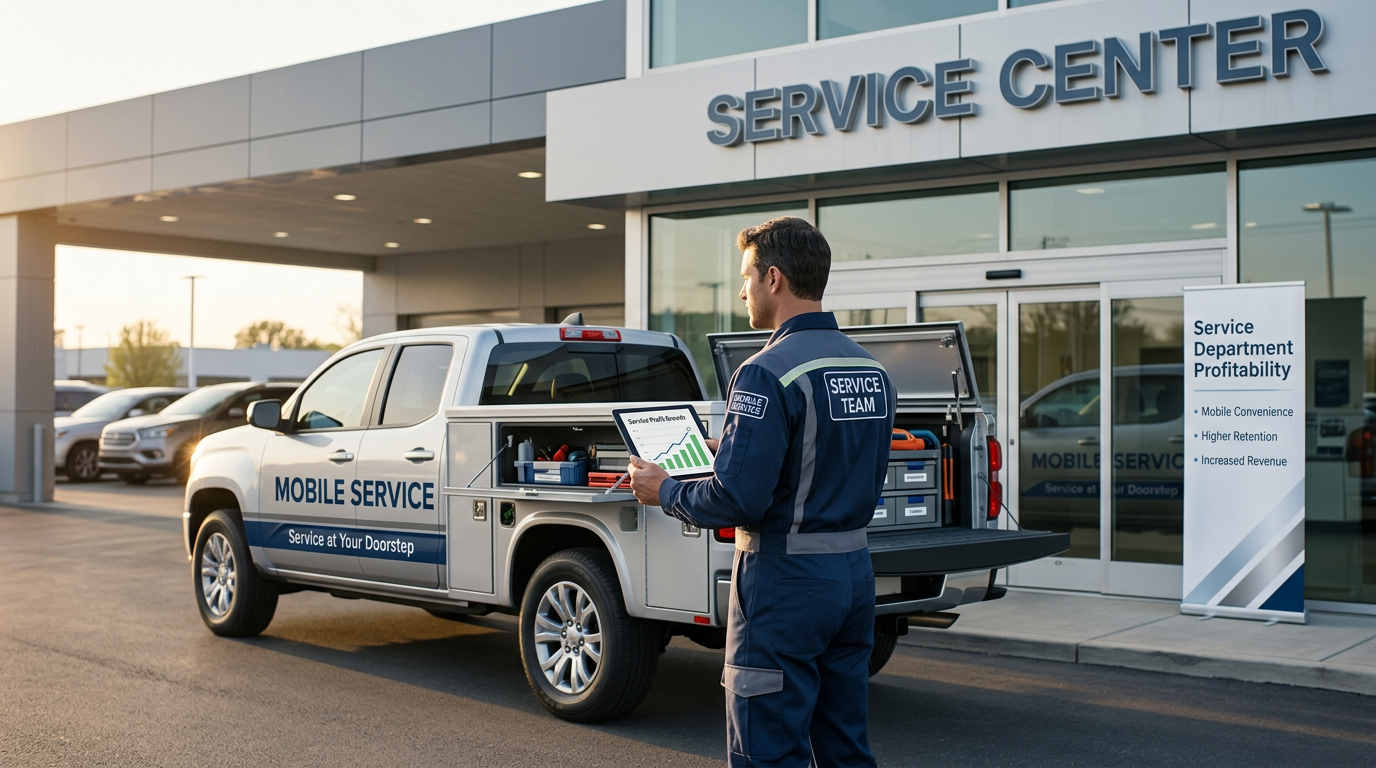
One of the most promising trends is the shift towards mobile service and pickup/delivery options. By offering these convenient services, dealerships can reduce no-shows and improve customer satisfaction, leading to higher retention rates.
Additionally, the use of AI-enabled tools for scheduling, authorizations, and payments is gaining traction. These technologies enhance operational efficiency and improve approval rates, directly impacting the average repair order (ARO) and customer pay effective labor rate (CP ELR).
Another area of opportunity is in-house ADAS calibration capabilities. By converting this sublet cost into a profit center, dealerships can offer a valuable service while boosting their bottom line.
Finally, the emphasis on customer retention strategies cannot be overstated. With dealer share of service visits slipping, retaining customers through exceptional service experiences and loyalty programs is critical for sustaining profitability.
The Solution Framework
Achieving 100%+ fixed absorption is a viable goal with the right strategies. Fixed absorption refers to the ability of the service department's gross profit to cover the entire dealership's overhead, ensuring financial stability.
To reach this target, dealerships must focus on optimizing technician efficiency and increasing hours per repair order (HPRO). Implementing a structured workflow that prioritizes quick-service versus main shop allocation and parts pre-pull can significantly enhance throughput.
Another critical component is enhancing the average labor rate (ELR) without compromising customer satisfaction. This requires a disciplined approach to pricing governance, including advisor override limits and escalation rules to prevent margin erosion.
Furthermore, integrating technology such as Xtime Schedule and UpdatePromise Harmony AI can streamline operations and improve load balancing, ensuring that the service department operates at maximum capacity.
Finally, fostering a culture of continuous improvement and investing in staff training are paramount. By equipping technicians and advisors with the skills they need, dealerships can improve service quality and reduce comebacks, further boosting profitability.
Implementation Guide
Implementing the solution framework requires a well-thought-out plan. Start by assessing your current technician capacity and determining the most efficient ways to utilize their time. Consider adopting a triage scheduling system to prioritize urgent repairs and optimize appointment throughput.
Next, evaluate your pricing strategy to ensure it aligns with market rates while protecting margins. Utilize tools like Dynatron Software for fixed-ops price optimization and to maintain consistency across advisors.
For dealerships looking to add in-house ADAS calibration, it's essential to assess the necessary investments and operational prerequisites. Ensure your facility meets the required bay geometry and lighting standards to avoid compliance issues.
Additionally, consider expanding service hours or offering mobile services to reduce appointment backlogs and enhance customer convenience. This can significantly improve customer satisfaction and retention rates.
Lastly, monitor your service department's performance using key performance indicators (KPIs) such as fixed absorption rate, ELR, and customer retention. Regularly review these metrics to identify areas for improvement and adjust strategies accordingly.
Measuring Success
To determine the success of your efforts, it's crucial to track specific KPIs that reflect your service department's performance. The most important metric is fixed absorption, which indicates whether your service gross profit can cover dealership overhead.
In addition to fixed absorption, monitor your effective labor rate (ELR) and hours per repair order (HPRO). These figures provide insight into your department's efficiency and profitability, helping you pinpoint areas for improvement.
Customer satisfaction and retention rates are equally vital. High CSI scores and repeat business signal that your strategies are working, while low scores might indicate areas in need of attention.
It's also beneficial to track appointment backlog times and technician productivity. By measuring these indicators, you can proactively address bottlenecks and optimize operations to meet customer expectations.
Utilizing advanced reporting tools like Dealer-FX Service Intelligence Platform and Dynatron Software can provide comprehensive insights and facilitate data-driven decision-making to enhance service performance.
Advanced Strategies
With a solid foundation in place, service departments can explore advanced strategies to further optimize operations and scale profitability. One approach is to integrate AI-powered tools that enhance scheduling, customer communications, and payment processes.
Expanding service offerings to include electric vehicle (EV) maintenance and diagnostics can also position your dealership for future growth. As EV adoption rises, dealerships must adapt to the changing service landscape to capture new business opportunities.
Another advanced strategy involves harnessing data analytics to predict customer behavior and tailor marketing efforts accordingly. By understanding your customers' preferences and needs, you can create targeted promotions that drive service visits and boost retention.
Investing in ongoing staff training and development is essential for keeping up with industry advancements. Encourage technicians and advisors to pursue certifications and participate in workshops to enhance their skills and knowledge.
Finally, consider collaborating with OEMs and technology providers to stay informed about the latest innovations and best practices. These partnerships can provide valuable insights and resources to help your service department thrive.
Related Topics
Ready to take your service department to the next level?
Schedule your demo today and experience the power of Auto Pro Solutions.
Schedule Demo