Turbocharge Your Bottom Line: Rethinking Service Profits with a Fresh Perspective
Understanding the Challenge
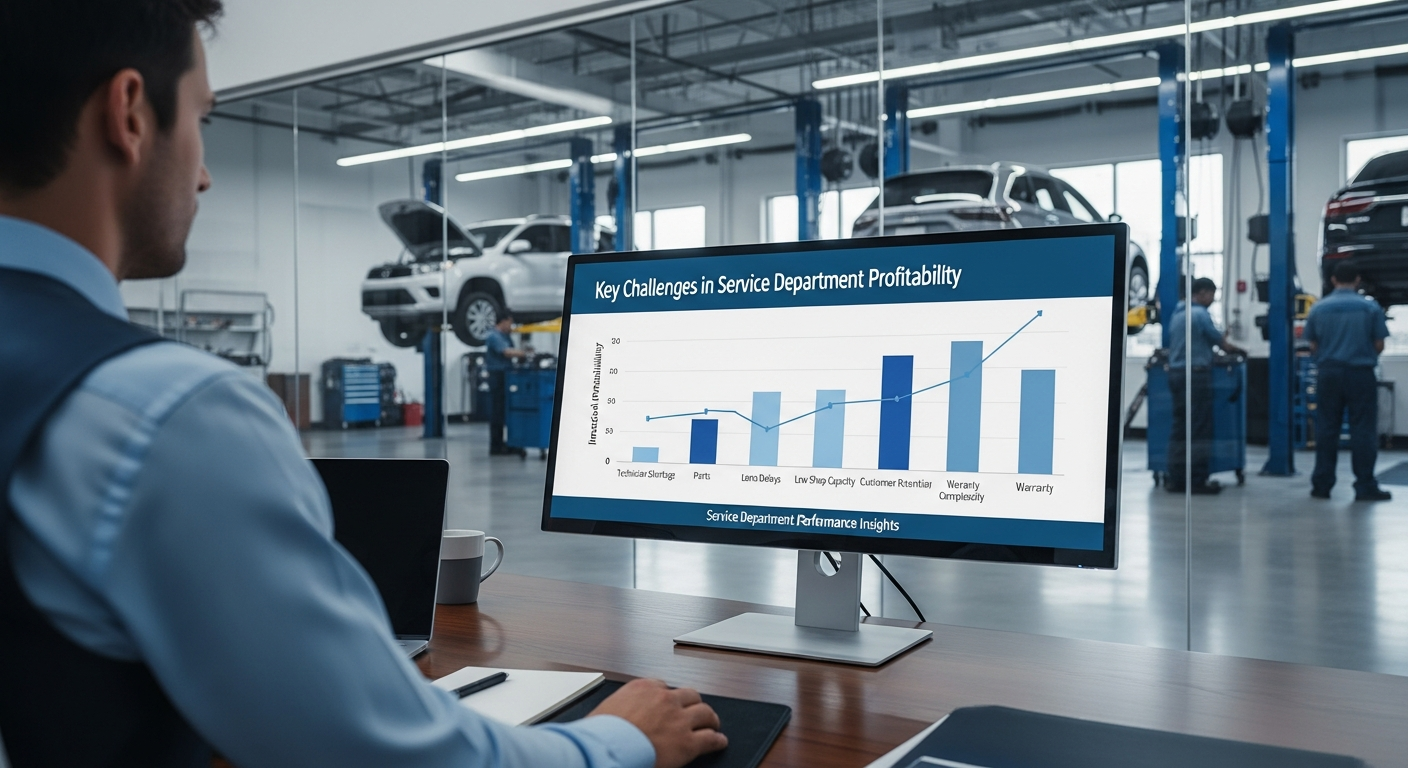
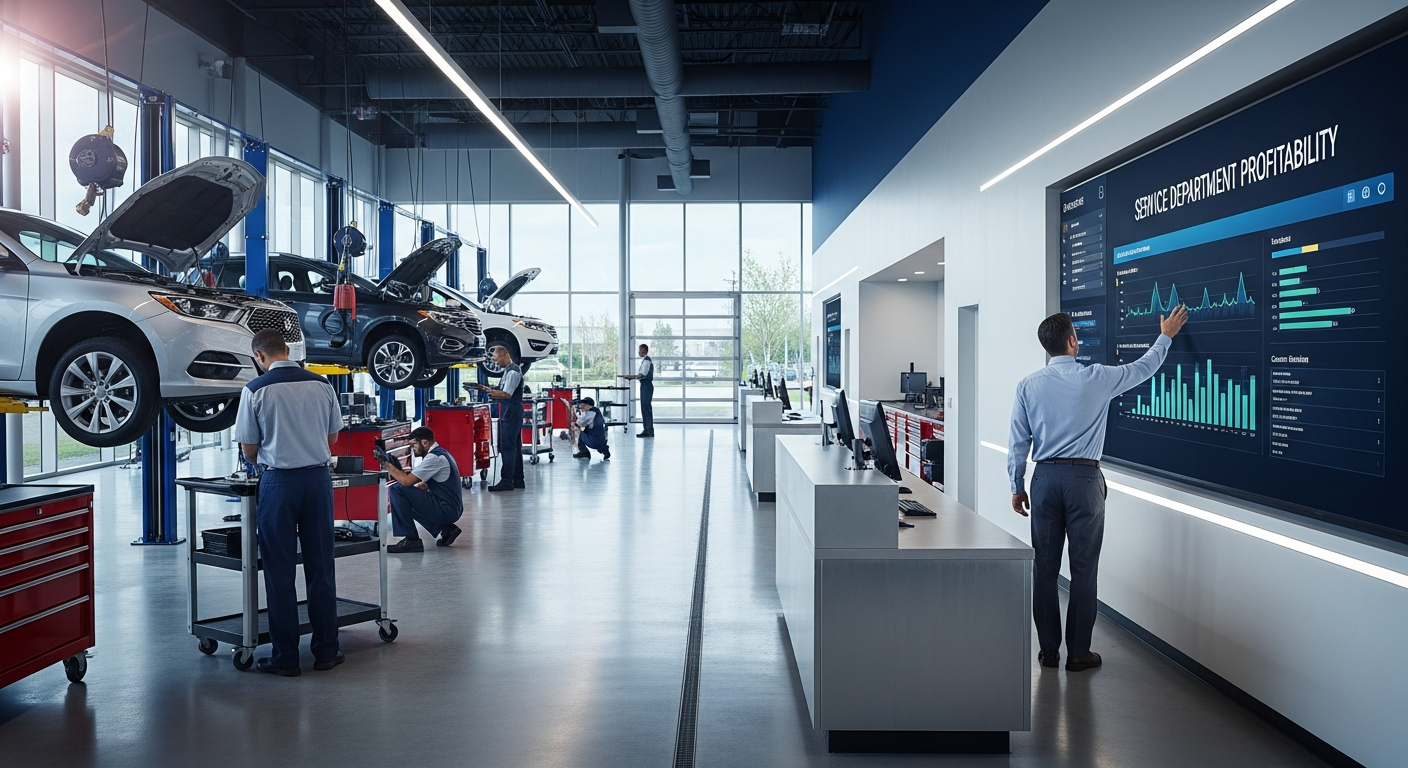
Service departments are the backbone of any dealership, yet many face significant profitability challenges. Rising costs, a competitive market, and a persistent technician shortage are just a few of the barriers. These issues not only affect the bottom line but also impact customer satisfaction and retention. Without addressing these core issues, dealerships risk falling behind.
The effective labor rate (ELR) and hours per repair order (HPRO) are critical metrics that often fall short of their potential. Many service departments struggle to optimize these figures due to inefficient workflows, outdated technologies, and a lack of data-driven decision-making. Additionally, technician recruitment and retention remain a persistent headache, further straining resources and limiting capacity.
A common issue is the misalignment of service advisor and technician incentives. Many compensation structures focus solely on sold hours, which can inadvertently lead to rushed jobs and a decline in customer satisfaction index (CSI) scores. This not only impacts customer loyalty but also erodes trust over time.
Furthermore, the absence of a robust business continuity plan can cripple operations during unexpected vendor or system outages, as highlighted by the 2024 CDK cyberattack. Such disruptions emphasize the need for a manual backup process that ensures the service lane remains operational even in the face of technological failures.
Understanding these challenges is the first step towards addressing them. By acknowledging what's not working and why, dealerships can begin to implement strategic changes that enhance profitability and operational efficiency.
Current Industry Landscape
The automotive service industry is rapidly evolving, with new technologies and trends reshaping the landscape. Understanding these changes is crucial for any dealership aiming to stay competitive and profitable. AI-enabled drive-through inspections, like those offered by UVeye, are becoming increasingly popular for their ability to streamline workflows and enhance efficiency.
The rise of AI service scheduling and triage tools is another significant trend. These technologies help optimize shop capacity utilization and technician proficiency by predicting workloads and scheduling tasks accordingly. This not only maximizes throughput but also ensures that customers receive timely and efficient service.
Telematics data access and the right to repair movement are also making waves in the industry. The federal REPAIR Act (H.R. 1566) aims to ensure that dealers have the necessary data to perform repairs, leveling the playing field and ensuring that customers receive fair and transparent service.
Despite these advancements, the technician shortage remains a pressing issue. The demand for new automotive technicians is projected to reach 95,027 positions by 2026, highlighting the need for dealerships to invest in recruitment and training initiatives. This includes offering competitive compensation packages and career development opportunities to attract and retain talent.
By staying informed of these trends and leveraging new technologies, dealerships can navigate the current industry landscape effectively, turning challenges into opportunities for growth and profitability.
Related Topics
Ready to take your service department to the next level?
Schedule your demo today and experience the power of Auto Pro Solutions.
Schedule Demo