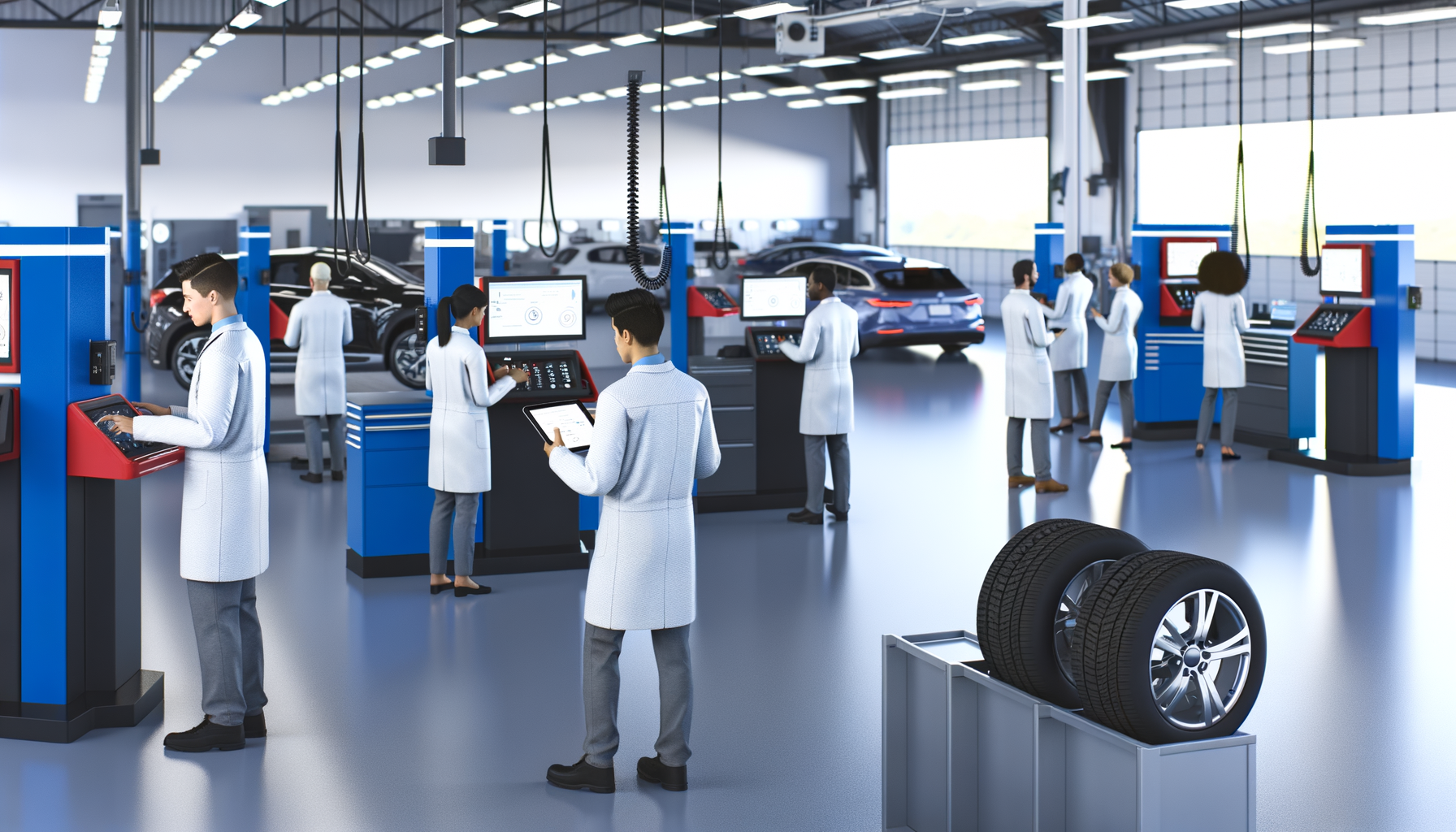
The automotive service landscape is rapidly evolving, with dealerships facing increasing pressure to enhance efficiency while maintaining high customer satisfaction. This comprehensive guide explores innovative strategies to streamline operations, reduce costs, and improve service bay productivity, all while adapting to the latest industry trends.
Introduction: Why Efficiency Matters Now More Than Ever

In 2025, automotive dealerships are increasingly pressured by evolving customer expectations and technological advancements. Efficient service operations are crucial not only for profitability but also for maintaining high customer satisfaction and loyalty. This guide delves into practical, advanced strategies to overhaul your service department processes, ensuring your dealership remains competitive.
In the age of rapid technological change, efficiency is not just an advantage—it's a necessity for survival.
Understanding Service Department Bottlenecks
Identifying Common Pitfalls

Service departments often face bottlenecks that impede workflow, such as poorly designed service bays and inefficient scheduling. Identifying these issues requires a thorough analysis of current operations and employee feedback. By mapping out each stage of the service process, managers can pinpoint delays and implement targeted solutions.
Common bottlenecks: 1. Inefficient bay layouts 2. Delays in parts procurement 3. Over-scheduling technicians
Leveraging Technology for Workflow Optimization
Automation and Digital Tools
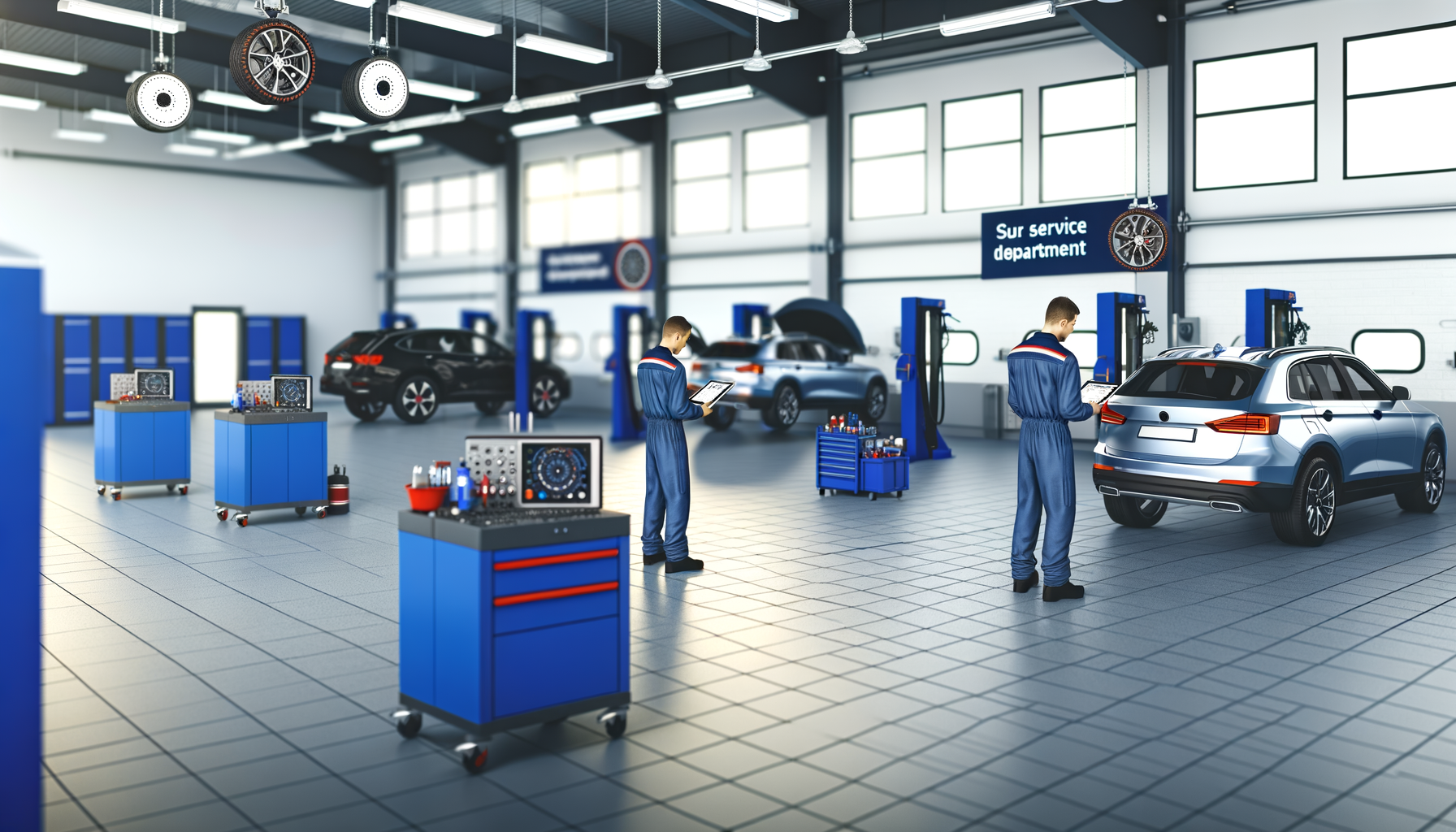
Technology plays a pivotal role in enhancing service department efficiency. Implementing digital scheduling tools can significantly reduce wait times by optimizing technician availability. Automation in parts ordering and inventory management ensures that necessary parts are always on hand, minimizing delays.
| Tool | Benefits | | --- | --- | | Digital Scheduling Software | Reduces wait times by 30% | | Automated Inventory Systems | Decreases parts shortages by 25% |
Training and Retaining Skilled Technicians
Building a Competent Workforce
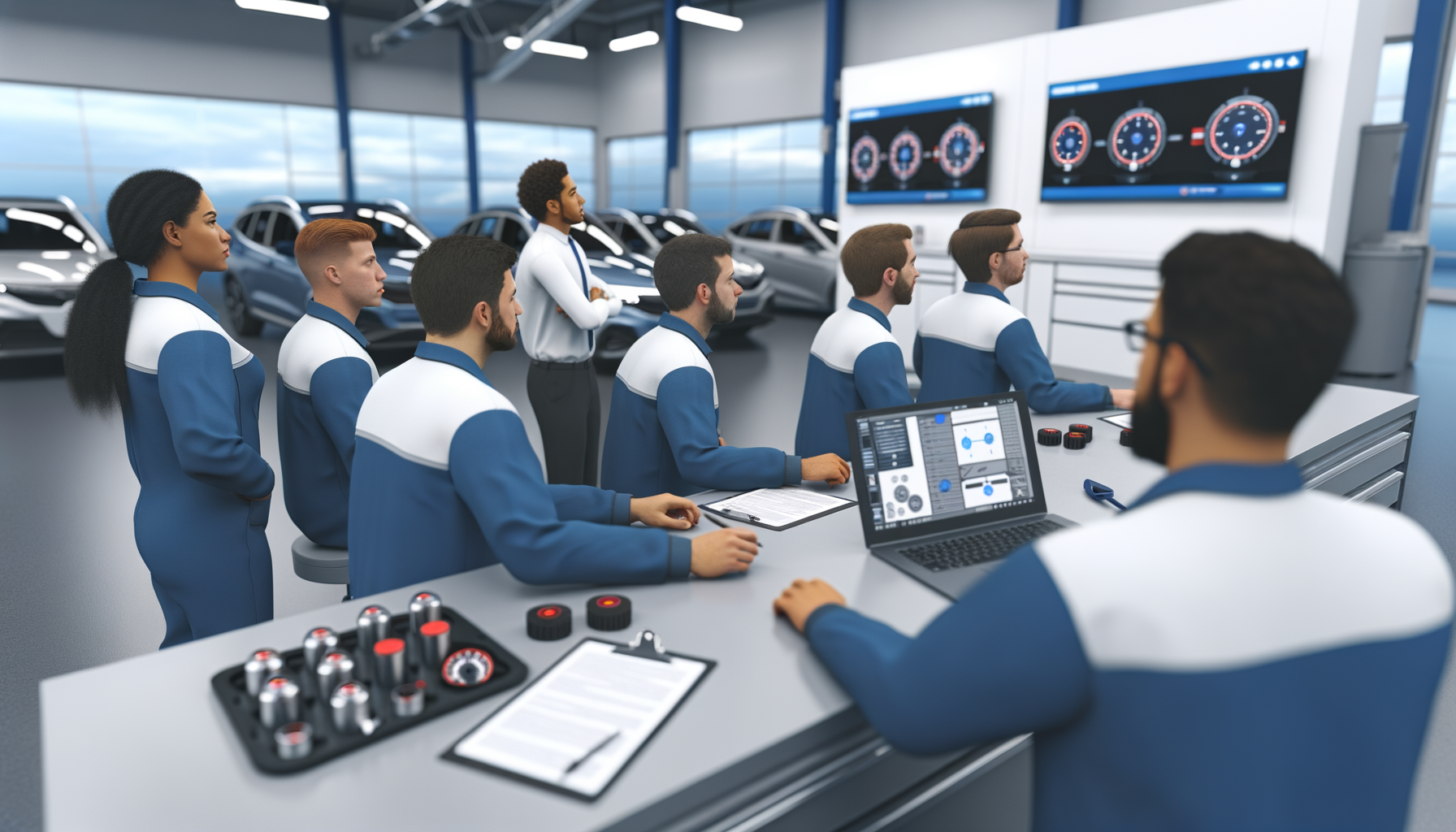
A skilled, knowledgeable workforce is the backbone of any efficient service department. Ongoing training programs ensure technicians are up-to-date with the latest automotive technologies. Investing in employee satisfaction reduces turnover, saving on recruitment and training costs.
Invest in regular training workshops and certification programs to keep your team at the forefront of industry standards.
Implementing Data-Driven Decision Making
Analytics in Action

Data analytics provides insights into service department performance, identifying areas for improvement. By analyzing key metrics such as service times and customer feedback, managers can make informed decisions. Integrating analytics with CRM systems enhances customer service by anticipating needs and preferences.
Key metrics to track: 1. Average service time 2. Customer satisfaction scores 3. Technician productivity
Enhancing Customer Experience Through Efficient Processes
Seamless Service Interaction

Efficient service operations directly impact the customer experience, reducing frustration and increasing loyalty. Digital communication platforms allow for seamless scheduling and updates, aligning with customer preferences for digital interactions. Quick turnaround times and transparent service processes build trust and repeat business.
68% of customers now prefer digital service scheduling, highlighting the shift towards technology-driven interactions.
Real-World Case Studies and Metrics
Success Stories in Streamlining

Several dealerships have successfully streamlined operations, leading to significant improvements in efficiency and customer satisfaction. For example, a dealership implementing automated scheduling saw a 20% reduction in wait times and a 15% increase in service revenue. Another dealership improved technician productivity by 25% through targeted training programs and digital tools.
| Dealership | Improvement | | --- | --- | | Dealership A | 20% reduction in wait times | | Dealership B | 15% increase in revenue | | Dealership C | 25% increase in technician productivity |
Questions managers ask
How can technology improve service department efficiency?
Technology enhances efficiency by automating scheduling, parts ordering, and inventory management, while digital tools streamline communication and workflow.
What are the key metrics for measuring service department efficiency?
Key metrics include average service time, customer satisfaction scores, and technician productivity levels, all providing insights into operational performance.
What to do with this
Achieving service department efficiency is a multi-faceted approach involving technology, skilled workforce development, and data-driven strategies. Implement the outlined strategies, regularly review key performance metrics, and adapt to ongoing industry changes to maintain a competitive edge. Auto Pro Solutions offers comprehensive digital tools that streamline operations and enhance customer interactions, supporting your efficiency goals.
Related topics
More for service managers
Turbocharge Your Service Bay: Harnessing Innovative Practices for Maximum Efficiency
In today's fast-evolving automotive landscape, dealership service departments are under immense pressure to boost efficiency while maintaining high standards of customer…
Mastering Service Department Efficiency: Unlock the Secrets to Streamlined Operations in 2025
In an era where customer expectations are soaring and technology is advancing at breakneck speeds, automotive dealerships face mounting pressure to streamline their service…
Circuit Savvy: Electrifying Your Service Department’s Performance Metrics
In today's competitive automotive industry, dealership service departments face mounting pressures to increase efficiency and profitability while maintaining high customer…