Transforming Parts Departments: The Complete Strategy for 2025
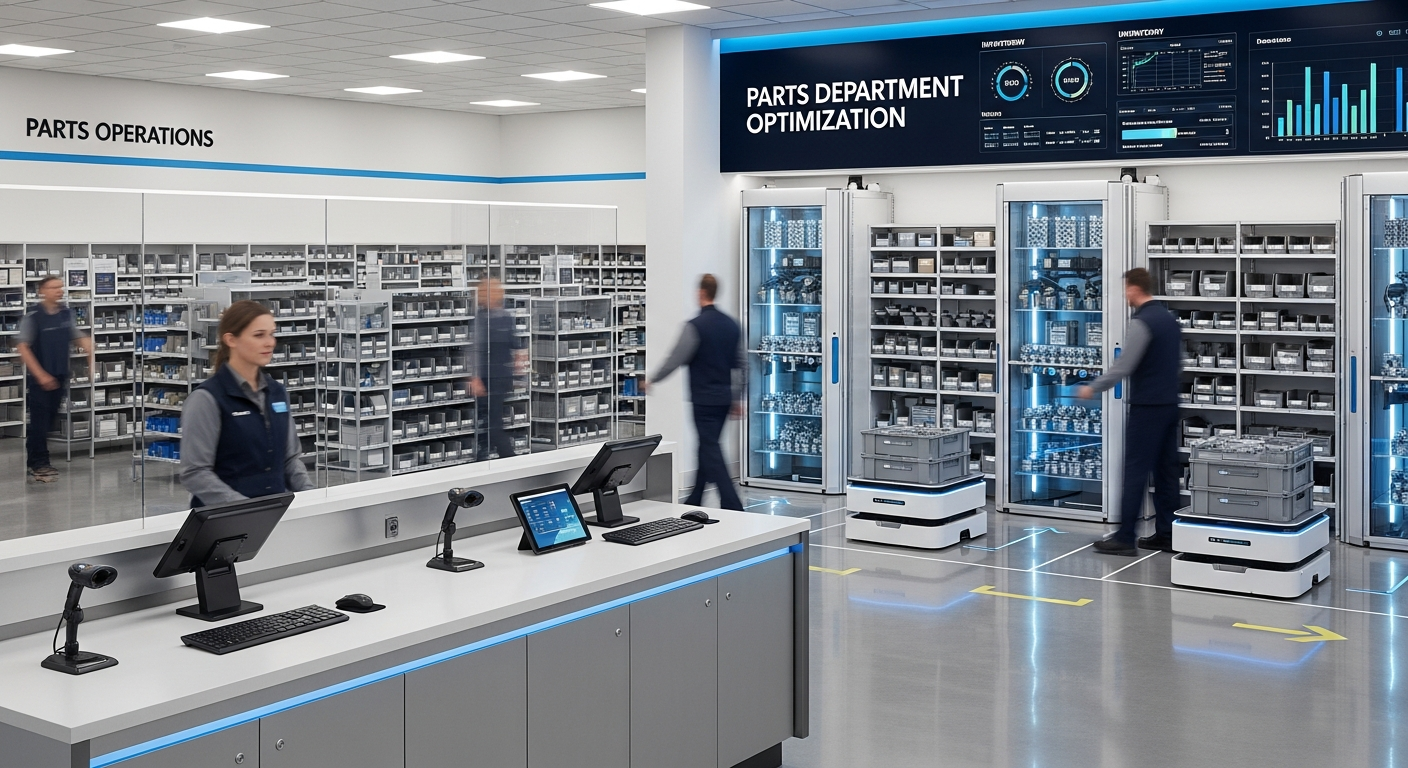
Understanding the Challenge
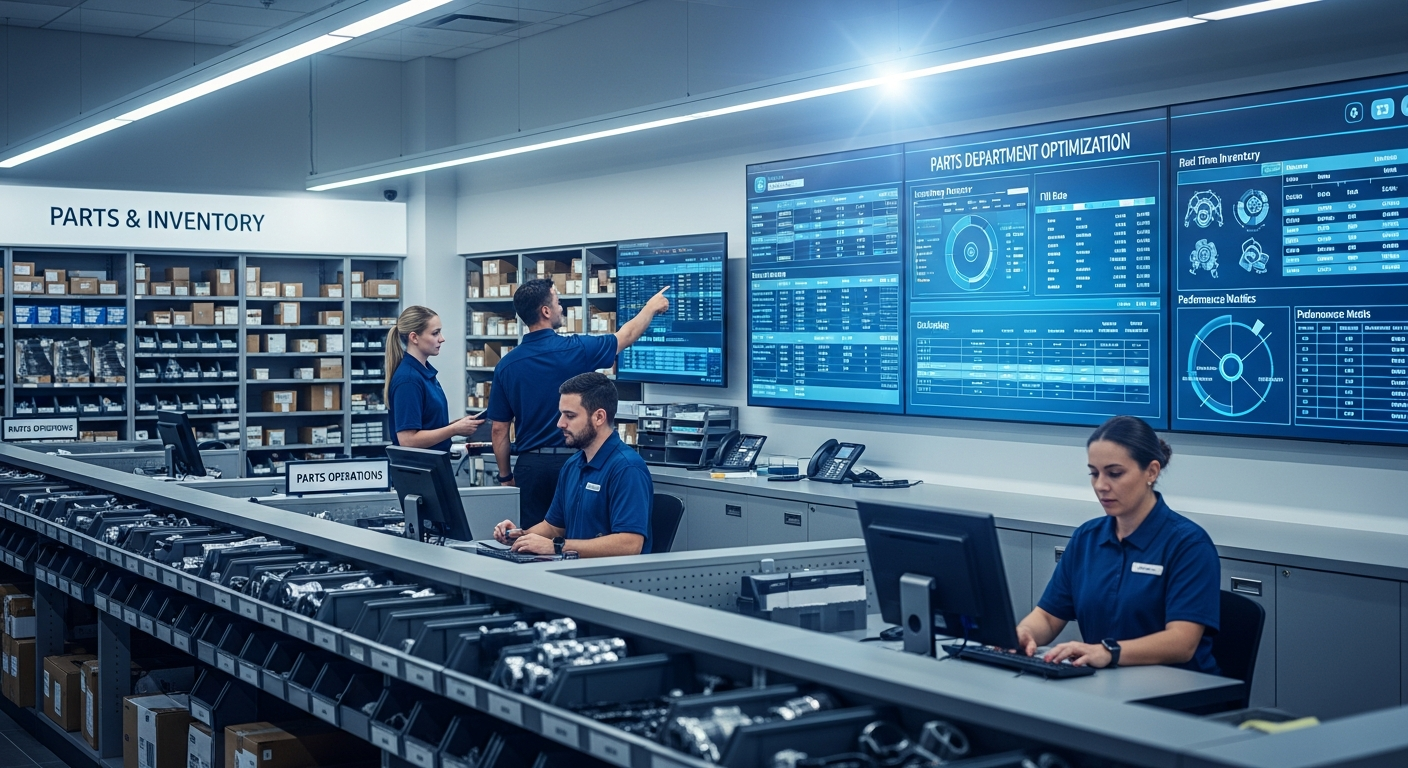
The automotive service industry is under immense pressure to deliver quick and efficient service, yet parts departments often face obstacles that hinder their ability to support this goal. A significant challenge is maintaining an optimal inventory level that balances availability with cost. The traditional approach of overstocking to avoid parts shortages can lead to increased obsolescence and capital being tied up in dead stock.
Moreover, the dynamic nature of automotive technology means that parts departments must constantly adapt to new models and components. With the average vehicle age increasing, dealerships are tasked with servicing a diverse range of vehicles, each requiring a unique set of parts. This complexity is compounded by the need to accurately forecast demand, a task made even more difficult when every missed part sale could result in a lost service opportunity.
The impact of these inventory challenges is not just financial. A low first-time fill rate can lead to delayed repairs, frustrated technicians, and dissatisfied customers. According to recent studies, 12% of vehicle repairs aren't completed on the first visit, with parts unavailability cited as a factor in 28% of those cases. This directly affects customer satisfaction and loyalty, as clients are more likely to turn to independent repair shops that promise faster turnaround times.
Addressing these challenges requires a strategic overhaul of parts department operations. It's not just about having the right parts but having them when and where they're needed most. The goal is to achieve a 90%+ first-time fill rate, aligning with NADA best-practice targets.
Related Topics
Ready to take your service department to the next level?
Schedule your demo today and experience the power of Auto Pro Solutions.
Schedule Demo