The Parts Puzzle: Building a Seamless Back-End Engine for Dealership Dynamism
Understanding the Challenge
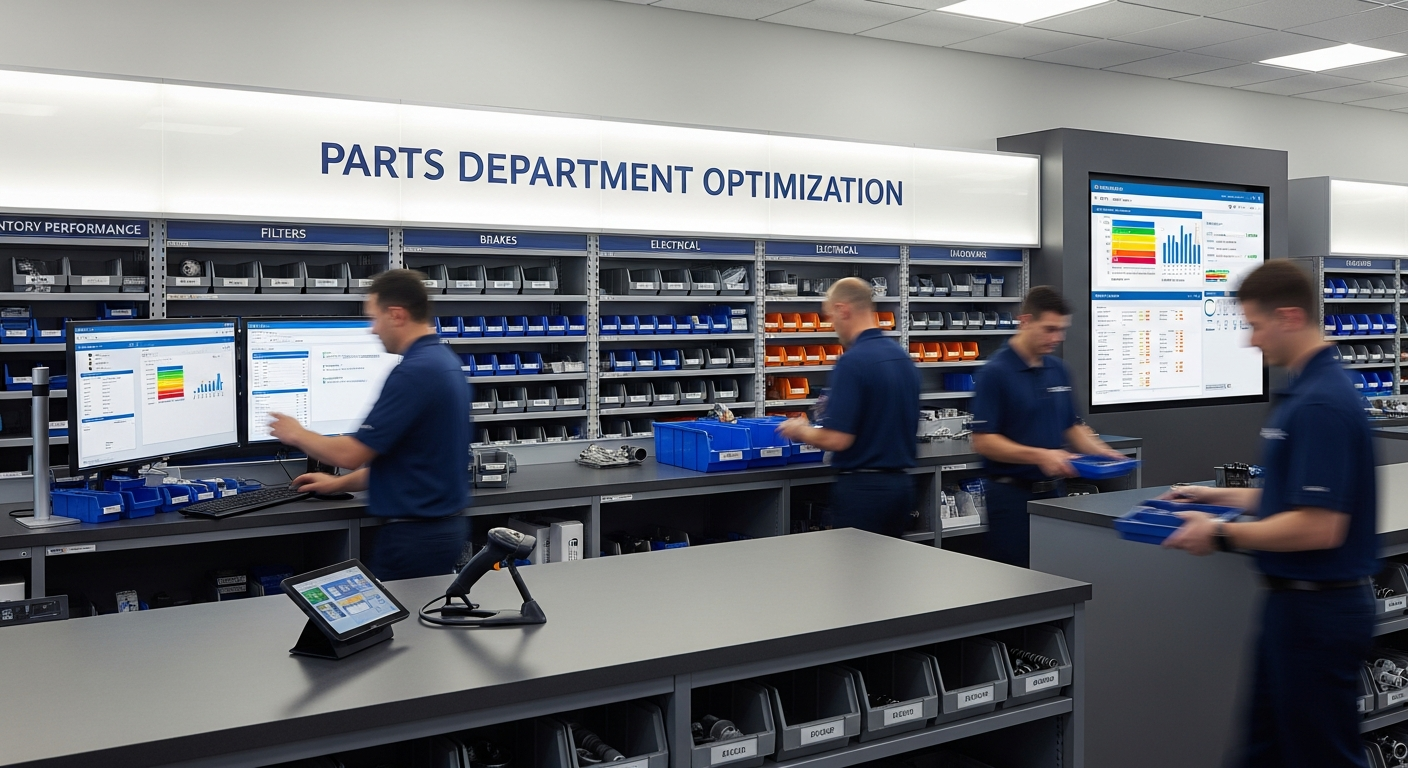
Parts departments are often the unsung heroes of a dealership, yet they face numerous challenges that can hinder performance. Inventory management is a critical issue, with the balance between maintaining a high first-time fill rate and controlling parts obsolescence being particularly tricky. A high first-time fill rate ensures that technicians have the parts they need to complete repairs promptly, enhancing customer satisfaction and boosting service department throughput.
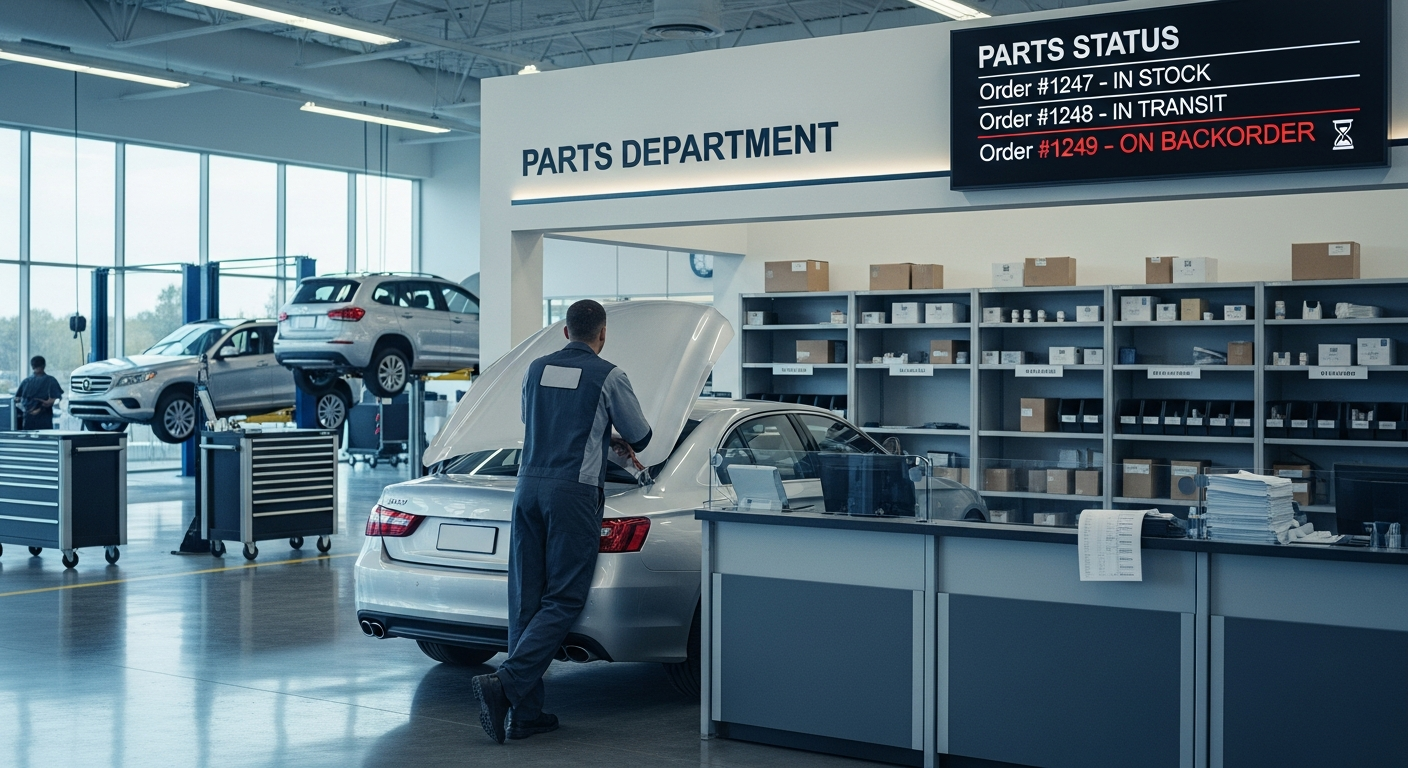
However, without careful management, the quest for high fill rates can lead to an increase in obsolete inventory—parts that sit unsold for extended periods. This ties up capital that could be better utilized elsewhere and can inflate costs if not addressed. Dealerships also face challenges in technician bay utilization, where delays in parts availability can lead to longer cycle times and reduced productivity.
Moreover, the rise in parts price inflation, driven by tariffs and supply chain disruptions, further exacerbates the pressure on margins. Without effective pricing and sourcing strategies, these costs can erode customer satisfaction index (CSI) scores and strain wholesale relationships.
A cohesive strategy is necessary to address these issues, one that considers the unique challenges of inventory management, upsell opportunities, and the integration of technology to improve efficiency and profitability.
Current Industry Landscape

The automotive parts industry is undergoing a transformation, driven by shifts in consumer behavior, technological advancements, and regulatory changes. Dealerships face increased competition from independent repair shops, with a 12% loss in service visits since 2018. Consumers expect faster service and are less likely to return to dealerships if their expectations aren't met.
The average age of vehicles on the road has reached 12.8 years, which means there's a growing demand for maintenance and replacement parts. This presents both an opportunity and a challenge for parts departments, as they must cater to a diverse range of vehicles and part needs.
Technological advancements, such as AI service scheduling and data access compliance under Right to Repair laws, are reshaping how dealerships manage parts inventories and customer interactions. These tools offer opportunities to enhance efficiency and accuracy in parts management.
Understanding these market dynamics is crucial for parts departments aiming to stay competitive and capitalize on emerging trends.
Related Topics
Ready to take your service department to the next level?
Schedule your demo today and experience the power of Auto Pro Solutions.
Schedule Demo