The Leadership Garage: Forging the Path to Future-Proof Fixed Ops Excellence
Understanding the Challenge
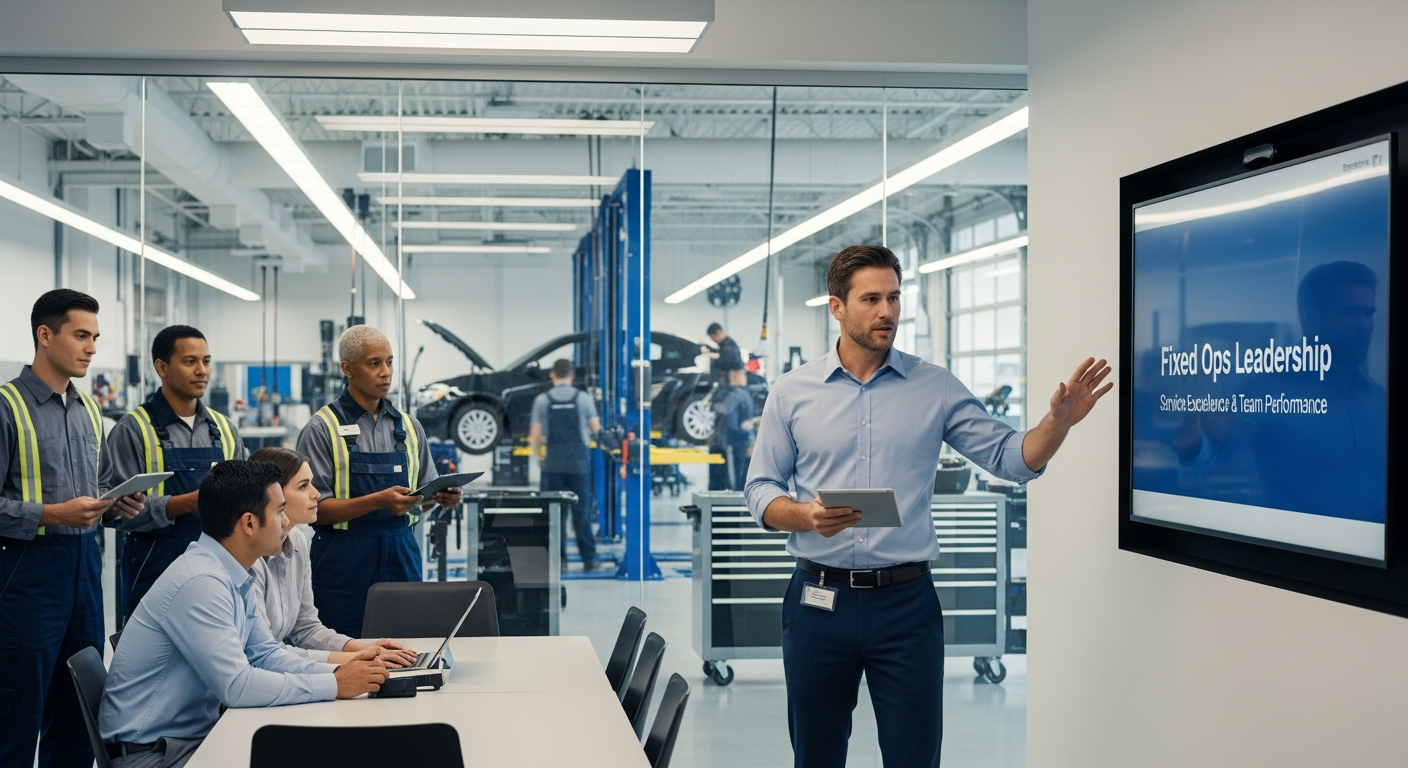
In today’s competitive environment, service departments face multiple challenges ranging from technician shortages to customer defection. The technician pipeline is under severe pressure, with many shops struggling to maintain staffing levels that meet demand. This shortage directly impacts service scheduling effectiveness, often pushing days-to-next-available appointments beyond the acceptable range. Studies show appointment wait times are elevated, highlighting inefficiencies in current processes. Additionally, dealerships must contend with a growing defection rate post-warranty, as customers seek out independent service providers. This erosion of loyalty is compounded by communication gaps and missed upselling opportunities, further impacting profitability.
Current Industry Landscape
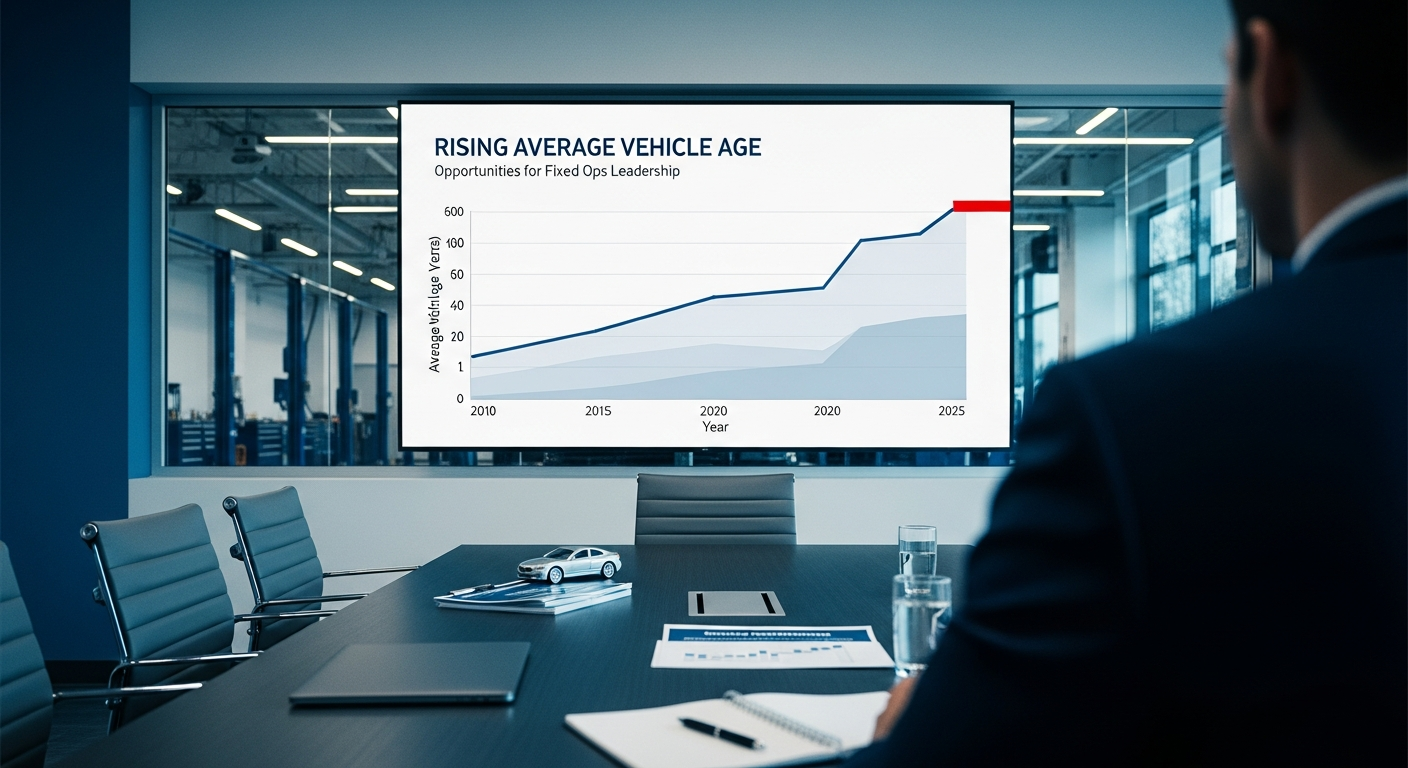
The automotive service industry is undergoing a transformation driven by technological advancements and shifting consumer expectations. Dealerships wrote over 270 million repair orders in 2024, with service and parts sales topping $156 billion. Despite this, fixed ops only accounted for 13.2% of dealership sales, indicating room for improvement. The age of the average U.S. light vehicle has risen to 12.8 years, creating opportunities for maintenance and repair work. However, dealerships have lost 12% of service visits to independents, a trend fueled by transparency and digital convenience offered by competitors. The rising age of vehicles and increased fleet size, now at 289 million, further emphasize the need for efficient service operations.
The Solution Framework
Effective fixed ops leadership requires a multifaceted approach that leverages technology, optimizes workflows, and enhances team capabilities. Auto Pro Solutions empowers service leaders with tools and insights to drive performance. By integrating advanced tools like AI call handling, video/digital MPI, and drive-thru AI inspections, dealerships can streamline operations and improve customer satisfaction. These technologies not only enhance efficiency but also provide opportunities for same-day upsells and improved communication. Leadership must focus on building a culture of accountability and continuous improvement, ensuring that team members are equipped with the skills and resources needed to succeed.
Implementation Guide
To implement a successful fixed ops strategy, service managers must begin by assessing their current operations and identifying areas for improvement. Start with a thorough analysis of appointment backlogs and communication gaps. Implement AI tools like STELLA Automotive AI for 24/7 call capture and capacity-aware scheduling. This can significantly reduce days-to-next-available appointments without adding bays or headcount. Additionally, integrating tools like UVeye drive-thru AI inspections can enhance service lane sourcing and efficiency. It’s crucial to ensure that all team members are trained on new technologies and processes, with clear communication of goals and expectations.
Measuring Success
Measuring the success of your fixed ops strategy is essential to ensure continuous improvement and alignment with business goals. Key performance indicators (KPIs) such as days-to-next-available appointment, effective labor rate (ELR), and customer satisfaction index (CSI) should be closely monitored. Dealerships should aim for days-to-next-available appointments to be less than three days, with a focus on maintaining high authorization rates and customer satisfaction. By tracking these metrics, service leaders can identify areas for improvement and make data-driven decisions to enhance operations.
Advanced Strategies
Once the foundational strategies are in place, service leaders can explore advanced tactics to further optimize operations. This includes refining the MPI-to-authorization funnel to reduce drop-offs and implementing dynamic scheduling rules to balance workload and minimize lead times. Embracing cybersecurity measures is critical, as cyberattacks on auto dealers have remained high, posing a risk to sensitive customer and operational data. Leaders should also explore cross-department alignment to ensure cohesive efforts between service, parts, sales, and marketing teams, driving retention and efficiency.
Related Topics
Ready to take your service department to the next level?
Schedule your demo today and experience the power of Auto Pro Solutions.
Schedule Demo