The Customer Journey: Shifting Gears Towards Exceptional Service Experiences
Understanding the Challenge
In today's automotive service departments, the gap between customer expectations and actual experiences is widening. With service loyalty eroding—only 54% of car owners return to the selling dealer for service—a critical evaluation of existing processes is necessary.
Several factors contribute to this disconnect, including long appointment lead times, inadequate communication, and lack of transparency in pricing. Customers are increasingly frustrated with the traditional service model, which often feels outdated in a digital-first world.
Consider the impact of a 5-day average lead time for service appointments. Not only does this inconvenience customers, it also opens the door for competitors to swoop in with faster, more efficient alternatives. Moreover, the technician shortage exacerbates these issues, limiting throughput and delaying repairs.
It's essential to understand that these challenges are not insurmountable. With the right tools and strategies, service departments can transform these pain points into opportunities for improved customer experience and loyalty.
Current Industry Landscape
The automotive service industry is undergoing rapid transformation, driven by technological advancements and shifting consumer preferences. With the integration of AI-enabled tools and digital platforms, service departments have the opportunity to redefine their customer engagement strategies.
Recent developments, such as the introduction of UpdatePromise Harmony AI and Tekion AI Agent for Service, are making it easier for dealerships to automate communications and provide personalized service recommendations effectively.
Furthermore, the adoption of video MPIs and digital approvals is significantly enhancing transparency, with studies showing nearly double the acceptance rate for additional work when these technologies are employed.
Dealerships that embrace these innovations are not only improving operational efficiency but also fostering stronger relationships with their customers, ultimately leading to increased loyalty and higher retention rates.
The Solution Framework
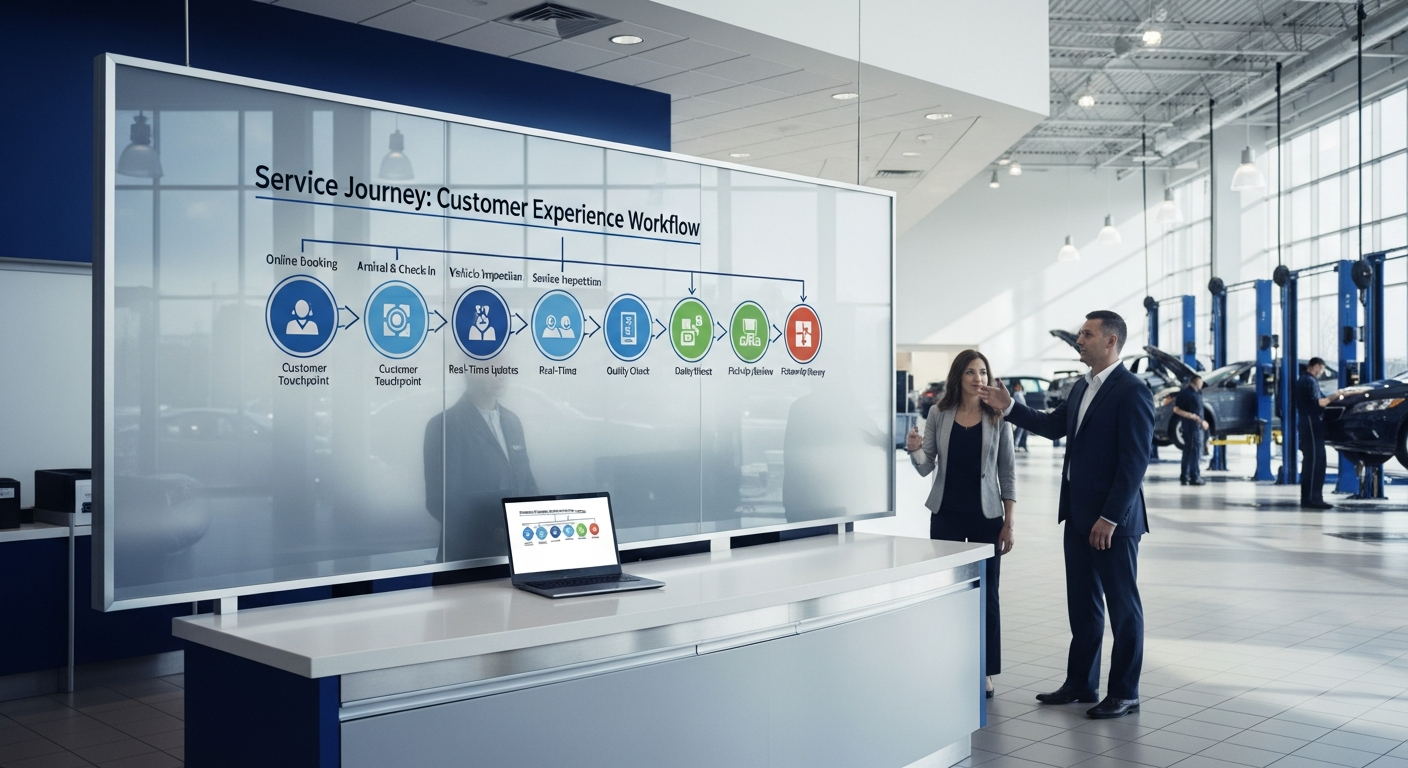
To bridge the gap between customer expectations and dealership realities, a comprehensive, customer-centric service model is essential. This model should prioritize convenience, transparency, and proactive communication.
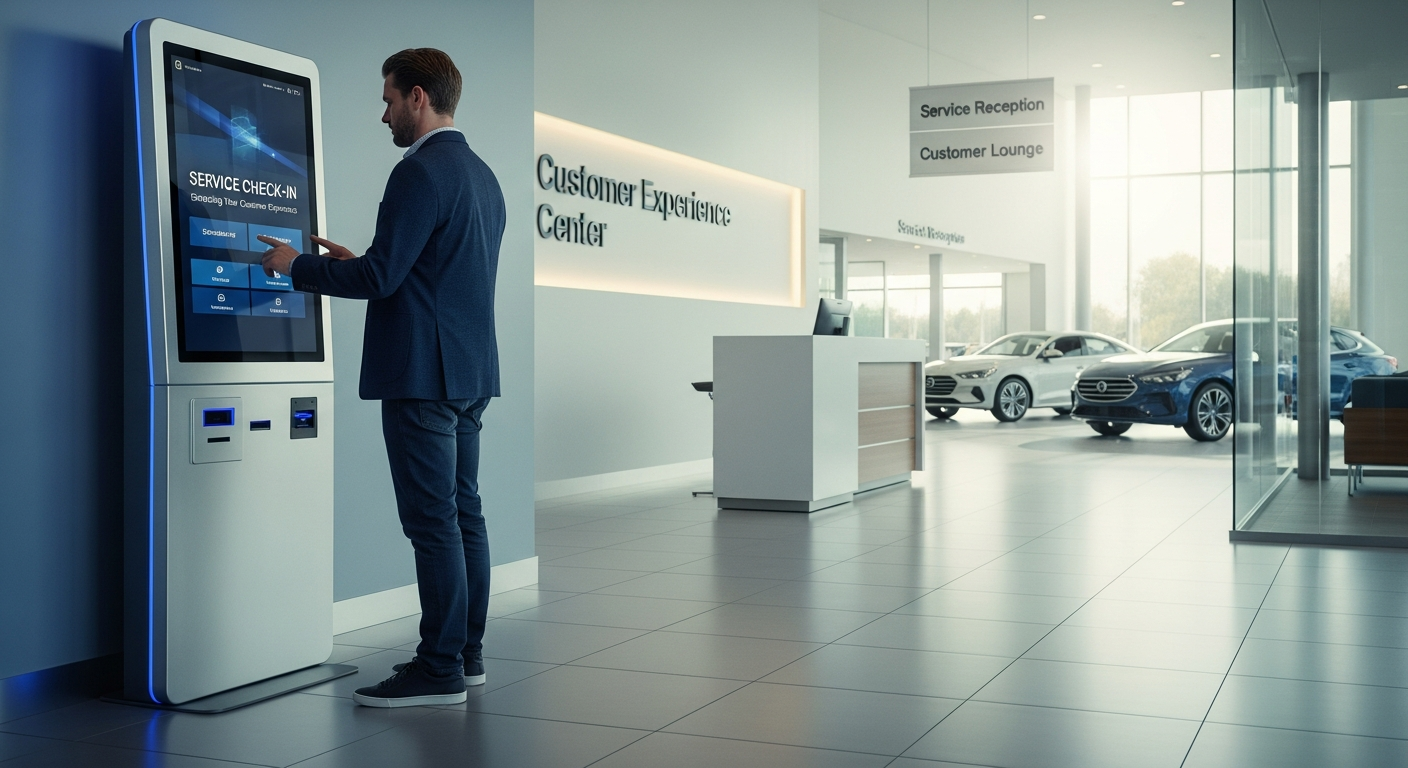
Key components of this framework include implementing AI service advisors to handle routine inquiries and status updates, thereby freeing up human advisors to focus on more complex interactions.
Video MPIs offer a transparent view of vehicle health, enabling customers to make informed decisions about additional services. By incorporating digital service scheduling, dealerships can streamline the booking process, reducing lead times and enhancing customer satisfaction.
Service financing options, like BNPL (Buy Now, Pay Later), can also be integrated to provide flexible payment solutions, improving customer retention and increasing dollars per repair order.
Implementation Guide
Implementing a customer-centric service model requires a strategic approach that considers current operational capacities and customer needs. Start by auditing your existing processes to identify areas for improvement.
Next, invest in training for your staff to ensure they are comfortable with new technologies and processes. This training is crucial for maximizing the benefits of AI tools and digital platforms.
Establish clear metrics for success, such as reducing appointment lead times to under three days and improving first-time fix rates. These benchmarks will guide your implementation strategy and help measure progress.
Consider pilot testing new technologies and procedures in one area of the service department before a full-scale rollout. This approach allows for adjustments and optimizations based on real-world feedback.
Measuring Success
Once new processes and technologies are in place, it's crucial to measure their impact on customer satisfaction and service department performance. This involves tracking key performance indicators (KPIs) such as appointment lead times, first-time fix rates, and customer satisfaction scores.
Digital tools like Tekion AI and UpdatePromise Harmony AI offer built-in analytics capabilities, providing valuable insights into service operations and customer interactions.
Evaluating these metrics regularly will help identify areas for further improvement and ensure that the implemented changes are delivering the expected results.
Success in enhancing customer experience not only reflects in improved KPIs but also in increased customer retention and loyalty, ultimately driving higher revenues for the dealership.
Advanced Strategies
After successfully implementing initial changes, the next step is to optimize and scale these innovations across the service department. This involves continuously refining processes, embracing new technologies, and expanding successful strategies to other areas.
Consider integrating advanced AI tools for predictive maintenance, which can further enhance first-time fix rates by anticipating vehicle issues before they arise.
Additionally, expanding mobile service and valet options can cater to customers seeking ultimate convenience, improving retention and broadening your service reach.
Regularly revisiting customer feedback and industry trends will keep your service department at the forefront of innovation, ensuring it remains competitive in a rapidly evolving market.
Related Topics
Ready to take your service department to the next level?
Schedule your demo today and experience the power of Auto Pro Solutions.
Schedule Demo