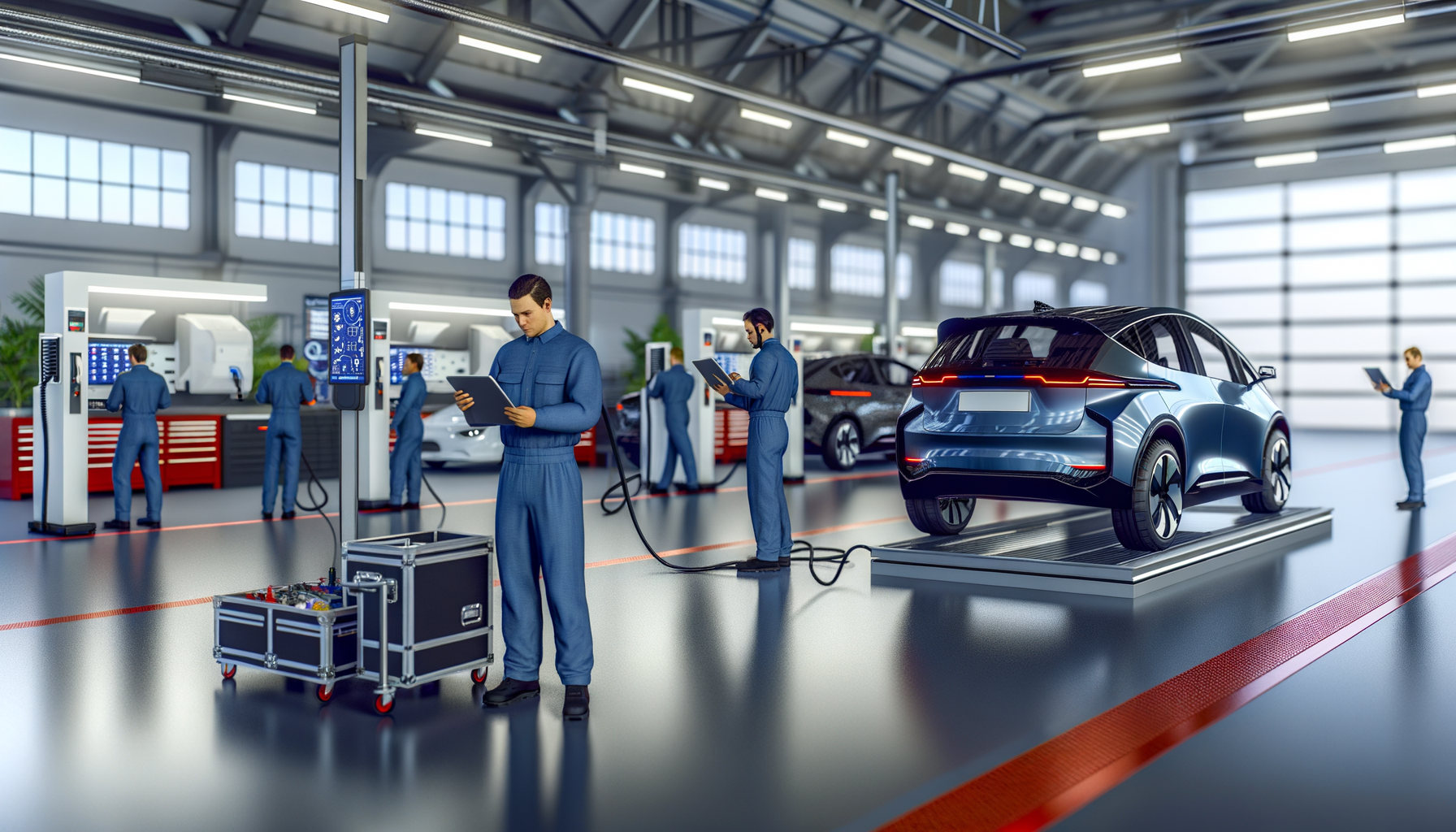
In today's rapidly evolving automotive landscape, service departments are under constant pressure to improve efficiency, cut costs, and enhance customer satisfaction. With the 2025 automotive service horizon presenting new challenges and opportunities—from EV integration to advanced process automation—understanding and optimizing service department workflows is more critical than ever. This comprehensive playbook offers service managers and fixed ops directors strategic insights and actionable steps to streamline their operations and stay ahead of the curve.
Understanding the Modern Service Department Landscape
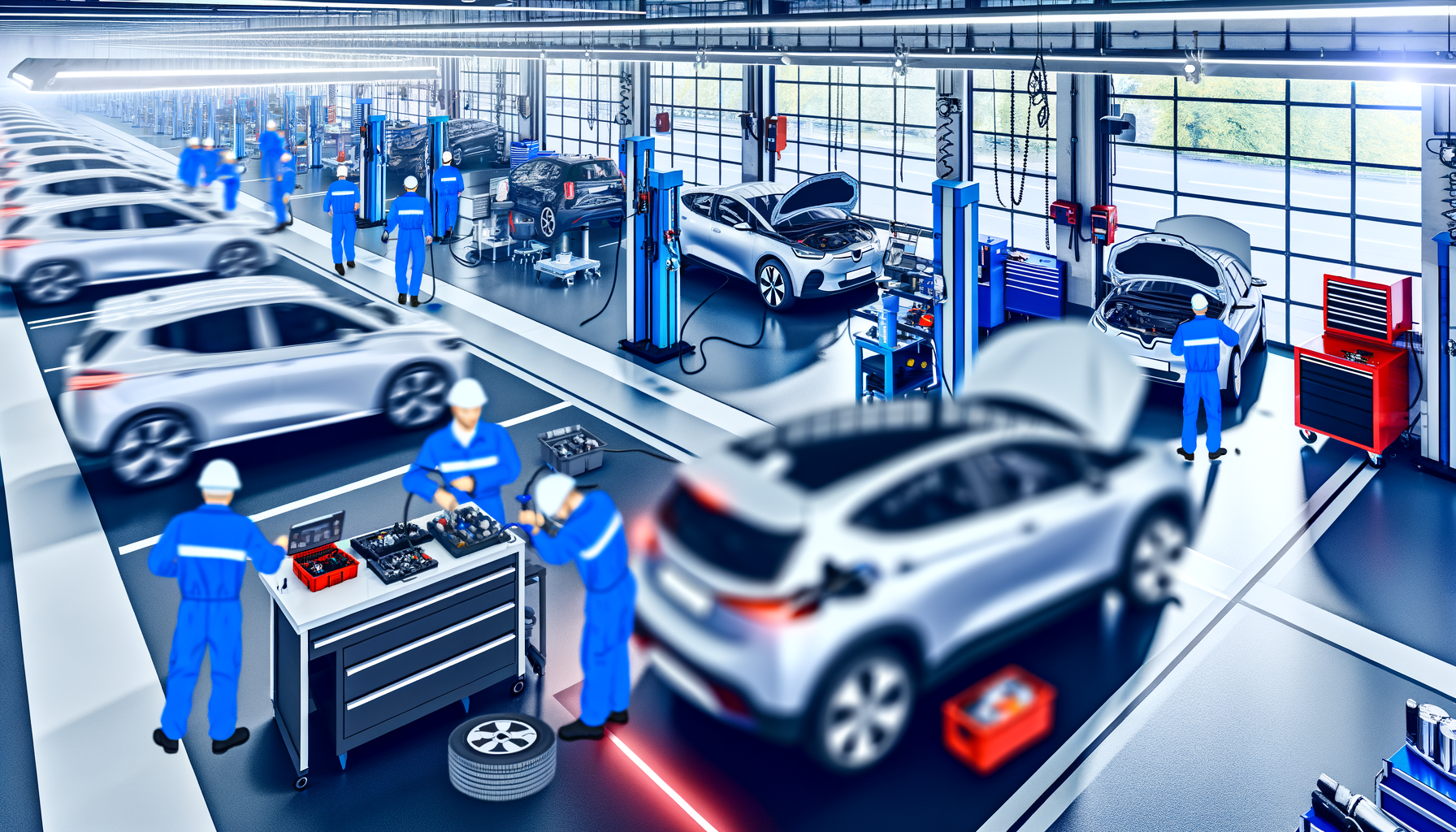
In 2025, the service department is more than just a repair hub; it's a strategic asset driving customer loyalty and dealership profitability. With EV-related repairs growing by 15%, and new OEM training requirements on the rise, dealerships must adapt swiftly. Service departments are facing increased pressure to integrate new technologies while managing traditional combustion engine vehicles. This balancing act demands a strategic overhaul of service practices and workflows. Begin by conducting a comprehensive audit of current processes. Identify bottlenecks using performance metrics like average repair time and customer satisfaction scores, then prioritize areas for improvement.
"Efficiency in service departments is not just about speed; it's about precision and proactive problem-solving." - Jamie Reynolds, Auto Industry Analyst
Leveraging Data and Analytics for Peak Efficiency
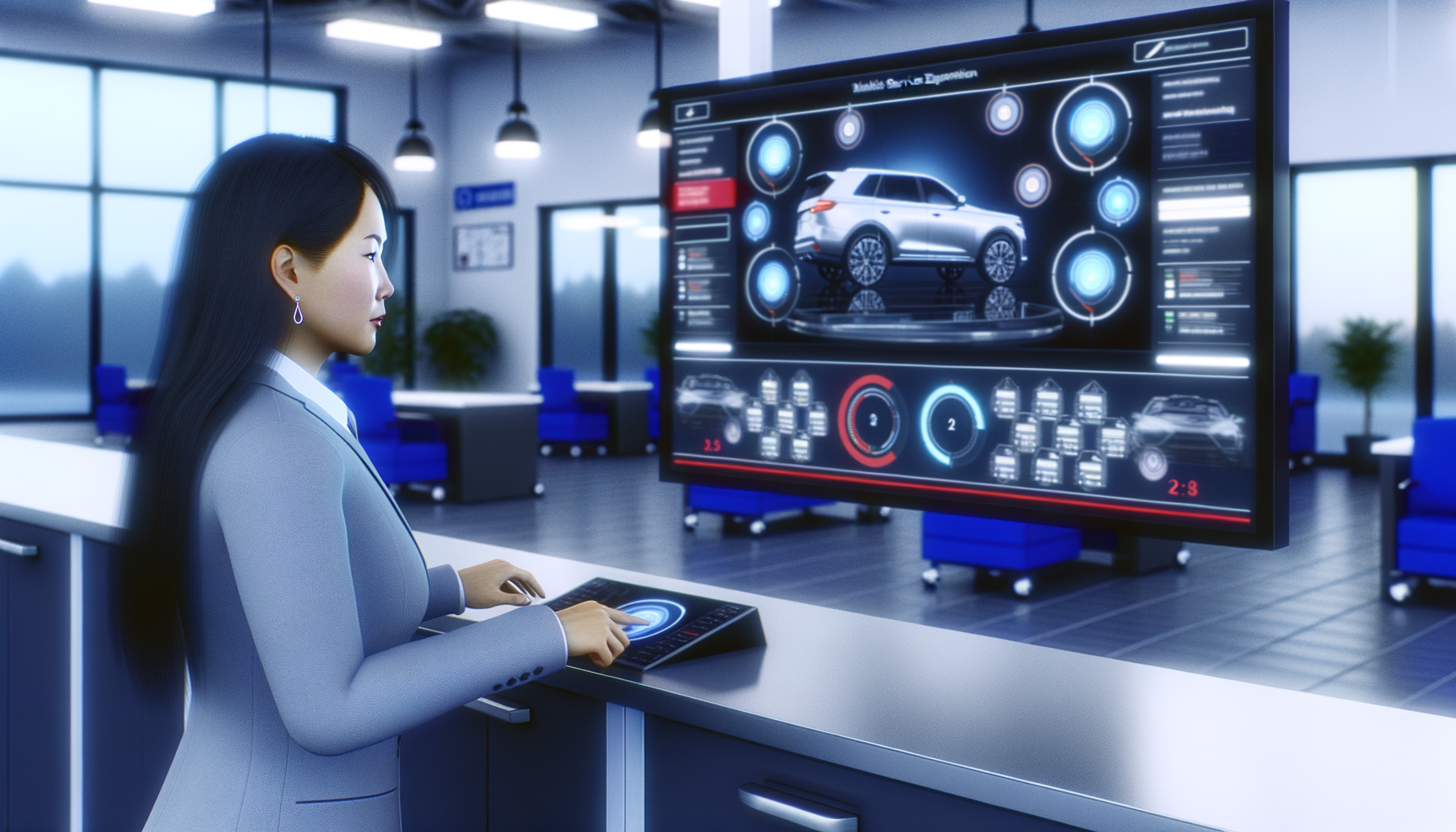
Data is the new oil in service departments, driving informed decision-making and operational enhancements. With service department efficiency analytics, you can identify patterns and areas needing attention. Implement systems that track key performance indicators (KPIs) such as first-time fix rate and technician efficiency. Use these insights to refine processes and predict potential disruptions. Steps for implementation include selecting the right software platforms that integrate seamlessly with existing systems, such as Auto Pro Solutions, which offers real-time analytics and predictive maintenance alerts.
1. Identify critical KPIs; 2. Choose a robust analytics platform; 3. Train staff on data interpretation; 4. Regularly review and adjust strategies based on insights.
Implementing Advanced Process Automation
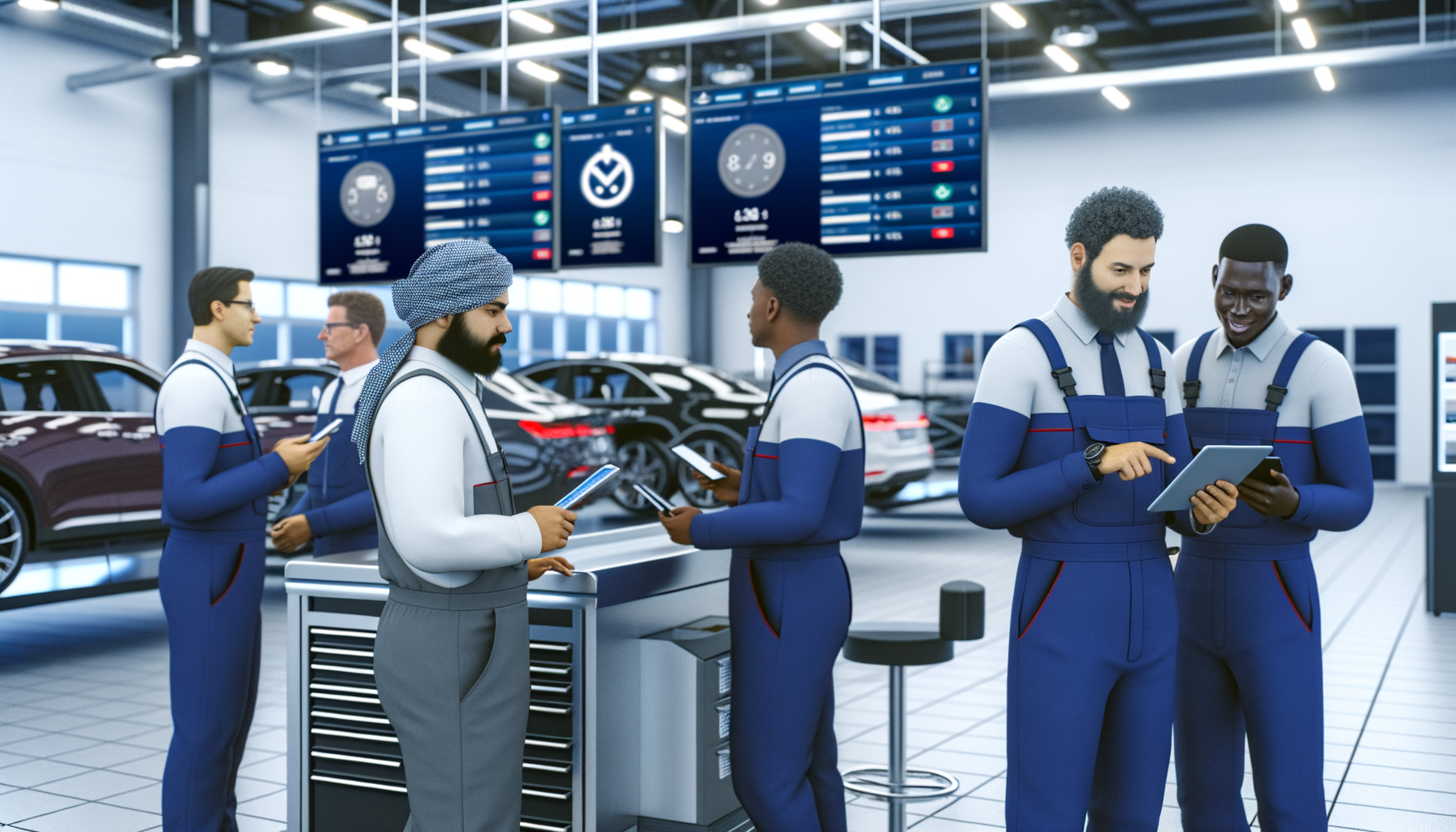
Automation is transforming service department workflows, reducing manual errors, and speeding up operations. From scheduling to parts ordering, automation offers significant time savings. Consider automating routine tasks such as appointment scheduling, which 68% of customers now prefer to do digitally. Use technology to streamline communication between departments and with customers. Implementing automation begins with mapping out repetitive tasks, selecting appropriate software tools, and training staff to adapt to new systems. Gradual implementation ensures minimal disruption.
| Task | Traditional Time | Automated Time | |-------|------------------|----------------| | Scheduling | 5 mins/customer | 1 min/customer | | Parts Ordering | 30 mins/order | 5 mins/order |
Optimizing Service Bay Utilization

Service bay efficiency is pivotal to maximizing throughput and minimizing wait times. Effective scheduling and resource allocation can significantly enhance bay utilization. Use predictive analytics to forecast demand and allocate bays accordingly. This helps in balancing peak hours and avoiding bottlenecks. Steps include analyzing historical data to understand peak service times, training staff to manage high-load periods efficiently, and ensuring preventive maintenance of equipment to avoid downtime.
1. Forecast demand with historical data; 2. Allocate bays based on service type; 3. Ensure regular equipment maintenance; 4. Adjust staffing levels to match demand.
Enhancing Customer Experience with Technology

Customer satisfaction is closely tied to the service experience. Advanced technology now enables seamless interactions, from digital check-ins to real-time updates. Incorporate tools that offer real-time service updates and feedback opportunities, ensuring transparency and building trust with customers. Implement solutions like digital kiosks for check-ins, mobile apps for tracking service progress, and automated feedback systems post-service to capture customer sentiments.
Digital solutions enhance customer satisfaction by reducing wait times and providing transparency throughout the service process.
Managing Parts and Inventory Challenges

Ongoing parts shortages continue to impact dealership service operations, requiring innovative inventory management strategies. Develop relationships with multiple suppliers to ensure parts availability and consider just-in-time inventory systems to minimize excess stock. Create a parts management strategy that includes regular audits, establishing reorder points, and using software like Auto Pro Solutions for inventory tracking.
1. Build supplier networks; 2. Use just-in-time inventory; 3. Regular inventory audits; 4. Set and monitor reorder points.
Building a Skilled and Motivated Team
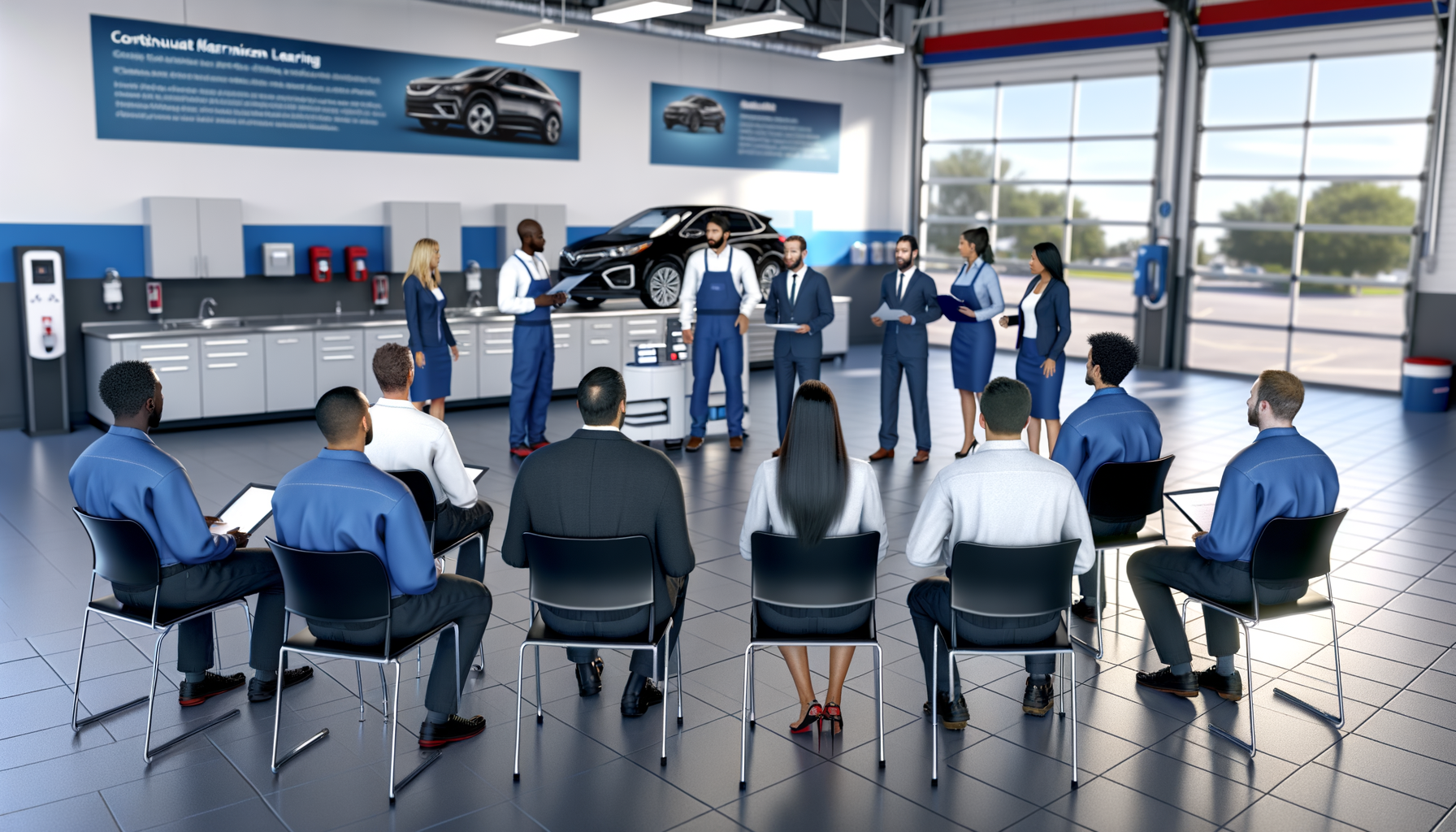
Employee turnover and skill gaps are major challenges. Developing a motivated and skilled workforce is essential for department efficiency. Invest in continuous training programs, particularly in new technologies and EV-specific repairs, to keep your team at the forefront of the industry. Steps include identifying skill gaps, developing a training calendar, and offering incentives for skill acquisition. Foster a culture of continuous improvement and recognition.
"A skilled team is your greatest asset in the race towards efficiency and customer satisfaction in 2025." - Laura Kim, Fixed Operations Consultant
Questions managers ask
What are the best tools for service department efficiency?
The best tools for service department efficiency include predictive analytics platforms, automated scheduling systems, and real-time inventory management software. These tools streamline operations, reduce wait times, and enhance overall service quality.
How can dealerships reduce service department wait times?
Dealerships can reduce wait times by optimizing service bay utilization, implementing advanced scheduling software, and training staff to manage peak hours efficiently. Predictive analytics help anticipate demand and streamline operations.
What to do with this
By strategically leveraging technology, process automation, and data analytics, dealerships can significantly enhance service department efficiency, improving customer satisfaction and profitability. Service managers should prioritize adopting predictive analytics, automating routine processes, and investing in staff training to maintain a competitive edge in 2025. Auto Pro Solutions offers integrated tools that can help service departments streamline operations with real-time analytics and automated workflow management.
Related topics
More for service managers
Turbocharge Your Service Bay: Harnessing Innovative Practices for Maximum Efficiency
In today's fast-evolving automotive landscape, dealership service departments are under immense pressure to boost efficiency while maintaining high standards of customer…
Mastering Service Department Efficiency: Unlock the Secrets to Streamlined Operations in 2025
In an era where customer expectations are soaring and technology is advancing at breakneck speeds, automotive dealerships face mounting pressure to streamline their service…
Circuit Savvy: Electrifying Your Service Department’s Performance Metrics
In today's competitive automotive industry, dealership service departments face mounting pressures to increase efficiency and profitability while maintaining high customer…