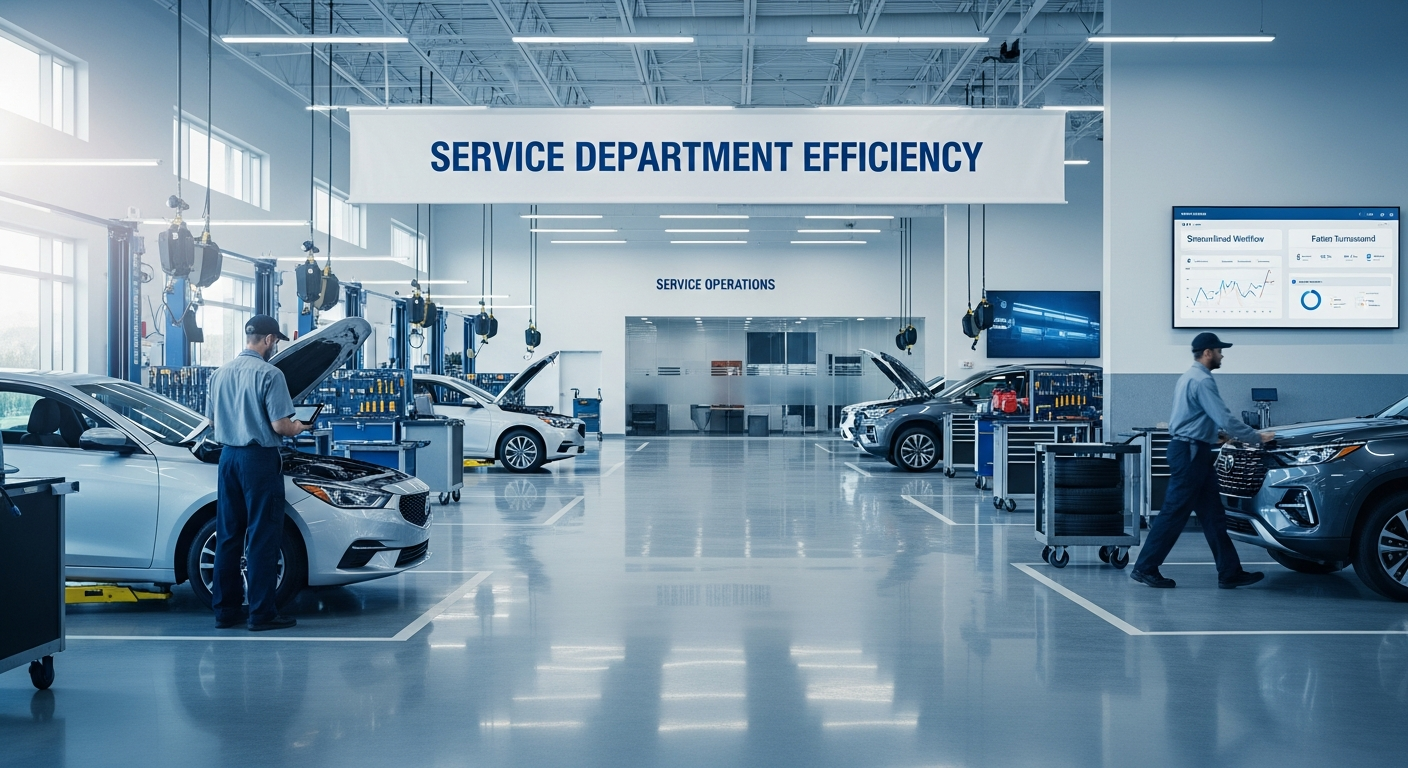
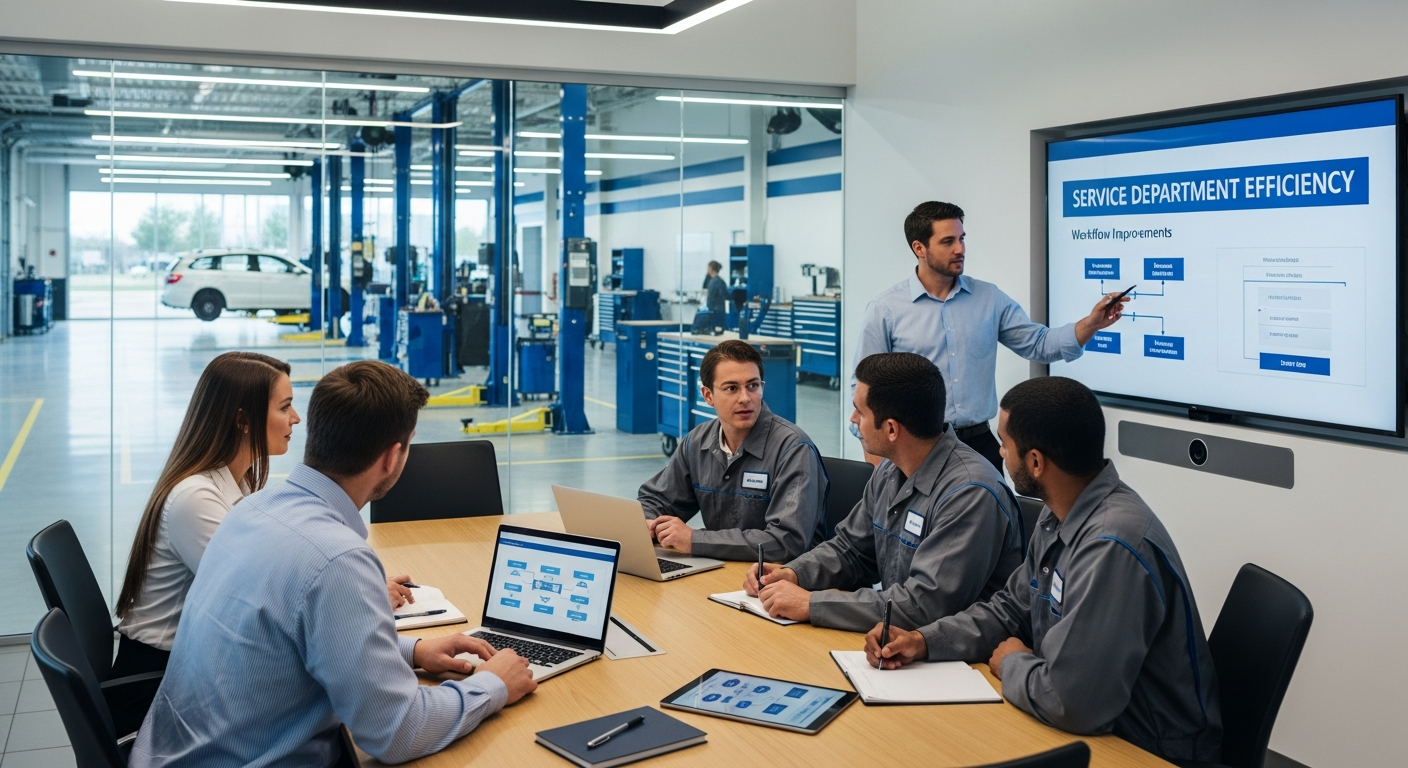
Imagine a bustling automotive service department where the phones are ringing, customers are waiting, and technicians are hustling to keep up with a seemingly never-ending queue of vehicles. It's a familiar scene, and one that many service managers know all too well. Yet, despite the effort and dedication, inefficiencies still lurk in the shadows, causing customer wait times to balloon, technicians to become frustrated, and opportunities to slip through the cracks. It's a problem that eats into profitability and can tarnish the reputation of even the most well-intentioned dealerships. But there's a solution on the horizon that promises to not only tackle these challenges head-on but also transform the way service departments operate. By embracing intelligent scheduling and workflow automation, dealerships can streamline operations, reduce appointment lead times, and create a more harmonious and profitable environment. In this comprehensive guide, we'll explore the current landscape of service department efficiency, delve into the specific challenges that need addressing, and uncover a strategic pathway to cutting wait times under three days within a 60-90 day window. We'll navigate the intricacies of staffing, capacity management, and AI-assisted booking, illustrating how these levers can revolutionize your service operations. Whether you're grappling with the onboarding of automated inspection systems or seeking to enhance technician productivity without compromising quality, this guide offers actionable insights and proven strategies. Prepare to transform your service department into a powerhouse of efficiency, capable of delivering exceptional customer experiences and robust financial returns.
Understanding the Challenge: Why Inefficiency Persists
Despite technological advancements, many service departments continue to grapple with inefficiencies that extend customer wait times and frustrate technicians. It's not just about having enough people or space; it's about how those resources are utilized. For instance, poor scheduling practices can lead to overbooked days and underutilized times, creating bottlenecks at peak hours.
Consider the current average appointment wait time of 5.2 days for mass market and 5.4 days for premium brands in 2024. This figure underscores the pressing need for a more dynamic scheduling system that can adapt to real-time demands.
Moreover, outdated dispatch models often fail to leverage technicians' unique skills, leading to mismatches that reduce the first-time fix rate (FTFR) and hurt customer satisfaction.
A lack of integrated systems further compounds these issues. Without seamless communication between scheduling, inspection, and parts departments, even the most straightforward repairs can become drawn-out affairs.
Clearly, tackling inefficiency requires a comprehensive understanding of these underlying challenges and a willingness to embrace new methodologies.