Unlocking Service Advisor Excellence: The Essential Playbook for Success
Understanding the Challenge
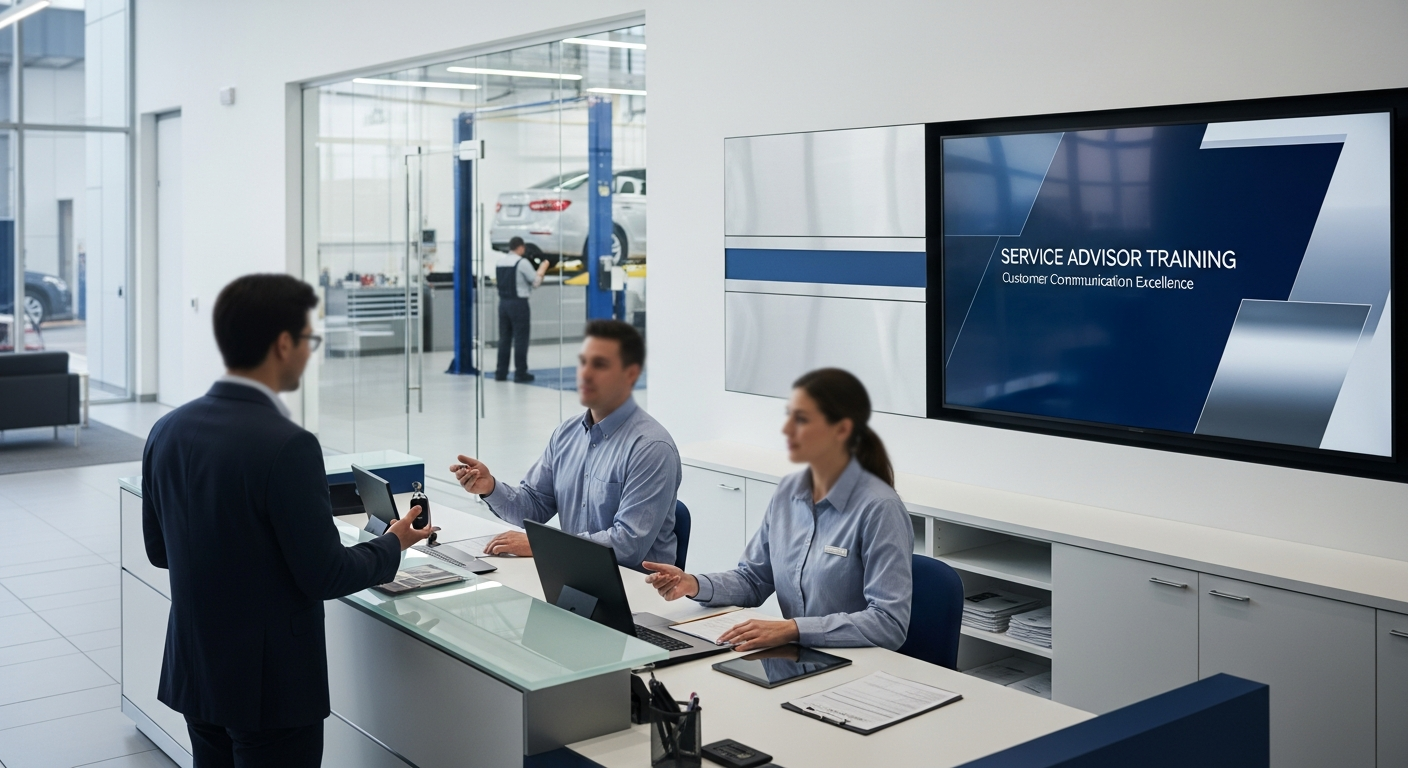
The landscape of automotive service departments has been shifting rapidly. Customers are demanding more transparency and better communication, yet many service departments are struggling to meet these expectations. High turnover rates among service advisors exacerbate these issues, leading to inconsistent customer experiences and dissatisfaction.
One of the main reasons for this turnover is the lack of adequate training and support for service advisors. Many advisors are thrown into their roles without a clear understanding of customer service best practices or the tools available to them. This leads to a reactive, rather than proactive, approach to customer service.
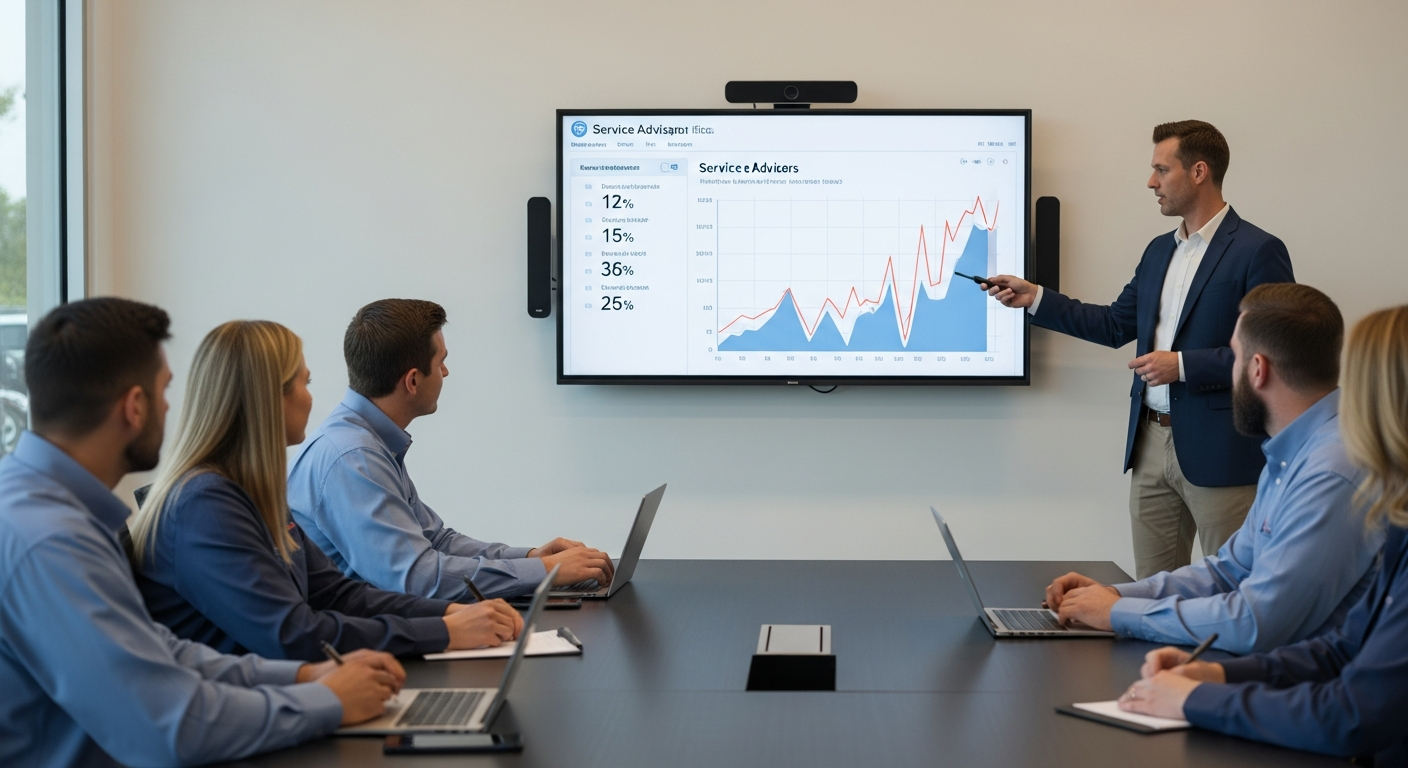
Moreover, advisors often face pressure to upsell services without the proper training on how to do so effectively and ethically. This can lead to customer distrust and a decline in return visits. With dealerships handling 12% fewer service visits than in 2018, it's clear that changes need to be made.
The challenge is not just about training new hires but also about providing ongoing development opportunities for existing staff. Advisors must be equipped with the skills to navigate the complexities of modern automotive service, from understanding advanced vehicle technologies to managing customer expectations.
Current Industry Landscape
The automotive service industry is at a crossroads, with digital transformation paving the way for new opportunities and challenges. The advent of electric vehicles (EVs) and advanced driver-assistance systems (ADAS) presents both a challenge and an opportunity for service departments.
EV service satisfaction trails traditional internal combustion engine (ICE) vehicles significantly, indicating a need for specialized training for advisors. This includes understanding EV-specific maintenance needs, parts availability, and customer education about the unique aspects of EV ownership.
Capacity constraints and long wait times for appointments are major friction points for customers. With the right tools, such as capacity-based scheduling and AI-driven pre-diagnostic interviews, dealerships can optimize their service workflow, reducing bottlenecks and improving customer satisfaction.
Embracing technology like video multi-point inspections (MPI) and service financing options can enhance transparency and build trust with customers. These tools enable advisors to provide clear, visual explanations of repair recommendations and make it easier for customers to approve necessary services.
The Solution Framework
To turn these challenges into opportunities, a comprehensive training framework is essential. This involves equipping service advisors with the skills and tools they need to excel in their roles.
First and foremost, a focus on customer communication is critical. Advisors should be trained to use real-time status texting and video MPIs to keep customers informed and engaged throughout the service process.
Implementing capacity-based scheduling can help manage the flow of service appointments, ensuring that the right technicians are available for the right jobs at the right times. This requires a deep understanding of the shop's capabilities and constraints.
Training should also emphasize the importance of first-time fix rates (FTF). Advisors need to be proficient in identifying potential issues early and coordinating with technicians to ensure that repairs are completed correctly on the first visit.
Implementation Guide
Implementing an effective service advisor training program requires careful planning and execution. Start by assessing the current skills and knowledge gaps within your team.
Develop a structured training program that covers both foundational skills and advanced topics pertinent to your dealership's specific needs. This should include workshops, role-playing exercises, and practical, on-the-job training.
Consider incorporating technology training into your program. Familiarize advisors with tools like Tekion AI Agent for Service or myKaarma's Service Pre-Diag AI, which can improve efficiency and customer service.
Set clear objectives and measurable goals for your training program. Use KPIs such as hours per repair order (HPRO) and effective labor rate (ELR) to track progress and success.
Measuring Success
To ensure your training program is effective, it's crucial to measure its impact through key performance indicators (KPIs). These metrics will provide insight into areas of improvement and highlight successes.
Effective labor rate (ELR) is a critical metric that reflects the profitability of your service department. Training should focus on strategies to increase ELR without compromising customer satisfaction.
Hours per repair order (HPRO) offers insight into the efficiency of your technicians and advisors. A well-trained advisor will optimize repair times, increasing throughput and customer satisfaction.
First-time fix rate (FTF) is another essential KPI. A higher FTF rate indicates that repairs are done correctly on the first visit, reducing comebacks and increasing customer loyalty.
Advanced Strategies
Once your initial training program is in place, consider advanced strategies to further optimize your service advisor team's performance.
Implement a mentorship program where experienced advisors guide newcomers, facilitating knowledge transfer and fostering a culture of continuous improvement.
Utilize advanced analytics to identify trends and areas for improvement. Machine learning algorithms can help predict customer needs and optimize service offerings.
Continuously update your training curriculum to include the latest industry trends and technological advancements, ensuring your advisors remain competitive.
Related Topics
Ready to take your service department to the next level?
Schedule your demo today and experience the power of Auto Pro Solutions.
Schedule Demo