Riding the Waves of Change: Pioneering Leadership in Fixed Ops
Understanding the Challenge
Service departments are often the lifeblood of a dealership's profitability, yet many struggle to achieve optimal performance. The demands are high, with service managers expected to balance customer satisfaction, operational efficiency, and profitability. Unfortunately, many lack the leadership skills and support necessary to drive team performance to new heights.
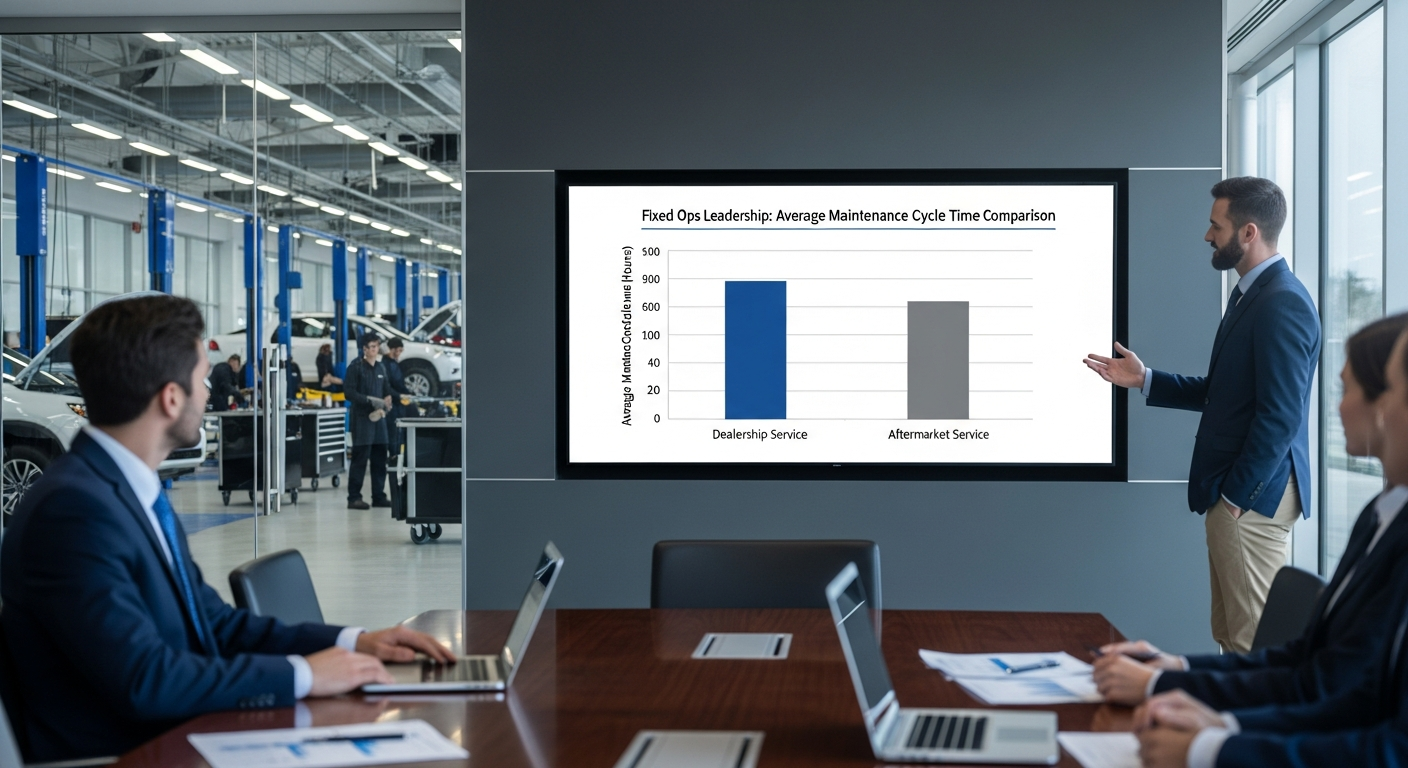
A common issue is the pressure to shorten maintenance visit cycle times. According to the 2026 CSI study, dealer maintenance waits average 1.61 hours for mass-market vehicles and 2.46 hours for premium vehicles, while 62% of aftermarket visits are completed in under an hour. This discrepancy highlights the urgent need for service departments to improve their efficiency without sacrificing quality.
Another challenge is technician recruitment and retention. Skilled technicians are in high demand, and service managers often struggle to build and maintain a team capable of meeting performance targets. This, in turn, impacts key metrics like effective labor rate (ELR) and hours per repair order (HPRO), which are critical to a service department's financial health.
Moreover, the increasing complexity of automotive technology, including EVs and ADAS systems, requires service departments to continuously adapt. This means investing in ongoing staff training and development to ensure technicians are equipped to handle the latest advancements.
Ultimately, the challenge lies in bridging the gap between current service department operations and the performance levels that drive profitability and customer satisfaction. This requires strong leadership and a strategic approach to managing people, processes, and technology.
Current Industry Landscape
The automotive service industry is undergoing a significant transformation, driven by technological advancements and changing consumer expectations. To stay competitive, service departments must understand and adapt to these trends.
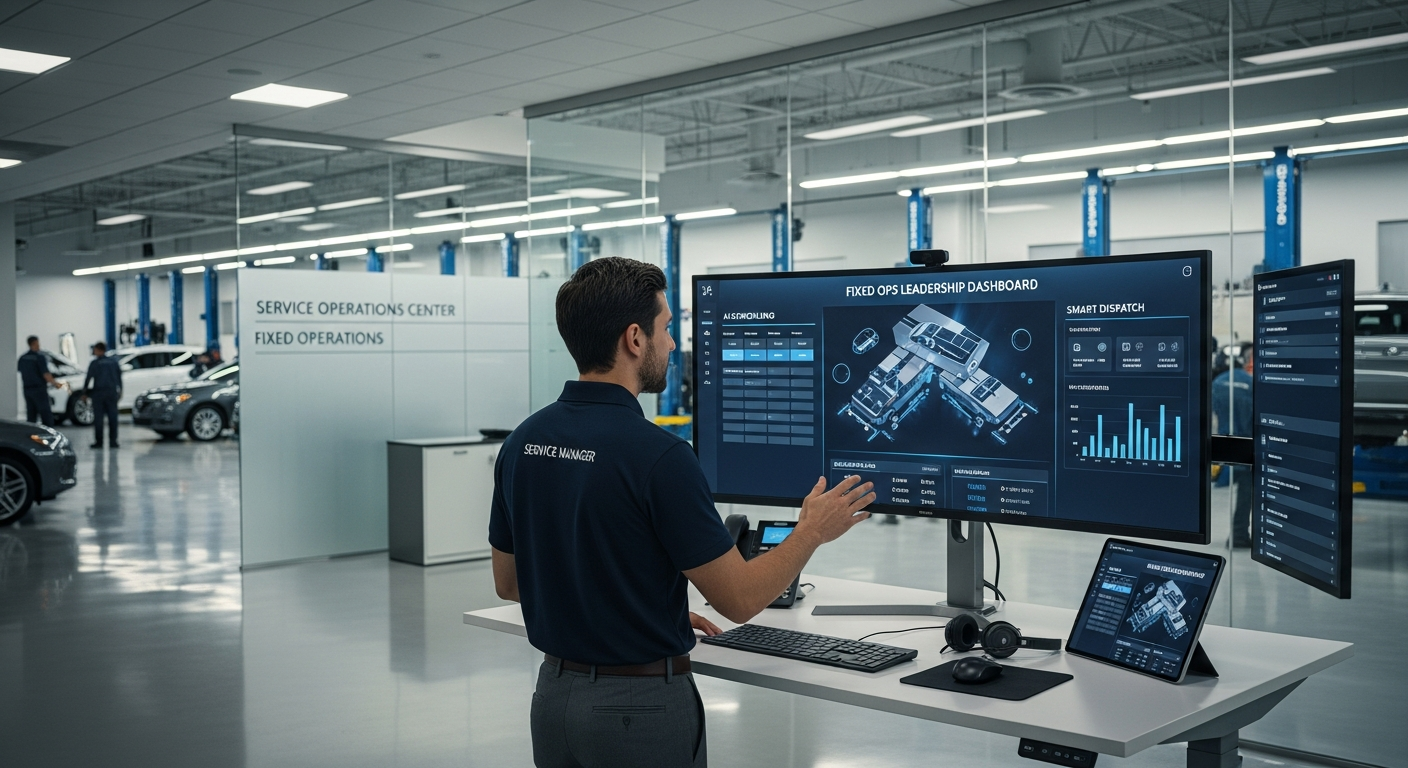
One of the most impactful trends is the adoption of AI-driven tools and technologies. From AI call handling to centralized service BDCs, these innovations are helping service departments reduce missed calls and increase show rates. The implementation of AI-driven scheduling and dispatch systems can optimize technician allocation and improve throughput, directly impacting key performance indicators (KPIs) like ELR and HPRO.
Another trend is the shift towards mobile and valet services. As direct-to-consumer (DTC) models gain popularity, dealerships are exploring ways to offer convenient services that match aftermarket speed and convenience. Implementing a mobile service model requires careful planning around territories, staffing, pricing, and insurance requirements, but it presents a significant opportunity to enhance customer satisfaction and loyalty.
Additionally, the integration of digital tools like video MPIs and photo documentation is transforming the customer experience. These tools provide transparency and build trust, leading to higher customer retention and upsell opportunities.
Finally, the focus on sustainability and the rise of electric vehicles (EVs) are reshaping service operations. Service departments must adapt their workflows and bay allocations to accommodate EV maintenance and ADAS calibrations, ensuring they are equipped to meet future demands.
The Solution Framework
To transform your service department, it's essential to implement a comprehensive framework that addresses leadership, operational efficiency, and customer satisfaction. This begins with strengthening leadership skills and establishing a culture of continuous improvement.
Daily huddles, 1:1 coaching sessions, and gemba walks are powerful tools for engaging your team and driving performance. These leadership behaviors directly impact KPIs like ELR, HPRO, and technician proficiency, leading to improved service department outcomes.
Operational efficiency can be enhanced through strategic scheduling and capacity planning. By setting WIP limits and utilizing capacity-aware appointment rules, you can prevent overscheduling and reduce wait times. This not only improves the customer experience but also boosts profitability by increasing throughput.
Another critical aspect is integrating real-time data across systems. For example, DMS, parts, and scheduling integration enables pre-pick and kitting before check-in, significantly reducing technician idle time and shortening visit durations.
It's also important to establish a robust training and development program to keep your team up-to-date with the latest technologies and best practices. Investing in continuous learning ensures your technicians are well-equipped to handle complex vehicle systems, ultimately improving first-time fix rates and customer satisfaction.
Implementation Guide
Transforming your service operations requires a structured approach and careful planning. Start by conducting a thorough assessment of your current processes and identifying areas for improvement.
Begin with leadership development. Implement regular training sessions and workshops to enhance the skills of your service managers and advisors. Establish a coaching cadence that includes daily huddles and regular one-on-one meetings to foster open communication and accountability.
Next, focus on optimizing your scheduling and capacity management. Use data-driven insights to set appointment limits and smooth out demand peaks, ensuring technicians are allocated efficiently throughout the day.
Integrate your systems to streamline operations. Ensure your DMS, parts, and scheduling systems are interconnected to enable real-time data flow and efficient parts staging. This will help reduce cycle times and improve technician productivity.
Finally, invest in digital tools that enhance the customer experience. Implement video MPIs and photo documentation to provide transparency and build trust with your customers. These tools not only support upsell opportunities but also improve customer satisfaction and retention.
Measuring Success
To gauge the success of your transformation efforts, it's crucial to track and measure key performance indicators (KPIs) that align with your goals. These metrics provide valuable insights into the effectiveness of your strategies and areas for further improvement.
Start with the effective labor rate (ELR) and hours per repair order (HPRO). These metrics are directly linked to profitability and operational efficiency. By optimizing technician throughput and minimizing idle time, you can boost both ELR and HPRO, leading to higher fixed absorption rates.
Customer satisfaction is another critical measure of success. The CSI study highlights the importance of reducing wait times and improving the overall service experience. By shortening maintenance cycle times and enhancing transparency, you can achieve higher CSI scores and customer loyalty.
Technician retention and proficiency are also important indicators of success. A well-trained and motivated team is more likely to achieve first-time fix rates, reducing comeback rates and enhancing customer satisfaction.
Finally, assess the ROI of your investments in technology and training. Calculate the payback period for tools like AI-driven scheduling, video MPIs, and mobile service units. These investments should ultimately lead to increased revenue, improved efficiency, and higher customer retention.
Advanced Strategies
Once you've implemented core improvements, it's time to focus on advanced strategies that optimize and scale your service department's success. These strategies ensure long-term sustainability and adaptability in an ever-evolving industry.
Consider expanding your service offerings with mobile and valet services. Implementing a pilot program allows you to test the feasibility and profitability of these services while meeting customer demand for convenience. Be sure to analyze the unit economics and staffing models to ensure a smooth rollout.
Leverage AI-driven tools to further enhance efficiency. Explore AI schedulers that integrate with your current systems, offering features like no-show prediction and asynchronous approvals. These tools can significantly reduce cycle times and improve technician allocation.
Optimize your parts management processes by implementing pre-pick and kitting strategies. This reduces technician idle time and ensures parts are available when needed, contributing to faster repair times and improved throughput.
Finally, focus on continuous improvement and innovation. Regularly review your KPIs and gather feedback from your team to identify areas for further enhancement. Encourage a culture of experimentation and innovation, ensuring your service department remains competitive and future-ready.
Related Topics
Ready to take your service department to the next level?
Schedule your demo today and experience the power of Auto Pro Solutions.
Schedule Demo