Revving Up Returns: Crafting a Roadmap to Maximize Service Department Margins
Understanding the Challenge
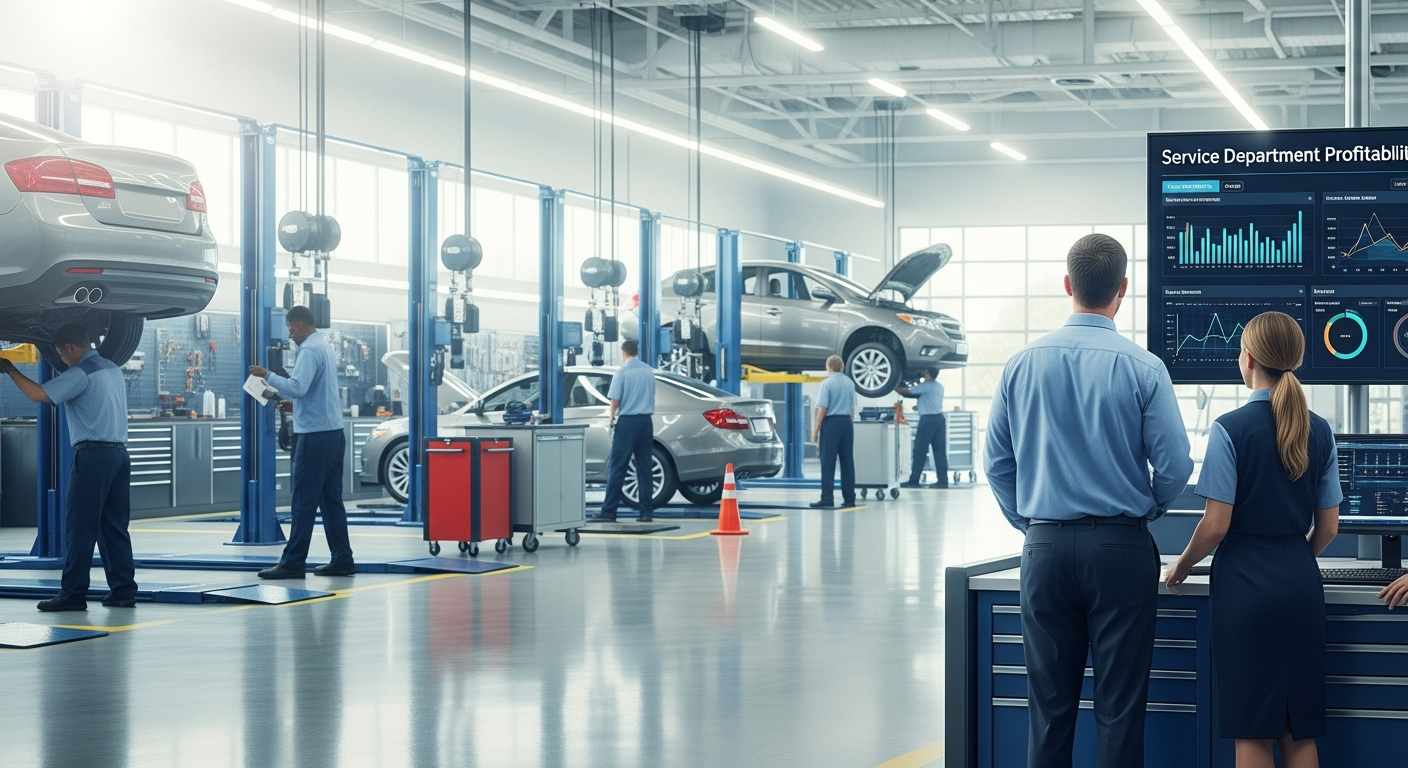
Service departments are the heartbeat of any dealership, yet they're often under immense pressure to maintain profitability amidst rising operational costs and intense market competition. The complexity increases as you integrate new technologies and adapt to shifting customer expectations.
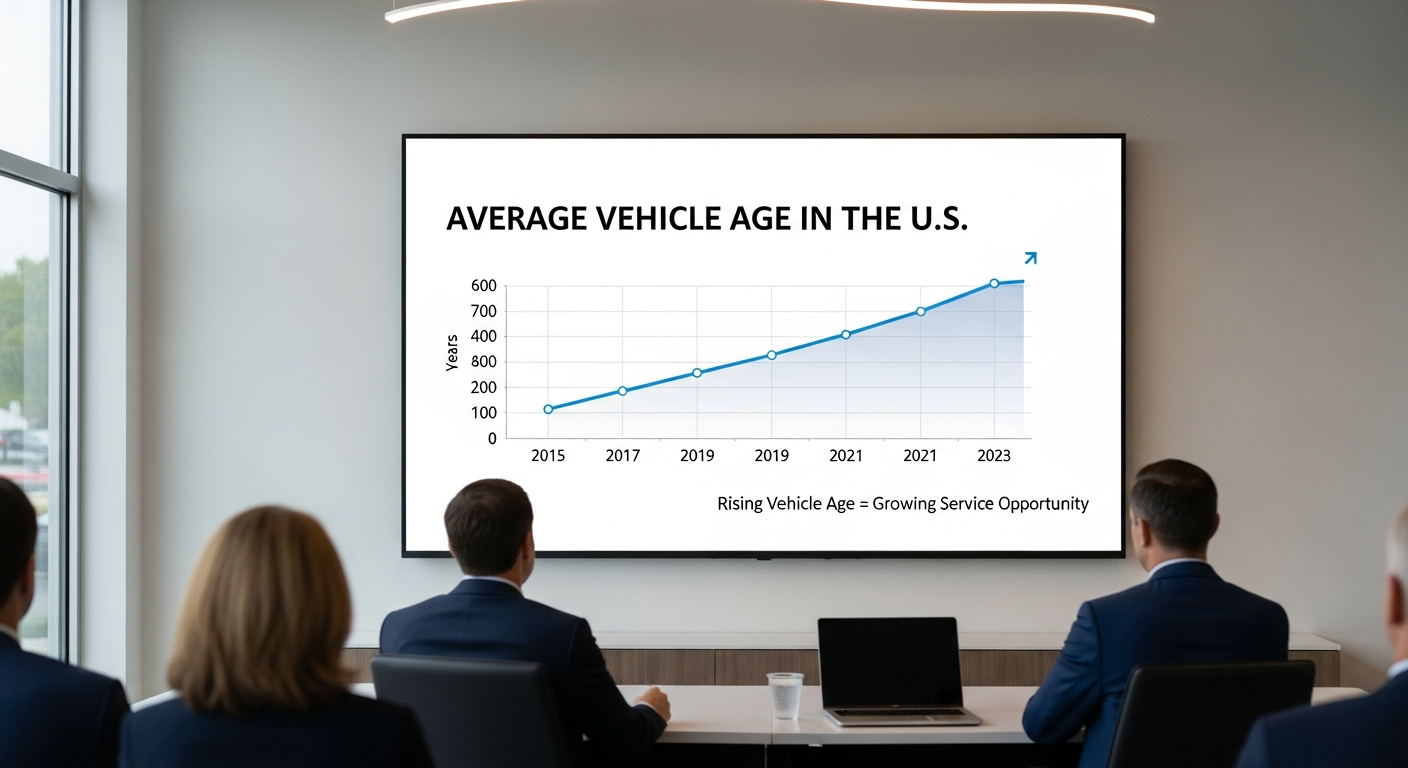
Consider the average U.S. vehicle age—rising to 12.8 years in 2025. This trend indicates sustained demand for maintenance and repairs, yet dealerships are losing service visits to independent shops. Since 2018, franchised dealers have seen a 12% drop in service-visit share, adding pressure to retain existing customers and capture new ones.
One of the most pressing challenges is managing appointment lead times. Cutting the average lead time to under 5–7 days while maintaining technician utilization at or above 85% is a delicate balance. Short lead times enhance customer satisfaction, but they can strain resources if not managed properly.
Furthermore, understanding Effective Labor Rate (ELR) gaps by operation code and make can reveal pricing matrix inefficiencies. These need prompt action to ensure you're capturing the maximum revenue potential from every repair order.
Technician recruitment and retention also play a critical role. With a shortage of skilled technicians, service departments must focus on creating a supportive environment that encourages growth and development, which in turn impacts productivity and efficiency.
Current Industry Landscape
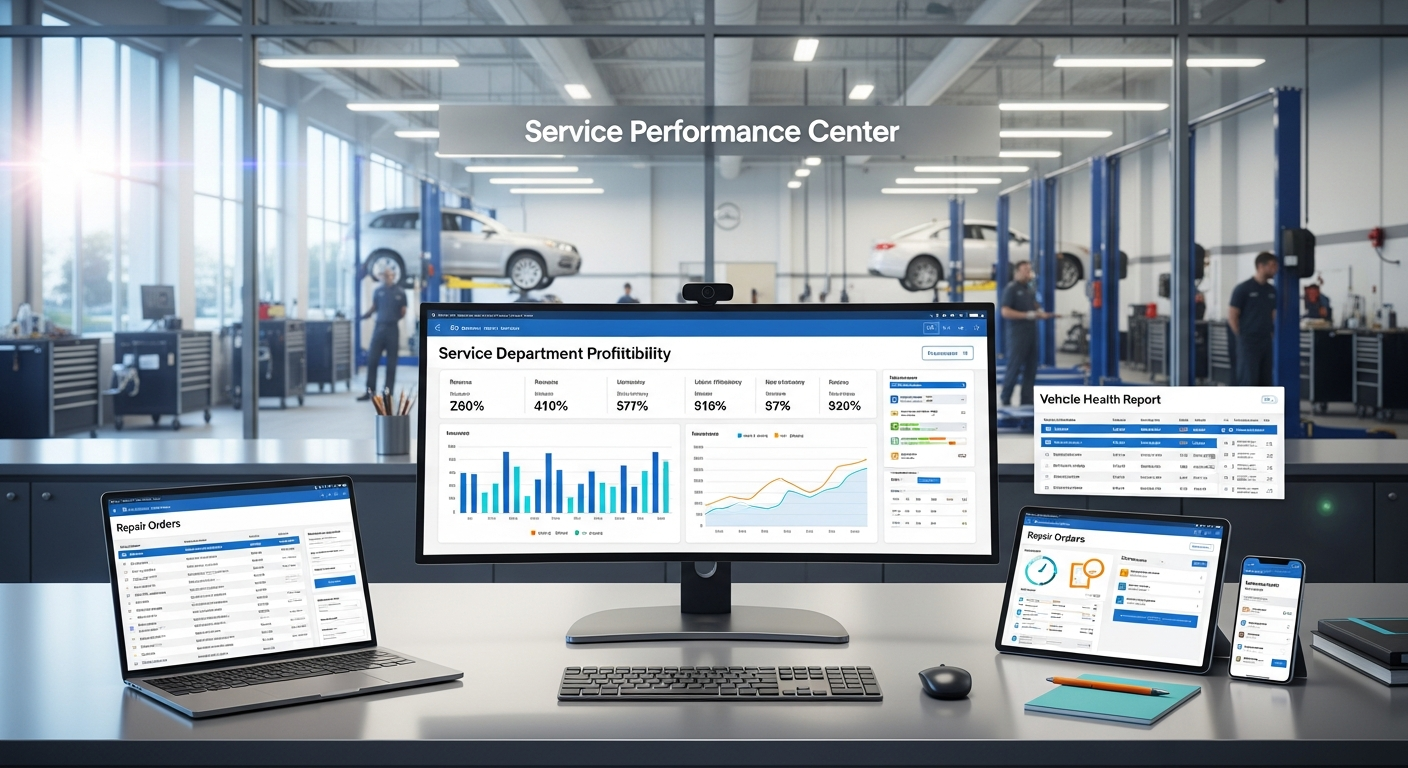
The automotive service industry is evolving rapidly, driven by technological advancements and changing consumer expectations. With over 270 million repair orders written in 2024 alone, the potential for revenue is significant, yet seizing this opportunity requires strategic alignment with current trends.
One notable trend is the integration of AI and digital tools in service operations. Platforms like CDK Dealership Xperience and Tekion's Automotive Retail Cloud are transforming how service appointments are scheduled and managed, reducing lead times and increasing customer retention.
The incorporation of technician videos into inspections is another game-changer. According to CDK's NADA 2026 data, this practice increases labor hours sold per repair order by 29%. However, despite its advantages, many dealerships still rely on paper-only multi-point inspections, missing out on potential revenue boosts.
Warranty reimbursements are also a critical consideration. Recent changes in reimbursement laws provide new avenues to enhance profitability, yet they require a thorough understanding of state-specific regulations and proactive submission strategies.
Lastly, the rise of electric vehicles and advanced driver-assistance systems (ADAS) presents both opportunities and challenges. Dealerships must decide whether to build in-house ADAS calibration capacity or establish a sublet network, each option having distinct impacts on cycle time, liability documentation, and margin.
Related Topics
Ready to take your service department to the next level?
Schedule your demo today and experience the power of Auto Pro Solutions.
Schedule Demo