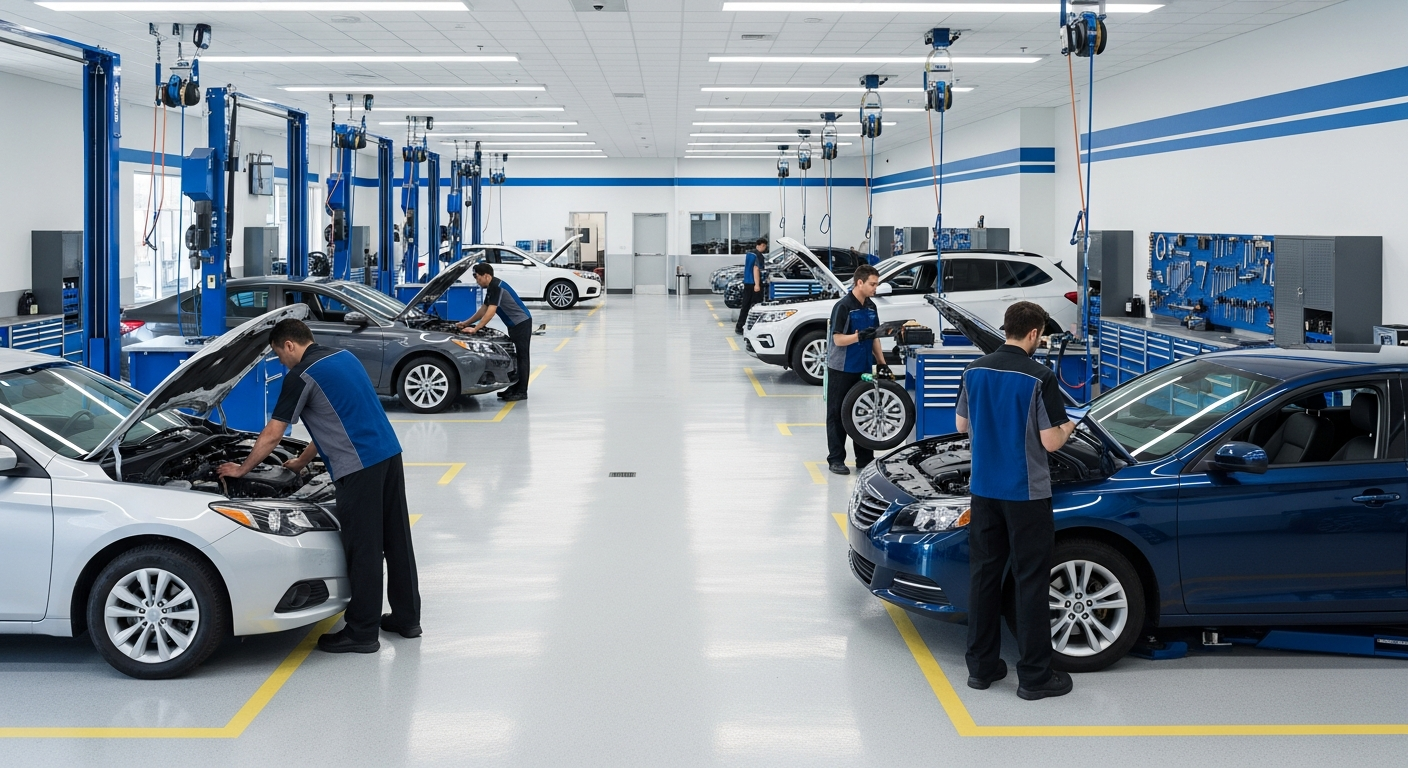
Picture this: your service department is buzzing with activity, technicians are hustling, but profitability remains elusive. You're not alone. Many dealerships are grappling with the same challenge—how to maintain service department profitability amid rising operational costs and fierce competition. The stakes are high, and the pressure to deliver is immense. With average vehicle age climbing to 12.8 years and 289 million vehicles in operation, the demand for repairs is growing, yet service departments find themselves in a bind. According to the 2025 J.D. Power U.S. Customer Service Index Study, 12% of dealership repairs are not fixed right the first time, and appointment wait times are longer than ever. These inefficiencies not only impact profitability but also customer satisfaction and retention. So, what's the solution? Imagine reducing your average service appointment lead time by 2-3 days without adding a single bay. What if you could bring advanced driver-assistance systems (ADAS) calibrations in-house and boost service revenue? This blog post will explore these possibilities and more, providing a comprehensive guide to transforming your service department into a profitability powerhouse. We'll delve into capacity-based scheduling, rapid multi-point inspection workflows, and service financing strategies to elevate your effective labor rate and hours per repair order. By the end of this post, you'll have a clear roadmap to navigate the complexities of today's automotive service landscape and drive your dealership's success.
Understanding the Challenge
Identifying Roadblocks in Service Profitability
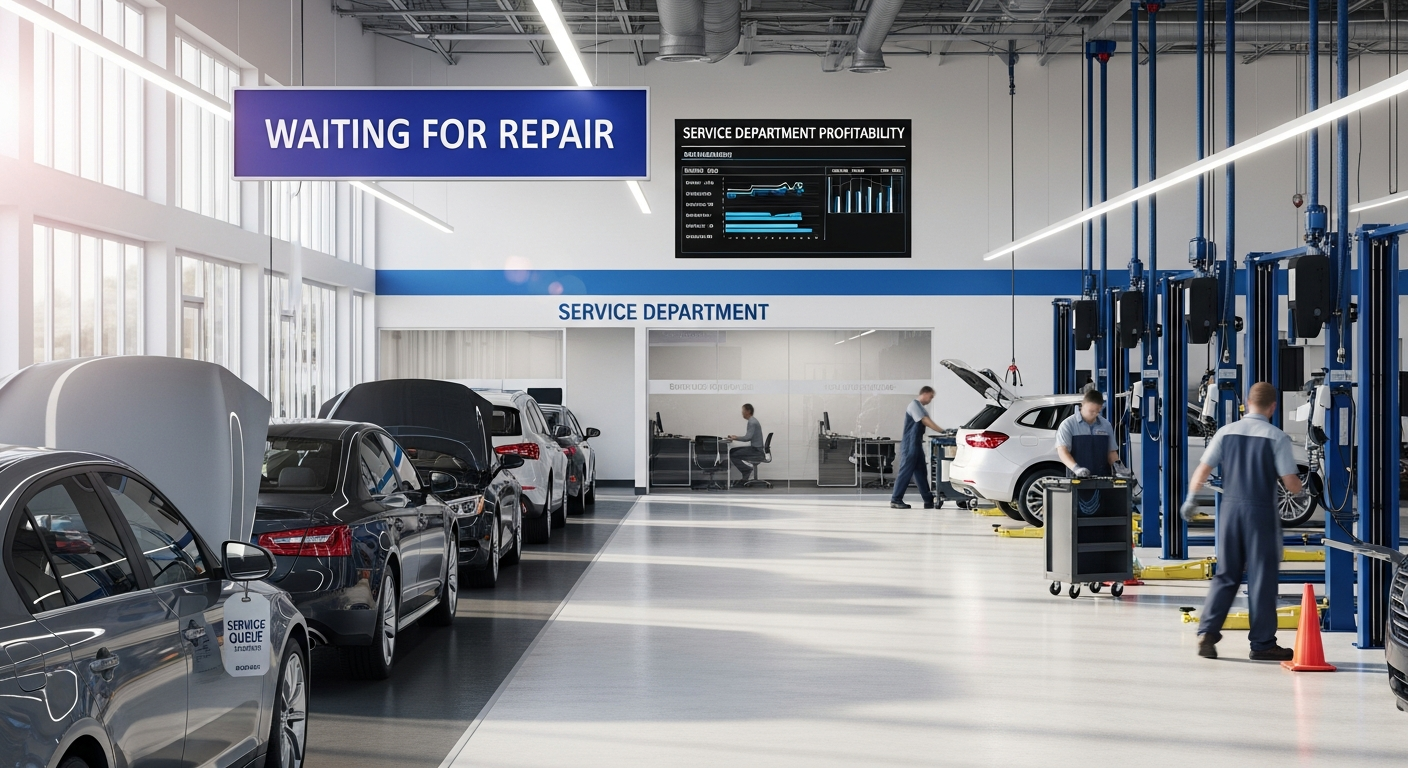
In the face of growing repair demand, service departments face significant hurdles. Rising costs, longer lead times, and technician shortages create bottlenecks that hinder profitability. As dealerships strive to keep up, they often find themselves stretched thin, unable to meet customer expectations. The technician shortage, in particular, exacerbates these challenges. With Ford and Carhartt partnering to recruit technicians, the industry acknowledges this growing issue. But recruitment is only part of the solution. Service departments must also optimize existing resources to improve workflow and efficiency. Appointment wait times remain elevated, adding to customer frustration. Yet, reducing lead times offers a direct path to boosting customer satisfaction and retention. By addressing these challenges head-on, service departments can unlock new levels of profitability.
Questions managers ask
How can dealerships reduce service appointment lead times effectively?
Dealerships can reduce lead times by implementing capacity-based scheduling and rapid multi-point inspection workflows. This approach involves creating specific time buckets for different job types and utilizing triage lanes to streamline processes.
What to do with this
To navigate the challenges of maintaining service department profitability, dealerships must embrace innovation. By optimizing workflows, leveraging new technologies, and focusing on customer retention, service departments can transform obstacles into opportunities. Implement capacity-based scheduling to reduce lead times, consider in-house ADAS calibrations for added revenue, and explore service financing options to boost ticket sizes. Auto Pro Solutions has helped hundreds of dealerships implement these strategies, driving measurable improvements in service department performance.
Related topics
More for service managers
Revving Up Service Profitability: The Complete Playbook
Dealership service departments today are navigating a landscape fraught with challenges. Rising operational costs, intensifying competition from aftermarket service providers,…
The Profit Gearbox: Fine-Tuning Service Revenues with Precision Engineering
In the ever-evolving landscape of automotive services, staying financially afloat is more challenging than ever for dealership service departments. Rising costs, the pressure…
Turbocharging Profits: The Underrated Role of Customer Satisfaction in Service Departments
Imagine a bustling dealership service department where every bay is full, technicians are actively engaged, and customers leave satisfied and eager to return. Yet, despite…