Rev Up Your Workforce: Crafting the Future of Auto Service through Top Talent Recruitment
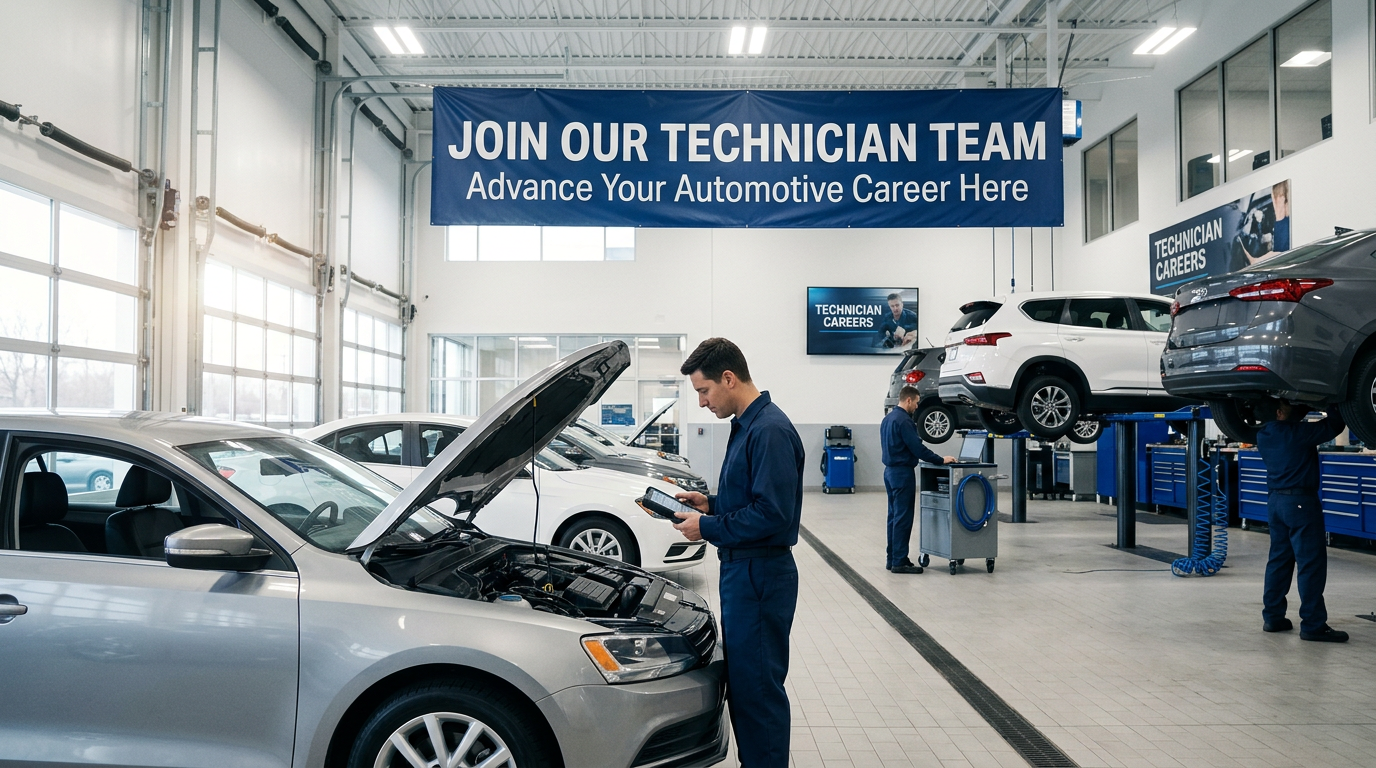
Understanding the Challenge
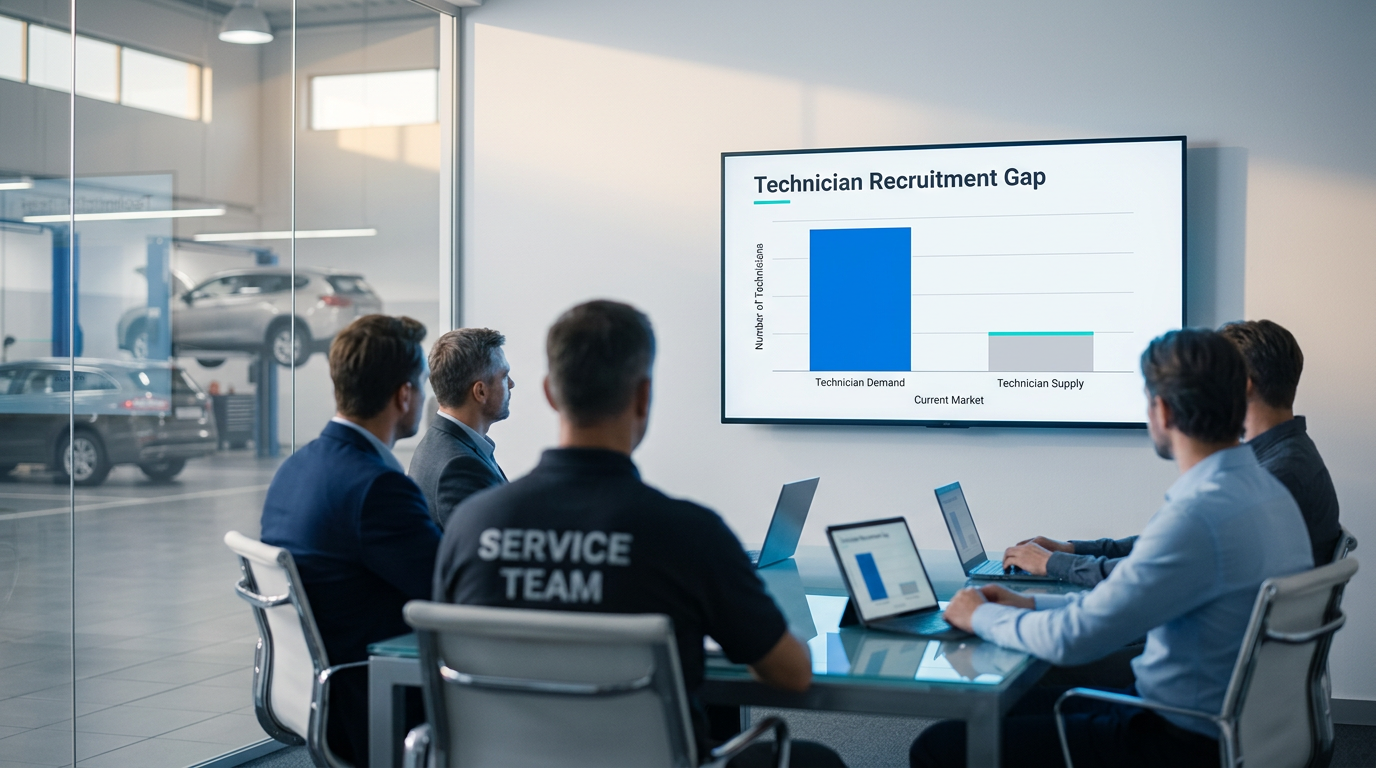
The gap between available technician positions and qualified candidates is widening. With 1.2 million new technicians needed by 2029, it's clear that the traditional recruitment methods are not sufficient. Dealerships are experiencing a supply gap where only 42% of the demand is met, forcing them to turn away work and lose potential revenue. This issue is not just about numbers; it affects the core of service department operations.
For many dealerships, the challenge begins with outdated recruitment practices and compensation models that fail to attract younger generations. Gen Z, now entering the workforce, has different expectations regarding work-life balance, career progression, and job satisfaction. The high cost of living, coupled with inadequate compensation packages, further deters potential candidates.
Moreover, the technological advancements in automotive technology, particularly in EV/HEV safety certification, demand a new skill set from technicians. This requirement narrows the qualified talent pool, making it even more crucial for service departments to adapt their recruitment strategies.
The stakes are high. With service departments reporting bookings out 6–8 weeks due to technician shortages, customer satisfaction naturally declines. This ripple effect can lead to decreased customer loyalty and a tarnished brand reputation, which are difficult to recover from.
Understanding these challenges is the first step in addressing them. By acknowledging the complexities of the current technician recruitment landscape, we can begin to explore innovative solutions that align with the modern workforce's needs and expectations.
Current Industry Landscape
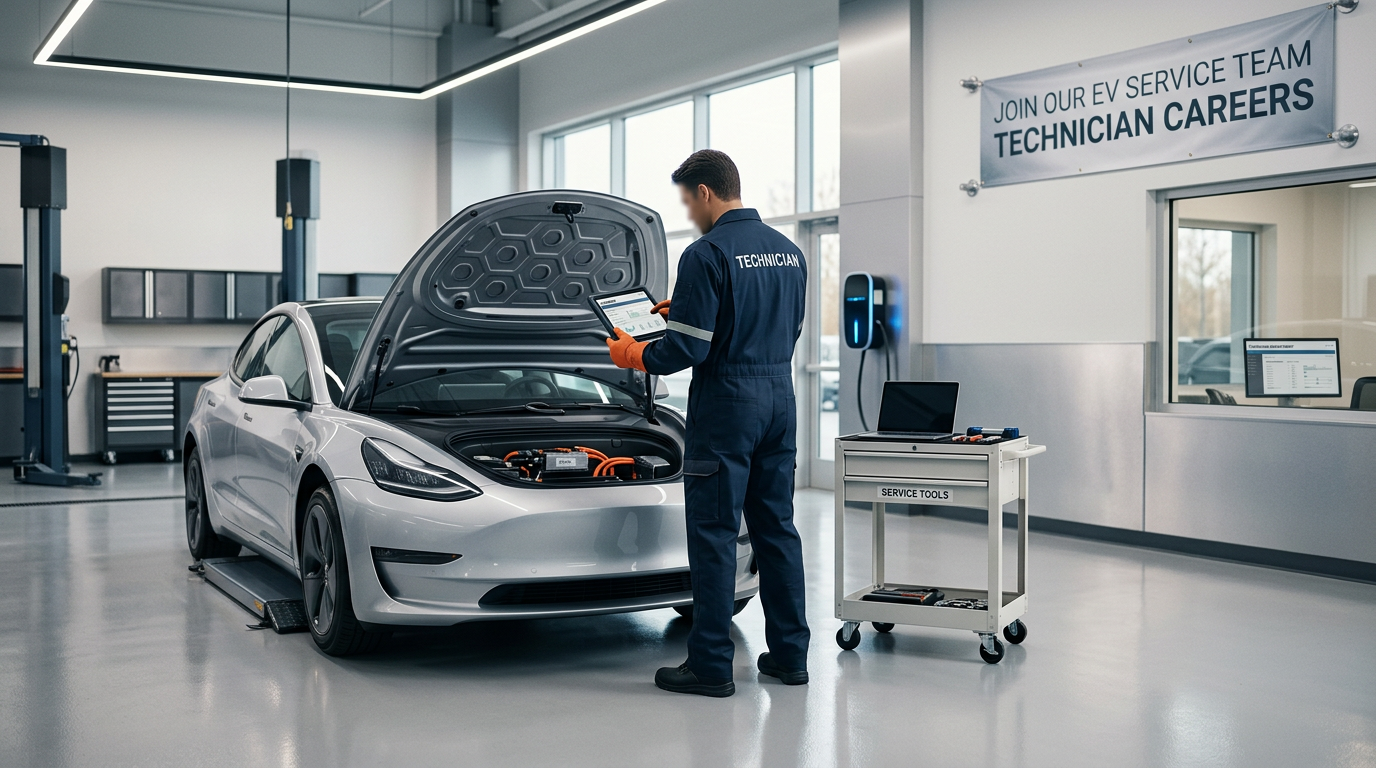
The automotive industry is undergoing a dramatic transformation, driven by technological advancements and shifting consumer preferences. As vehicles become more sophisticated, the demand for skilled technicians who can navigate these complexities is at an all-time high. The introduction of electric vehicles (EVs) and advanced driver-assistance systems (ADAS) has added new layers of complexity to the service department.
In response to these changes, many dealerships are turning to innovative recruitment platforms like ASE Connects, which now includes features such as local pay and benefit benchmarks and connections with local schools. This allows dealerships to tailor their offers to be more competitive and attractive to new talent.
Furthermore, the implementation of Apprenticeship-in-a-Box programs is gaining traction as a way to build a sustainable talent pipeline. These programs provide a structured path for training new technicians, ensuring that they acquire the necessary skills to meet the demands of modern vehicles.
However, the success of these initiatives hinges on their alignment with industry trends and technological advancements. For instance, dealerships must consider the implications of EV and ADAS technology on their recruitment and training strategies. This might involve offering additional certifications or training opportunities to ensure technicians are well-equipped to handle these technologies.
As the industry continues to evolve, dealerships must remain agile and proactive in their recruitment strategies. By leveraging industry trends and adapting to technological demands, they can position themselves as leaders in technician recruitment and retention.
The Solution Framework
Addressing the technician shortage requires a comprehensive framework that not only attracts but also retains top talent. Auto Pro Solutions advocates for a multi-faceted approach that involves registered apprenticeships, competitive compensation packages, and streamlined recruitment processes.
A key component of this framework is the use of registered apprenticeships. By aligning with the NADA/ASE Apprenticeship-in-a-Box program, dealerships can create a structured pathway for new technicians to enter the workforce. This approach not only provides technical skills but also fosters a sense of loyalty and career progression among apprentices.
Compensation remains a critical factor in attracting technicians. Dealerships must evaluate the competitive landscape and consider implementing hybrid flat-rate pay models that offer flexibility and reward productivity. Additionally, tool allowance programs can significantly reduce early attrition by helping technicians manage the cost of essential tools.
Streamlining the recruitment process is equally important. The use of platforms like Hireology, which offers centralized workflows and automated communication, can reduce the time-to-hire and improve the candidate experience. Setting benchmarks for time-to-first-review and time-to-hire ensures that dealerships are competitive in a fast-paced job market.
By implementing this solution framework, dealerships can create an environment that attracts skilled technicians and supports their development, ultimately leading to increased service department profitability and customer satisfaction.
Implementation Guide
Once you have a solid framework in place, the next step is implementation. This involves detailed planning and coordination to ensure that all aspects of the recruitment strategy are effectively executed.
Begin by conducting a thorough assessment of your current recruitment processes and identifying areas for improvement. This may involve gathering feedback from current technicians and HR staff to better understand the challenges and opportunities within your dealership.
Next, develop a comprehensive recruitment plan that includes specific goals, timelines, and resource allocation. This should cover all elements of the recruitment process, from job postings and candidate screening to interviews and onboarding.
It's also important to establish partnerships with local educational institutions and training programs. By aligning with these entities, you can create a pipeline of qualified candidates who are already familiar with the skills and certifications required in your service department.
Finally, monitor and adjust your strategy as needed. Regularly review recruitment metrics, such as time-to-hire and retention rates, to ensure that your strategy is delivering the desired results. Be prepared to make adjustments based on feedback and changing market conditions.
Measuring Success
To assess the effectiveness of your recruitment strategy, it's crucial to establish clear key performance indicators (KPIs). These metrics will help you track progress and make data-driven decisions to optimize your strategy.
Some of the most important KPIs to monitor include time-to-first-review, time-to-hire, and 90/180/365-day retention rates. These metrics provide insight into the efficiency of your recruitment process and the long-term success of your new hires.
In addition to these metrics, it's important to track the productivity and profitability of your service department. Metrics such as hours sold, efficiency, and customer satisfaction index (CSI) can help you evaluate the overall impact of your recruitment strategy on service department performance.
By regularly reviewing these KPIs, you can identify areas for improvement and make data-driven decisions to enhance your recruitment strategy. This will not only help you attract and retain top technician talent but also improve the profitability and efficiency of your service department.
Ultimately, the goal is to create a sustainable recruitment strategy that supports the long-term success of your dealership. By measuring success and continuously optimizing your strategy, you can achieve this goal and position your dealership as a leader in technician recruitment and retention.
Advanced Strategies
As your recruitment strategy matures, there are several advanced strategies you can implement to further optimize your efforts and scale your success. These strategies focus on leveraging technology, enhancing employee engagement, and fostering a culture of continuous improvement.
One effective approach is to utilize advanced analytics and AI-driven tools to identify patterns and trends in your recruitment data. This can help you make more informed decisions about where to allocate resources and how to tailor your recruitment efforts to attract the best candidates.
Employee engagement is another critical component of a successful recruitment strategy. By fostering a positive work environment and offering opportunities for professional development, you can increase employee satisfaction and reduce turnover. Consider implementing regular feedback sessions, mentorship programs, and team-building activities to strengthen employee engagement.
Scaling your recruitment strategy also involves expanding your talent pipeline. This can be achieved by exploring new sourcing channels, such as employee referrals, military pipelines, and specialized job boards. By diversifying your recruitment sources, you can broaden your reach and increase your chances of finding the right candidates.
Finally, it's important to continuously evaluate and refine your recruitment strategy. This involves keeping up with industry trends, adapting to changing market conditions, and seeking feedback from employees and candidates. By maintaining a culture of continuous improvement, you can ensure that your recruitment strategy remains effective and competitive.
Related Topics
Ready to take your service department to the next level?
Schedule your demo today and experience the power of Auto Pro Solutions.
Schedule Demo