Proven Tactics to Rev Up Your Service Team's Performance
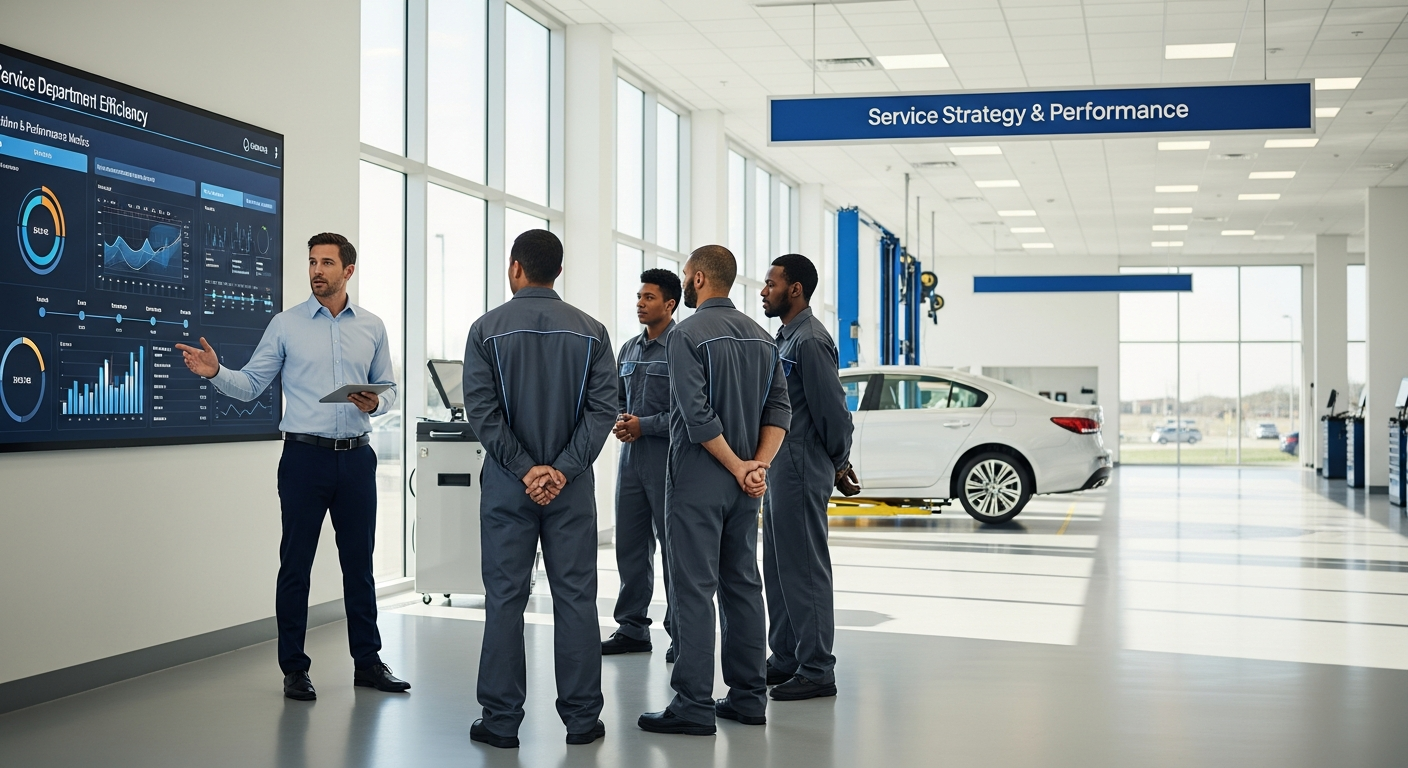
Understanding the Challenge
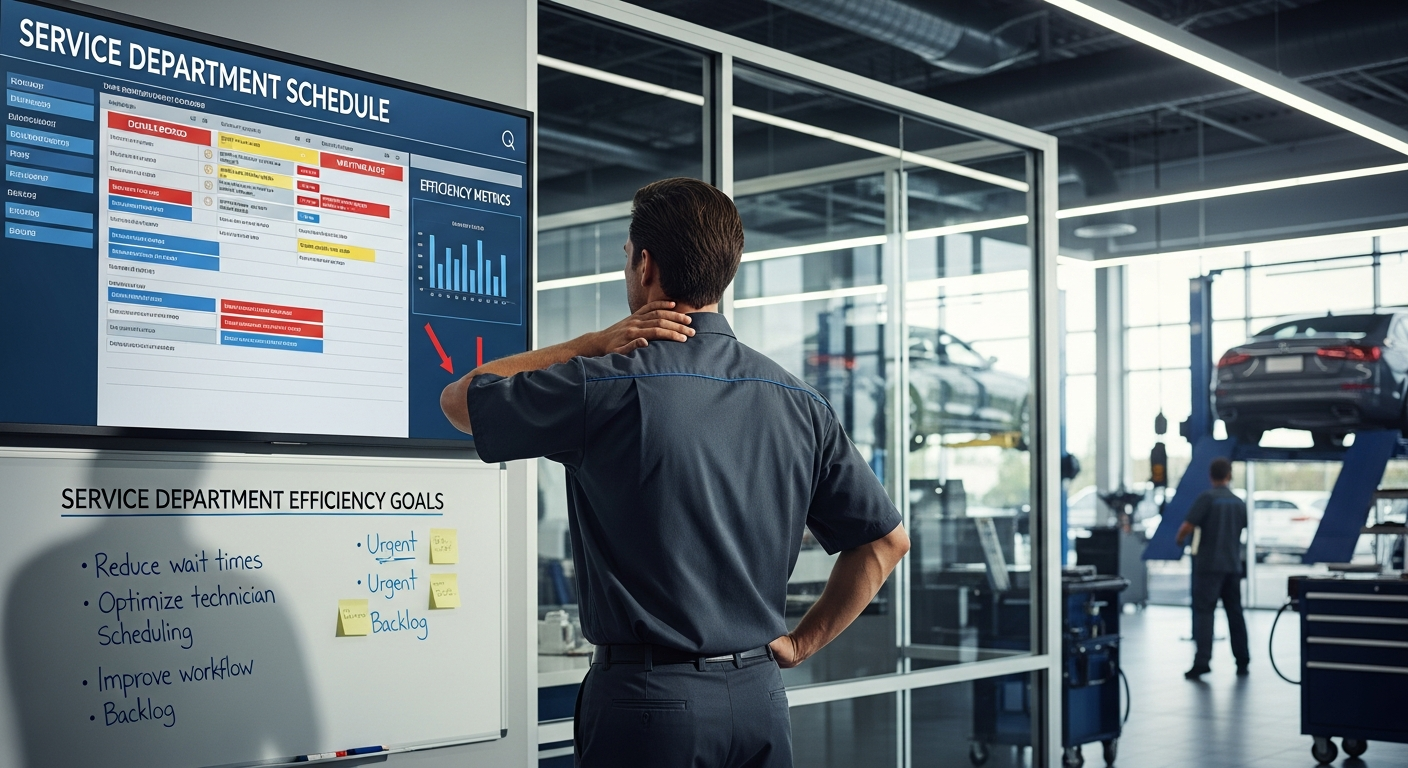
Every dealership knows the frustration of inefficiencies within the service department. From extended customer wait times to technician burnout, these issues are not just operational hiccups; they are significant barriers to profitability and customer satisfaction. The root of the problem often lies in outdated scheduling systems and disjointed workflows that fail to maximize existing resources. For instance, a dealership that relies on manual appointment booking might find its calendar overbooked on certain days while other slots remain underutilized, leading to uneven workload distribution.
The consequences of such inefficiencies are severe. According to a recent study, dealerships have lost 12% of service visits to competitors since 2018. This trend is particularly troubling among owners of newer vehicles, with only 54% returning to the selling dealer for service in 2025, down from 72% in 2023. The message is clear: customers are increasingly seeking alternatives that offer more convenient and reliable service experiences.
However, the challenge is not just about losing customers to competitors; it’s also about the internal strain caused by inefficient processes. Technicians frequently face frustration due to poor scheduling, which leads to longer wait times for parts and lack of clarity on job priorities. Such conditions can exacerbate the already critical technician shortage, further hindering a dealership's ability to meet customer expectations.
In this section, we’ll delve deeper into the specific inefficiencies plaguing service departments and explore why these issues have persisted despite technological advancements. Understanding these pain points is the first step in identifying effective solutions that can transform your service operations.
Current Industry Landscape
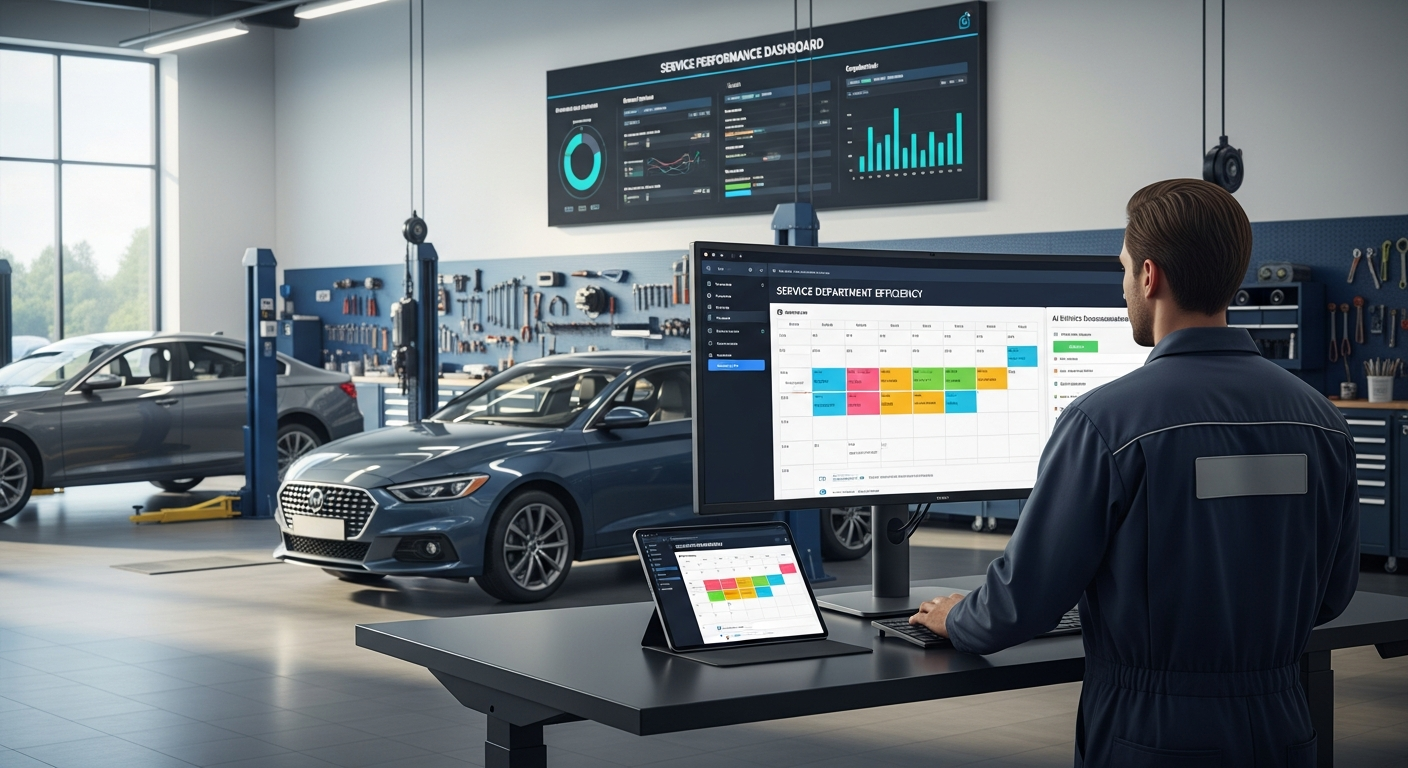
The automotive service industry is at a pivotal point, driven by rapid technological advancements and changing customer expectations. As vehicles become more complex, the need for skilled technicians and efficient service processes has never been greater. The average age of U.S. vehicles is now 12.8 years, which means a growing demand for maintenance and repair services. However, dealerships face mounting competition from independent shops and quick-service outlets, which have captured a significant share of the market.
In response, many forward-thinking dealerships are embracing innovative technologies to enhance service efficiency and customer satisfaction. AI-assisted scheduling tools, like Brooke.ai and Stella, are gaining traction for their ability to streamline appointment bookings and improve customer communication. These tools use machine learning algorithms to optimize scheduling based on historical data, technician availability, and customer preferences, thereby reducing appointment lead times and increasing show rates.
Moreover, digital multi-point inspections (MPIs) and service videos are becoming essential components of the modern service department. Platforms like TruVideo and UVeye empower technicians to communicate repair needs more effectively with customers, leading to higher upsell conversions and enhanced transparency. These digital tools not only improve customer trust but also contribute to a more efficient workflow by reducing the time spent on manual documentation and follow-ups.
The industry is also witnessing a shift towards more integrated service-to-sales strategies. In-lane appraisals, paired with AI-driven insights, enable service advisors to identify sales opportunities during routine service visits, adding another dimension to dealership profitability. With Cox Automotive's recent launch of AI-powered service-lane inspection technology, dealerships can now connect vehicle condition data directly to appraisal and merchandising workflows, ensuring a seamless customer experience from service to sales.
The Solution Framework
To tackle inefficiencies head-on, service departments must adopt a holistic approach that integrates technology, processes, and people. The solution framework revolves around three core components: intelligent scheduling, streamlined workflows, and enhanced customer engagement.
Intelligent scheduling is the foundation of an efficient service department. By utilizing AI-driven tools such as Brooke.ai and Stella, dealerships can automate appointment booking and optimize technician assignments. These tools analyze data on technician skills, job complexity, and part availability to ensure that each job is matched with the right resources. This not only reduces appointment lead times but also improves technician productivity and utilization.
Streamlined workflows are equally critical. Implementing capacity-guarded booking rules and triage menus can help manage workload distribution effectively. For instance, setting a maximum percentage for heavy-line repairs each day ensures that express services can be accommodated without delay. Similarly, parts pre-pick strategies can minimize downtime by ensuring that all necessary parts are available before a job begins.
Customer engagement plays a pivotal role in service department success. By leveraging digital MPIs and service videos, dealerships can provide transparent and informative communication to customers, enhancing trust and satisfaction. Additionally, implementing a robust service-to-sales strategy, including in-lane appraisals and AI-driven insights, can enhance customer retention and boost profitability.
Implementation Guide
Implementing an efficient service department strategy requires careful planning and execution. The following steps provide a roadmap for dealerships looking to streamline operations and improve customer satisfaction.
Step 1: Evaluate Current Processes. Conduct a thorough assessment of your current scheduling, workflows, and customer engagement practices. Identify areas of inefficiency and prioritize them for improvement.
Step 2: Adopt AI Scheduling Tools. Research and select AI-assisted scheduling platforms like Brooke.ai or Stella that align with your dealership's needs. Train your staff on how to use these tools effectively to optimize appointment bookings.
Step 3: Standardize Workflows. Develop capacity-guarded booking rules and triage menus to ensure consistent workload distribution. Implement parts pre-pick strategies to minimize downtime and enhance technician productivity.
Step 4: Enhance Customer Communication. Introduce digital MPIs and service videos to improve transparency and trust. Ensure that service advisors are trained to use these tools effectively to communicate with customers.
Step 5: Integrate Service-to-Sales Strategies. Use AI-driven insights and in-lane appraisals to identify sales opportunities during service visits. This integrated approach can enhance customer retention and boost dealership profitability.
Measuring Success
To gauge the success of your newly implemented strategies, it's essential to track key performance indicators (KPIs) that reflect service department efficiency and customer satisfaction. The most critical KPIs include the first-time fix rate (FTFR), appointment lead time, and technician productivity.
A high FTFR is indicative of a well-functioning service department. It reflects the ability to diagnose and repair vehicles accurately on the first visit, reducing the likelihood of comebacks and enhancing customer trust. According to recent data, when repairs aren't fixed right the first time, only 50% of customers say they'll return, highlighting the importance of getting it right the first time.
Appointment lead time is another crucial metric. By reducing lead times to under five days, dealerships can enhance customer satisfaction and retention. Capacity-guarded booking rules and triage menus are effective strategies to maintain shorter lead times without adding bays or headcount.
Technician productivity, measured in hours per repair order (HPRO), provides insight into how efficiently technicians are utilizing their time. By optimizing scheduling and workflows, dealerships can ensure that technicians are working at their highest capacity, leading to increased revenue and profitability.
By closely monitoring these KPIs, dealerships can make data-driven decisions to further refine their service department strategies and achieve continuous improvement.
Advanced Strategies
Once the foundational elements of an efficient service department are in place, it's time to explore advanced strategies for optimization and scaling. These strategies will help you stay ahead of the competition and continually improve your service operations.
One effective approach is to leverage data analytics to gain deeper insights into customer behavior and service trends. By analyzing data on service visits, repair times, and customer feedback, dealerships can identify patterns and make informed decisions to enhance service offerings.
Additionally, investing in ongoing training and development for your technicians and service advisors is crucial. As vehicles become more technologically advanced, continuous training ensures that your team is equipped with the latest skills and knowledge to handle complex repairs efficiently.
Another advanced strategy is to explore partnerships with technology providers to integrate cutting-edge tools and solutions into your service department. Collaborations with companies like UVeye and BizzyCar can provide access to automated inspection technologies and AI-driven service engines, further enhancing your operational efficiency.
Finally, consider implementing a robust retention playbook to win back customers who may have been lost to competitors. Offering services such as text-first updates, transparent pricing, and pickup/delivery options can enhance the customer experience and increase loyalty.
Related Topics
Ready to take your service department to the next level?
Schedule your demo today and experience the power of Auto Pro Solutions.
Schedule Demo