Profit Pioneers: Transforming Auto Service Challenges into Opportunities
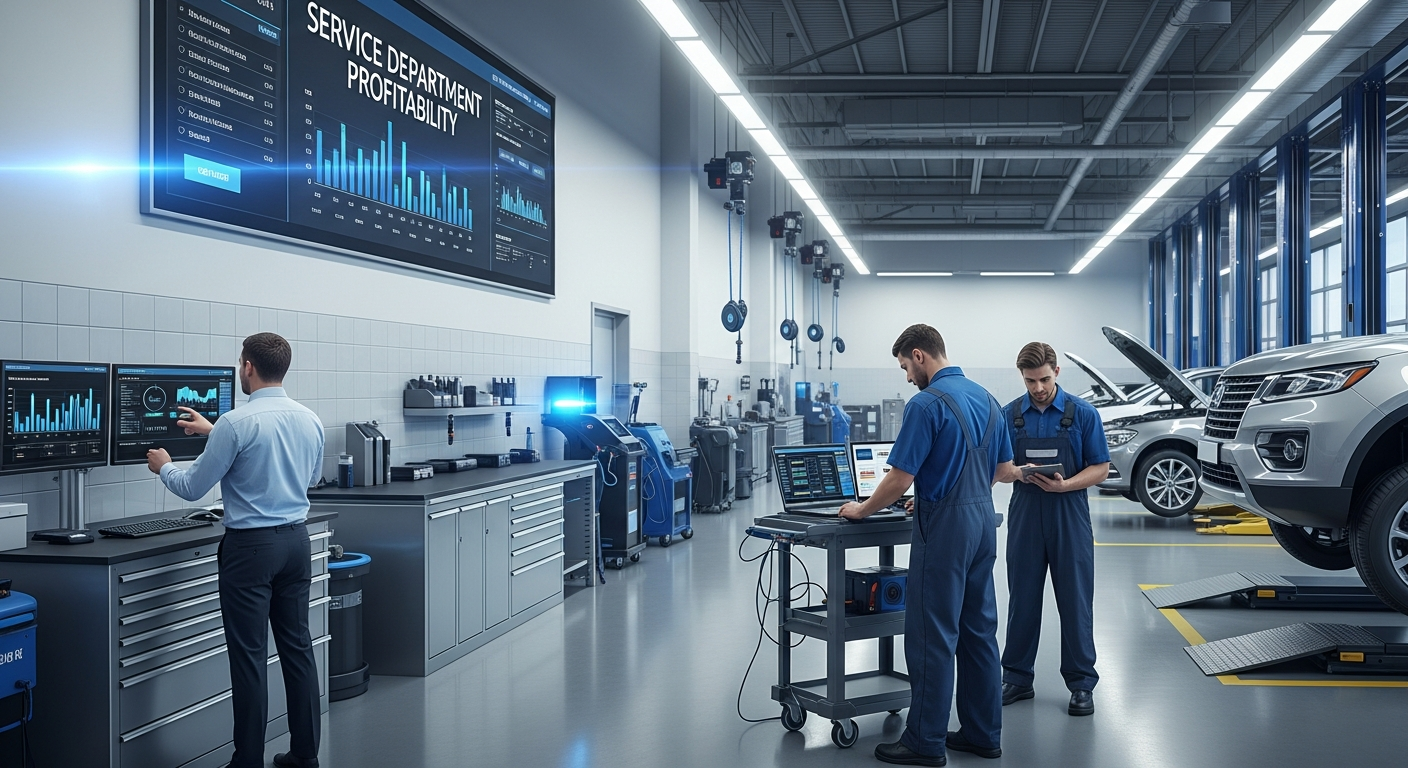
Understanding the Challenge
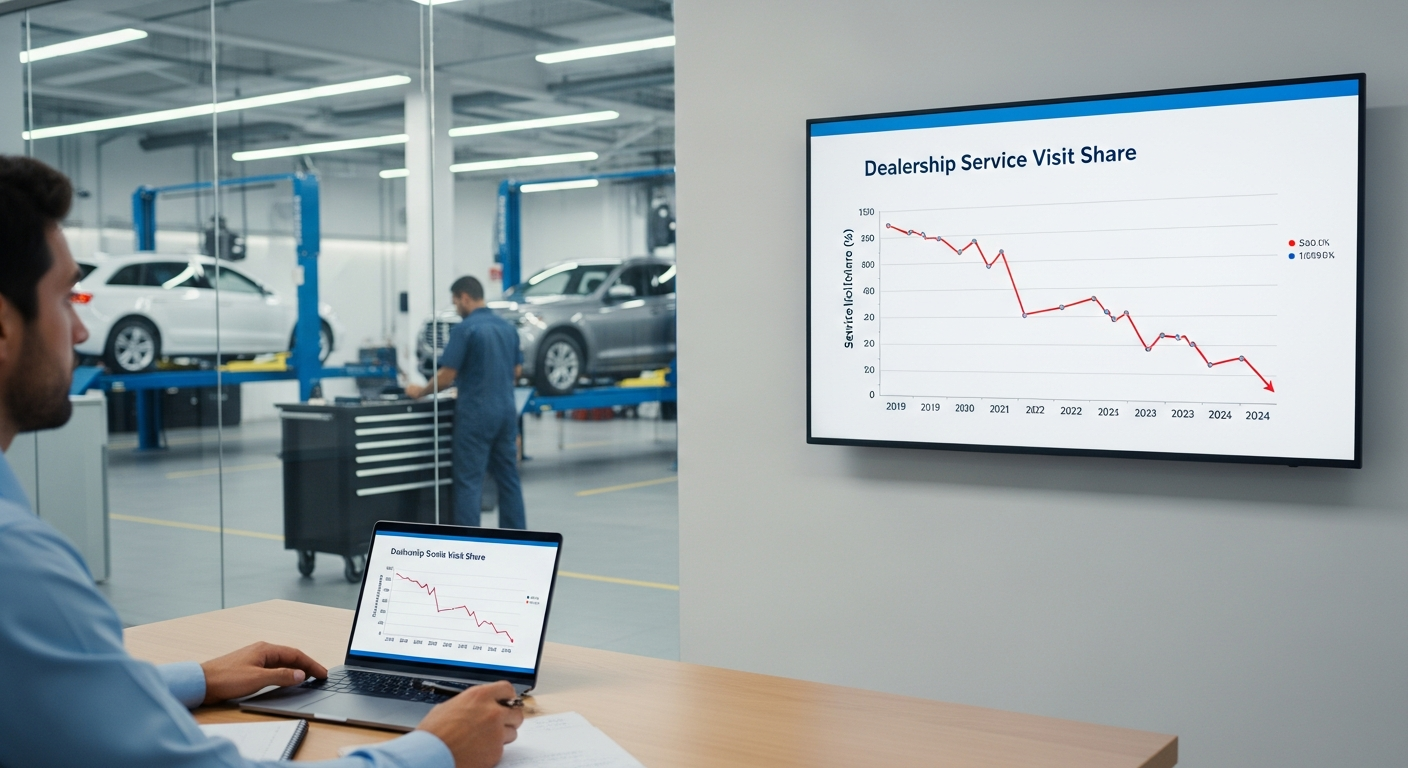
Service departments are under unprecedented pressure to maintain profitability amid rising costs and increased competition. The technician shortage is exacerbating cycle times, leading to capacity constraints and longer appointment lead times. This situation is compounded by the erosion of service visit share to independent shops and mobile operators. A recent study by Cox Automotive highlights that dealerships have seen a 12% decline in service visits from 2018, with a significant portion of these lost to competition.
Compounding these challenges are customer expectations for faster, more transparent service interactions, fueled by innovations like video multi-point inspections (MPIs) and two-way texting. These tools promise to enhance customer satisfaction and retention but require investment and careful implementation to deliver their full value. Furthermore, new state warranty reimbursement laws are changing the landscape of effective labor rates (ELR), necessitating adjustments in claim processes and cash flow planning.
The stakes are high, and the path to improved profitability is not without its hurdles. However, understanding the root causes of these challenges and the potential solutions can set the stage for transformative improvements in your service department.
Current Industry Landscape
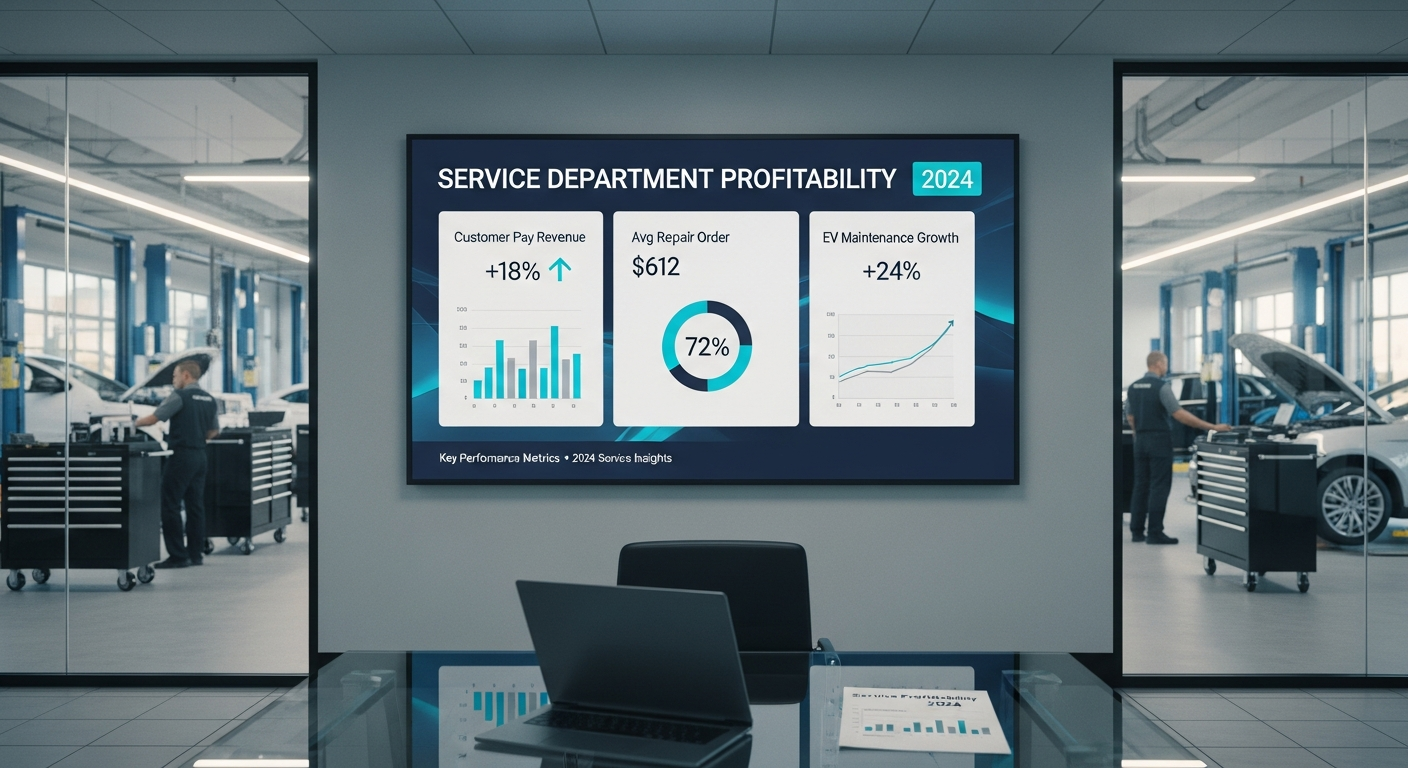
The automotive service industry is evolving at an unprecedented pace. According to NADA, dealerships wrote over 270 million repair orders in 2024, generating $156 billion in revenue. However, as vehicles on the road age—now averaging 12.8 years—dealerships face increased competition from independent repair shops that are capturing a significant share of service visits.
The slow adaptation to new technologies and customer service expectations has left many dealerships struggling to retain customers, particularly those with newer vehicles. Competitive pressures are further amplified by the rise of mobile service providers offering convenient, on-demand services.
Dealerships must navigate these changes by leveraging data and technology to improve service delivery. Video MPI and two-way texting solutions have been shown to speed up approval times and increase average repair order (ARO) values, but they require strategic integration into existing workflows. Additionally, understanding and adapting to state-specific warranty reimbursement laws is critical for optimizing revenue streams.
The Solution Framework
To address these challenges, service departments need a robust framework that integrates technology, customer engagement, and operational efficiency. Auto Pro Solutions offers a comprehensive suite of tools and strategies designed to recapture lost service visits and enhance retention without sacrificing margins.
Implementing video MPI and eMPI technologies can transform service interactions, providing customers with transparent insights into their vehicle's condition and necessary repairs. This transparency builds trust and accelerates approval times, directly impacting profitability.
AI-powered scheduling and communication tools like Tekion AI Agent can also streamline operations, reducing bottlenecks and improving customer satisfaction. These technologies, when combined with strategic pricing models and targeted retention efforts, create a powerful framework to drive service department success.
Implementation Guide
Implementing these strategies requires careful planning and execution. Start by assessing your current service workflows and identifying areas ripe for technological integration. Engage with vendors like TruVideo and myKaarma to explore options for video MPI and communication solutions.
Training is crucial for successful adoption. Ensure your technicians and service advisors are comfortable with new tools and understand the benefits they bring to the service process. This can involve hands-on workshops and ongoing support to address any challenges as they arise.
Additionally, consider revising your pricing strategy to include menu pricing and dynamic pricing windows. Offering price-match guarantees on certain services can also help attract and retain customers without compressing margins. By implementing these steps, your dealership can create a service operation that is not only efficient but also highly profitable.
Measuring Success
After implementing these strategies, measuring success is crucial to ensure ongoing improvements. Key performance indicators (KPIs) such as fixed absorption rates, first-time fix rates, and hours per repair order (HPRO) provide valuable insights into your service department's performance.
Achieving a fixed absorption rate of 100% or higher indicates that your service and parts revenue is covering all dealership overheads, a critical metric for sustainability. Similarly, maintaining a high first-time fix rate reduces rework and parts delays, directly impacting customer satisfaction and retention.
Regularly reviewing these KPIs allows you to identify areas for further improvement and ensures that your service department continues to thrive in a competitive market.
Advanced Strategies
Once the foundational strategies are in place, it's time to explore advanced tactics to further boost profitability. Consider deploying AI-driven tools like Impel Service AI for automated outreach and appointment setting, which can help alleviate scheduling bottlenecks and enhance customer service.
Further, expand your service offerings to include EV and ADAS readiness, capitalizing on the growing demand for these specialized services. This not only meets emerging customer needs but also positions your dealership as a leader in innovative automotive service solutions.
Finally, continue to refine your communication strategies by leveraging first-party data and connected-vehicle signals to deliver personalized service offers. This level of customization can significantly enhance customer loyalty and drive repeat business.
Related Topics
Ready to take your service department to the next level?
Schedule your demo today and experience the power of Auto Pro Solutions.
Schedule Demo