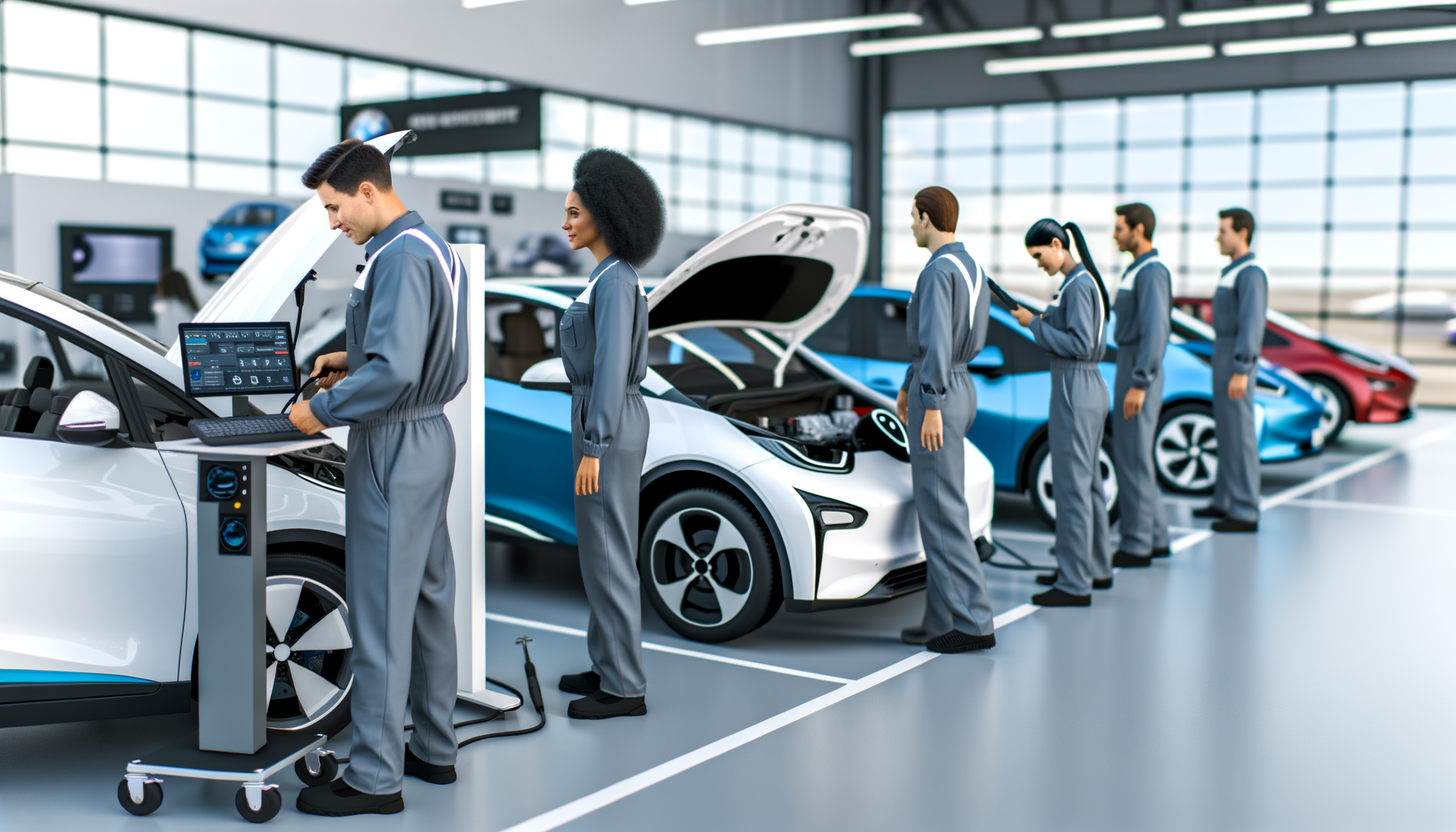
Electric vehicles (EVs) are revolutionizing the automotive landscape, and as their adoption increases, dealerships face new service challenges. From specialized technician training to advanced equipment investments, navigating these obstacles is crucial for maintaining profitability and customer satisfaction. This guide delves into actionable strategies for overcoming EV service challenges at dealerships, offering insights from industry experts to elevate your fixed operations.
Adapting Service Departments for EV Demands
Preparing Facilities for Electric Vehicles
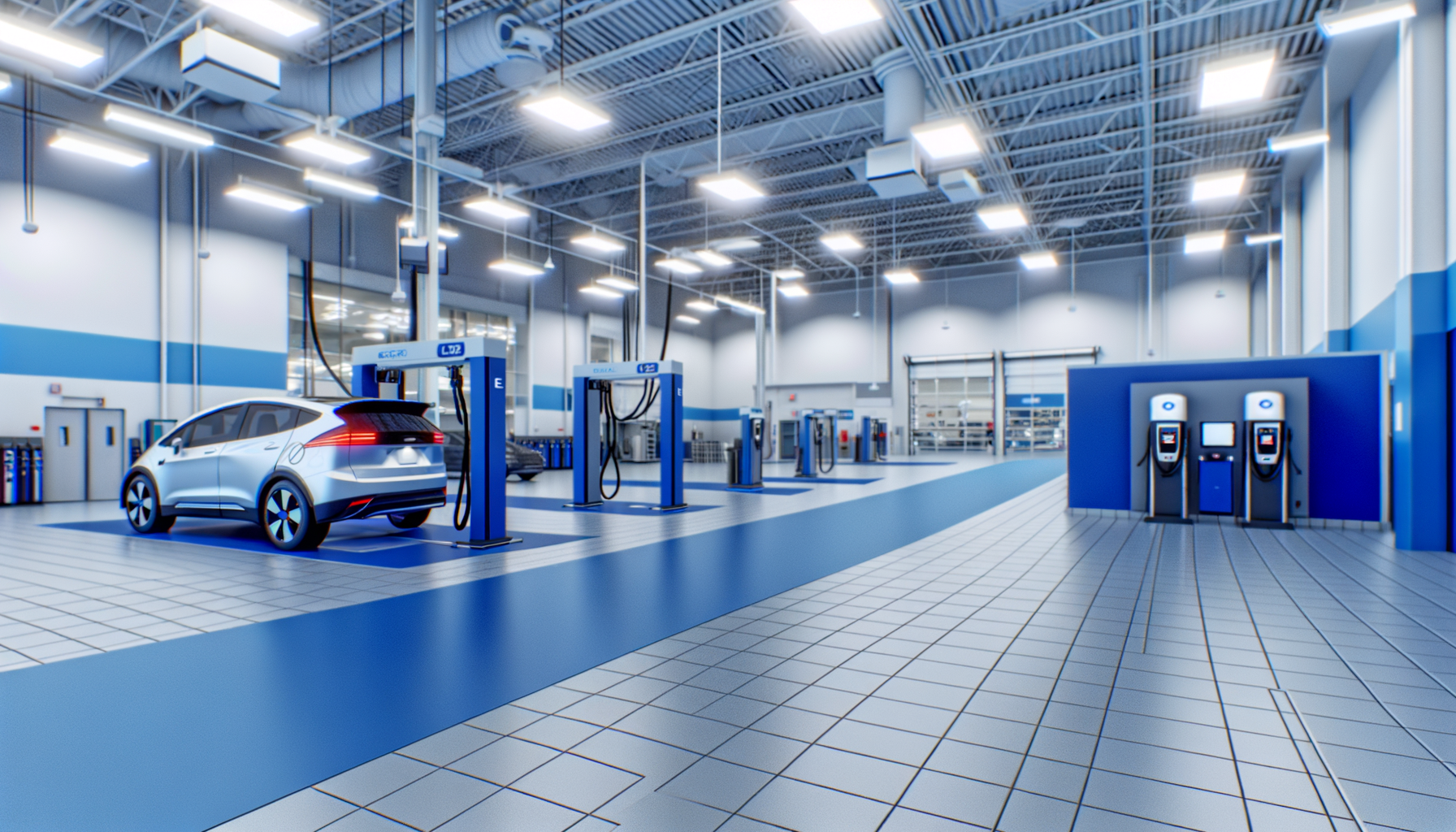
As electric vehicles become more common, service departments must adapt their facilities to accommodate the distinct requirements of these cars. This includes installing high-voltage charging stations and ensuring all service bays are equipped to handle EV-specific repairs. Implementing these changes is not just about physical infrastructure but also about redefining workflows to optimize service efficiency. Service managers should conduct an audit of existing facilities to identify gaps and areas for improvement. Begin by assessing the current capacity for EV servicing. Develop a phased plan to upgrade facilities, starting with the most critical areas, such as high-voltage charging and safety protocols, and gradually expanding to other aspects like customer waiting areas equipped with digital amenities.
1. Conduct facility audits for EV readiness 2. Implement high-voltage safety protocols 3. Upgrade service bays with EV-specific tooling
Training and Retaining Skilled EV Technicians
Building Expertise for Advanced EV Repairs
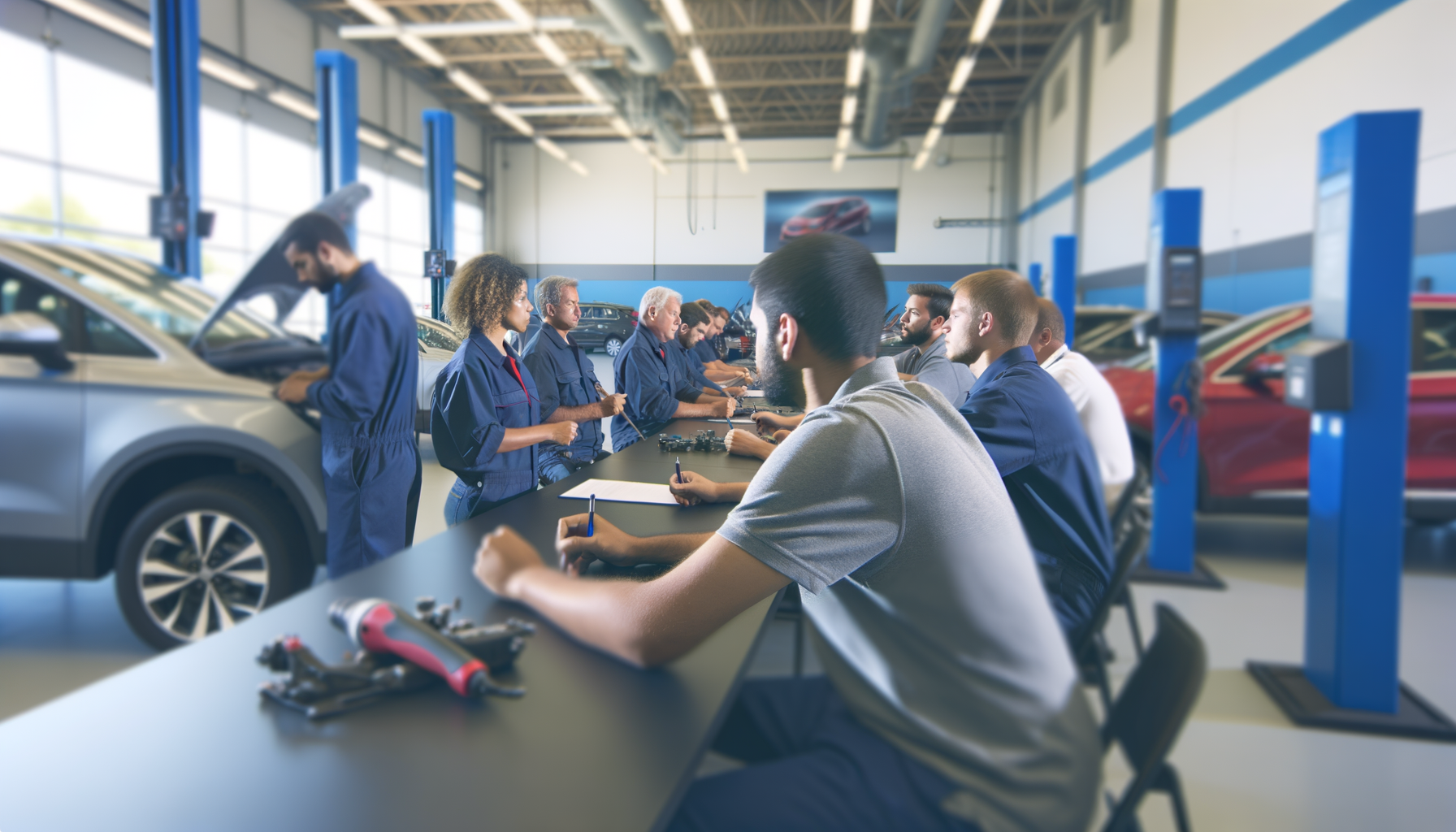
The shift to electric vehicles demands a new set of skills from service technicians. Dealerships must invest in comprehensive training programs that focus on EV systems, diagnostics, and repair techniques to ensure they meet the latest OEM standards. Creating partnerships with technical schools and industry certification programs can provide a steady pipeline of qualified technicians. Additionally, offering competitive salaries and benefits packages will help retain these highly skilled individuals. Implement a mentorship program where experienced technicians can share their knowledge with newer recruits, fostering an environment of continuous learning and collaboration.
"Investing in technician training not only enhances service quality but also positions dealerships as leaders in EV innovation." — John Doe, Automotive Training Specialist
Investing in the Right Tools and Equipment
Equipping Technicians for Success
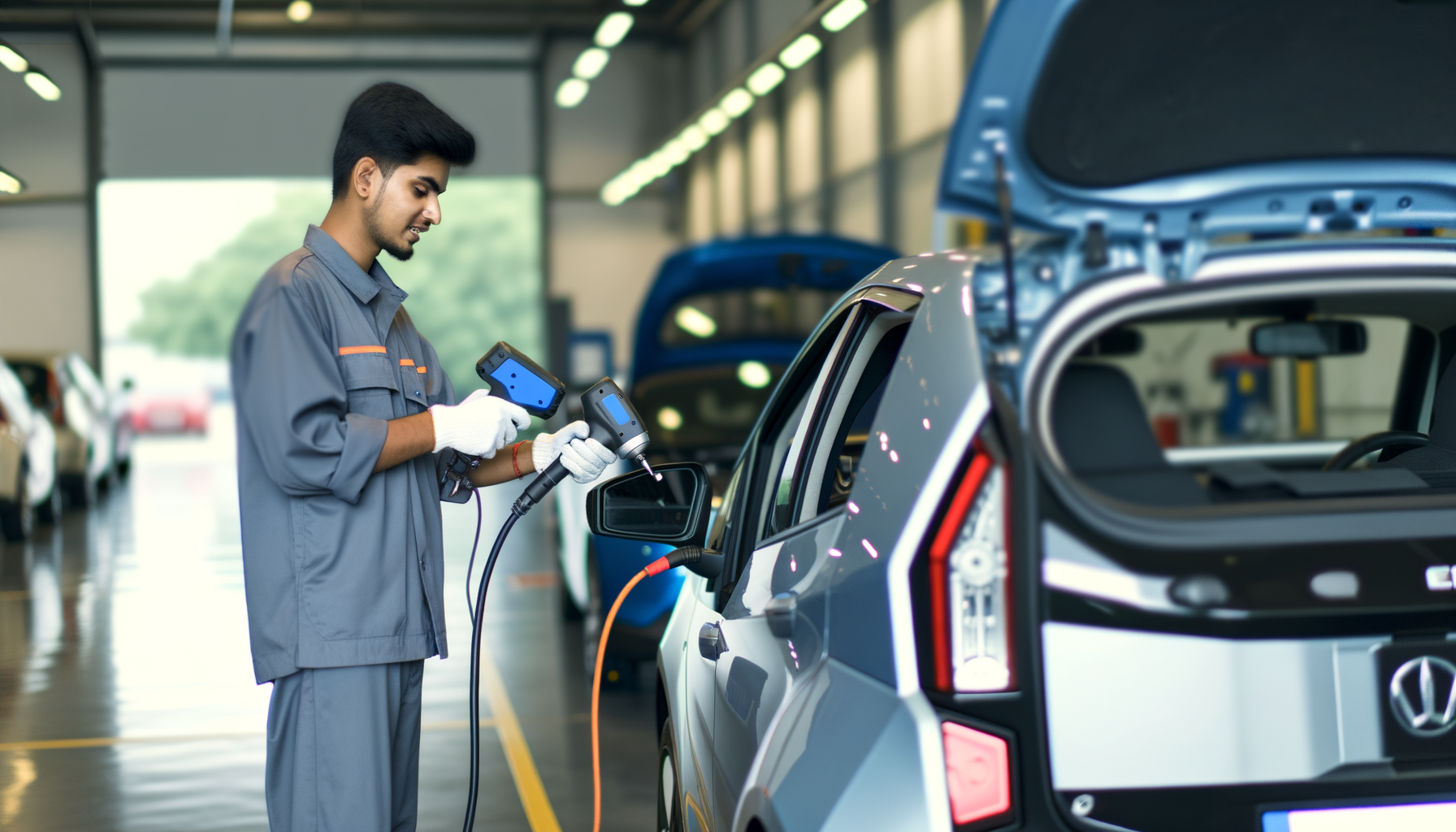
The right tools and diagnostic equipment are crucial for effective EV servicing. Dealerships need to invest in advanced technology, such as battery analyzers and thermal imaging cameras, to ensure precise diagnostics and repairs. Conduct regular assessments of existing equipment and identify opportunities for upgrades. Keep abreast of the latest industry innovations to maintain a competitive edge. Develop a capital investment plan that outlines budget allocations for equipment purchases, ensuring financial resources are available without disrupting cash flow.
| Tool/Equipment | Purpose | Investment ROI Estimate | |-------------------------|--------------------------------|-------------------------| | Battery Analyzers | Diagnostics on battery health | 10% increase in service efficiency | | Thermal Imaging Cameras | Detecting electrical issues | 15% reduction in diagnostic time | | High-Voltage Tools | Safe handling of EV components | Essential for safety compliance |
Streamlining EV Parts Supply Chain
Ensuring Availability and Efficiency
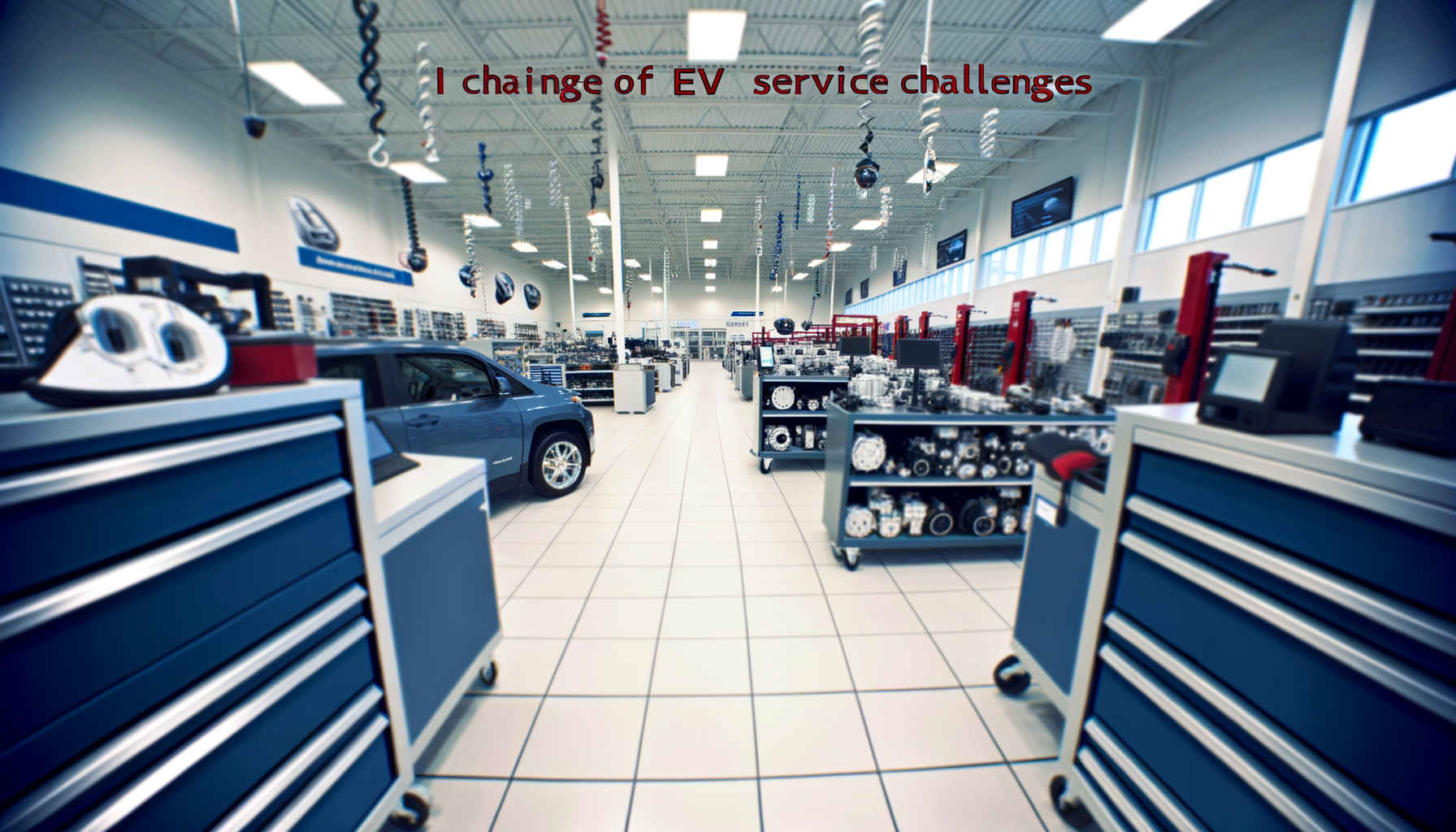
Parts availability is a significant challenge in EV servicing. To mitigate this, dealerships should develop strong relationships with OEMs and aftermarket suppliers to ensure a reliable inventory of critical EV parts. Implementing an automated inventory management system can forecast demand based on historical data, reducing lead times and ensuring parts are readily available when needed. Regularly review supplier performance and negotiate terms to optimize cost-effectiveness and delivery efficiency, ensuring your dealership remains competitive in service delivery.
Tip: Utilize predictive analytics to streamline parts ordering and reduce downtime due to parts shortages.
Maximizing Customer Experience and Satisfaction
Creating a Customer-Centric EV Service
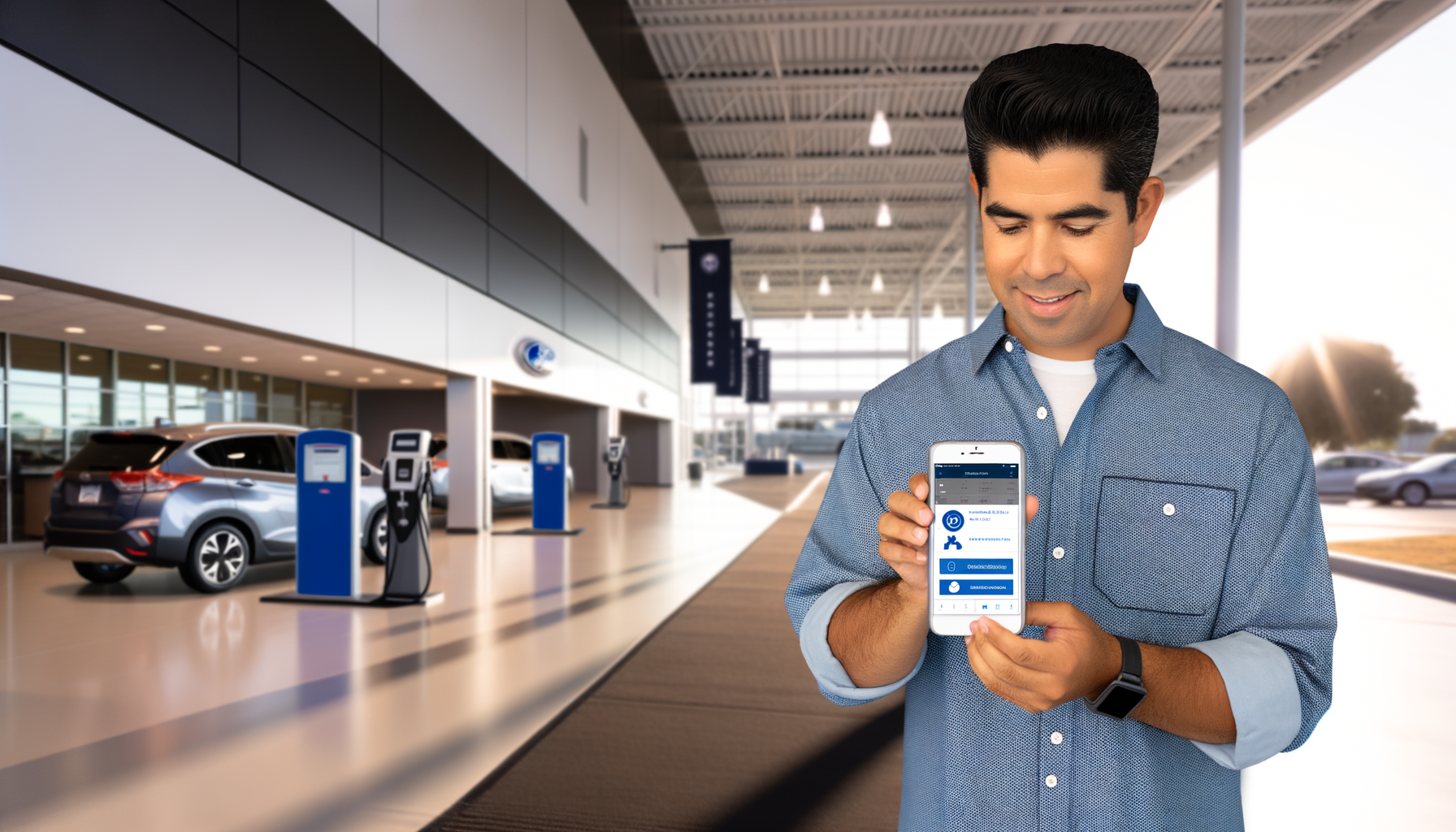
As customer expectations evolve, dealerships must focus on enhancing the service experience for EV owners. Digital service scheduling and real-time updates can significantly boost customer satisfaction. Personalized communication and transparent pricing models build trust and encourage repeat business. Offer additional services like vehicle pickup and delivery to add convenience. Regularly solicit feedback through surveys and adjust service offerings based on customer insights to continually improve the service experience.
1. Implement digital service scheduling platforms 2. Offer personalized service updates through mobile apps 3. Provide clear, upfront pricing for all services
Leveraging Data and Analytics for Service Efficiency
Harnessing Technology for Operational Excellence
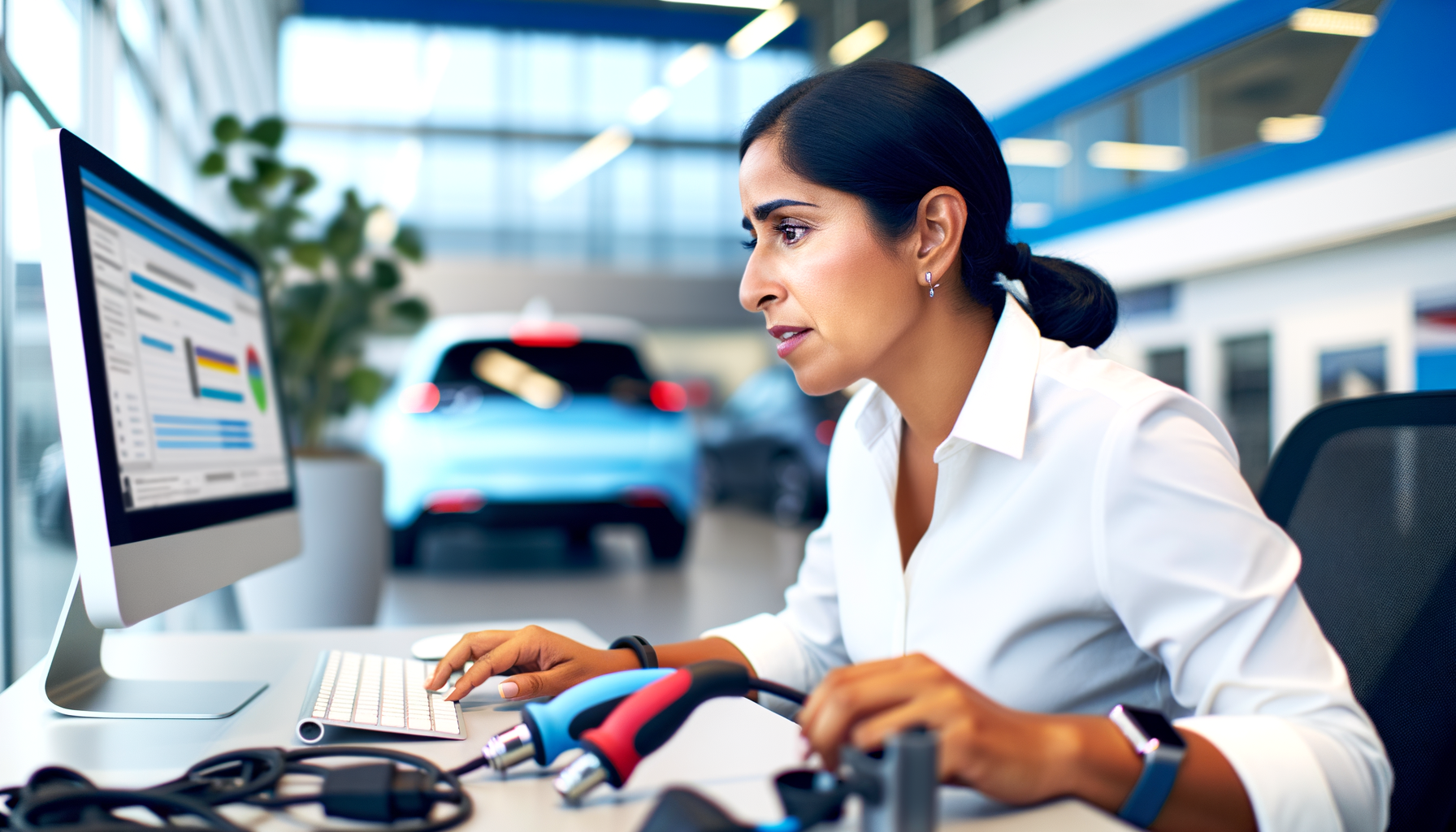
Data analytics is a powerful tool for enhancing service operations. By leveraging data, dealerships can identify trends, optimize labor utilization, and predict future service demands. Utilize analytics software to track key performance indicators (KPIs) such as service turnaround time and first-time fix rates, using these insights to refine processes and improve efficiency. Encourage a data-driven culture within the service department, promoting continuous improvement and proactive decision-making.
"Data-driven insights are the backbone of successful EV service departments, enabling precision in every aspect of operations." — Jane Smith, Automotive Analytics Expert
Questions managers ask
What are the best practices for training EV technicians?
The best practices include partnering with technical schools, offering OEM certification programs, providing continuous learning opportunities, and implementing mentorship systems to enhance skill development.
How can dealerships ensure a steady supply of EV parts?
Dealerships should develop strong OEM and supplier relationships, use automated inventory systems for demand forecasting, and regularly review supplier performance to streamline the supply chain.
What to do with this
Navigating the complexities of EV service challenges requires a strategic approach encompassing facility upgrades, technician training, and customer-centric practices. By leveraging data and investing in the right tools, dealerships can enhance service efficiency and satisfaction. Audit current facilities, develop technician training programs, and implement data analytics software to optimize service operations. Auto Pro Solutions offers a comprehensive suite of tools to aid in data analytics and service scheduling, helping dealerships streamline operations and improve customer satisfaction.
Related topics
More for service managers
Navigating EV Service: Overcoming Challenges for Sustainable Growth
Imagine your service department, bustling with the typical cadence of internal combustion engine (ICE) vehicles, suddenly confronted with the rapid influx of electric vehicles…
Conquering EV Service Challenges: The Ultimate Dealership Guide
Imagine walking into your service department and seeing a line of sleek electric vehicles (EVs) waiting for their turn in the bay. This scene isn't a distant future; it's…
Unplugged Perspectives: The Real Deal on EV Service Hurdles
The automotive world is shifting gears at a pace that leaves many dealerships in its wake, especially as electric vehicles (EVs) become more mainstream. You might be feeling…