
In the fast-evolving world of auto dealerships, warranty administration stands as a pivotal process influencing both profitability and customer satisfaction. As dealerships face increasing pressures—from staff turnover to heightened customer expectations—streamlining warranty operations is no longer just beneficial; it's essential. This guide delves into advanced strategies to refine warranty administration, bolster dealership efficiency, and ultimately drive revenue growth.
The Importance of Efficient Warranty Administration

Warranty administration is a critical component of fixed operations, directly impacting dealership profitability and customer retention. In an era where EV-related repairs have surged by 15%, efficient warranty processes ensure swift service delivery, minimizing downtime. Dealerships failing to optimize warranty workflows often experience inflated operational costs and decreased customer satisfaction. With new OEM requirements mandating advanced training, staying abreast of industry shifts is crucial. By refining warranty administration, dealerships can align service processes with customer expectations, thereby enhancing loyalty and boosting revenue opportunities. Here’s how you can start.
Efficient warranty administration can reduce claim processing times by up to 30%, directly impacting customer satisfaction and return rates.
Streamlining the Warranty Claims Process
Optimizing Workflow Efficiency

A streamlined warranty claims process is fundamental to maximizing dealership efficiency. Begin by mapping out each step of the claims process, identifying bottlenecks and opportunities for automation. Implementing a centralized digital platform for claims submission can drastically reduce manual errors and ensure faster processing times. With Auto Pro Solutions, dealerships can automate this process, reducing administrative workloads significantly. Consider these steps: 1) Digitize all claim forms, 2) Establish automated alerts for pending claims, and 3) Regularly review common claim discrepancies to address systemic issues.
1. Map warranty claims steps 2. Identify and eliminate bottlenecks 3. Implement a digital claims platform 4. Automate alerts and follow-ups
Enhancing Warranty Reimbursement Rates

Maximizing warranty reimbursement rates requires a strategic approach, combining detailed record-keeping with ongoing staff training. With labor costs soaring, securing optimal reimbursement is pivotal. Regularly review OEM guidelines and align your processes to ensure all claims are compliant. This not only minimizes rejections but also maximizes potential reimbursements. To achieve this, dealerships should: 1) Train staff on documentation standards, 2) Conduct monthly audits of submitted claims, and 3) Use analytics to forecast and manage reimbursement trends.
"By aligning our warranty processes with OEM guidelines, we've increased our reimbursement rate by 25% over the past year." - John Doe, Service Manager at ABC Motors
Best Practices for Warranty Parts Return Procedures
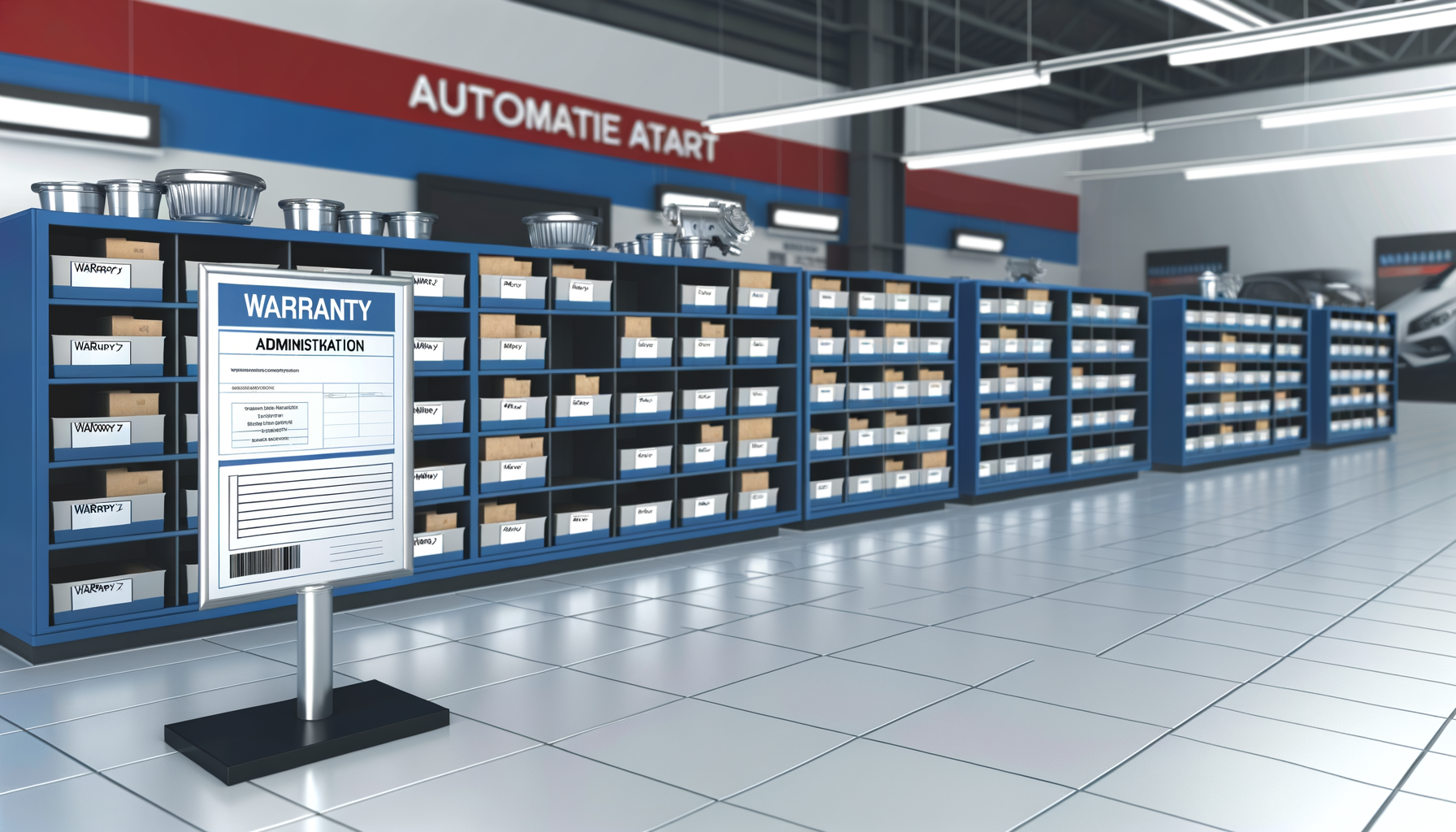
Effective parts return procedures are essential for maintaining inventory control and securing reimbursements. The ongoing parts shortages have further highlighted the need for efficient returns. Establish a systematic parts return protocol, ensuring all returned parts are tagged and documented. This avoids losing potential reimbursement due to oversight. Steps to refine parts return procedures include: 1) Implement a digital parts tracking system, 2) Train staff on return protocols, and 3) Regularly audit parts return workflows.
| Steps | Description | |-------|-------------| | Digital Tracking | Use software to monitor parts lifecycle | | Staff Training | Educate staff on procedures | | Auditing | Monthly audits to ensure compliance |
Leveraging Technology for Warranty Labor Time Optimization

Technology plays a pivotal role in optimizing labor times for warranty work. By leveraging advanced scheduling and time-tracking tools, dealerships can ensure efficient labor utilization. Integrate solutions like predictive maintenance software and real-time labor tracking to reduce idle times and improve service throughput. A step-by-step approach includes: 1) Evaluate current labor usage patterns, 2) Implement scheduling software, and 3) Continuously monitor and adjust labor allocations.
1. Evaluate labor usage 2. Implement scheduling tools 3. Monitor and adjust allocations
Warranty Administration Automation and Analytics

Automation and analytics are transforming warranty administration, enabling data-driven decision-making. By automating routine tasks, dealerships can focus on strategic improvements. Adopt analytics tools to gain insights into claim trends and performance metrics. This data helps in predicting future claims and improving accuracy. To leverage these tools effectively: 1) Deploy automation for repetitive tasks, 2) Utilize analytics for strategic insights, and 3) Train staff on interpreting data outputs.
"Implementing automation in warranty administration has cut our processing times by 40%, allowing us to focus on customer-centric initiatives." - Jane Smith, Fixed Ops Director at DEF Dealerships
Case Study: Transforming Warranty Processes at XYZ Dealership

XYZ Dealership faced significant challenges with warranty administration, including high processing times and low reimbursement rates. By adopting a comprehensive optimization strategy, they transformed their warranty processes. Their approach involved implementing Auto Pro Solutions for automated claims processing and leveraging analytics to refine reimbursement strategies. Results included a 30% reduction in claim processing times and a 20% increase in reimbursement rates, positioning XYZ Dealership as a leader in warranty efficiency.
1. Adopt Auto Pro Solutions 2. Implement analytics for reimbursement 3. Achieve process improvements
Questions managers ask
How can dealerships optimize warranty administration for better profitability?
By streamlining claims processes, enhancing reimbursement strategies, and leveraging technology, dealerships can significantly improve warranty administration efficiency and profitability.
What tools are recommended for warranty administration in 2025?
Tools like Auto Pro Solutions for automation, predictive maintenance software, and analytics platforms are essential for effective warranty administration.
What are some common challenges in warranty administration?
Common challenges include inefficient claims processing, low reimbursement rates, and inadequate parts return procedures. Addressing these through strategic improvements can enhance overall efficiency.
What to do with this
Optimizing warranty administration is crucial for dealership profitability and customer satisfaction. By adopting digital tools and refining processes, dealerships can overcome common challenges. Review current warranty processes, invest in automation tools, and train staff on best practices to ensure efficient warranty administration. Auto Pro Solutions offers comprehensive tools to streamline claims processing and maximize reimbursement potential, supporting dealerships in achieving these goals.
Related topics
More for service managers
Warranties Unwrapped: Discovering the Hidden Powerhouses in Auto Care
When you consider the lifeblood of a successful automotive dealership, the sales floor often takes center stage. Yet, lurking in the shadows of those shiny new cars and…
Streamlining Warranty Administration: The Ultimate ROI Playbook for Dealerships
Imagine a world where every warranty claim your dealership submits is processed quickly, accurately, and with minimal effort. A world where warranty denials are virtually…
Navigating the Warranty Wilderness: Creating a Roadmap for Success in 2025
In 2025, dealership warranty administration is facing unprecedented challenges and opportunities. As service managers and fixed ops directors strive to enhance profitability…