Navigating Warranty Administration: The Complete Guide to Boosting Dealer Profitability
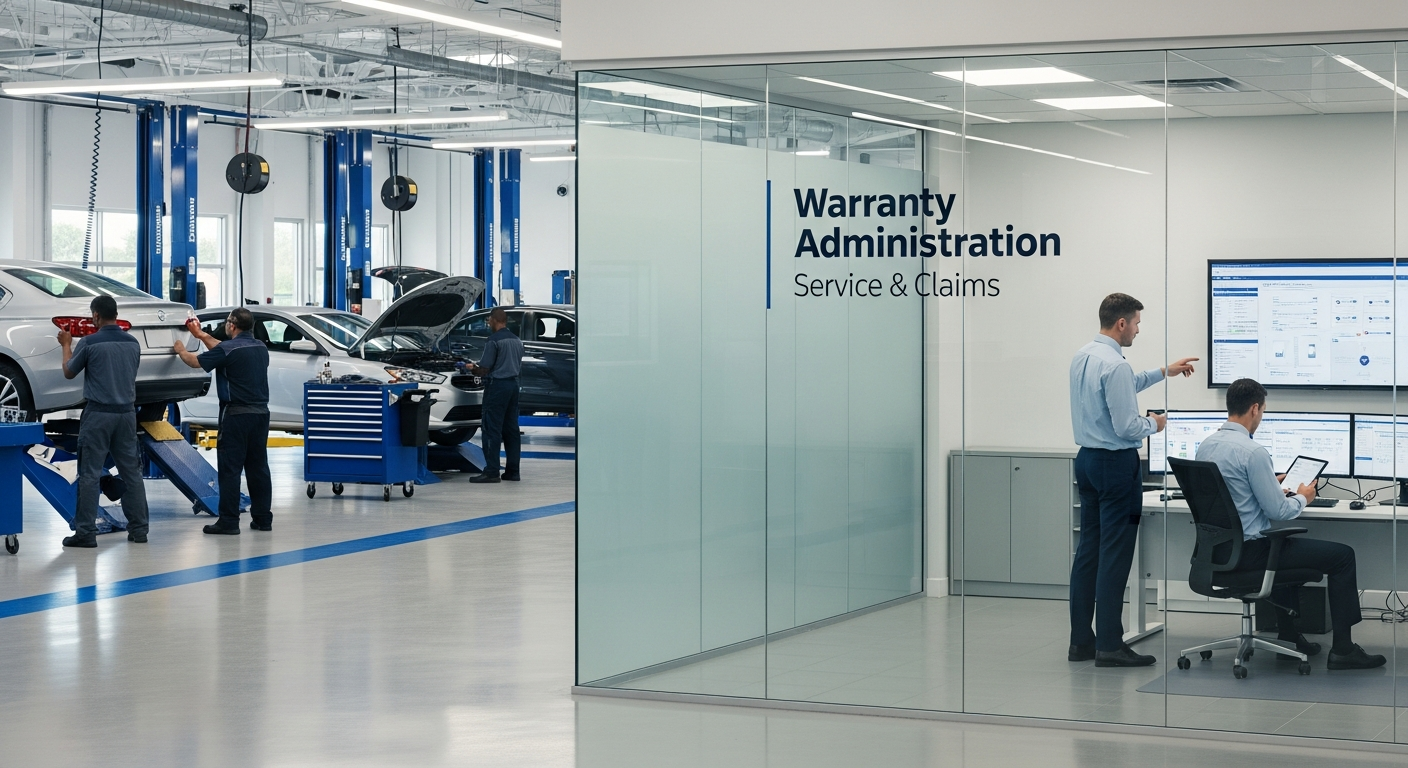
Understanding the Challenge
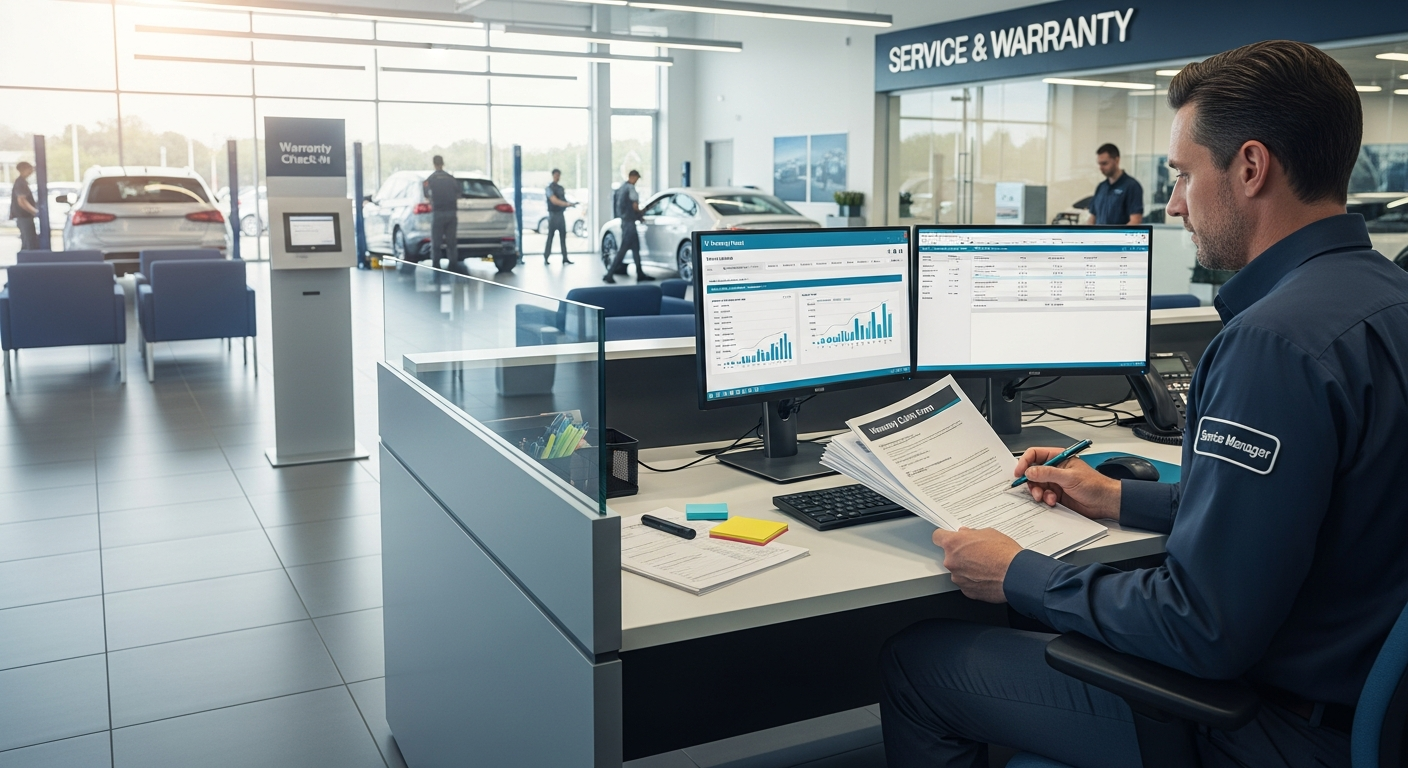
Warranty administration is often perceived as a daunting task due to the complexity of claim submissions and the high stakes involved. With warranty claims accounting for a significant portion of service business, the pressure to get it right is immense. The challenge is compounded by the administrative burden and frequent claim denials that can eat into dealership profits.
To add to the complexity, each OEM has its own set of rules and regulations, making it difficult to standardize processes across different brands. This lack of uniformity can lead to inconsistencies in claim submissions and an increased likelihood of denials. Moreover, the evolving landscape of state warranty reimbursement rules and OEM labor-time policies adds another layer of complexity.
A further complication arises from the increasing documentation demands. For instance, the need to attach diagnostic logs and ADAS calibration records to avoid denials and chargebacks has become a norm. This not only requires additional time and resources but also increases the risk of human error.
Operational risks such as DMS/cyber outages can also slow down submissions and extend the time-to-cash for warranty accounts receivable. In such scenarios, dealerships find themselves caught between maintaining workflow efficiency and ensuring the accuracy of submissions.
These challenges highlight the crucial need for a streamlined, automated approach to warranty administration that can adapt to the dynamic nature of the industry while enhancing dealership profitability.
Current Industry Landscape

The automotive industry is experiencing a rapid evolution in warranty administration, driven by new state laws and OEM policies. For instance, New Jersey's recent law to ensure fair dealer compensation for recall and warranty work reshapes labor-time and rate calculations, affecting how dealerships handle warranty claims.
According to NADA Data 2024, U.S. franchised dealers wrote 270 million repair orders and generated $156 billion in service and parts sales. This volume underscores the importance of efficient warranty claim processing to capitalize on the potential revenue from service operations.
However, the path to achieving true retail reimbursement without provoking OEM pushback is fraught with challenges. Dealers are keenly aware of the need to navigate the complexities of new legislation, like New York's 'reasonable compensation' standard for EV warranty reimbursements, which has already led to legal action against OEMs.
With warranty claims accounting for a substantial portion of dealership service business, the pressure to optimize processes has never been higher. The need for automation and integration with dealer management systems (DMS) is crucial to reduce errors and expedite the claims process.
In this context, understanding and adapting to industry trends is essential for dealerships to maintain competitiveness and enhance profitability through effective warranty administration.
The Solution Framework
Despite the challenges, there is a clear path to optimizing warranty administration. The solution lies in adopting a comprehensive framework that leverages technology and best practices to streamline claims processes.
Auto Pro Solutions offers a robust platform that integrates seamlessly with DMS and OEM portals, automating key aspects of the warranty claims process. By using tools like WarrCloud for automated claim processing and Armatus Dealer Uplift for retail warranty reimbursement submissions, dealerships can significantly reduce errors and increase first-pass acceptance rates.
The use of RPA and AI in claims processing is another game-changer. These technologies can automate repetitive tasks, such as coding and documentation, freeing up staff to focus on more strategic activities. This not only boosts efficiency but also reduces the likelihood of human error.
A key component of the solution framework is setting up a standardized KPI framework to monitor success. Metrics such as first-pass acceptance rate and average days-to-pay provide valuable insights into the effectiveness of the claims process.
Ultimately, the goal is to create a seamless, efficient warranty administration process that maximizes reimbursements and minimizes the administrative burden, leading to increased dealership profitability.
Implementation Guide
Implementing a successful warranty administration framework requires careful planning and execution. Begin by assessing your current processes to identify areas that need improvement. This includes reviewing your existing DMS and identifying integration opportunities with tools like WarrCloud and Armatus Dealer Uplift.
Next, focus on training your staff to use new technologies effectively. This may involve organizing workshops or partnering with vendors for specialized training sessions. The aim is to ensure that your team is well-equipped to handle the new processes with confidence.
Standardizing your documentation practices is another critical step. Create templates for common tasks such as ADAS calibration documentation and diagnostic logs to streamline submissions and reduce errors.
It's also important to regularly monitor your KPIs to track progress and identify areas for improvement. Set realistic targets for metrics like first-pass acceptance rate and days-to-pay, and use these insights to refine your processes.
Finally, consider outsourcing certain aspects of warranty administration to specialized providers if it aligns with your dealership's operational model. This can free up internal resources and provide access to expert knowledge and technology.
Measuring Success
Measuring the success of your warranty administration processes is crucial to ensuring continuous improvement and maximizing profitability. Key performance indicators (KPIs) provide valuable insights into the effectiveness of your strategies.
One of the most critical KPIs is the first-pass acceptance rate, which measures the percentage of claims accepted by OEMs on the first submission. A high first-pass acceptance rate indicates efficient and accurate claim processing.
Another essential metric is the average days-to-pay, which tracks the time it takes for warranty claims to be reimbursed. Reducing this figure can significantly improve cash flow and enhance dealership profitability.
Monitoring resubmission rates and aged receivables can also provide insights into the efficiency of your warranty administration processes. High resubmission rates may indicate underlying issues with claim accuracy or documentation.
By regularly tracking these KPIs and using them to guide process improvements, dealerships can drive substantial enhancements in their warranty administration outcomes, ultimately boosting revenue and customer satisfaction.
Advanced Strategies
Once the foundational elements of warranty administration are in place, dealerships can focus on advanced strategies to further optimize their processes. One such strategy is leveraging data analytics to identify trends and patterns in warranty claims.
Data-driven insights can help pinpoint common causes of claim denials and enable proactive measures to address these issues. This not only improves first-pass acceptance rates but also reduces the administrative burden of resubmissions.
Another advanced strategy involves collaborating with OEMs to gain a deeper understanding of their expectations and requirements. Establishing strong relationships with OEM representatives can facilitate smoother claim processing and foster mutual trust.
Additionally, exploring new technologies such as blockchain for secure and transparent warranty administration can provide a competitive edge. Blockchain can enhance data integrity and streamline communication between dealerships and OEMs.
By implementing these advanced strategies, dealerships can elevate their warranty administration processes to new heights, driving increased profitability and customer satisfaction.
Related Topics
Ready to take your service department to the next level?
Schedule your demo today and experience the power of Auto Pro Solutions.
Schedule Demo