Navigating the Service Labyrinth: A Modern Mentor's Blueprint for Success
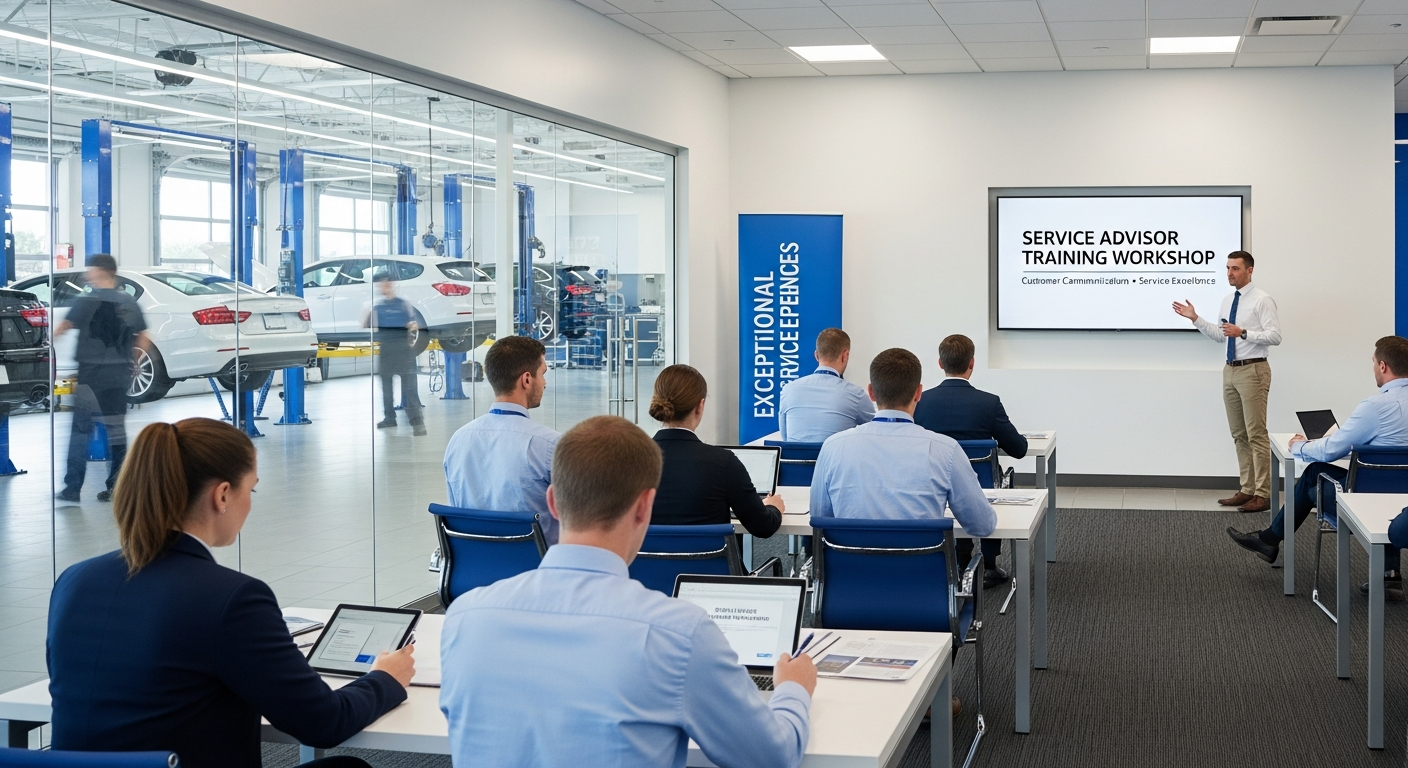
Understanding the Challenge
High turnover among service advisors is a persistent thorn in the side of many dealerships. It's more than just a staffing headache; it directly affects customer satisfaction and trust. When advisors frequently leave, customers face the inconvenience of starting anew with a different person, which can erode their confidence in your service department.
Inconsistent performance is another challenge that dealerships grapple with. Some advisors excel in upselling additional services and maintaining high customer satisfaction scores, while others struggle to meet basic metrics. This inconsistency can create a disjointed customer experience and lead to missed revenue opportunities.
The reasons behind these challenges are multifaceted. Often, service advisors are inadequately trained, lacking the skills necessary to manage the increasing complexity of modern vehicles and customer demands. This gap in training not only undermines their effectiveness but can also lead to job dissatisfaction and eventual turnover.
Moreover, the pressure to meet performance metrics without proper support can cause stress and burnout among advisors. This is exacerbated by inefficient workflows and outdated tools, which limit advisors' ability to operate efficiently and effectively.
Addressing these issues requires a proactive approach that focuses on comprehensive training, effective use of technology, and creating an environment where service advisors feel supported and valued.
Current Industry Landscape

The automotive service industry is undergoing significant changes, driven by technological advancements and evolving customer expectations. According to the National Automobile Dealers Association (NADA), franchised dealers wrote 137 million repair orders in the first half of 2025, generating $81 billion in service and parts revenue. This underscores the critical role service departments play in dealership profitability.
However, despite the volume of business, many dealerships struggle with long appointment lead times, averaging over five days according to J.D. Power. This is a significant pain point for customers who expect faster service in today's on-demand economy.
Technology is both a challenge and an opportunity in this landscape. While outdated systems can create inefficiencies, modern tools like Xtime for service scheduling and myKaarma for omnichannel communications offer solutions for improving workflow efficiency and customer engagement.
Dealerships that have embraced video multipoint inspections (MPIs) and AI-driven scheduling tools have seen tangible improvements. For example, stores utilizing TruVideo's video MPI with a high Video Quality Score achieved $59 higher parts and labor per repair order.
To thrive in this environment, dealerships must not only adopt these technologies but also ensure their service advisors are fully trained to leverage them effectively, aligning their skills with the latest industry practices.
The Solution Framework
Creating a successful service advisor training program involves a strategic framework that addresses the multifaceted challenges faced by dealerships. This program should focus on enhancing both technical skills and customer service capabilities, ensuring advisors are well-rounded professionals.
At the core of this framework is a structured curriculum that includes hands-on training with the latest technologies, such as AI-driven scheduling tools and video MPIs. This practical training is crucial for advisors to understand how to use these tools to improve efficiency and customer satisfaction.
In addition to technical training, soft skills development is vital. Advisors should be adept at communication, problem-solving, and building rapport with customers. These skills are essential for creating positive customer experiences and driving repeat business.
The training program should also incorporate regular assessments to track advisor progress and identify areas for improvement. By continuously refining skills, advisors can maintain high performance levels and adapt to evolving industry demands.
Moreover, integrating feedback loops from both customers and advisors is key. This ensures the training remains relevant and effective, addressing the real-world challenges advisors face daily.
Implementation Guide
Implementing a successful service advisor training program requires careful planning and execution. The first step is conducting a needs assessment to identify the specific skills gaps and training requirements within your service department.
Once the needs are clear, develop a comprehensive training program that includes both in-person workshops and online modules. This blended approach ensures flexibility and accommodates different learning styles.
Engage experienced trainers who can provide valuable insights and real-world examples. These trainers should not only be experts in automotive service but also skilled educators who can adapt their methods to suit your team.
Incorporate role-playing scenarios and simulations to give advisors practical experience in handling various customer interactions and service challenges. This experiential learning helps cement knowledge and build confidence.
Finally, establish a system for ongoing support and mentorship. Pairing new advisors with experienced mentors provides guidance and fosters a culture of continuous learning and improvement.
Measuring Success
Measuring the success of your service advisor training program is crucial to ensure it delivers the desired outcomes. Key performance indicators (KPIs) provide quantifiable data to assess the effectiveness of training initiatives.
One critical KPI is the hours per repair order (HPRO). An increase in HPRO typically indicates that advisors are more efficient and effective at upselling additional services. Another important metric is the effective labor rate (ELR), which measures the average revenue earned per labor hour. A rise in ELR suggests improved productivity and profitability.
Appointment lead time is another metric to track. Reducing the lead time from over five days to under three days can significantly enhance customer satisfaction and retention. This improvement often results from better scheduling practices and advisor efficiency.
First-time-fix (FTF) rate is a crucial benchmark for evaluating the technical proficiency of advisors. A higher FTF rate indicates that repairs are completed accurately the first time, reducing the need for return visits and increasing customer trust.
Regularly reviewing these KPIs allows dealerships to identify areas of success and opportunities for further improvement, ensuring that the training program remains aligned with business objectives.
Advanced Strategies
Once your initial training program is up and running, consider advanced strategies to further optimize and scale its impact. One approach is leveraging data analytics to gain insights into advisor performance and customer behavior, allowing for more targeted training interventions.
Personalizing training content based on individual advisor strengths and weaknesses can also enhance effectiveness. This tailored approach ensures that each advisor receives the support they need to excel in their role.
Expanding training beyond technical skills to include customer journey mapping and emotional intelligence can help advisors understand and meet customer expectations more effectively. This holistic approach fosters deeper customer relationships and loyalty.
Regularly updating training materials to reflect the latest industry trends and technologies is essential for maintaining relevance. Incorporating new tools, such as AI-driven customer interaction simulations, can keep training engaging and up-to-date.
Finally, consider creating a platform for advisors to share best practices and success stories. This peer-to-peer learning environment encourages collaboration and innovation, driving continuous improvement across the service department.
Related Topics
Ready to take your service department to the next level?
Schedule your demo today and experience the power of Auto Pro Solutions.
Schedule Demo