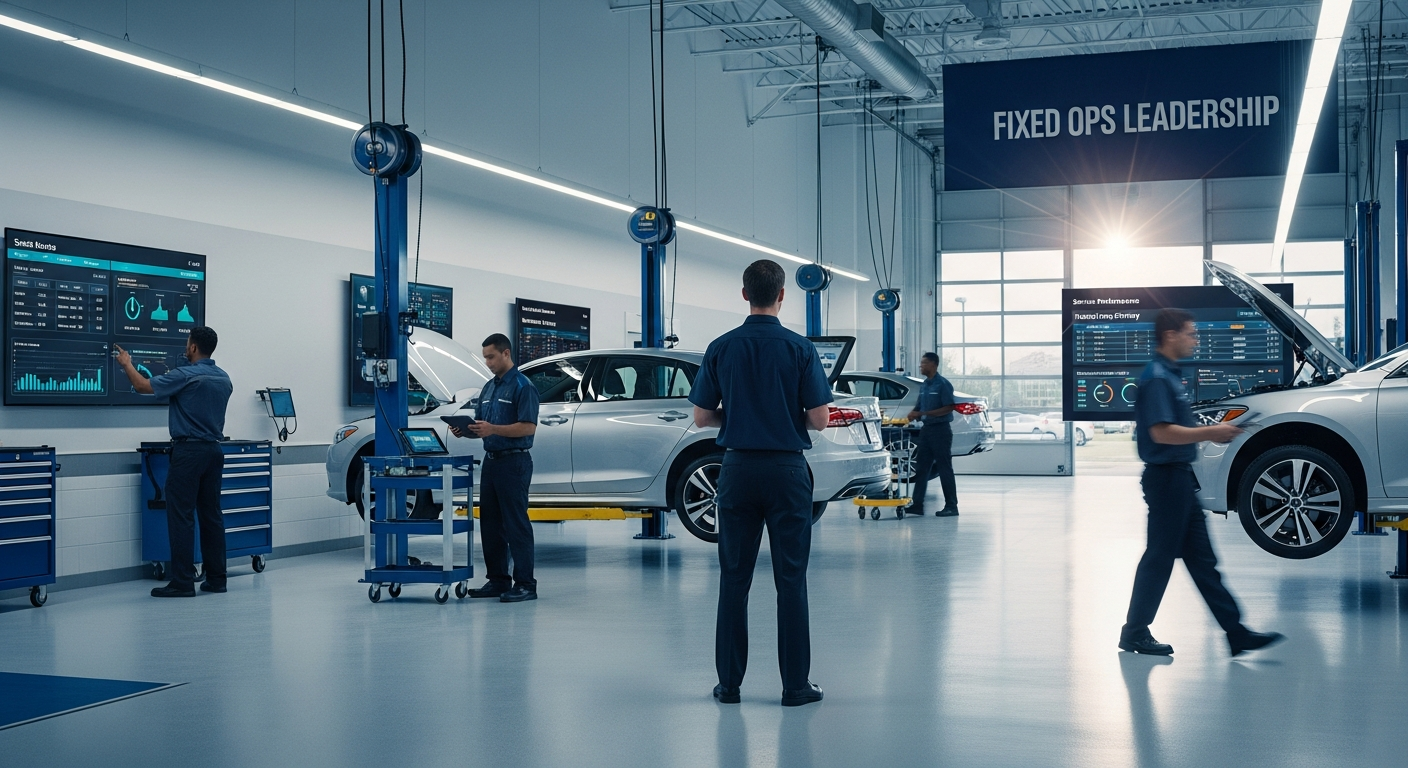
Imagine walking into your dealership service department, bustling with activity—technicians engaged, customers satisfied, and appointments running smoothly. For many service managers, this scenario feels like a distant dream, overshadowed by the relentless challenges of technician shortages, customer retention issues, and the ever-evolving technological landscape. It's no secret that the automotive service industry is undergoing seismic shifts. U.S. franchised dealers processed over 270 million repair orders in 2024, yet have seen a 12% decline in service visits since 2018. The average wait time for appointments remains stubbornly high, hovering around 5.2 days for mass market and 5.4 days for premium models. As a service manager, you might be wondering how to cut this lead time without sacrificing hours per repair order or customer satisfaction index. Your fixed ops department is not just a cost center; it should be a revenue engine, covering 100% or more of dealership overhead through fixed absorption. But achieving this requires more than just operational tweaks—it calls for dynamic leadership that can inspire and steer the team toward excellence. With Auto Pro Solutions, you have access to innovative tools and insightful strategies that empower you to overcome these hurdles. You'll learn how to harness technologies like video MPI, two-way texting, and secure online payments to accelerate service approvals and boost upsell close rates. You'll also explore the potential of insourcing key services like tire and brake repairs to reclaim lost visits from independents. This comprehensive playbook dives into the core challenges of fixed ops leadership, offering you a step-by-step guide to transform your service department into a high-performing powerhouse. Let's embark on this journey to redefine what's possible in fixed ops leadership.
Understanding the Challenge
Why Fixed Ops Leadership Is More Critical Than Ever
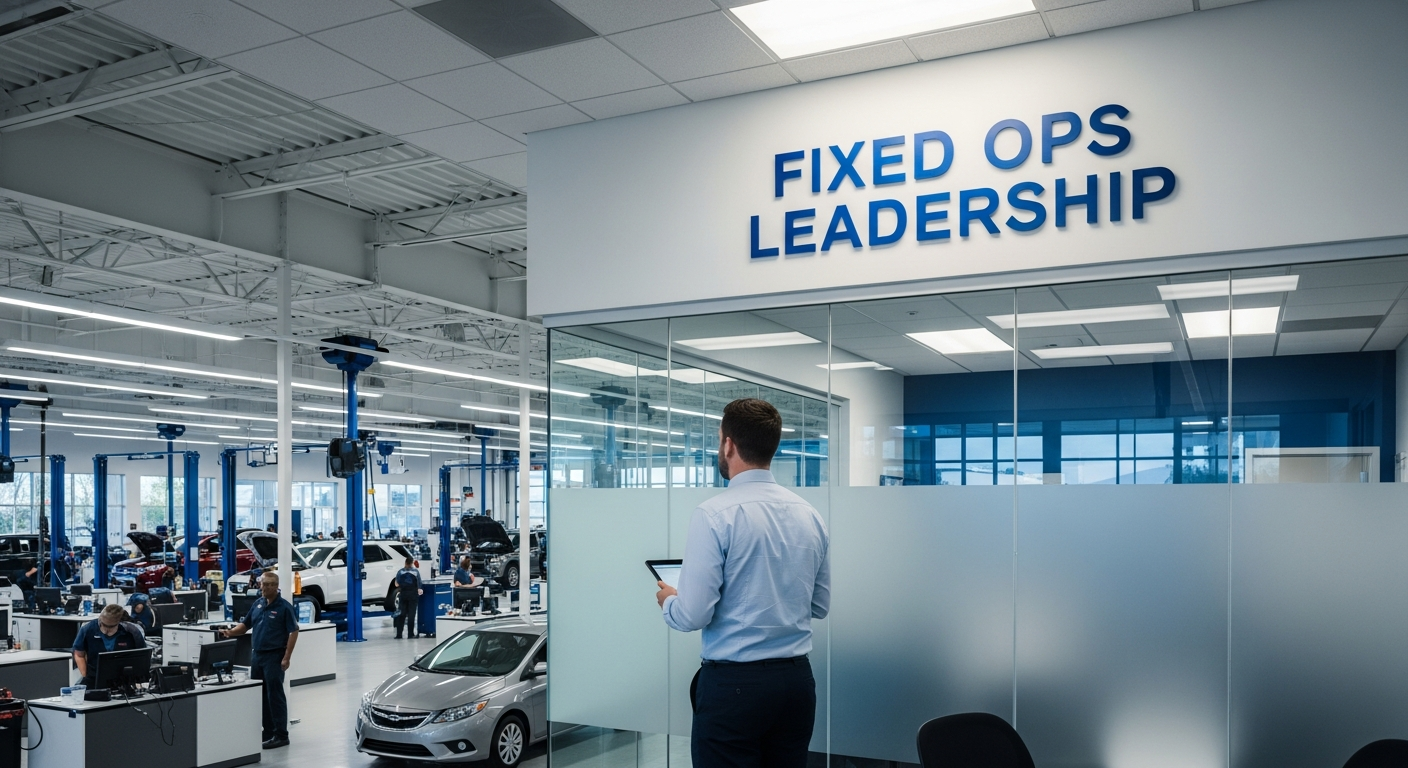
In today’s competitive automotive landscape, fixed ops departments face a myriad of challenges. Technician shortages are creating bottlenecks, driving capacity constraints and wage pressures. For instance, Ford recently reported over 5,000 open mechanic roles at dealerships, highlighting a broader industry issue. Moreover, the customer retention rate for service has dipped significantly, with only 54% of vehicle owners within two years returning to the selling dealer. Appointment lead times also remain a pressing concern, with mass market averages still above five days. Such delays can frustrate customers and erode loyalty, pushing them towards independent garages that promise quicker service. This is further compounded by the first-time fix gaps—12% of repairs in 2025 weren't completed correctly on the first attempt, often due to parts unavailability.
There’s also the looming challenge of adapting to electric vehicles (EVs), which could generate up to 40% less aftermarket spending than internal combustion engine (ICE) vehicles, potentially squeezing parts revenue. The service satisfaction gap between BEV and ICE owners underscores the urgency to enhance EV servicing capabilities. Addressing these issues demands more than operational adjustments. It requires a transformative approach in leadership, where proactive strategies and the integration of advanced technologies lead the way.
Current Industry Landscape
Navigating the Evolving Fixed Ops Terrain
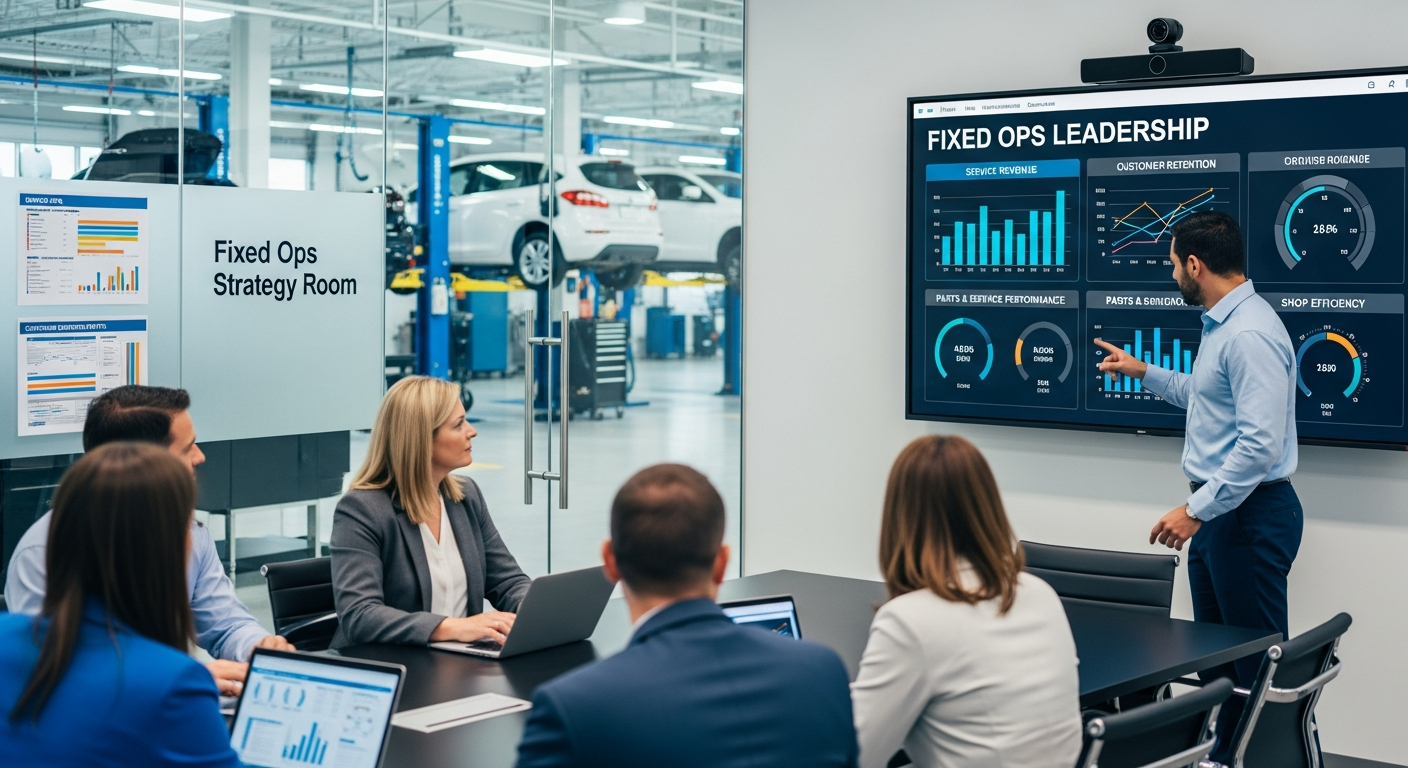
The automotive service industry is undergoing rapid transformation. With projected demands estimating the need for 470,000 automotive technicians between 2024 and 2028, dealerships are in a race against time to recruit and retain skilled labor. The aging U.S. car parc, now averaging 12.8 years, presents both challenges and opportunities for fixed ops leaders. Digital convenience is becoming a key differentiator as dealerships face the risk of losing customers to independent service providers. The integration of technologies such as video MPI, two-way texting, and online payment systems is no longer optional. These tools help streamline service approvals, enhance customer communication, and improve operational efficiency. Moreover, the industry is grappling with cybersecurity challenges.
Recent cyberattacks, like the CDK Global incident in 2024, disrupted operations across 15,000 dealerships, highlighting vulnerabilities that must be addressed. As service managers, ensuring robust DMS integration and cybersecurity measures is paramount. Understanding these industry dynamics enables fixed ops leaders to tailor strategies that align with market needs and customer expectations, ultimately driving dealership profitability.
Projected Technician Need | Car Parc Average Age | Service Visit Decline -------------------------|----------------------|--------------------- 470,000 (2024-2028) | 12.8 years | 12% since 2018
The Solution Framework
Empowering Leadership with Innovative Tools and Strategies
Auto Pro Solutions provides a transformative framework that empowers service managers to address today's fixed ops challenges effectively. The integration of tools like Xtime for scheduling, video MPI for service inspection, and texting platforms for communication can revolutionize service department operations. The key to success lies in leveraging these technologies to reduce appointment lead times without compromising customer satisfaction or hours per repair order. Real-world examples show that dealerships implementing video MPI and texting see faster service approvals and higher upsell close rates. In addition, insourcing essential services such as tire and brake repairs can help recapture lost visits from independents. By optimizing bay and technician mixes, dealerships can maximize ROI over a 12–24 month period. This solution framework not only focuses on technology but also emphasizes leadership development. By fostering a culture of continuous improvement and empowering teams with the right tools and training, fixed ops leaders can drive sustainable growth.
Implementation Guide
Practical Steps for Transforming Fixed Ops Leadership
Implementing a transformative fixed ops leadership strategy requires careful planning and execution. Begin by assessing your current service department's strengths and weaknesses. Identify areas where technological integration can yield immediate improvements, such as scheduling efficiency or approval times. Next, create a roadmap for technology adoption. Prioritize tools that align with your dealership's specific needs, starting with platforms like video MPI and texting solutions. Engage staff with comprehensive training sessions to ensure seamless implementation and usage. Focus on optimizing operations by adjusting bay and technician allocations based on service demand. Consider protecting a percentage of capacity for same-day or express work to reduce lead times without increasing carryovers. Leadership development plays a crucial role in this transformation. Encourage continuous learning and provide opportunities for service managers to enhance their skills in team management and customer engagement.
Measuring Success
Key Performance Indicators for Fixed Ops Excellence
Success in fixed ops leadership is quantifiable. Establishing and tracking key performance indicators (KPIs) ensures that your strategies produce tangible results. Fixed absorption, where service and parts gross cover 100% or more of dealership overhead, remains a critical metric. Monitoring the first-time fix rate is equally important. Aim for a rate of 90% or higher to maintain customer trust and satisfaction. Appointment lead times should ideally be reduced to three days or less, ensuring swift service access for customers. Additionally, track the effectiveness of video MPI and texting tools by measuring approval times and upsell close rates. These metrics provide insights into the efficiency of your service operations and the impact of technological integration. Continually assess these KPIs to identify areas for further improvement and ensure that your service department remains competitive and profitable.
Key KPI | Target Value --------|------------- Fixed Absorption | 100%+ First-Time Fix Rate | ≥90% Appointment Lead Time | ≤3 days
Advanced Strategies
Optimizing and Scaling Fixed Ops Leadership
Once foundational strategies are in place, advanced tactics can further optimize and scale your fixed ops leadership. Embrace continuous improvement by regularly reviewing and refining processes based on KPI data and market insights. Experiment with different combinations of video MPI, texting, and online payment solutions to identify the most effective sequence for your dealership. Consider A/B testing to refine these workflows and maximize efficiency. Explore opportunities to insource additional services like alignments, utilizing ROI calculators to analyze potential gains. Adjust bay configurations and technician roles to accommodate new services without sacrificing existing capabilities. Finally, prepare for future challenges by investing in EV readiness. This includes high-voltage training, tooling, and safety protocols to ensure your service department can handle the growing demand for EV servicing.
Questions managers ask
How can we reduce appointment lead times without affecting hours per RO?
Reducing appointment lead times requires careful capacity management. Prioritize scheduling efficiencies by integrating tools like Xtime and ensuring that a percentage of capacity is reserved for same-day work. This approach helps accommodate urgent requests without impacting the overall hours per RO.
What tools can accelerate service approval times and improve upsell close rates?
Implementing video MPI, two-way texting, and secure online payment platforms like ReyPAY can significantly speed up service approvals and enhance upsell close rates. These tools facilitate transparent communication and quick decision-making, leading to enhanced customer satisfaction and increased revenue.
Which services should we insource to regain lost visits from independents?
Consider insourcing high-demand services such as tires, brakes, and alignments. These services commonly draw customers to independent shops. By offering competitive pricing and exceptional service, dealerships can recapture this business and increase overall profitability.
How can we ensure our service department is prepared for EV servicing?
Preparing for EV servicing involves investing in specialized training and tooling. Ensure your technicians are certified in high-voltage systems and that your service bay is equipped with the necessary tools for EV maintenance. Developing clear safety protocols is also critical for handling EV repairs.
What steps can be taken to protect against cybersecurity threats?
To safeguard against cybersecurity threats, implement robust DMS integration and ensure all software systems are up-to-date with the latest security patches. Regularly train staff on recognizing phishing attempts and secure customer data using encryption and multi-factor authentication.
What to do with this
Fixed ops leadership is a pivotal element in driving dealership success. By integrating advanced technologies, optimizing service operations, and fostering a culture of continuous improvement, service managers can overcome industry challenges and enhance profitability. Begin by assessing your current service department operations and identify areas for technological integration. Implement training programs for staff to ensure effective adoption of new tools and processes. Auto Pro Solutions has empowered numerous dealerships to excel in fixed ops leadership by providing cutting-edge tools and insights tailored to modern challenges. Explore our solutions to transform your service department today.
Related topics
More for service managers
Charting the Course: Steering Fixed Ops Leadership into the Next Era
Imagine your dealership's service department buzzing with activity, every bay occupied, and technicians working seamlessly, yet the numbers still don't add up. You're not…
Empowering Dealership Service Teams: The Essential Leadership Playbook
In the fast-paced world of automotive service departments, leadership plays a pivotal role in driving performance and profitability. Service managers often find themselves…
Mastering Fixed Ops Leadership: The 2025 Playbook for Dealership Success
In the rapidly evolving automotive landscape, fixed ops leadership stands as a pivotal force in driving dealership success. Facing profitability pressures, technological…