Mastering Warranty Administration: Navigate Reimbursements and Reduce Errors
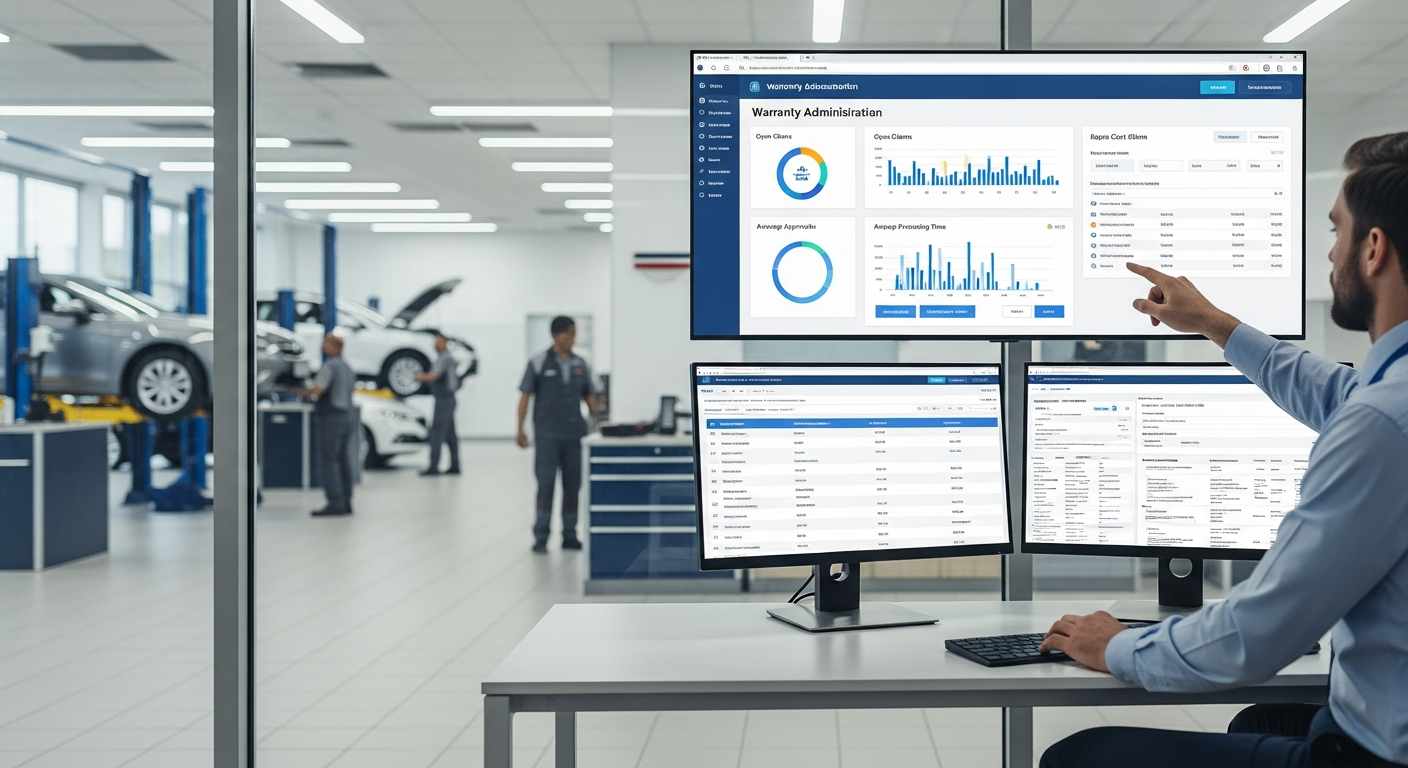
Understanding the Challenge

Dealing with warranty claims can feel like navigating a labyrinth. Each claim requires meticulous attention to detail, from proper documentation to timely submission. The complexity increases with varying state laws and differing OEM requirements, leading to frequent claim denials. For instance, a missed detail in a diagnostic report can result in an outright rejection, impacting cash flow and profitability.
In addition to the financial strain, the administrative burden takes away from focusing on customer satisfaction. Service departments are often stretched thin, managing both technical work and administrative duties, which can lead to burnout and high turnover rates. This dual burden can affect employee morale and, ultimately, customer loyalty.
Moreover, the rapid evolution of automotive technology, especially with the rise of electric vehicles (EVs), adds another layer of complexity. EV warranties demand specific documentation, such as battery State of Health (SOH) reports, and adherence to high-voltage safety protocols. Failure to comply can mean denied claims and increased scrutiny during audits.
The stakes are high. A recent study revealed that 12% of dealer repairs are not completed correctly on the first visit, often due to documentation and training gaps. This statistic underscores the need for comprehensive training and a streamlined warranty process to improve first-time-fix rates and reduce rework.
Navigating these challenges requires a strategic approach. By understanding the root causes of errors and inefficiencies, you can begin to implement solutions that not only reduce administrative burdens but also maximize profitability.
Current Industry Landscape

The automotive industry is in a state of flux, with warranty and recall volumes reaching unprecedented levels. According to recent data, automakers issued 96 recall campaigns in Q3 2025 alone, affecting over 8.5 million vehicles. Despite advancements in Over-The-Air (OTA) updates, a majority of these recalls still require in-dealership repairs.
Warranty claim rates vary significantly among manufacturers, with Ford, GM, and Tesla showing different patterns. For instance, Ford's warranty claims rate stands at 3.5% compared to Tesla's 1.8% in mid-2025. These discrepancies highlight the importance of tailoring warranty strategies to specific OEM requirements and trends.
State laws are also evolving, with many states enacting dealer-friendly warranty reimbursement laws. These laws limit OEMs' ability to challenge declared retail labor rates and enhance coverage for diagnostic time and rentals. Staying abreast of these changes is crucial for maximizing warranty recoveries.
The rise of EVs presents new challenges and opportunities. Recent probes into EV performance and battery warranty limits underscore the need for transparent and robust warranty documentation. As states begin to allow third-party labor time guides, dealerships must adapt their operations to ensure compliance and optimize time allowances.
Overall, the landscape is characterized by increased regulatory scrutiny, technological advancements, and shifting consumer expectations. Dealerships that can navigate these trends effectively will be better positioned for long-term success.
The Solution Framework
To tackle the complexities of warranty administration, embracing technology is a game-changer. Automation tools like Auto Pro Solutions can streamline the entire process, from claim coding to submission and scheduling. This reduces the risk of human error and ensures higher claim acceptance rates.
With the integration of artificial intelligence, dealerships can automate routine tasks and focus on more strategic activities. For example, AI-driven platforms can analyze claim data to identify patterns and suggest improvements, ultimately reducing denial rates and increasing reimbursement.
Moreover, implementing a centralized workflow that integrates with DMS, OEM portals, and recall tools can create a seamless process for warranty, recall, and rental/loaner reimbursements. This not only improves efficiency but also enhances data accuracy and compliance.
Adopting these technologies requires careful planning and execution. Training staff on new systems and processes is vital to ensure a smooth transition and maximize the benefits of automation.
By leveraging technology, dealerships can transform their warranty administration from a burdensome task into a streamlined, revenue-positive process.
Implementation Guide
Implementing a robust warranty administration solution involves several key steps. First, assess your current processes to identify bottlenecks and inefficiencies. This assessment will help tailor the solution to your specific needs.
Next, choose the right technology partner. Look for solutions that offer seamless integration with existing systems, robust data analytics capabilities, and comprehensive support. Auto Pro Solutions, for instance, provides a range of features designed specifically for dealerships.
Once you've selected a solution, develop a detailed implementation plan. This should include a timeline, resource allocation, and specific goals for each phase. Setting clear expectations will help manage change and ensure all stakeholders are aligned.
Training is critical. Ensure that all staff members, from technicians to service advisors, are well-versed in the new processes. Provide ongoing support and resources to facilitate continuous learning and adaptation.
Finally, monitor progress and adjust as needed. Collect data on key performance indicators (KPIs) such as claim acceptance rates and days-to-pay. Use this data to refine your approach and drive continuous improvement.
Measuring Success
To ensure your warranty administration efforts are successful, it's essential to track the right KPIs. One critical metric is the warranty claim acceptance rate, with a target of over 98% indicating effective process management.
Another important KPI is the first-time fix rate on warranty ROs. A higher rate signifies efficient repairs and thorough documentation, reducing the likelihood of re-submissions and chargebacks.
Monitoring the days-to-pay for warranty and recall claims is also crucial. Shortening this cycle time improves cash flow and reduces financial strain on the department.
Additionally, tracking the denial rate by reason can provide insights into common issues and areas for improvement. This information can guide training and process adjustments to prevent future errors.
Finally, maintaining an internal audit cadence ensures compliance with OEM requirements and state laws. Regular audits help identify potential discrepancies and reinforce best practices across the department.
Advanced Strategies
Once your warranty administration processes are in place, exploring advanced strategies can further enhance efficiency and profitability. One such strategy is leveraging third-party labor time guides where allowed, providing flexibility and potentially higher reimbursements.
Integrating predictive analytics can also transform your approach. By analyzing historical data, you can predict potential claim denials and address them proactively, reducing the overall denial rate.
Scaling your processes efficiently is another consideration. As your dealership grows, maintaining the same level of efficiency requires robust systems and scalable solutions.
Implementing a continuous feedback loop with OEMs can also prove beneficial. Regular communication ensures alignment with evolving standards and can help mitigate compliance risks.
Finally, fostering a culture of continuous improvement within your service department encourages innovation and adaptation, driving long-term success.
Related Topics
Ready to take your service department to the next level?
Schedule your demo today and experience the power of Auto Pro Solutions.
Schedule Demo