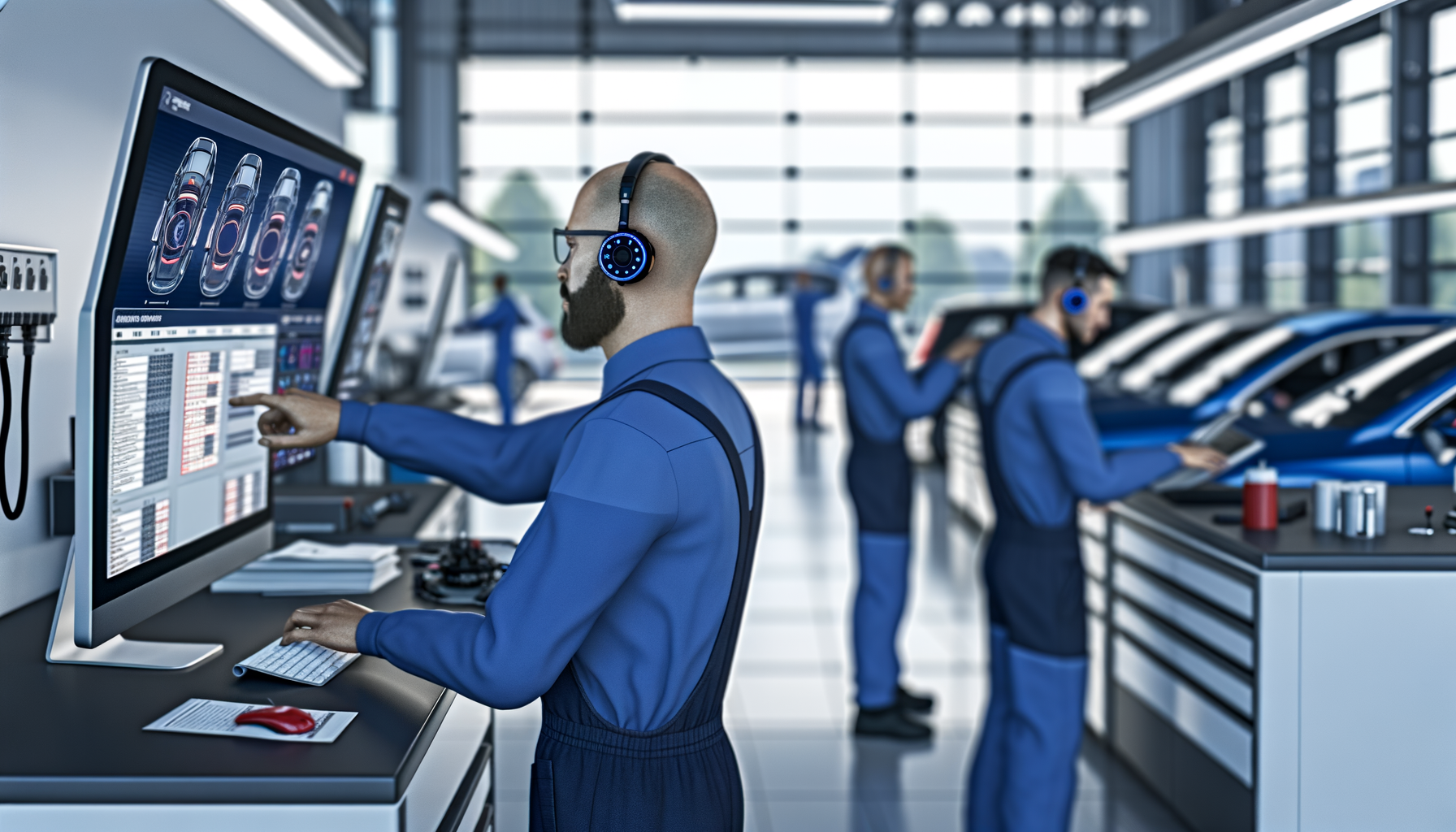
In an era where customer expectations are soaring and technology is advancing at breakneck speeds, automotive dealerships face mounting pressure to streamline their service departments. By leveraging cutting-edge strategies and automation, service managers can achieve unprecedented efficiency, enhance customer satisfaction, and boost profitability. This guide unpacks the secrets to mastering service department efficiency in 2025, offering actionable insights grounded in industry expertise.
Understanding the Modern Service Department Landscape
Challenges and Opportunities in 2025

The automotive service industry is undergoing significant transformation, driven by technological advancements and evolving consumer expectations. With a 15% increase in EV-related repairs, service departments must adapt to new types of vehicle maintenance. OEMs are introducing new training requirements, emphasizing the need for dealerships to stay current with manufacturer updates. These changes present both challenges and opportunities for improving service efficiency. To navigate this landscape, service managers should prioritize investments in staff training and technology adoption, ensuring that their teams are equipped to handle contemporary service demands efficiently.
"In 2025, the service departments that thrive will be those that proactively embrace technology and continuous learning." - John Doe, Automotive Industry Analyst
Key Efficiency Metrics to Drive Success
Measuring What Matters
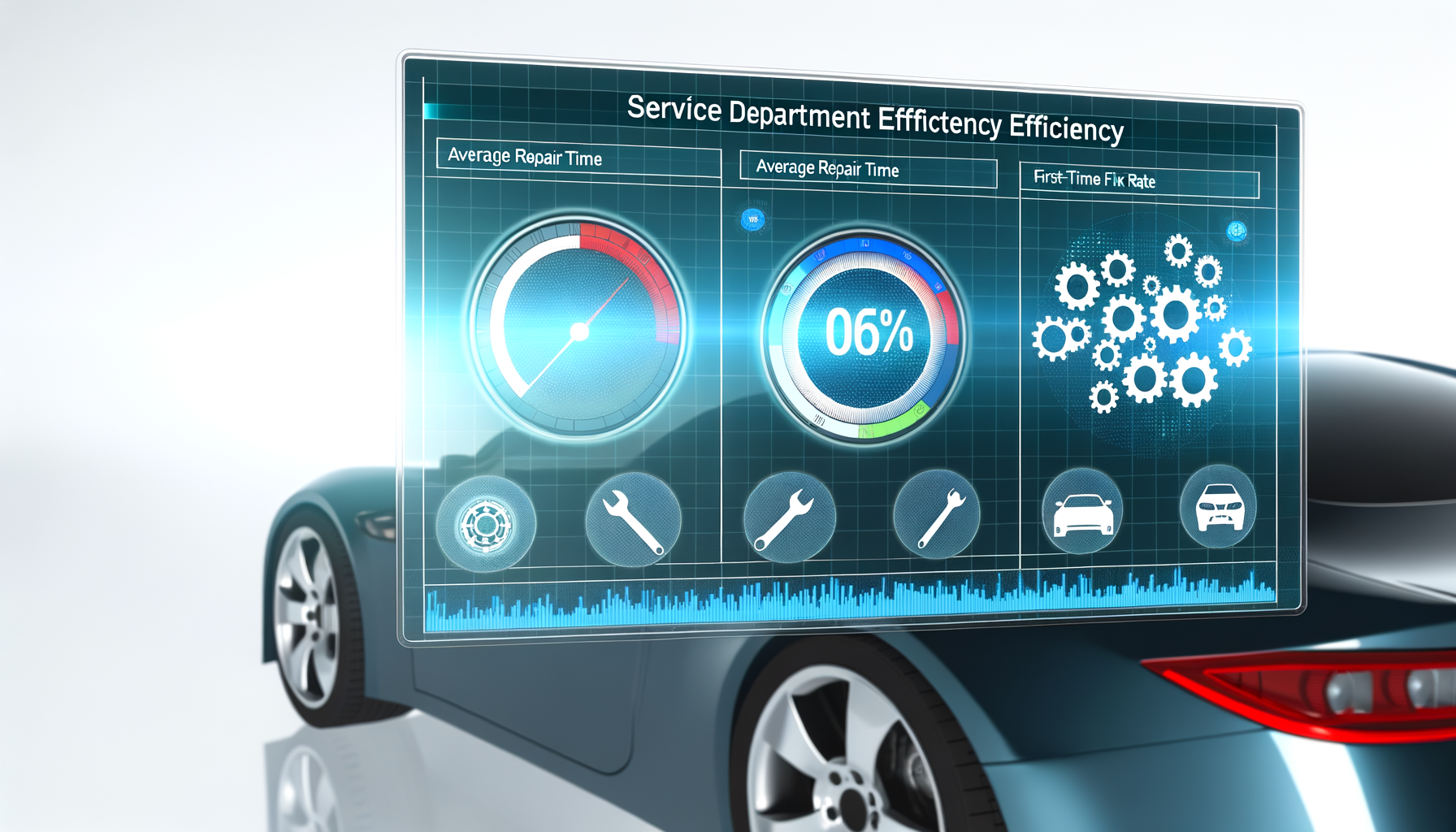
Efficiency metrics are critical for service departments to gauge performance and identify areas for improvement. Key metrics include average repair time, first-time fix rate, and service bay utilization. For instance, dealerships achieving a 90% first-time fix rate typically see significant improvements in customer satisfaction and repeat business. This metric is essential for reducing repeat visits and enhancing operational efficiency. By implementing a system for tracking these metrics, service managers can make data-driven decisions that align with departmental goals and customer expectations.
| Metric | Definition | Ideal Range | |---|---|---| | First-time Fix Rate | Percentage of repairs completed correctly the first time | 85-95% | | Service Bay Utilization | Percentage of time service bays are actively used | 80-90% |
Implementing Advanced Workflow Automation
Streamlining Operations with Technology

Automation is revolutionizing the automotive service industry, offering solutions for streamlining repetitive tasks and improving accuracy. Implementing software like Auto Pro Solutions helps automate scheduling, parts ordering, and job allocation. A hypothetical case study shows that a dealership implementing automated scheduling reduced wait times by 30%, substantially improving customer satisfaction. Service managers should start by identifying bottlenecks in their workflow that could benefit from automation, then gradually integrate solutions to optimize these areas.
Did You Know? Dealerships that utilize automation in service processes report a 25% increase in overall efficiency. Consider starting with automated scheduling and inventory management for immediate gains.
Optimizing Service Bay Utilization
Maximizing Throughput and Minimizing Downtime

Service bays are a dealership's most valuable asset, and maximizing their utilization is crucial for enhancing efficiency. This involves strategic scheduling and effective resource allocation. A recent industry study highlighted that dealerships optimizing bay utilization experience a 20% increase in throughput without additional staffing. Practical steps include analyzing historical data to forecast peak times and adjusting technician shifts accordingly to ensure bays are never underutilized.
1. Conduct a time-motion study to identify inefficiencies. 2. Implement dynamic scheduling software. 3. Regularly review and adjust technician shifts based on demand forecasts.
Leveraging Data Analytics for Continuous Improvement
Turning Insights into Action

Data analytics provides invaluable insights that can drive continuous improvement in service departments. By analyzing service records, customer feedback, and repair times, managers can identify trends and opportunities for enhancement. Advanced analytics tools can predict service needs, allowing for preemptive maintenance planning and reduced vehicle downtimes. Begin by integrating a robust analytics platform to consolidate data from various sources, then train staff on interpreting and leveraging these insights for strategic decision-making.
| Data Source | Insight | Actionable Outcome | |---|---|---| | Customer Feedback | Service satisfaction levels | Tailor services to customer needs | | Repair Times | Average time per service type | Optimize resource allocation |
Training and Retaining a High-Performance Team
Building Skills for the Future
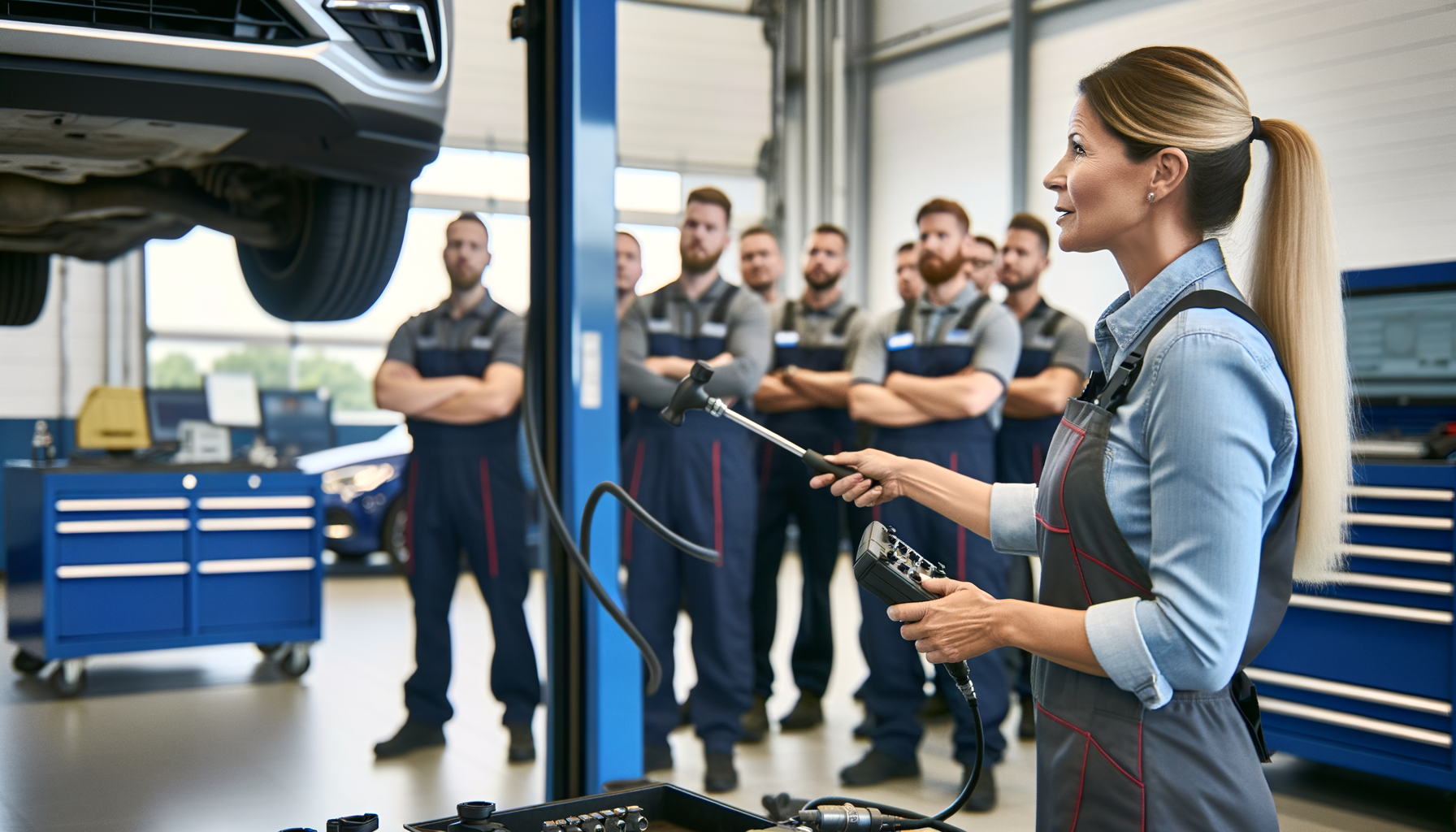
As technology evolves, so too must the skills of the service department team. Continuous training is vital to ensure technicians and service advisors remain at the forefront of industry developments. Dealerships investing in comprehensive training programs report a 30% reduction in staff turnover and a significant boost in job satisfaction. Consider partnering with OEMs for the latest training modules and incentivize skill development through career advancement opportunities.
Key Insight: Regular skill assessments and feedback loops help identify training needs and tailor programs to individual career paths.
Innovations in Customer Experience for Loyalty
Enhancing Satisfaction through Digital Solutions

In 2025, 68% of customers prefer digital service scheduling, emphasizing the need for dealerships to adopt user-friendly digital interfaces that simplify appointment booking and communication. Dealerships implementing digital check-ins and real-time service updates have seen a 40% increase in customer retention rates. Start by assessing your current customer touchpoints and explore digital tools that can enhance the overall service experience, ensuring seamless communication and convenience.
1. Launch an intuitive digital scheduling platform. 2. Implement real-time service status updates via app notifications. 3. Gather and act on customer feedback through digital surveys.
Questions managers ask
What are the best tools for service department efficiency?
The best tools include automation software for scheduling and inventory management, data analytics platforms for performance tracking, and digital communication interfaces for enhanced customer interaction.
How do you calculate ROI for service department efficiency improvements?
Calculate ROI by comparing the cost savings from efficiency improvements (e.g., reduced labor hours, increased throughput) against the initial investment in tools and training. This can provide a clear picture of financial benefits over time.
What to do with this
Service department efficiency is the cornerstone of successful dealership operations in 2025. By embracing technology, refining workflows, and prioritizing customer experience, dealerships can achieve substantial efficiency gains, boosting both profitability and customer loyalty. Review current workflows for bottlenecks, implement recommended tools, and invest in ongoing staff training to maintain a competitive edge. Auto Pro Solutions offers comprehensive automation and analytics tools to streamline service department operations, ensuring dealerships achieve peak efficiency.
Related topics
More for service managers
Turbocharge Your Service Bay: Harnessing Innovative Practices for Maximum Efficiency
In today's fast-evolving automotive landscape, dealership service departments are under immense pressure to boost efficiency while maintaining high standards of customer…
Circuit Savvy: Electrifying Your Service Department’s Performance Metrics
In today's competitive automotive industry, dealership service departments face mounting pressures to increase efficiency and profitability while maintaining high customer…
Wrenching Time: Turbocharging Productivity in Tomorrow's Service Bays
In the high-stakes world of automotive service departments, efficiency isn't just a goal—it's a necessity. As service managers and fixed ops directors confront the pressures…