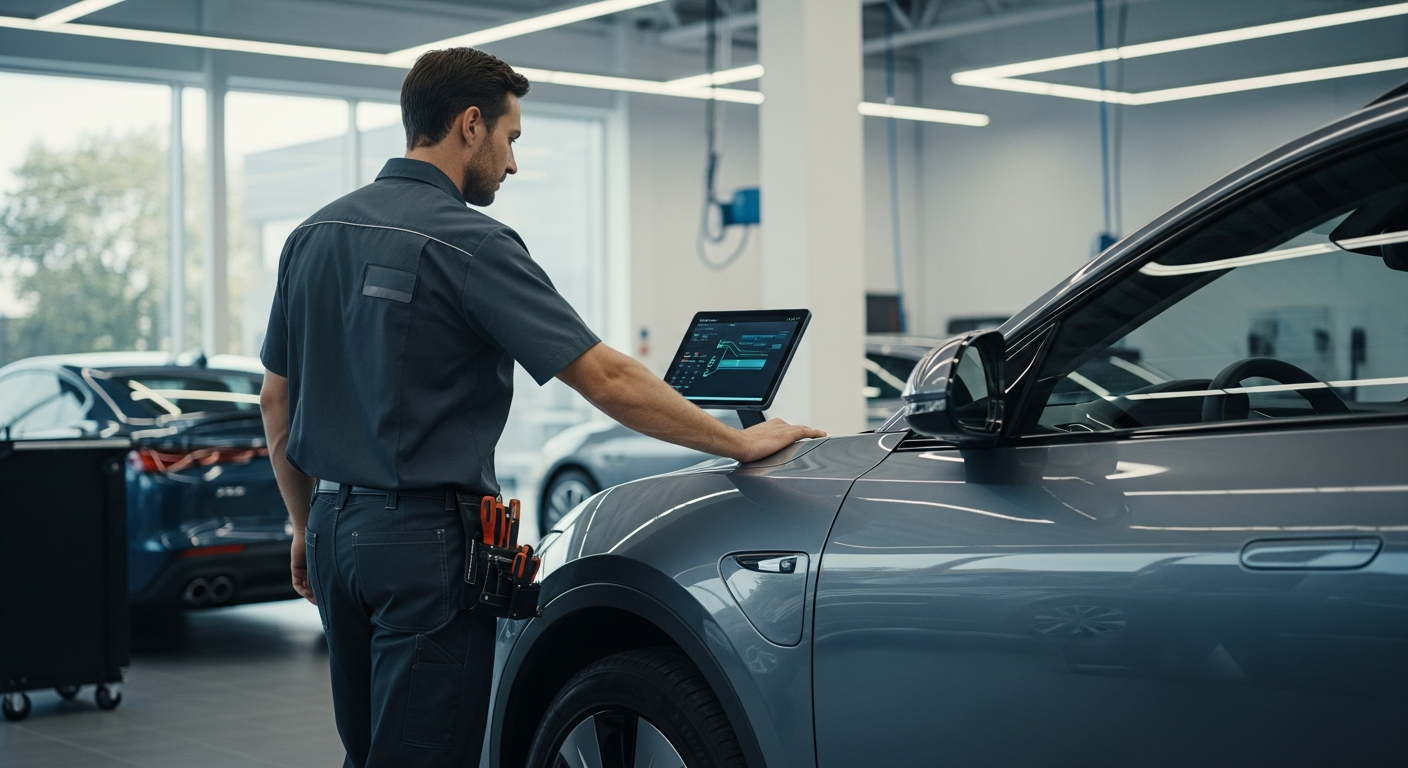
Imagine this: Your dealership's service bays are bustling with activity, but there's an unusual quietness when it comes to servicing electric vehicles (EVs). It's not just the lack of engine noise—it's a sign that your service department may not be fully equipped to handle the unique demands of EV maintenance and repair. As more automakers shift towards electric and hybrid models, dealerships like yours face a pivotal moment. The transition to electric vehicles is not just a trend; it's the future of the automotive industry. Yet, many service departments are grappling with the complexities of this transition. From the intricate high-voltage systems to the specialized tools and safety protocols required, the EV service landscape presents challenges that differ significantly from traditional vehicles. Statistics show that EV repairs often require more labor hours and can lead to longer appointment lead times due to limited availability of technicians trained for high-voltage systems. This can affect your first-time fix rate, customer satisfaction, and ultimately, your bottom line. However, these challenges also present a golden opportunity. By effectively adapting to EV service demands, your dealership can not only capture new revenue streams but also position itself as a leader in the market. In this post, we'll delve into the critical challenges of EV service and how you can transform these obstacles into growth opportunities. You'll gain insights into optimizing shop capacity planning, understanding the economic impact of charger installations, and enhancing technician training. We'll equip you with a comprehensive framework that outlines the necessary steps for success, ensuring that your dealership is not just prepared for the EV wave but is riding it to new heights of profitability and customer satisfaction.
Understanding the Challenge
Why EV Service is Different and What’s at Stake
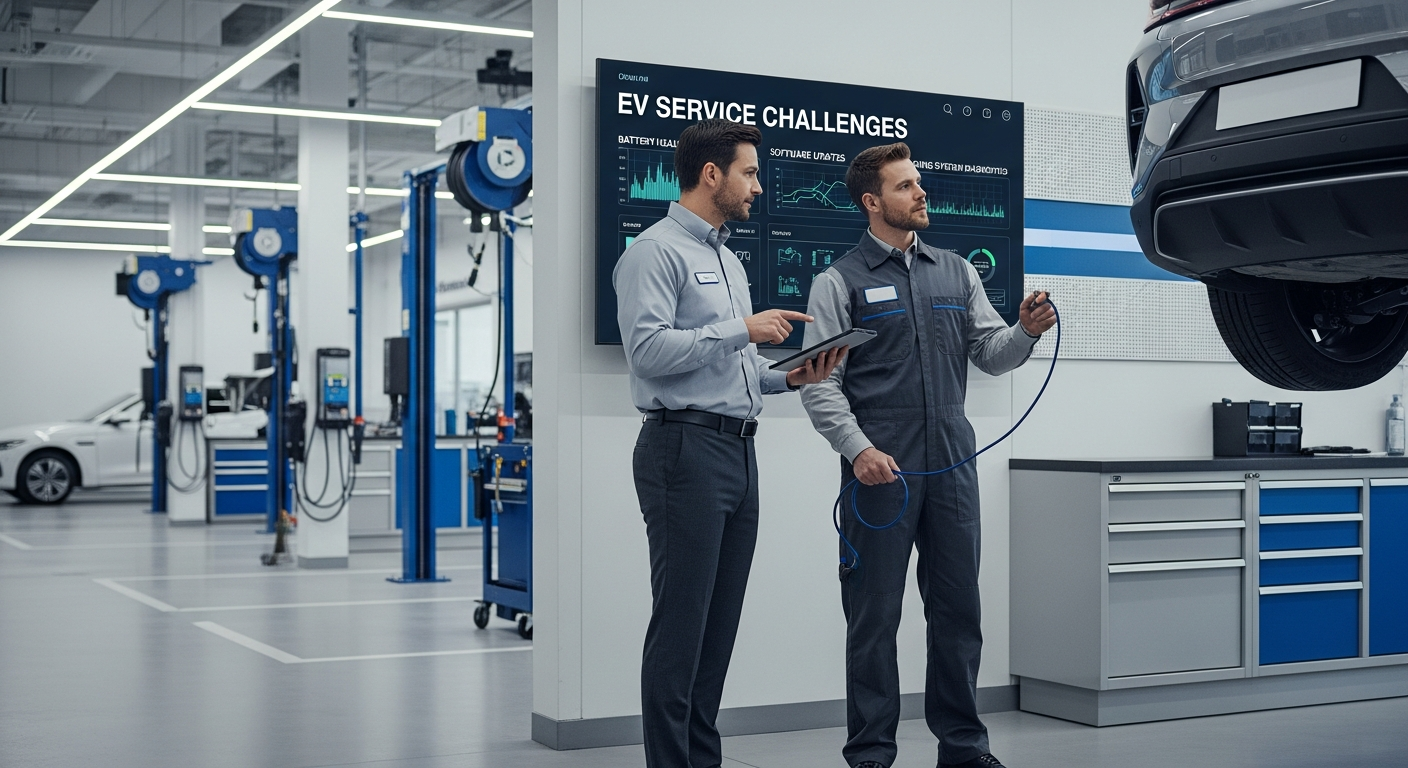
The shift to electric vehicles presents a unique set of challenges for service departments. Unlike their internal combustion engine counterparts, EVs require specialized knowledge and equipment to service. The complexity of high-voltage systems means that not every technician is equipped to handle these vehicles safely and efficiently. This knowledge gap can lead to longer service times and increased costs. Moreover, the scarcity of qualified high-voltage technicians is a significant bottleneck. According to the National Automobile Dealers Association, the shortage of trained EV technicians is one of the top concerns for service managers. This shortage not only affects service throughput but also customer satisfaction as repair times increase and first-time fix rates suffer.
Another pressing issue is the additional non-wrench time that EVs require. Tasks such as lockout/tagout procedures and capacitor discharge can extend the cycle time, occupying service bays longer than traditional vehicles. This inefficiency can create backups and further delay service for other vehicles, impacting overall department productivity.
Current Industry Landscape
Market Trends and Dealership Realities
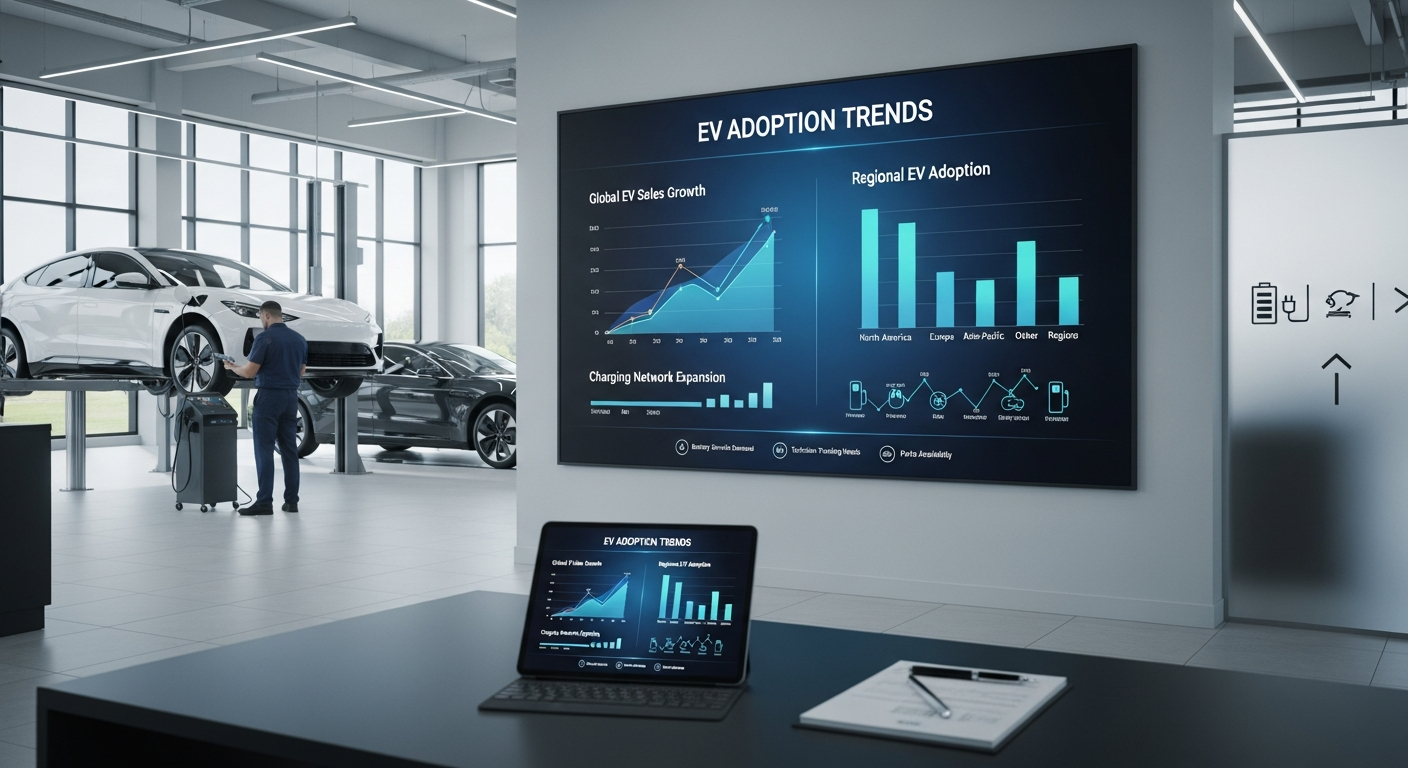
The automotive industry is witnessing a rapid transition towards electrification, with major manufacturers committing to electric-only futures. This shift is not only driven by consumer demand but also by stringent environmental regulations. However, the infrastructure required to support this transition is lagging. Dealerships face the dual challenge of adapting facilities to accommodate EVs and training staff to handle them. The need for investment in new tools, such as battery state-of-health (SOH) reporting tools and digital multipoint inspections (MPIs), is more critical than ever. These investments are necessary to minimize appraisal risks and to enhance the accuracy of diagnostics. Additionally, the economic considerations of installing Level 2 (L2) and DC fast chargers must be carefully evaluated. The decision to install these chargers involves understanding demand charges and load management, as well as leveraging incentives like the Section 30C EVSE tax credit.
Charger Type | Cost | Installation Complexity | Incentives Available L2 Charger | Moderate | Medium | Yes DC Fast Charger | High | High | Yes
Questions managers ask
How should we adjust shop capacity planning for EVs?
To effectively plan for EV services, consider the increased labor hours and cycle times associated with these vehicles. Adjust your bay counts, advisor loads, and appointment lead-time targets accordingly. Data-driven insights can help determine the optimal number of high-voltage qualified technicians required to meet demand without causing bottlenecks.
What ROI can we expect from adding L2 vs. DC fast chargers?
When considering ROI for charger installations, factor in the utility demand charges and Section 30C incentives. L2 chargers are generally more cost-effective for service operations, while DC fast chargers may be justified if they significantly reduce wait times and improve throughput. Modeling these scenarios with real utility tariffs and incentives will provide clearer expectations.
What to do with this
The transformation of your service department to meet the demands of electric vehicles is both a challenge and an opportunity. By understanding the unique requirements of EVs and strategically planning your operations, you can enhance profitability and customer satisfaction. Begin by evaluating your current EV service capabilities, identify areas for investment in training and equipment, and develop a comprehensive strategy to adapt your service workflow. Auto Pro Solutions has helped hundreds of dealerships transition smoothly to EV service, providing the tools and expertise needed to thrive in this new landscape.
Related topics
More for service managers
Navigating EV Service: Overcoming Challenges for Sustainable Growth
Imagine your service department, bustling with the typical cadence of internal combustion engine (ICE) vehicles, suddenly confronted with the rapid influx of electric vehicles…
Conquering EV Service Challenges: The Ultimate Dealership Guide
Imagine walking into your service department and seeing a line of sleek electric vehicles (EVs) waiting for their turn in the bay. This scene isn't a distant future; it's…
Unplugged Perspectives: The Real Deal on EV Service Hurdles
The automotive world is shifting gears at a pace that leaves many dealerships in its wake, especially as electric vehicles (EVs) become more mainstream. You might be feeling…