Master Warranty Administration: Your Roadmap to Increased Revenue
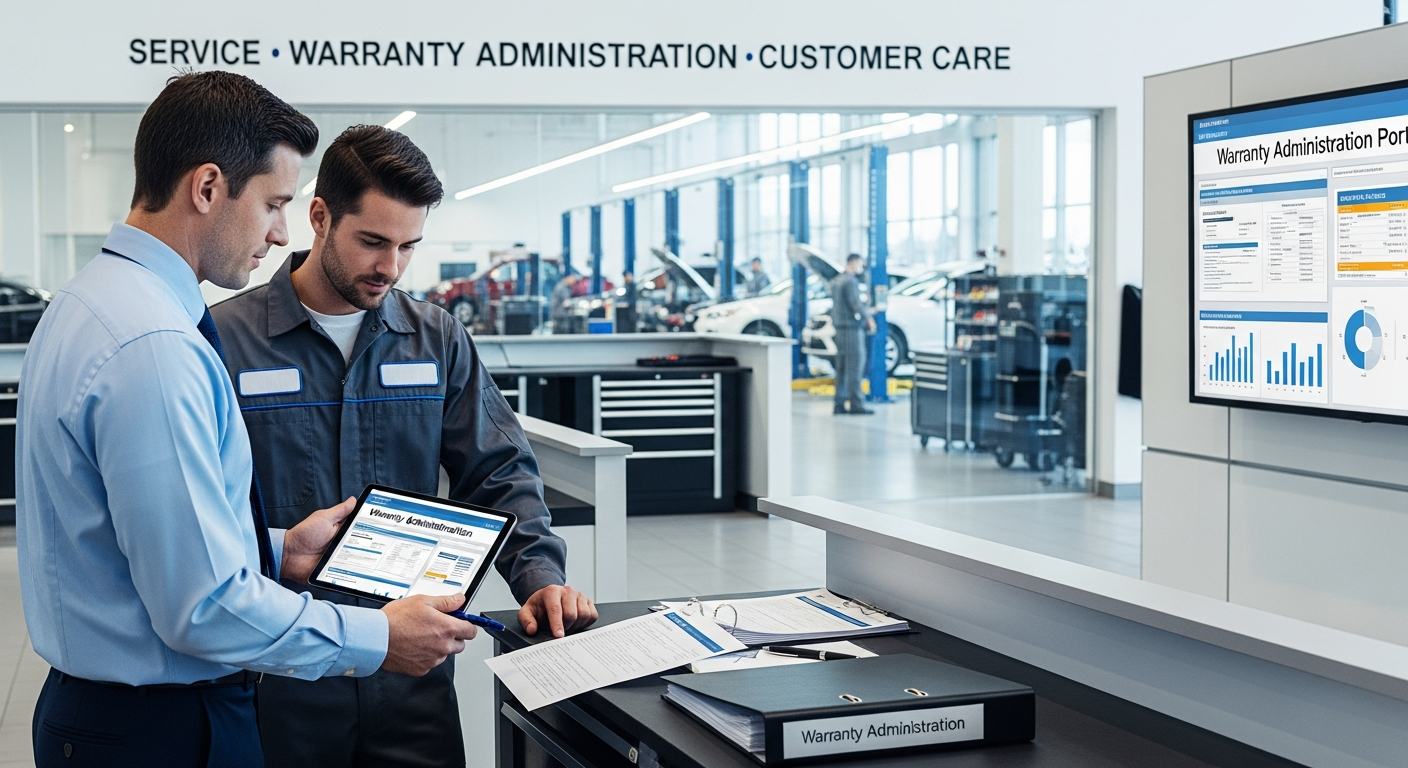
Understanding the Challenge
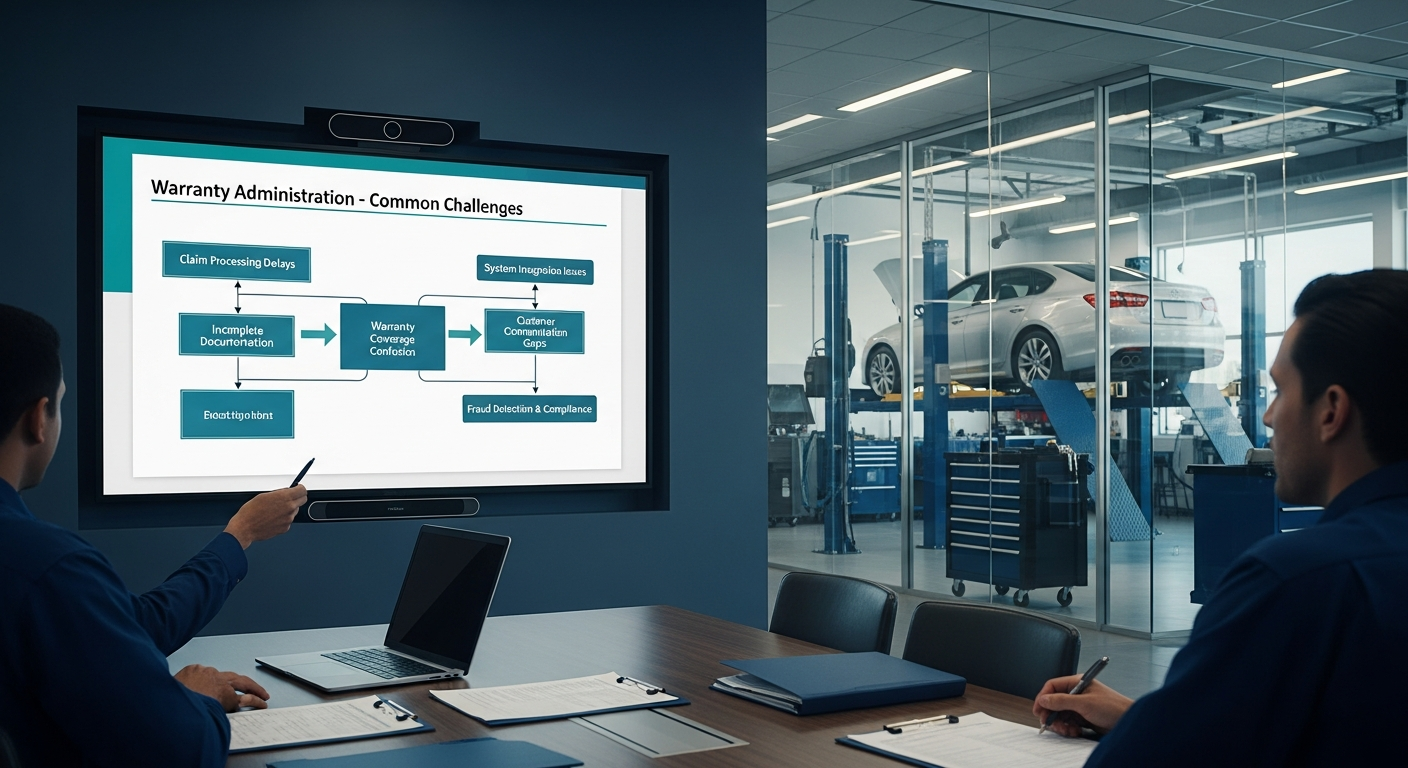
Warranty administration isn't just about paperwork; it's about revenue protection and efficiency. The primary challenge lies in the sheer volume and complexity of claims. With over 270 million repair orders written by franchised dealers in 2024 alone, managing these claims efficiently is critical. However, many dealerships face significant hurdles due to claim denials and administrative errors that eat into profitability.
Take a moment to consider your dealership's current warranty process. Are claim denials a frequent occurrence? Are your team members overwhelmed by the administrative load? If so, you're not alone. These issues stem from a variety of factors, including a lack of streamlined processes, insufficient staff training, and the intricacies of OEM warranty requirements.
The financial impact is substantial. Warranty denials and delays can cost your dealership thousands in lost revenue each year. Moreover, the administrative burden often leads to increased staffing costs and decreased employee morale, further squeezing profit margins.
Understanding these challenges is the first step towards implementing effective solutions. By recognizing the root causes of administrative inefficiencies, you can begin to address them systematically. This involves examining your current processes, identifying bottlenecks, and exploring opportunities for automation and improvement.
In the following sections, we'll explore the current industry landscape, innovative solutions, and practical steps to transform your warranty administration process. By the end, you'll have a clear roadmap to increase your dealership's revenue through optimized warranty management.
Current Industry Landscape
The automotive industry is constantly evolving, and warranty administration is no exception. Recent statistics show a significant increase in warranty accruals, with global automakers setting aside $72.5 billion in 2024 alone. This upward trend reflects the growing complexity of vehicle technologies and the corresponding rise in warranty claims.
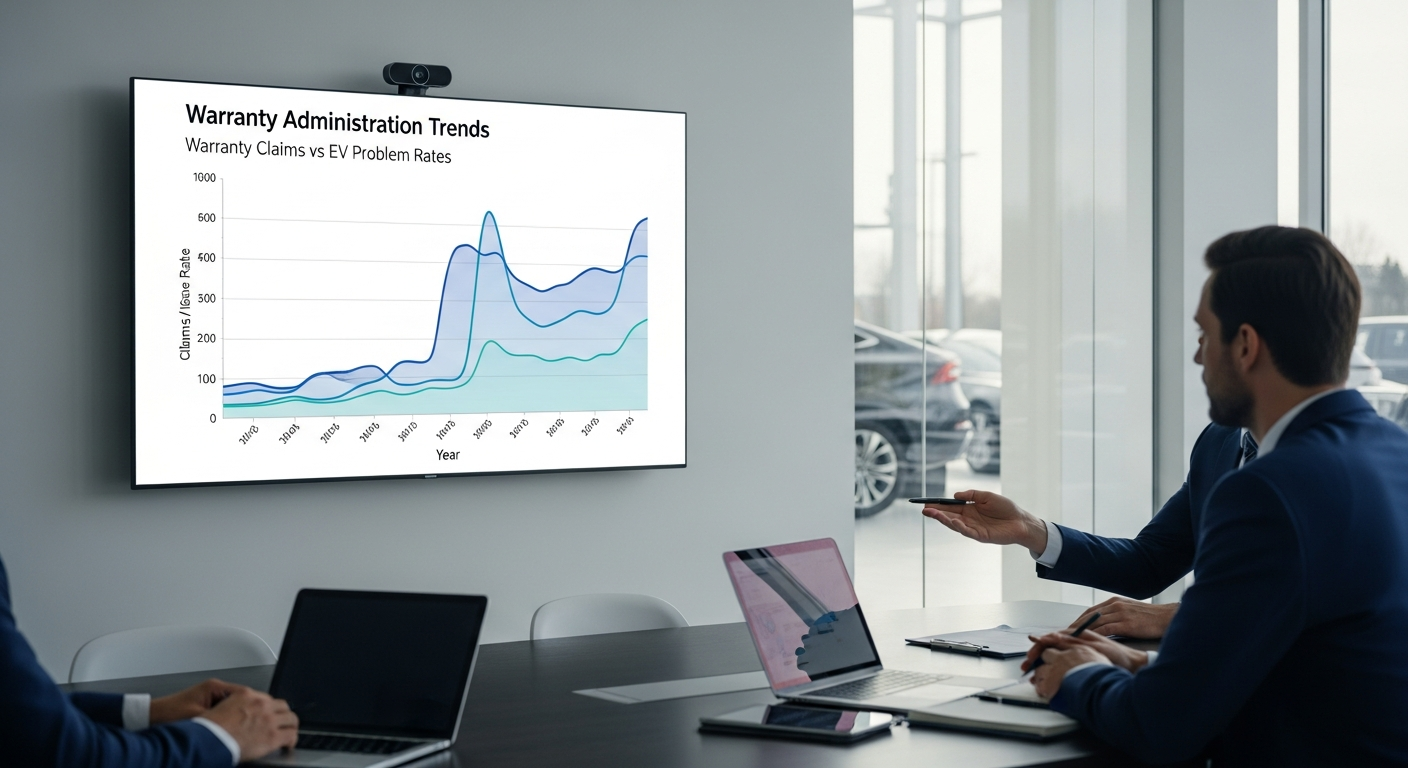
One notable trend is the increasing demand for warranty services related to electrified vehicles (EVs). According to the JD Power 2026 Vehicle Dependability Study, EVs and PHEVs have higher problem rates compared to traditional vehicles. This surge in warranty demand requires dealerships to adapt swiftly to stay competitive.
Additionally, recent legislative changes, such as New Jersey's retail-rate reimbursement law effective April 2026, are reshaping the warranty landscape. Dealers must now compile detailed documentation and file rate declarations to comply with new standards. Understanding these changes and their implications is crucial for maintaining profitability.
Amid these shifts, dealerships are exploring AI-powered warranty automation as a solution. Tools like WarrCloud and Tekion Automotive Retail Cloud are gaining traction for their ability to streamline claims processing and reduce administrative costs. These technologies also improve data quality, leading to higher first-pass acceptance rates and lower days-to-cash.
Navigating this complex landscape requires a proactive approach. In the next section, we'll discuss a solution framework that can help your dealership adapt to these changes, optimize warranty administration, and ultimately boost revenue.
The Solution Framework
To tackle the challenges of warranty administration, a structured solution framework is essential. This involves optimizing processes, implementing technology solutions, and ensuring staff are adequately trained to handle claims efficiently.
A key component of this framework is the adoption of AI-powered warranty claims automation. By leveraging tools like WarrCloud, dealerships can automate routine tasks, such as claims preparation, eligibility checks, and reconciliation. This not only reduces processing time but also minimizes human error, leading to higher first-pass acceptance rates.
Another critical aspect is streamlining communication and data flow between your dealership's DMS and OEM warranty portals. Integrating systems like Reynolds & Reynolds Advanced Service can eliminate rekeying errors and expedite claim submissions, reducing days-to-cash significantly.
Moreover, investing in staff training and development is crucial. Equipping your team with the knowledge and skills to handle warranty claims effectively can prevent errors that lead to denials. This includes understanding OEM-specific requirements and utilizing photo/video MPI documentation to support claims.
By implementing this solution framework, dealerships can transform their warranty administration process, reduce claim denials, and enhance profitability. In the upcoming section, we'll provide a detailed implementation guide to help you put these strategies into action.
Implementation Guide
Implementing an efficient warranty administration process requires careful planning and execution. This guide will walk you through the essential steps to streamline your dealership's warranty operations.
First, assess your current warranty administration process to identify bottlenecks and inefficiencies. This involves analyzing claim denial rates, days-to-cash, and the volume of administrative work required. Use this data to set clear performance goals and benchmarks.
Next, select the right technology solutions to support your process improvements. Evaluate options like WarrCloud and Tekion Automotive Retail Cloud based on their features, integration capabilities, and cost-effectiveness. Ensure these tools align with your dealership's specific needs and workflows.
Once the technology is in place, focus on training your staff. Conduct workshops and training sessions to familiarize your team with new processes and tools. Emphasize the importance of accurate documentation and the role of photo/video MPI in supporting claims.
Finally, establish a monitoring and feedback loop to continuously improve your warranty administration process. Regularly review performance metrics, such as first-pass acceptance rates and days-to-cash, to identify areas for further optimization. Encourage open communication and collaboration among team members to address challenges and share best practices.
Measuring Success
To ensure your warranty administration improvements are effective, it's crucial to measure success through key performance indicators (KPIs). These metrics provide valuable insights into process efficiency and financial performance.
One of the most important KPIs is the first-pass acceptance rate, which indicates the percentage of claims approved on the first submission. A high acceptance rate signifies efficient processes and accurate documentation, reducing the need for rework and follow-up submissions.
Another critical KPI is the days-to-cash metric, which measures the time taken from claim submission to payment receipt. Reducing this timeframe is essential for maintaining healthy cash flow and minimizing the financial impact of outstanding warranty claims.
Additionally, tracking claim denial rates and identifying common denial reasons can help pinpoint areas for improvement. Use this data to refine processes, enhance staff training, and implement targeted solutions to reduce denials.
Regularly reviewing these KPIs and benchmarking against industry standards can guide continuous improvement efforts. By focusing on these metrics, your dealership can optimize warranty administration, enhance profitability, and provide better service to customers.
Advanced Strategies
Once your dealership has implemented the basic framework for warranty administration, it's time to explore advanced strategies for further optimization. These techniques can drive even greater efficiency and profitability.
Consider centralizing warranty administration processes across multiple rooftops. This approach involves creating a shared service center that handles all warranty claims for your dealership group, streamlining operations and reducing administrative costs.
Another advanced strategy is to harness the power of data analytics. By analyzing warranty claims data, dealerships can identify patterns and trends that inform process improvements. Use these insights to optimize claim documentation and submission practices, ultimately increasing first-pass acceptance rates.
Additionally, explore partnerships with OEMs to align warranty administration practices and stay informed about new policies and requirements. Regular communication and collaboration can help your dealership adapt quickly to changes and maintain compliance.
Finally, consider implementing a change-management playbook to ensure successful adoption of new processes and technologies. This involves aligning incentives, providing ongoing training, and creating feedback loops to address challenges and celebrate successes.
Related Topics
Ready to take your service department to the next level?
Schedule your demo today and experience the power of Auto Pro Solutions.
Schedule Demo