Gears and Goals: Crafting Careers for Tomorrow's Auto Geniuses
Understanding the Challenge
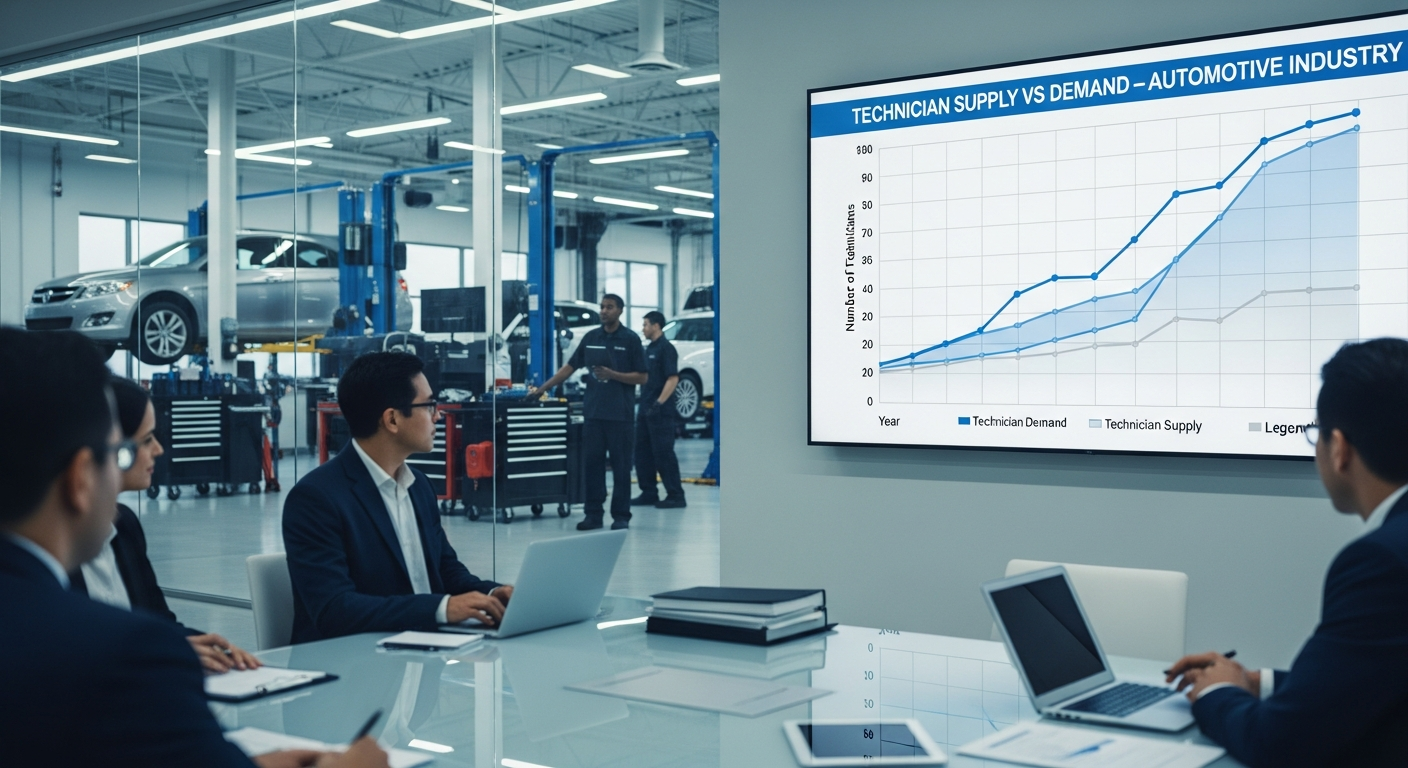
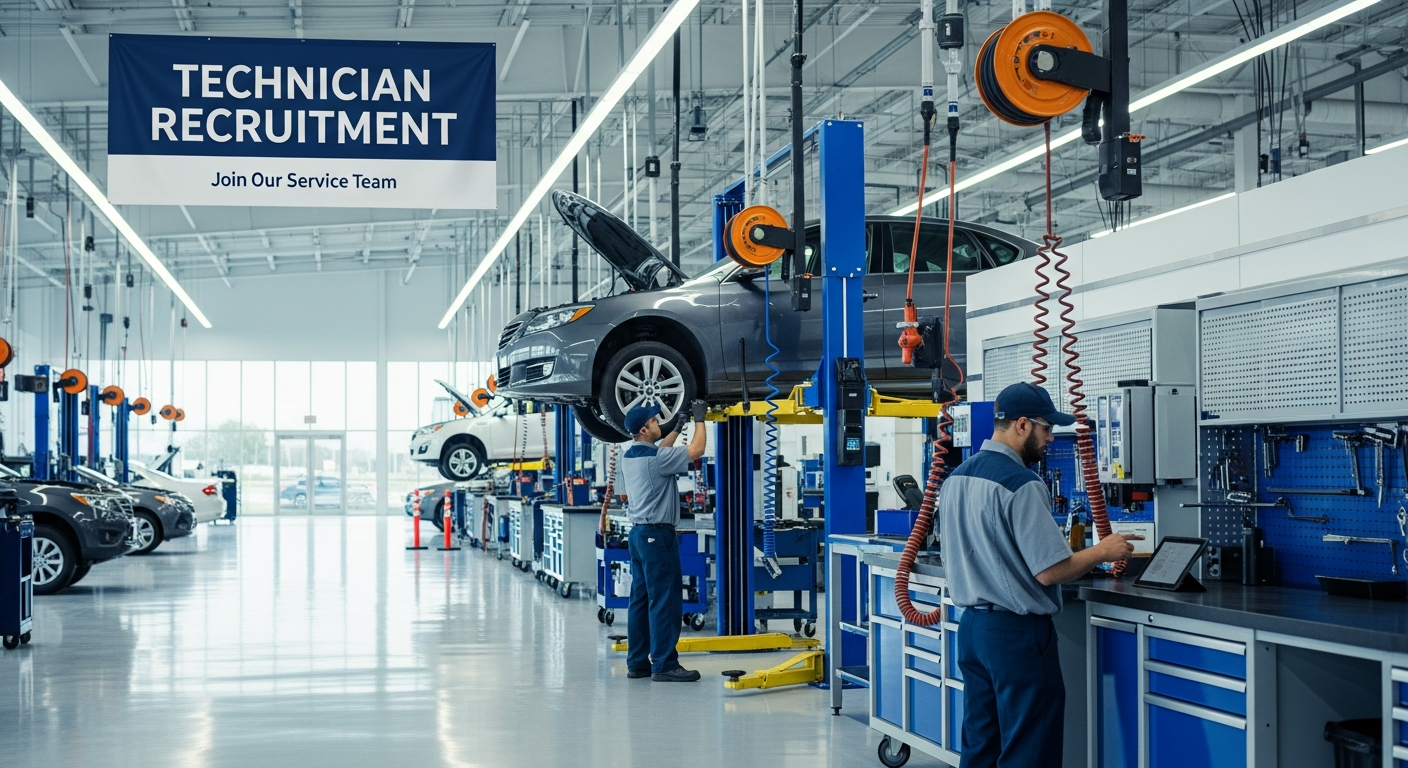
The automotive industry is at a crossroads, facing a looming technician shortage that threatens the very heart of dealership operations. As vehicles become more technologically advanced, the demand for highly skilled technicians is skyrocketing, yet the supply isn't keeping pace. This imbalance isn't just a numbers game; it has real consequences for service departments struggling to meet customer demands.
Consider the impact of vacant technician stalls. Each empty bay represents not only lost revenue but also a missed opportunity to strengthen customer relationships. For dealerships, this translates to longer appointment lead times, decreased customer satisfaction, and ultimately, lost business. The service department, once a reliable revenue stream, is now a potential liability if not managed correctly.
The technician recruitment challenge is compounded by the evolving landscape of automotive technology. Electric vehicles (EVs) are becoming more prevalent, requiring a new set of skills that many technicians lack. As a result, dealerships are not only competing for a shrinking pool of talent but also need to invest in upskilling their workforce to remain competitive.
Moreover, traditional compensation models and work schedules are proving insufficient in attracting new talent. The flat-rate pay system, while once effective, now faces criticism for lacking transparency and failing to reward productivity adequately. Technicians today are looking for more than just a paycheck; they seek career development opportunities, work-life balance, and a supportive work environment.
To navigate these challenges, dealerships must adopt a holistic approach to technician recruitment. This involves reassessing compensation models, improving employer branding, and leveraging technology to streamline the recruitment process. By doing so, dealerships can not only attract top talent but also retain them, ensuring a sustainable and profitable service department.
Current Industry Landscape
The automotive industry's technician shortage is not a new phenomenon, but it is becoming increasingly severe. According to the National Automobile Dealers Association (NADA), the U.S. needs approximately 76,000 new service technicians annually, yet only about 39,000 graduates enter the workforce each year. This growing gap is forcing dealerships to rethink their recruitment strategies and adapt to new industry trends.
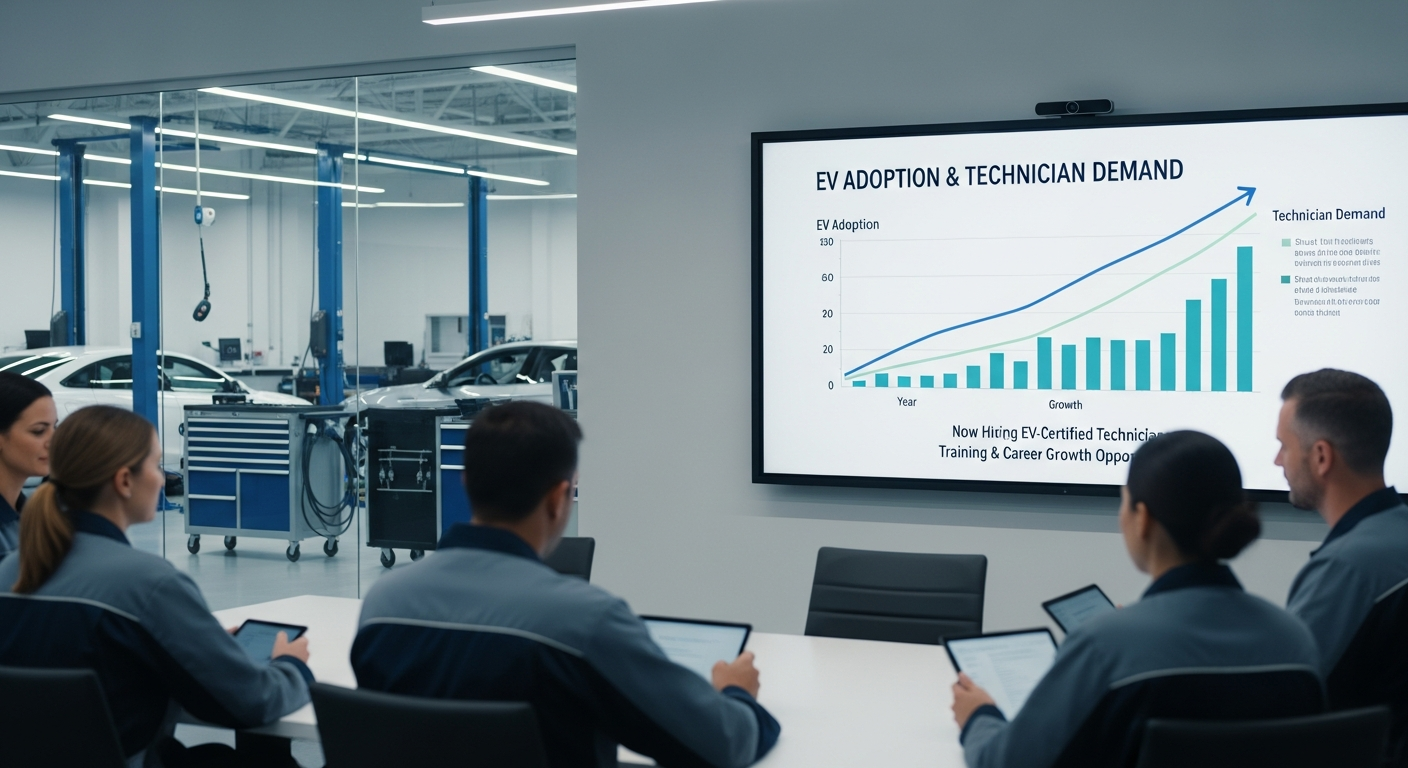
One of the most significant trends impacting technician recruitment is the rise of electric vehicles (EVs). As more consumers opt for EVs, dealerships must equip their service departments with technicians skilled in high-voltage systems and EV technology. However, the current workforce is largely unprepared for this shift, creating an urgent need for specialized training and certification programs.
Compensation is another critical factor in attracting and retaining technicians. The traditional flat-rate pay system is increasingly viewed as outdated, with many technicians seeking more transparent and equitable compensation models. Dealerships are exploring hybrid models that combine hourly wages with productivity bonuses, offering a more balanced and rewarding pay structure.
Employer branding also plays a vital role in recruitment. Technicians today are not just looking for a job; they want to work for a company that values their contributions and fosters a positive work environment. Dealerships that invest in their employer brand can differentiate themselves from competitors and attract top talent.
Finally, technology is transforming the recruitment process. Advanced recruiting tools, such as Applicant Tracking Systems (ATS) and employer-brand career pages, streamline the hiring process and reduce time-to-fill for technician roles. By leveraging these tools, dealerships can efficiently identify and engage with qualified candidates, ensuring a steady pipeline of talent.
The Solution Framework
To effectively address the technician shortage, dealerships must adopt a comprehensive solution framework that encompasses recruitment, training, and retention strategies. This approach requires a shift in mindset, viewing technicians not just as employees but as critical assets to the business's success.
The first step in this framework is to redefine compensation models. By offering a hybrid pay structure that combines an hourly wage with productivity bonuses, dealerships can provide technicians with a more transparent and motivating compensation package. This approach not only attracts new talent but also incentivizes existing technicians to enhance their performance.
Training and development are equally crucial. With the rise of EVs and advanced automotive technologies, continuous education is essential for technicians to stay current with industry trends. Dealerships can invest in training programs that focus on EV/xEV safety certifications and other specialized skills, ensuring their workforce is equipped to handle the vehicles of the future.
Employer branding is another vital component of the solution framework. Dealerships should focus on creating a positive workplace culture that values technicians' contributions and supports their professional growth. This can be achieved through initiatives such as tool reimbursements, career advancement opportunities, and flexible work schedules.
Finally, leveraging technology to streamline the recruitment process can significantly reduce time-to-fill for technician roles. By utilizing advanced recruiting tools and platforms, dealerships can efficiently identify, engage, and hire top talent, ensuring a steady pipeline of skilled technicians.
Implementation Guide
Implementing a successful technician recruitment strategy requires careful planning and execution. Here's a step-by-step guide to help dealerships navigate this process effectively.
Start by conducting a thorough analysis of your current technician workforce and identify any skill gaps. This will help you understand the specific needs of your service department and tailor your recruitment strategy accordingly.
Next, redefine your compensation model to make it more appealing to potential candidates. Consider offering a hybrid pay structure that combines a base hourly wage with productivity bonuses. This approach not only attracts new technicians but also incentivizes existing employees to enhance their performance.
Invest in training and development programs to ensure your technicians are equipped with the latest skills and certifications. This includes offering EV/xEV safety training and other specialized courses that align with industry trends.
Enhance your employer branding by creating a positive workplace culture that values technicians' contributions. This can be achieved through initiatives such as tool reimbursements, career advancement opportunities, and flexible work schedules.
Finally, leverage technology to streamline the recruitment process and reduce time-to-fill for technician roles. Utilize advanced recruiting tools, such as Applicant Tracking Systems (ATS) and employer-brand career pages, to efficiently identify and engage with qualified candidates.
Measuring Success
To ensure the effectiveness of your technician recruitment strategy, it's essential to measure success through specific Key Performance Indicators (KPIs). These metrics provide valuable insights into the impact of your recruitment efforts and help identify areas for improvement.
One critical KPI is the time-to-fill for technician roles. By tracking the average time it takes to hire a new technician, dealerships can assess the efficiency of their recruitment process and make necessary adjustments to streamline it further.
Another important metric is the appointment lead time, which measures how quickly customers can secure service appointments. By reducing lead times, dealerships can enhance customer satisfaction and loyalty, ultimately driving revenue growth.
Technician retention rates are also crucial indicators of success. High turnover rates can be costly and disruptive to service operations, so tracking retention can help dealerships identify potential issues and implement strategies to improve employee satisfaction and engagement.
Finally, monitoring the proficiency and efficiency of your technician workforce is essential. This includes assessing technicians' skills and productivity levels to ensure they meet the demands of an evolving automotive industry.
Advanced Strategies
Once your technician recruitment strategy is in place, it's time to explore advanced strategies to optimize and scale your efforts. These strategies can help you stay ahead of the competition and ensure a sustainable pipeline of skilled technicians.
Consider implementing a technician apprenticeship program to nurture talent from within. By partnering with local schools and training institutions, dealerships can develop a steady stream of qualified technicians who are well-versed in the latest automotive technologies.
Another advanced strategy is to explore alternative work schedules, such as 4x10 shifts or split shifts, to increase technician availability and optimize service department throughput. This approach not only enhances operational efficiency but also improves work-life balance for technicians.
Utilizing technology to enhance recruitment efforts is another key strategy. This includes leveraging AI-assisted scheduling tools and mobile service platforms to reduce appointment lead times and make technician roles more attractive.
Finally, dealerships can explore public funding opportunities, such as federal and state apprenticeship grants, to offset the costs of training and development programs. By leveraging these resources, dealerships can invest in their workforce without straining their budget.
Related Topics
Ready to take your service department to the next level?
Schedule your demo today and experience the power of Auto Pro Solutions.
Schedule Demo