Gear Up for Gold: Crafting a Profitable Symphony in Your Automotive Service Bay
Understanding the Challenge
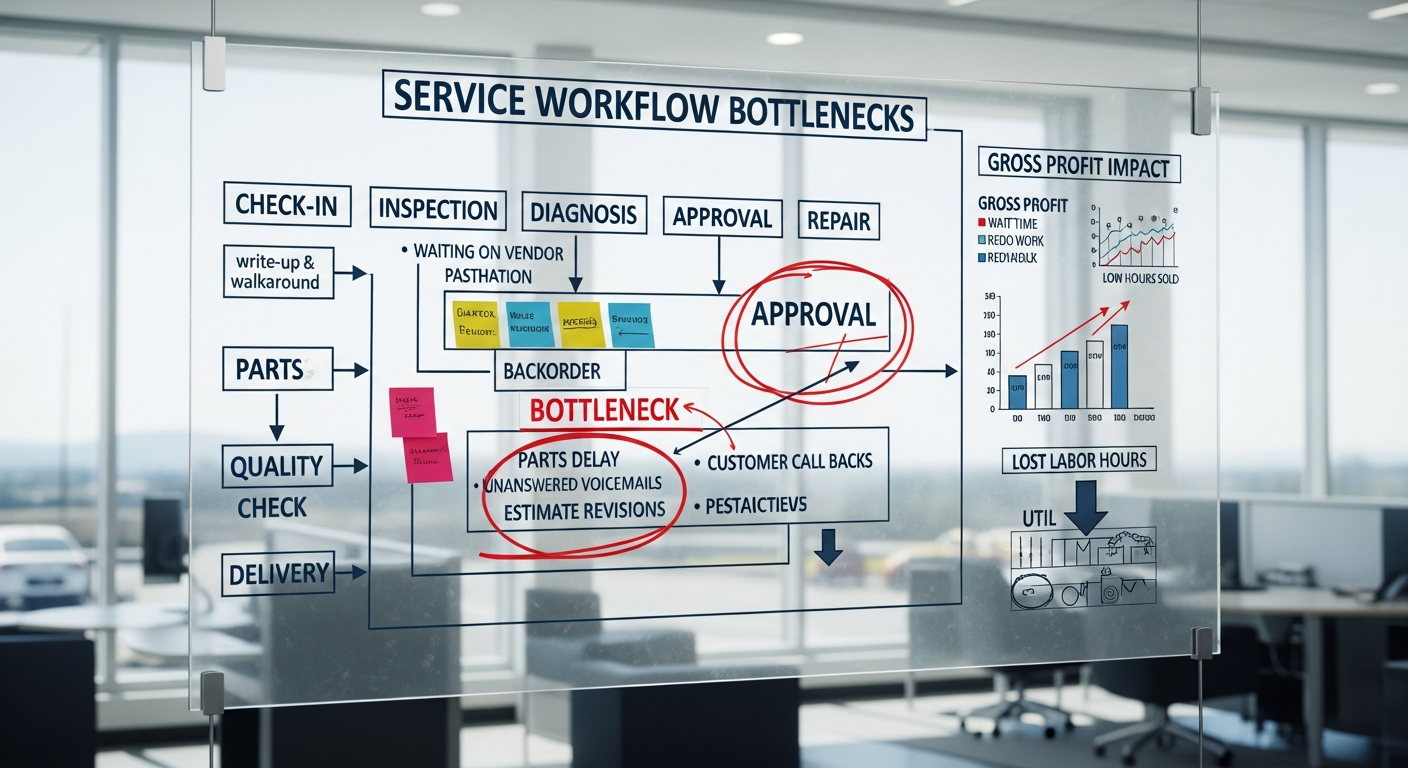
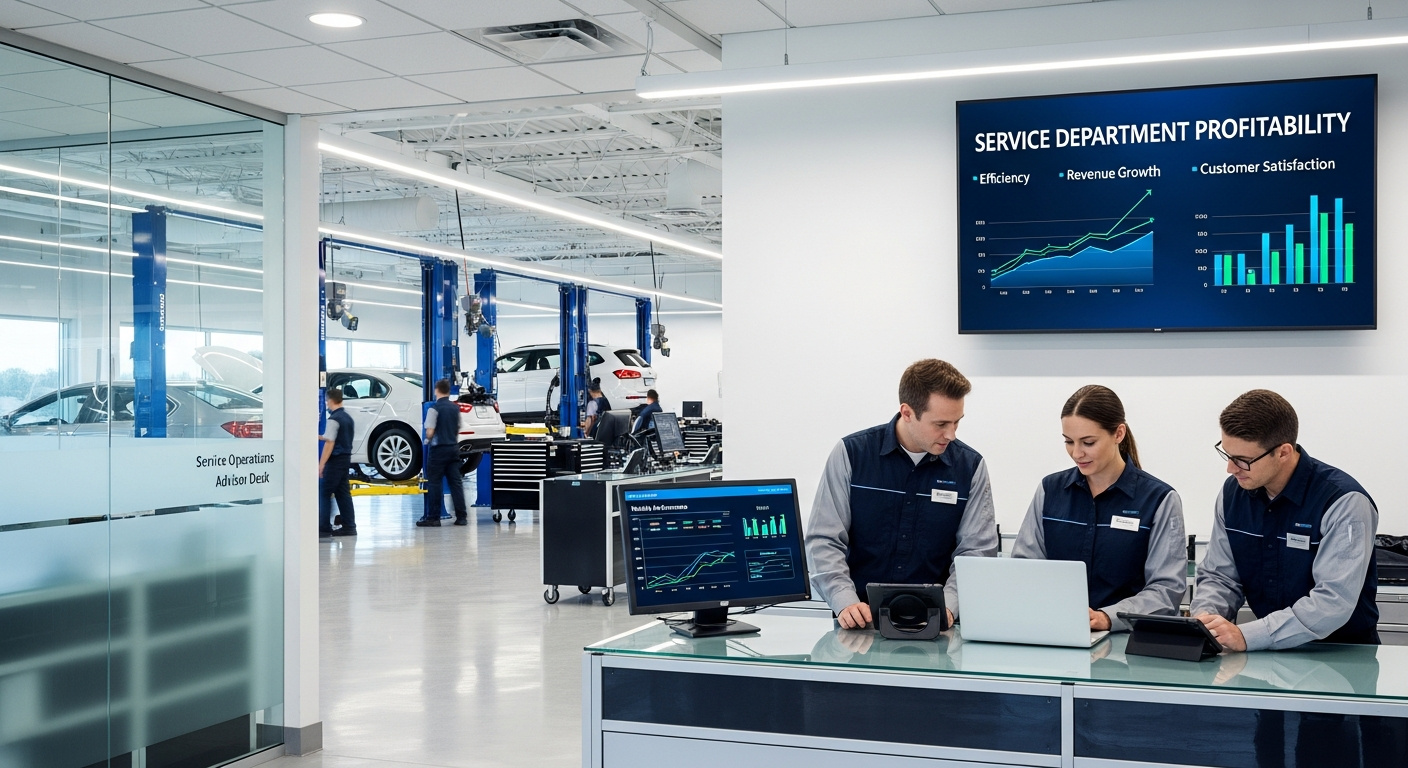
Service departments today face a myriad of challenges that impede profitability. Rising costs, a persistent technician shortage, and complex customer demands create a perfect storm. U.S. dealerships have been grappling with these issues, losing an estimated 12% of service visits to independent competitors since 2018. This not only affects immediate revenue but also long-term customer retention.
Furthermore, the average age of vehicles on the road has reached 12.8 years, expanding repair demand. While this presents an opportunity, it also increases the complexity of repairs, necessitating more skilled technicians who are in short supply. The Bureau of Labor Statistics highlights that there are approximately 70,000 technician openings annually, a gap that service departments struggle to fill.
The key to overcoming these challenges lies in optimizing the existing workflow and retaining customers by delivering exceptional service experiences. But where exactly should you start? By focusing on improving fixed absorption rates—targeting 100% or more—you can ensure your service department covers all its costs from internal operations alone, a critical factor for long-term sustainability.
Current Industry Landscape
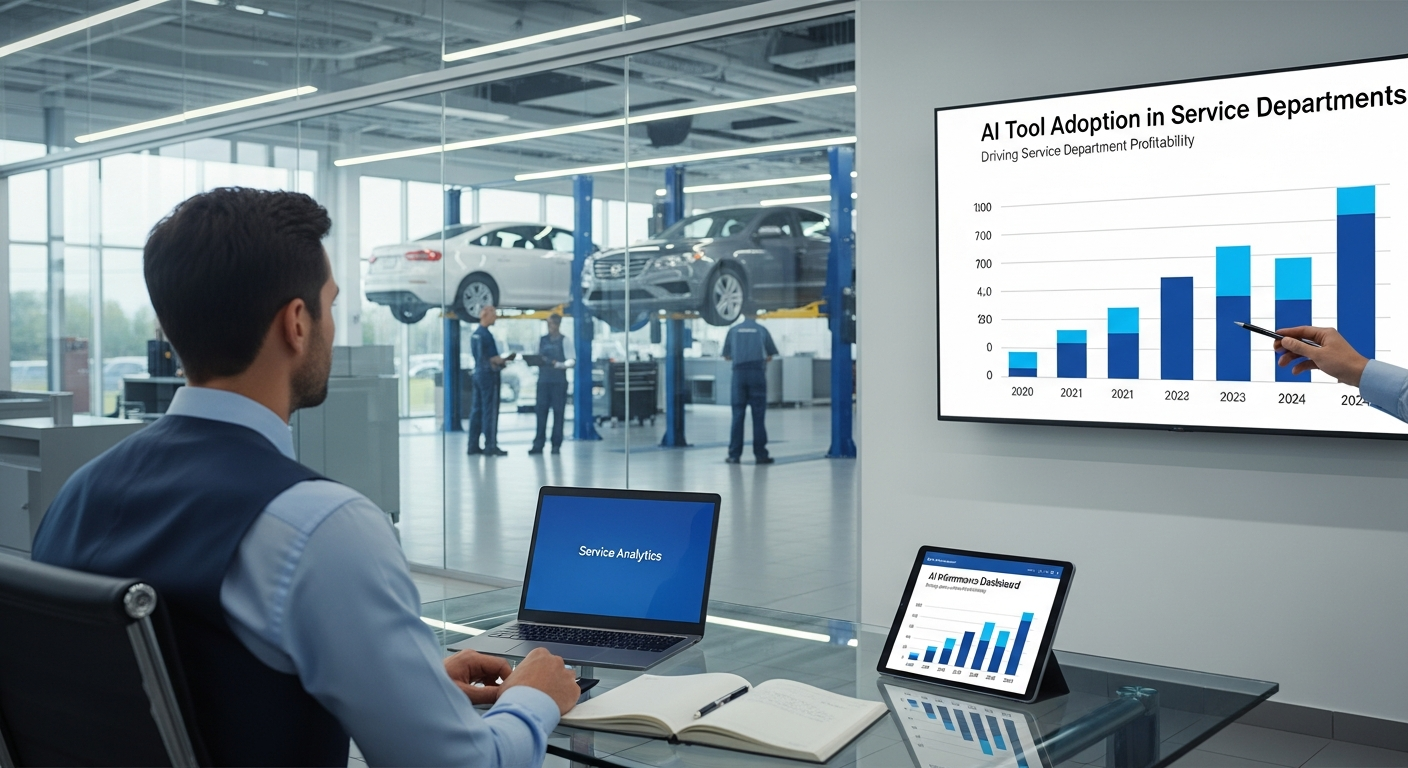
The automotive service industry is undergoing a significant transformation, driven by technological advancements and shifting consumer expectations. The integration of AI tools is becoming increasingly prevalent, with projections indicating that over half of dealerships will adopt AI in fixed ops by the end of 2026.
One of the most promising developments is the implementation of AI-enabled scheduling systems. Tools like Tekion's Scheduler AI and Xtime's digital platforms are designed to optimize appointment slotting and enhance customer engagement. These solutions promise not only to streamline operations but also to provide measurable returns on investment within a short timeframe.
Moreover, the rise of AI presents an opportunity to address the technician shortage by improving workflow efficiency and enabling existing staff to handle more complex tasks. Service departments must stay ahead of these trends to capitalize on the potential benefits and avoid falling behind competitors who are quick to innovate.
The Solution Framework
To achieve significant improvements in service department profitability, a structured approach is essential. This involves identifying key levers such as effective labor rate (ELR) increases, hours-per-repair order (RO) enhancements, and parts-to-labor mix optimization.
The goal is to elevate fixed absorption rates to 100% or more. This requires a comprehensive plan that integrates technology, staff optimization, and customer-centric practices. By focusing on reducing appointment lead time and improving first-time fix rates, departments can significantly enhance customer satisfaction and loyalty.
This framework is not a one-size-fits-all solution but rather a customizable guide that allows each dealership to tailor strategies to their unique context. Understanding your specific pain points and leveraging data-driven insights will be crucial in implementing this framework effectively.
Implementation Guide
Implementing the strategies outlined in the solution framework requires careful planning and execution. Start by conducting a thorough assessment of your current operations to identify areas for improvement. This may include analyzing technician workflows, customer engagement tactics, and technology integration.
Next, develop a detailed implementation plan that includes specific actions, timelines, and responsible parties. Consider running pilot programs to test new processes or technologies in a controlled environment before full-scale implementation. This approach allows you to refine tactics and gather valuable data to support broader rollout.
Collaboration across teams is critical during implementation. Encourage open communication between service advisors, technicians, and management to ensure everyone is aligned with the new goals and processes. Regular training sessions and feedback loops will help maintain momentum and address any challenges that arise.
Measuring Success
To ensure the implemented strategies are yielding the desired results, it's essential to define and track key performance indicators (KPIs). These might include fixed absorption rates, first-time fix rates, customer satisfaction scores, and appointment lead times.
Regularly reviewing these metrics will provide insight into the effectiveness of your strategies and highlight areas for further improvement. For instance, a target fixed absorption rate at or above 100% is a clear benchmark for evaluating financial health, while a first-time fix rate of 90% or higher indicates operational efficiency.
Additionally, customer feedback and retention metrics offer valuable perspectives on the success of your customer engagement strategies. By maintaining a holistic view of these indicators, you can make informed decisions to enhance your service department's performance.
Advanced Strategies
Once foundational strategies are in place, consider advanced tactics to further enhance profitability. This might include exploring new revenue streams such as EV and ADAS services, which present opportunities for growth in a rapidly evolving market.
Additionally, implementing skill-based routing and staggered shifts can optimize technician productivity without the need to increase headcount. This not only boosts throughput but also improves employee satisfaction by aligning tasks with individual strengths.
Finally, leveraging data analytics to personalize customer offers and communications can drive loyalty and repeat visits. By tailoring services to meet specific customer needs, you can differentiate your dealership from competitors and build lasting relationships.
Related Topics
Ready to take your service department to the next level?
Schedule your demo today and experience the power of Auto Pro Solutions.
Schedule Demo