Fueling Future Excellence: The Art and Science of Training Tomorrow's Service Advisors
Understanding the Challenge

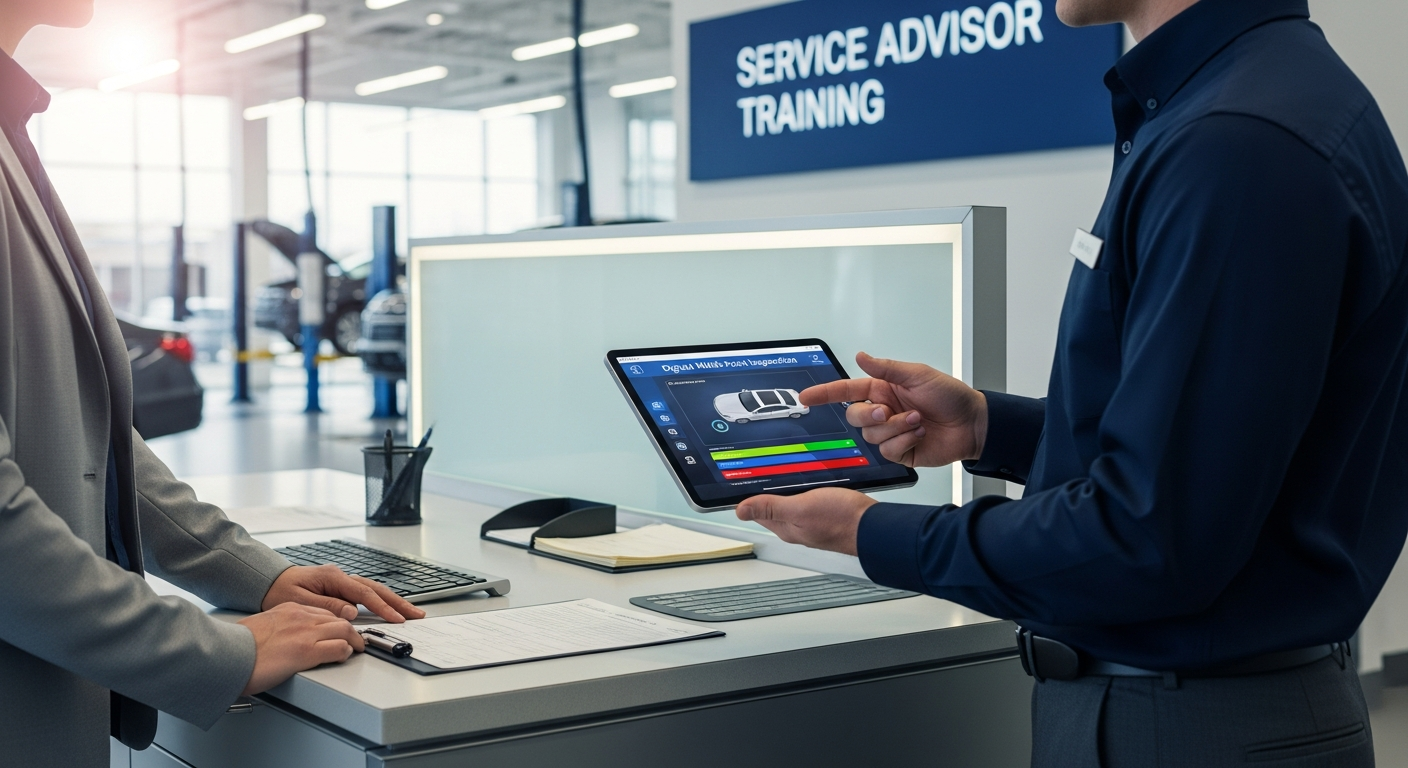
Service advisors play a crucial role in the success of any dealership's service department. Yet, high turnover and inconsistent performance are pervasive issues. Many advisors lack the training and support necessary to meet customer expectations consistently.
According to recent studies, 45% of vehicle owners report dissatisfaction with dealership service due to unexpected costs and poor communication. These issues stem from inadequate advisor training, leading to unclear estimates and communication friction.
A significant factor contributing to these challenges is the rapid advancement in vehicle technology, including the rise of electric vehicles (EVs) and hybrids. Many advisors are ill-prepared to discuss the nuances of EV ownership, battery health, and maintenance differences, causing customers to defect to independent service providers.
Current Industry Landscape
The automotive service industry is undergoing significant transformation, driven by technology and changing consumer preferences. With over 137 million repair orders written mid-year 2025, service and parts sales are booming, yet dealerships face increased competition from independent shops and mobile service providers.
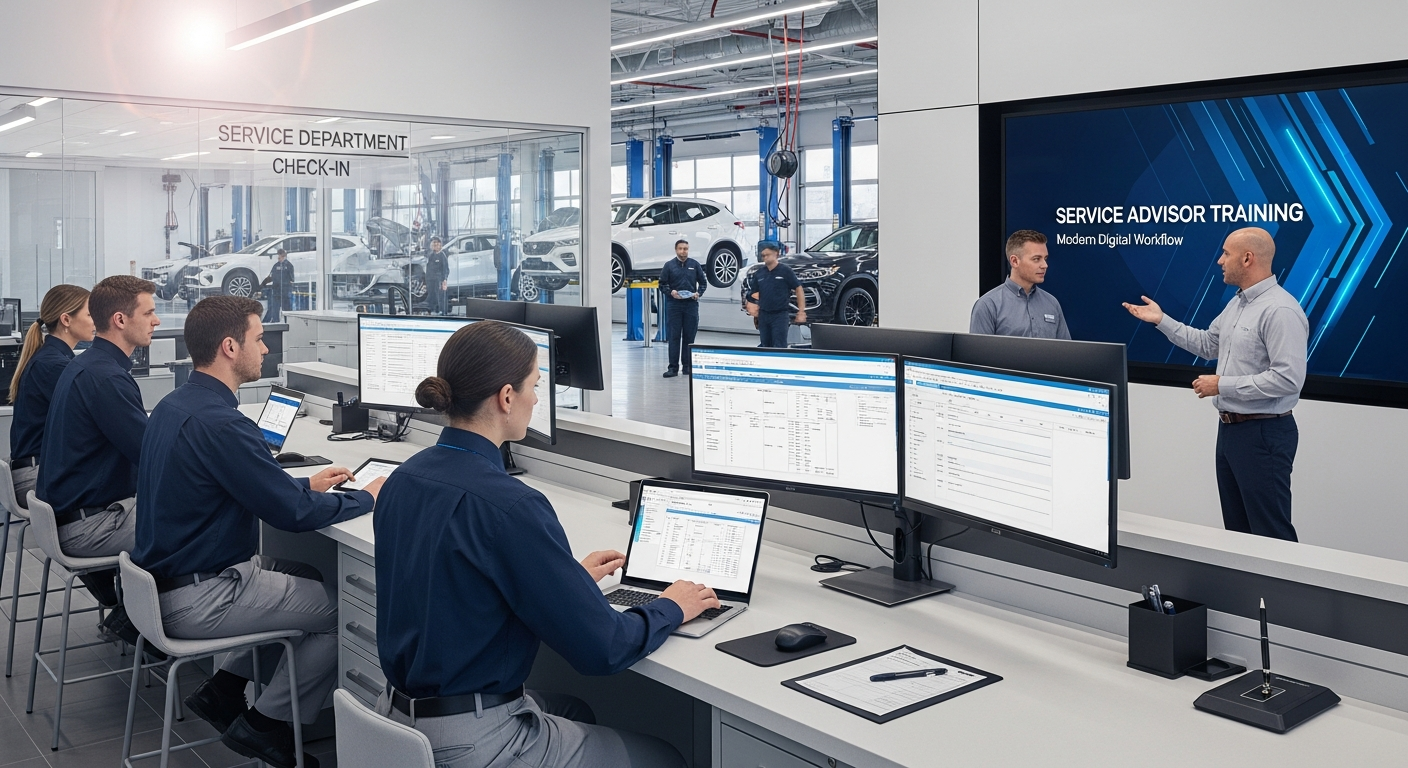
AI voice assistants, digital MPIs, and video walkarounds are becoming industry standards, helping streamline service processes and improve customer engagement. However, many dealerships are slow to adopt these technologies, which can lead to inefficiencies and customer dissatisfaction.
Mobile service is gaining traction, with a Net Promoter Score (NPS) of 64 compared to 47 for in-store services. This shift highlights the importance of adapting to consumer demands for convenience and flexibility.
The Solution Framework
To address these challenges, dealerships must invest in a comprehensive training framework that empowers service advisors with the skills and tools needed to thrive. Auto Pro Solutions offers targeted resources that enhance advisor capabilities, from AI-driven call handling to video MPI presentations.
Training modules should focus on communication skills, technical knowledge, and digital tool proficiency. By incorporating video walkarounds and digital MPIs, advisors can provide transparent, detailed service recommendations that build trust with customers.
Additionally, offering pay-over-time financing options like BNPL can help advisors present service solutions that align with customer budgets, improving approval rates and customer satisfaction.
Implementation Guide
Implementing an effective training program requires a structured approach. Start by assessing current advisor performance and identifying specific areas for improvement. Collaborate with training providers like Auto Pro Solutions to develop customized learning paths.
Introduce microlearning modules that can be completed in short bursts, making it easier for advisors to fit training into their busy schedules. Utilize video tutorials, interactive quizzes, and role-playing scenarios to reinforce learning.
Regular feedback and coaching sessions are essential for sustaining improvements. Establish a coaching cadence that includes one-on-ones, call calibrations, and shadowing opportunities to ensure continuous development.
Measuring Success
To evaluate the effectiveness of your service advisor training program, focus on key performance indicators (KPIs) such as customer-pay effective labor rate (ELR), hours per repair order (RO), and customer satisfaction index (CSI).
Tracking these metrics over time will help quantify the impact of training on advisor performance and customer satisfaction. Use tools like digital MPIs to increase approval rates and monitor customer feedback through CSI surveys.
Additionally, measure the impact of digital adoption on service workflow, including the reduction of service call hold times and shifting bookings from phone to digital channels.
Advanced Strategies
Once the foundational training is in place, consider scaling your efforts with advanced strategies. Segmenting customers based on their service needs—such as EV owners or warranty customers—can provide tailored service experiences.
Incorporate alignment pre-scan technologies to identify potential issues before they become costly repairs. This proactive approach can enhance customer trust and reduce declined service rates.
Finally, continuously refine your training program by collecting feedback from advisors and customers. Use this data to make iterative improvements and ensure your service department remains ahead of industry trends.
Related Topics
Ready to take your service department to the next level?
Schedule your demo today and experience the power of Auto Pro Solutions.
Schedule Demo