From Toolkits to Talent: How to Tap Top Technician Potential
Understanding the Challenge
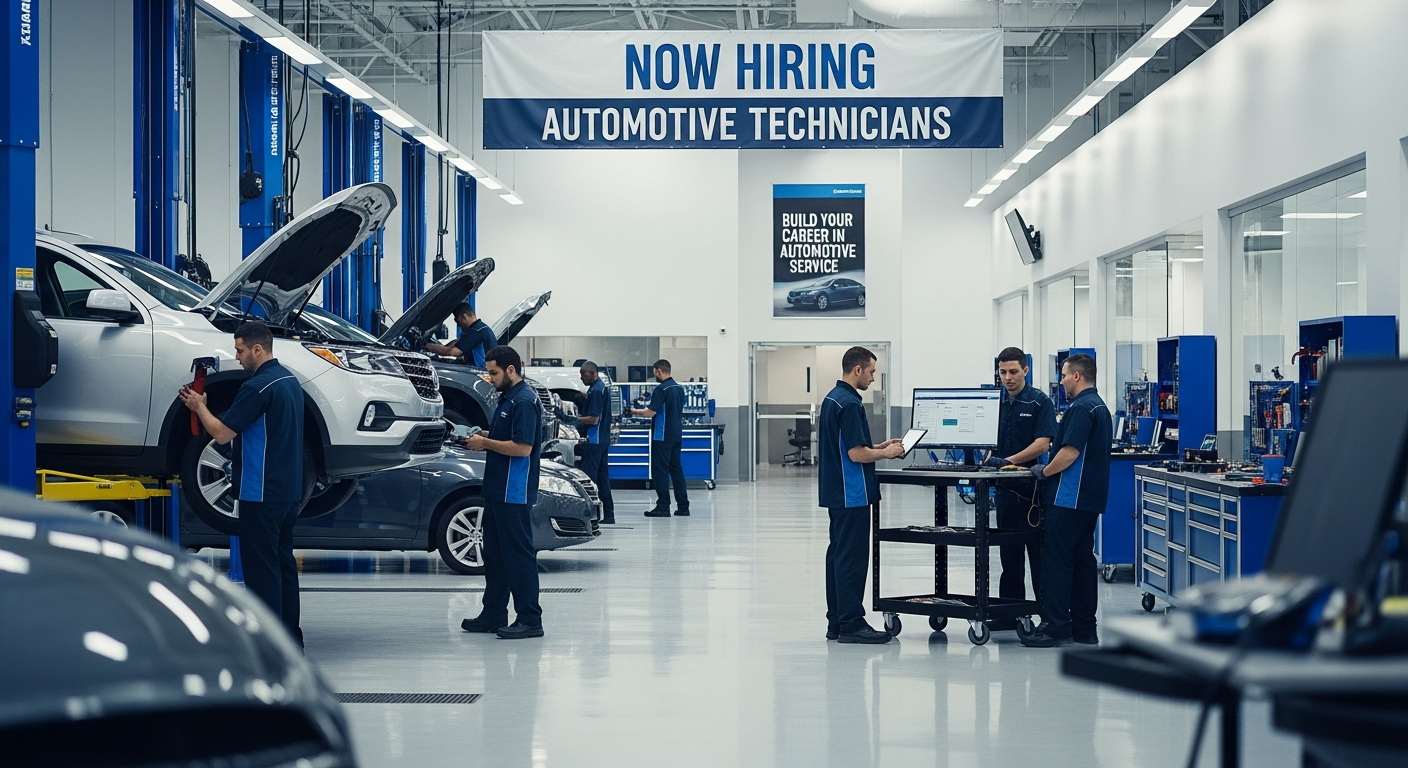
In today’s automotive industry, the technician shortage is a pressing issue that disrupts service operations and impacts profitability. The reasons are multifaceted—aging workforce, insufficient graduation rates from technical programs, and the complexity of modern vehicles all contribute. The demand for technicians, especially those skilled in EV and ADAS technologies, far outpaces supply, leading to extended appointment times and loss of customer loyalty. As dealerships strive to maintain competitive service operations, understanding these challenges is the first step toward finding effective solutions.
The industry is also grappling with an image problem; many young professionals perceive automotive careers as less prestigious compared to other technical fields. This perception, combined with historical pay structures that may not appeal to new entrants, exacerbates the shortage. The flat-rate pay model, for instance, doesn’t always provide the income stability that younger technicians seek.
Moreover, the traditional recruitment avenues are drying up. Schools and training programs are not producing enough graduates to meet demand, partly because fewer students are enrolling in automotive programs. This shortfall is not just a recruitment issue but a strategic business challenge that requires innovative thinking and proactive solutions.
Understanding the landscape involves acknowledging the gap between the old ways of recruiting and the new expectations of the workforce. Dealerships that wish to thrive must adapt to these changes by implementing forward-thinking recruitment strategies and offering packages that appeal to modern technicians.
The good news is that there are solutions. By addressing these root causes with innovative recruitment and retention strategies, dealerships can improve their service department’s operational efficiency and profitability.
Current Industry Landscape
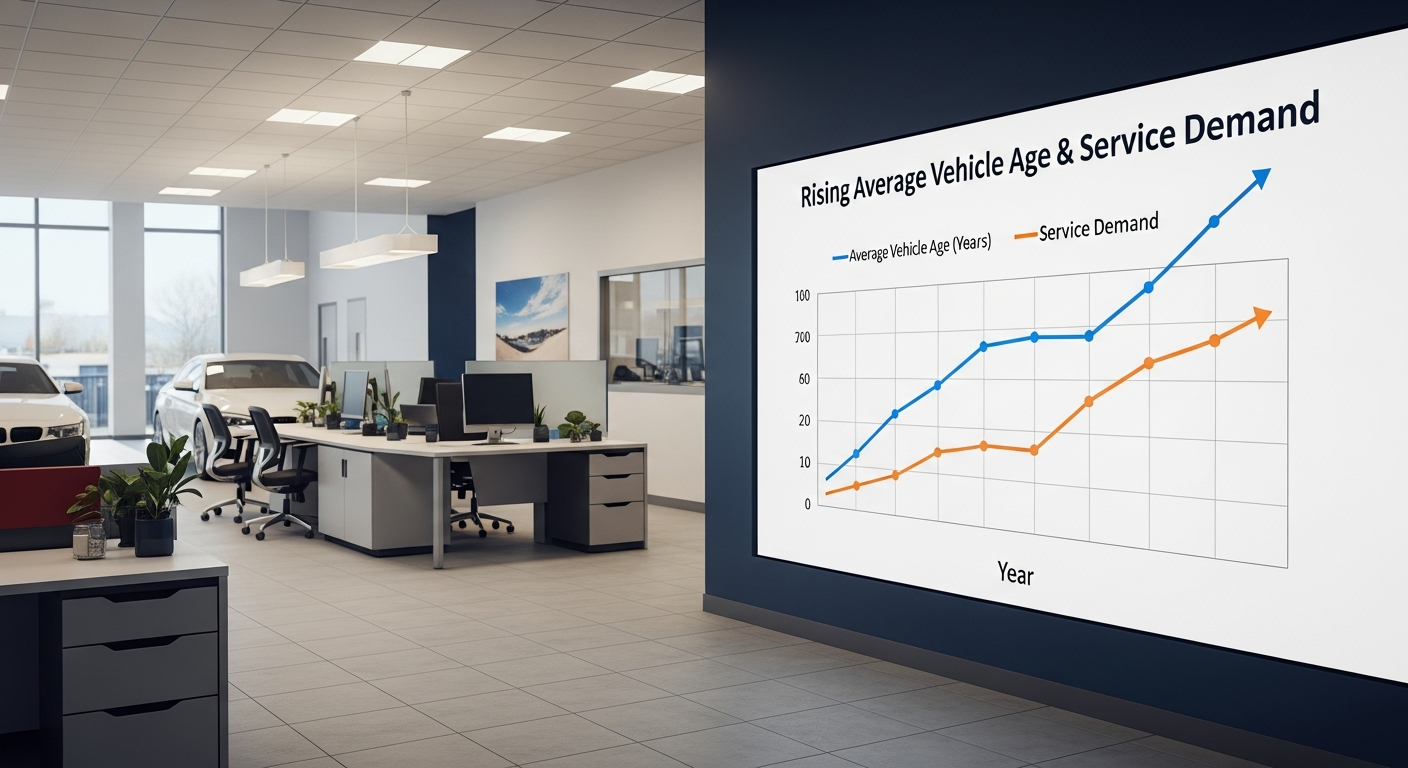
The current industry landscape is shaped by a mix of technological advancements and shifting consumer expectations. With the average vehicle age reaching new highs, the demand for maintenance and repair services continues to grow. However, the technician shortage poses a significant hurdle. According to TechForce, nearly one million new-entry transportation technicians will be needed over the next five years, highlighting the critical need for effective recruitment strategies.
Moreover, dealerships are facing increased competition from independent service providers, who often lure away customers with shorter wait times and competitive pricing. This trend is partly driven by the extended appointment lead times at dealerships, which average over five days for both mass-market and premium vehicles, according to recent J.D. Power studies.
As vehicles become more sophisticated, the demand for technicians skilled in electric and autonomous vehicle technologies is rising. Yet, many dealerships are not fully equipped to offer the necessary training or career development opportunities for these specialized roles. This gap presents a unique opportunity for those willing to invest in training and partnerships.
The ongoing transition to electric vehicles further amplifies the need for specialized technician skills. Dealerships that can offer competitive packages for EV-trained technicians will not only attract talent but also cater to the growing segment of EV owners who report lower service satisfaction at traditional shops.
In summary, the evolving market demands a strategic approach to technician recruitment that focuses on training, partnerships, and innovative compensation models.
The Solution Framework
Addressing the technician shortage requires a comprehensive strategy that includes competitive compensation, robust training programs, and strategic partnerships with educational institutions. The first step is to reassess the compensation structures. Dealerships are increasingly moving away from traditional flat-rate pay models to hybrid systems that combine hourly wages with production bonuses, offering both stability and incentive for high performance.
Consider the implementation of a four-day workweek. This scheduling flexibility can make a significant difference in attracting younger technicians who prioritize work-life balance. By demonstrating a commitment to employee well-being, dealerships can differentiate themselves as employers of choice.
Partnerships with educational institutions are equally crucial. By collaborating with local ASE-accredited programs, dealerships can tap into a steady stream of new talent. These partnerships often involve sponsoring students or offering internships that provide hands-on experience within the dealership.
Additionally, investing in advanced technology like AI-driven scheduling tools can streamline service operations, reducing appointment lead times and easing the load on service advisors. These tools not only improve efficiency but also enhance customer satisfaction by providing accurate wait times and service estimates.
Ultimately, the solution framework hinges on creating an environment where technicians feel valued and supported, which in turn boosts retention and productivity.
Implementation Guide
Implementing a successful recruitment strategy begins with clear communication of the dealership’s values and benefits. Use all available channels to promote your dealership as a great place to work, highlighting any unique benefits such as tool stipends, paid training, or work schedule flexibility.
Next, develop a targeted outreach plan to connect with potential recruits. This could include visits to local trade schools, participation in job fairs, and leveraging online recruitment platforms such as WrenchWay and Hireology that are specifically tailored for automotive service roles.
Create a structured onboarding process that includes mentorship programs. Pairing new technicians with experienced mentors can significantly reduce 90-day attrition rates and foster a culture of continuous learning and development.
Consider offering signing bonuses or tuition reimbursement programs. While these require upfront investment, they can be effective tools in attracting top talent and demonstrating your commitment to their professional growth.
Finally, measure the effectiveness of your recruitment strategies by tracking key performance indicators such as time-to-fill positions, retention rates, and technician productivity. Adjust your strategies based on what the data reveals.
Measuring Success
To ensure recruitment strategies are effective, it’s essential to measure outcomes using specific metrics. One of the primary indicators of success is the time-to-fill open positions. A shorter hiring period indicates an efficient recruitment process and a strong appeal to potential candidates.
Another critical metric is the retention rate, particularly the 90-day and 12-month retention rates. High retention suggests that new hires are satisfied with their roles and the dealership environment, reducing the costs associated with high turnover.
Technician productivity, measured in terms of sold hours per repair order and first-time fix rates, provides insight into how well technicians are adapting to their roles and the efficiency of the service department. Improvements in these areas can signal that technicians are well-integrated and properly supported.
Customer satisfaction scores, particularly regarding service wait times and quality, serve as an indirect measure of recruitment success. Efficient and skilled technicians contribute to shorter wait times and higher quality repairs, boosting overall customer satisfaction.
Regularly reviewing these metrics allows dealerships to identify strengths and weaknesses in their recruitment and retention strategies and make informed adjustments as needed.
Advanced Strategies
Once the foundations of a solid recruitment strategy are in place, dealerships can explore advanced tactics to optimize and scale their efforts. One such strategy is the use of predictive analytics to identify the most promising candidates early in the recruitment process. By leveraging data from previous hires and market trends, dealerships can streamline their selection process and focus resources on the most likely successful recruits.
Developing a robust employer brand is also crucial. This involves not only marketing the dealership as a desirable place to work but also cultivating a culture that genuinely supports technician growth and satisfaction. Techniques include gathering and showcasing testimonials from current employees and participating in community events to enhance the dealership’s reputation.
Expanding partnerships with educational institutions can further strengthen the talent pipeline. Consider creating customized training programs in collaboration with schools to ensure that graduates are job-ready from day one.
Implementing regular feedback loops with technicians can help refine recruitment and retention strategies. Encouraging open communication allows dealerships to address concerns proactively and adapt to changing workforce expectations.
Finally, consider adopting a continuous improvement mindset. Regularly assess the effectiveness of recruitment strategies and stay informed about industry trends to remain competitive in attracting top technician talent.
Related Topics
Ready to take your service department to the next level?
Schedule your demo today and experience the power of Auto Pro Solutions.
Schedule Demo