From Numbers to Know-How: Transforming Service Insights into Actionable Improvements
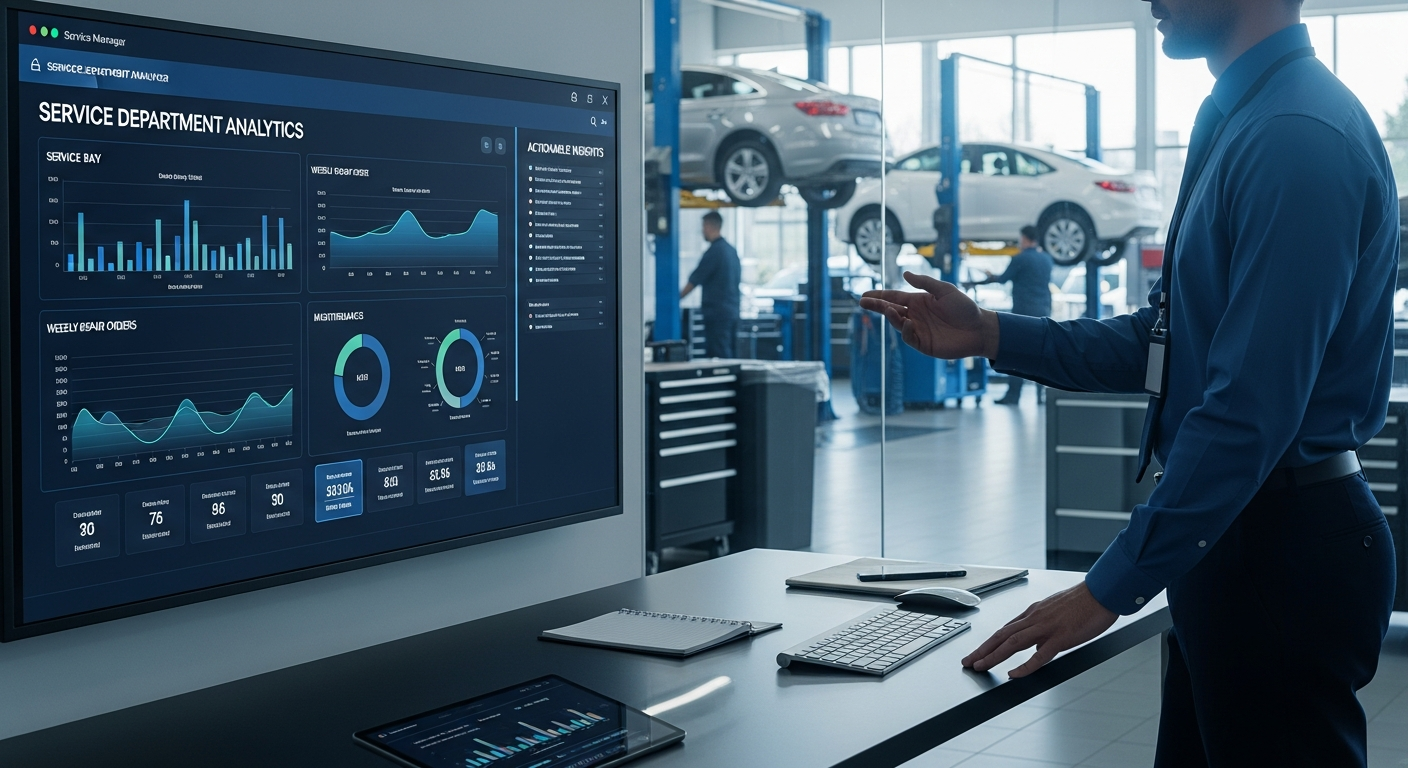
Understanding the Challenge
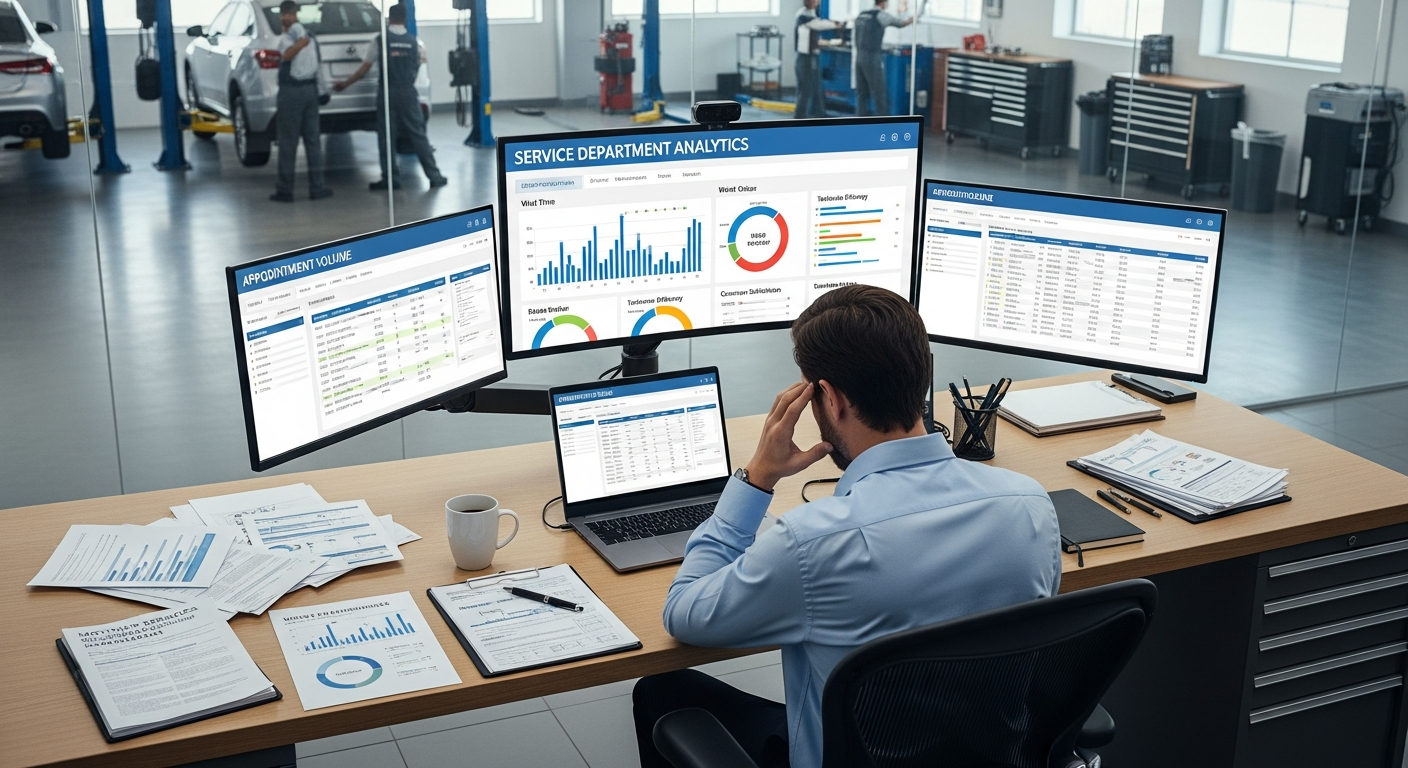
Service departments are inundated with a plethora of data points from various sources, including customer interactions, repair orders, and technician reports. This abundance of information can become overwhelming, leading to analysis paralysis where decision-making becomes more difficult instead of easier.
One of the primary challenges is the disconnect between the data collected and the actionable insights needed to drive operational improvements. Many service managers find themselves asking: How can we reduce appointment lead times while balancing shop capacity? Which technicians are truly driving the highest hours per repair order (HPRO) and effective labor rate (ELR)?
Consider a typical day at a dealership: Service advisors are busy managing customer inquiries, technicians are occupied with repairs, and the clock is ticking on service cycles. Amidst this, the ability to pinpoint which digital touchpoints can effectively recapture service defections or how to optimize video multipoint inspections (MPI) to increase customer-pay approvals becomes crucial.
The complexity of managing service retention amidst competition from independent shops further complicates the landscape. According to a Cox Automotive study, dealerships have lost 12% of service visits to the competition since 2018, highlighting the urgent need for strategic intervention.
Therefore, transforming raw data into meaningful insights is not just a nice-to-have—it is essential for maintaining competitive advantage and ensuring customer satisfaction. But how can service departments turn this challenge into an opportunity? The answer lies in leveraging advanced analytics tools that translate complex data into clear, actionable strategies that align with business goals.
Current Industry Landscape

The automotive service industry is undergoing a transformative phase, driven by technological advancements and shifting consumer expectations. In 2024, U.S. franchised dealers wrote over 270 million repair orders, generating $156 billion in service and parts sales. These figures underscore the critical role service departments play in dealership profitability.
However, the market presents its own set of challenges. According to J.D. Power, average dealer appointment wait times in 2024 were 5.2 days for mass-market and 5.4 days for premium brands, significantly longer than pre-2018 levels. This not only affects customer satisfaction but also impacts service retention.
Moreover, dealerships are losing ground in customer loyalty, particularly among new vehicle owners. A recent Cox Automotive study revealed that only 54% of owners with vehicles two years old or less returned to their selling dealer for service in 2025, down from 72% in 2023.
To navigate these challenges, service departments must focus on enhancing operational efficiency and customer experience. Tools like CDK Neuron Service Performance and Xtime Spectrum are revolutionizing how dealerships harness data for strategic decision-making.
By understanding these industry trends and leveraging the right technologies, service managers can position their departments to meet evolving consumer demands and outperform the competition.
The Solution Framework
At the core of successful service department operations is the ability to transform data into actionable insights. This requires a systematic approach that aligns data analytics with business objectives.
Auto Pro Solutions offers a comprehensive framework that empowers service managers to leverage their data effectively. By focusing on key metrics such as HPRO, ELR, and first-time fix rate (FRFT), dealerships can identify performance gaps and implement targeted improvements.
For instance, by analyzing the relationship between video MPI adoption and customer-pay approvals, service departments can fine-tune their processes to enhance profitability. Similarly, understanding service retention patterns based on vehicle age and ownership tenure can inform strategies to recapture lost customers.
The use of AI-assisted tools like Tekion AI Copilot and myKaarma Workflow AI further streamlines service operations, automating routine tasks and freeing up staff to focus on value-added activities.
Ultimately, by embedding analytics into the fabric of service department operations, dealerships can drive continuous improvement, boost customer satisfaction, and achieve sustainable growth.
Implementation Guide
Integrating data analytics into your service department operations requires careful planning and execution. The process begins with a clear understanding of your current capabilities and the specific areas where analytics can add the most value.
Start by conducting a comprehensive audit of your existing data sources, including customer feedback, repair order histories, and technician performance metrics. This will help identify gaps and opportunities for improvement.
Next, prioritize the key performance indicators (KPIs) that align with your business objectives, such as reducing appointment lead times, increasing HPRO, or improving first-time fix rates.
Invest in the right technology platforms that support data integration and analysis. Tools like Affinitiv Book for capacity-aware scheduling and UpdatePromise Dashboard Analytics for KPI tracking can significantly enhance your department's analytical capabilities.
Finally, ensure that staff are trained to use these tools effectively. A focus on continuous learning, combined with clear communication of the benefits, will foster a data-driven culture within your department.
Measuring Success
Measuring the success of your analytics initiatives is crucial to ensuring that your service department operations remain on track and continue to deliver value. Focus on both leading and lagging indicators to gain a comprehensive view of performance.
Leading indicators, such as appointment lead times and technician productivity, provide early signals of potential issues or opportunities. Monitoring these metrics allows for proactive adjustments to processes and resource allocation.
Lagging indicators, such as HPRO and ELR, reflect the outcomes of your efforts and help evaluate the effectiveness of implemented strategies. By comparing these metrics against industry benchmarks, you can identify areas for further improvement.
Consider setting up regular reviews of your analytics dashboard to track progress against predefined targets. This ensures that all stakeholders are aligned and informed about ongoing initiatives.
Finally, use insights from your analytics to guide decision-making and strategic planning. By maintaining a focus on measurable outcomes, your service department can continually optimize its operations and enhance customer satisfaction.
Advanced Strategies
Once your service department has established a foundation of data-driven operations, the next step is to optimize and scale these initiatives for maximum impact. This involves refining your analytics processes and expanding their scope across the organization.
Begin by identifying areas where advanced analytics can provide deeper insights, such as predictive modeling for appointment scheduling or machine learning for technician skill matching.
Leverage multi-rooftop benchmarking to compare performance across different locations, using standardized definitions and mix normalization to ensure consistency.
Explore the potential of AI-driven tools to automate complex workflows, improve accuracy, and increase efficiency. Tekion's AI Agents, for example, can enhance service operations by automating routine tasks and facilitating decision-making.
Finally, consider developing a comprehensive change management plan to guide your organization through the transition. This should include timelines, training requirements, and communication strategies to ensure a smooth implementation.
Related Topics
Ready to take your service department to the next level?
Schedule your demo today and experience the power of Auto Pro Solutions.
Schedule Demo