
In an evolving automotive landscape where customer expectations and technological advancements are rapidly changing, fixed ops leadership is crucial for sustaining dealership profitability and operational excellence. This comprehensive guide will equip service managers and fixed ops directors with the insights and strategies needed to lead their departments to new heights in 2025.
The Evolving Role of Fixed Ops Leaders in 2025
Navigating New Challenges and Opportunities
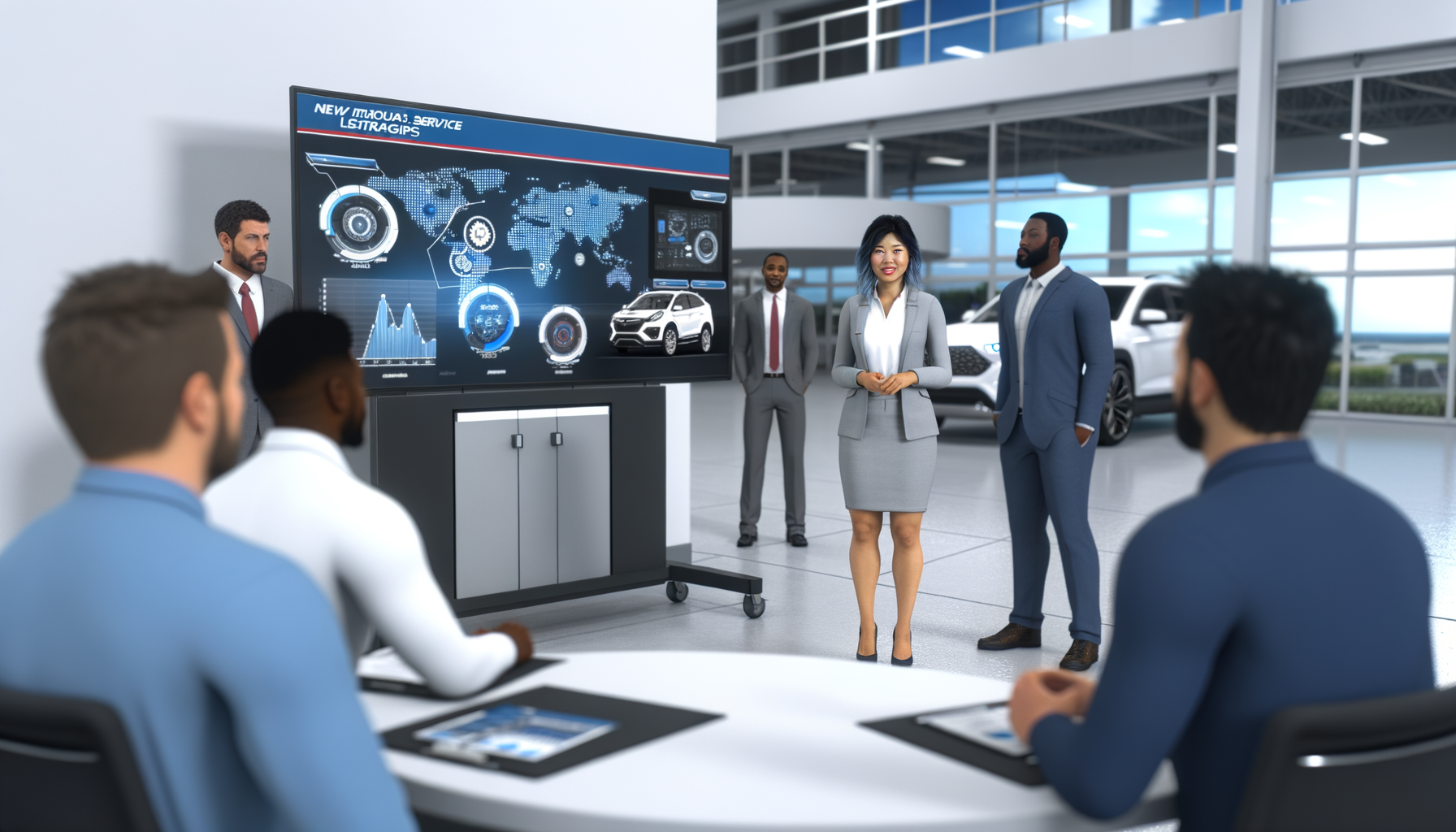
As the automotive industry transitions towards electrification and digitalization, the role of fixed ops leaders is expanding. Leaders must now integrate cutting-edge technologies and cater to a more tech-savvy customer base. Recent industry trends like a 15% increase in EV-related repairs necessitate that fixed ops directors stay ahead of OEM requirements and emerging technological demands. This includes fostering partnerships with tech providers and continuously updating service protocols. To effectively navigate these changes, leaders should prioritize strategic planning and continuous education, ensuring their teams are equipped to handle new service paradigms.
Key evolving roles of fixed ops leaders: 1. Tech Integration Specialist, 2. Customer Experience Architect, 3. Strategic Planner
Mastering Service Department Metrics for Improved Performance
Decoding Data to Elevate Departmental Success
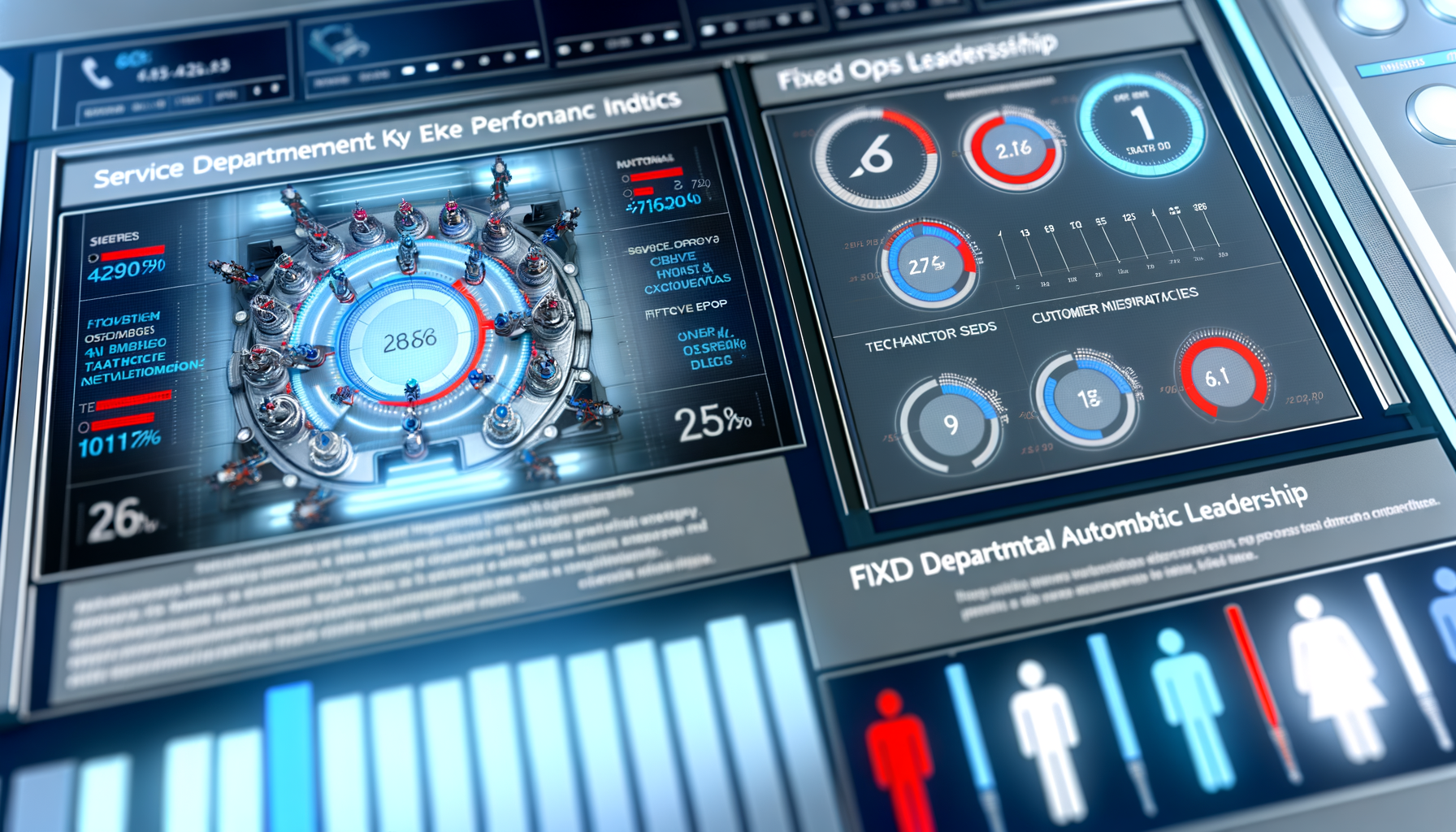
Service department metrics, when effectively utilized, can uncover insights that drive significant operational improvements. Key performance indicators (KPIs) such as first-time fix rate and service efficiency are crucial. Real-world case study: A dealership that increased its first-time fix rate by 20% through targeted technician training and real-time diagnostics saw a corresponding increase in customer satisfaction scores by 25%. Step-by-step guide to mastering metrics: 1. Identify KPIs aligned with business goals, 2. Implement a robust data management system, 3. Regularly review and act on data insights.
Implementing a data-driven approach can transform service operations, focusing on metrics that matter for sustained growth.
Leveraging Technology to Drive Operational Efficiency
Harnessing Automation and Analytics
Incorporating technology such as automation and analytics platforms is critical for optimizing service workflows and increasing repair accuracy. A hypothetical dealership implemented predictive maintenance software, reducing unscheduled downtime by 30% and enhancing vehicle throughput by 18%. Utilize a combination of cloud-based systems and IoT devices to streamline operations, ensuring real-time data accessibility for all team members.
Embracing technology is no longer optional—it's essential for maintaining a competitive edge in service operations.
Coaching Strategies to Enhance Team Development
Cultivating a High-Performance Service Team

Effective leadership involves developing a team that is adaptable, skilled, and motivated. Implement regular coaching sessions focusing on skill enhancement and career progression. Case example: A service manager conducting weekly one-on-one coaching sessions saw a dramatic decrease in technician turnover from 30% to 10% over a year. Implement an ongoing training program that includes both technical and soft skills development, tailored to individual team member goals.
Coaching strategies: 1. Set clear growth objectives, 2. Provide feedback and support, 3. Recognize and reward achievements
Building a Customer-Centric Service Culture
Aligning Operations with Customer Expectations

Creating a customer-centric culture involves understanding and exceeding customer expectations consistently. With 68% of service customers preferring digital scheduling, integrating seamless digital solutions is imperative. An exemplary dealership revamped its digital engagement strategy, incorporating personalized messaging and follow-ups, which increased repeat service bookings by 40%. Actionable steps: 1. Implement a customer feedback loop, 2. Train staff on customer interaction best practices, 3. Utilize CRM systems to tailor customer experiences.
Customer-centricity is not just about service delivery—it's about creating memorable experiences that foster loyalty.
Measuring and Maximizing Fixed Ops ROI
Strategizing for Sustainable Profitability

To ensure fixed ops departments remain profitable, leaders must accurately measure and optimize ROI by analyzing cost structures and revenue streams. A hypothetical dealership increased its ROI by 15% by restructuring its service pricing model and optimizing parts inventory to reduce waste. Step-by-step approach: 1. Conduct a comprehensive financial analysis, 2. Identify cost-saving opportunities, 3. Implement pricing strategies that reflect both value and market conditions.
| Metric | Baseline | Target Outcome | |-----------------|----------|----------------| | ROI Increase | +15% | +20% by Q4 2025 | | Parts Inventory Reduction | 10% | 20% reduction in excess | | Service Upsell Growth | 5% | 10% by end of year |
Questions managers ask
What are the key challenges in fixed ops leadership in 2025?
The key challenges include integrating new technologies, managing staff turnover, meeting evolving customer expectations, and navigating supply chain disruptions.
How can fixed ops leaders improve customer satisfaction?
By adopting a customer-centric approach, leveraging digital tools for convenience, and ensuring consistent communication and feedback loops.
What to do with this
In 2025, fixed ops leadership requires a dynamic approach that combines technological integration, data-driven insights, and team development to achieve service department success. Leverage this playbook to implement new strategies, measure outcomes, and continuously refine operations for sustained growth. Auto Pro Solutions offers innovative software solutions that streamline service operations and enhance customer interactions, making it an essential tool for modern fixed ops leaders.
Related topics
More for service managers
Navigating the Leadership Highway: Cultivating Growth in Fixed Ops Management
Imagine walking into your dealership service department, bustling with activity—technicians engaged, customers satisfied, and appointments running smoothly. For many service…
Charting the Course: Steering Fixed Ops Leadership into the Next Era
Imagine your dealership's service department buzzing with activity, every bay occupied, and technicians working seamlessly, yet the numbers still don't add up. You're not…
Empowering Dealership Service Teams: The Essential Leadership Playbook
In the fast-paced world of automotive service departments, leadership plays a pivotal role in driving performance and profitability. Service managers often find themselves…