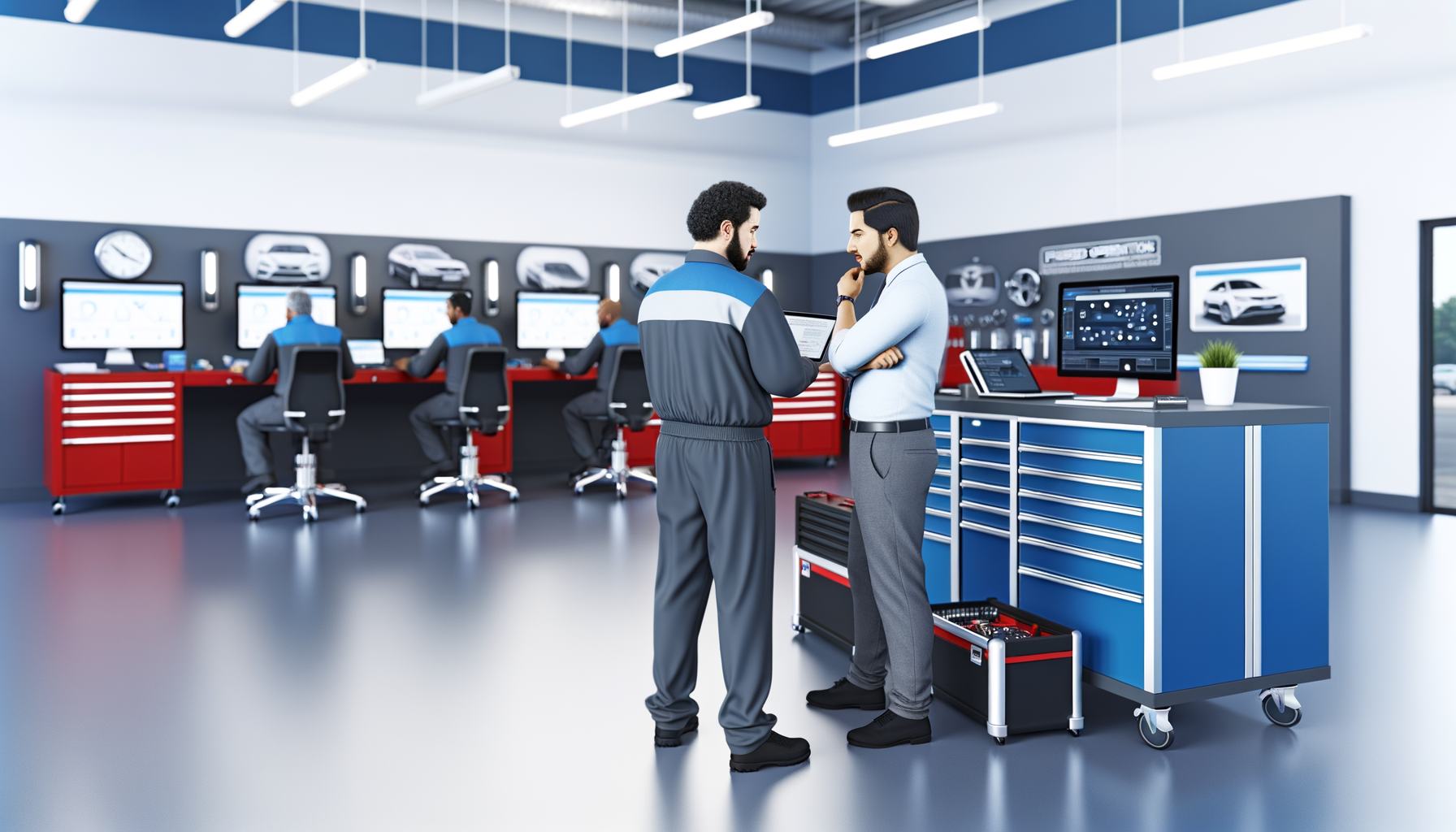
In the fast-evolving landscape of automotive service, fixed operations leadership is the linchpin of dealership success. As we steer through 2025, service managers and directors face mounting pressures—from integrating advanced technology to enhancing customer satisfaction. This guide provides industry-specific solutions to drive profitability, efficiency, and loyalty in your service department.
Navigating the New Automotive Service Landscape
Understanding Current Trends and Challenges
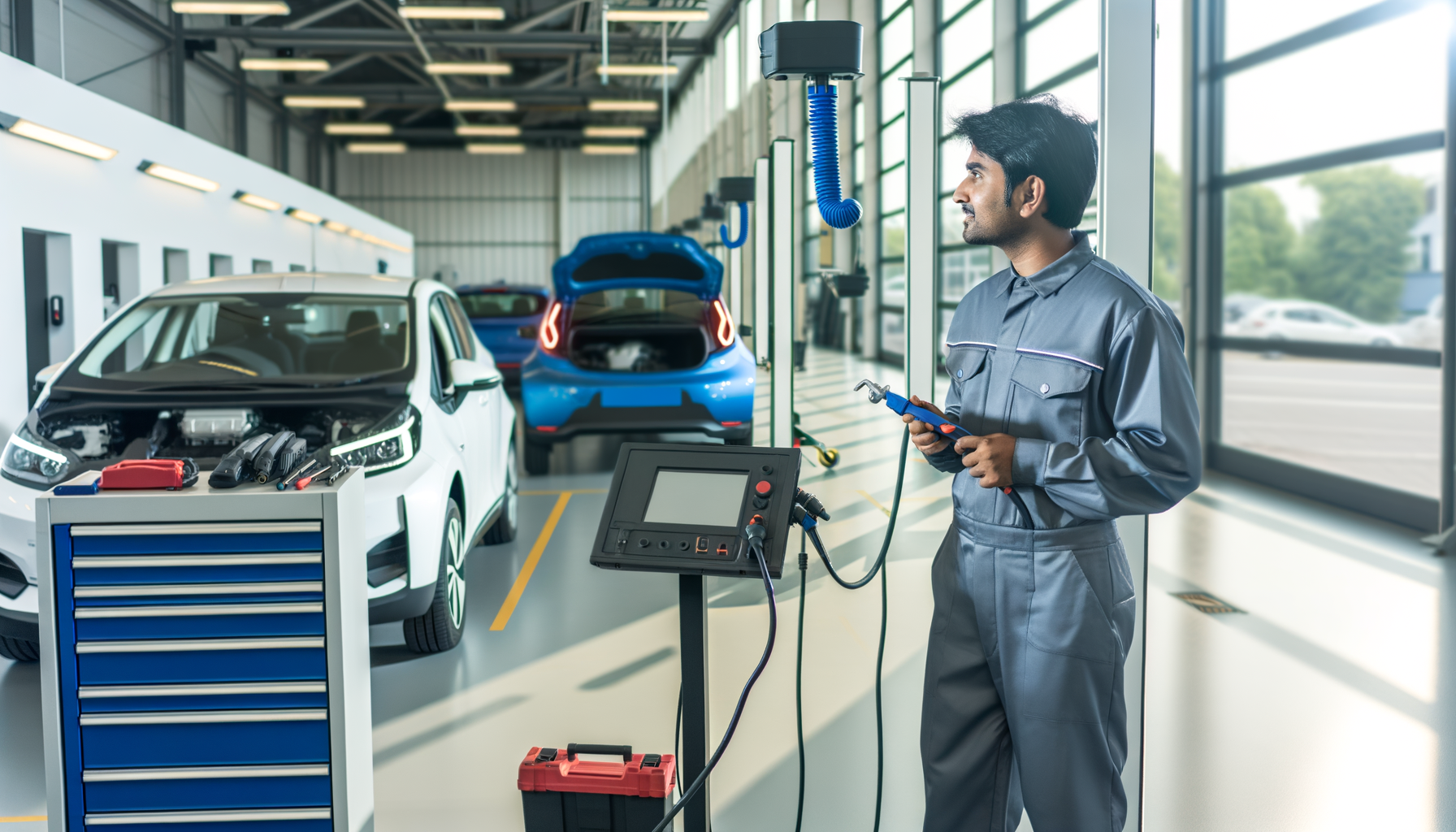
With a 15% increase in EV-related repairs, service departments face new challenges in technology and training. Adapting to these changes is crucial for maintaining competitive edge. The introduction of new OEM requirements highlights the need for continual staff training. Dealers must invest in up-to-date technical education to meet these standards. To navigate these shifts, fixed ops leaders must prioritize proactive adaptation strategies. This includes leveraging analytics to predict trends and adjust operations accordingly.
1. Embrace EV service opportunities 2. Meet new OEM training requirements 3. Use analytics for strategic foresight
Harnessing Technology for Enhanced Efficiency
Maximizing Service Automation and Analytics

Service departments that utilize automation see a 25% increase in throughput. Implementing automated scheduling systems can drastically reduce downtime and enhance customer satisfaction. Integrating comprehensive analytics software allows service managers to track efficiency metrics in real-time, empowering them to make data-driven decisions more effectively. To maximize these tools, service leaders should ensure their teams are trained in both the usage and interpretation of these systems, creating a culture of continuous improvement.
‘Automation in service operations is no longer optional; it’s essential for maintaining efficiency and competitiveness,’ says Jane Lee, Fixed Ops Director at Auto Pro Solutions.
Building and Retaining a High-Performance Team

Staff turnover in service departments can exceed 30%, impacting efficiency and customer satisfaction. Developing robust onboarding and retention strategies is critical. Effective coaching and mentorship programs have been shown to improve employee satisfaction by 40%. Encouraging peer learning and regular feedback can foster a supportive work environment. Implementing clear career progression paths within the service department not only boosts morale but also aligns team goals with organizational objectives.
| Strategy | Expected Impact | | --- | --- | | Onboarding Programs | 20% reduction in turnover | | Mentorship Initiatives | 40% increase in job satisfaction | | Career Path Development | Enhanced team alignment |
Optimizing Customer Experience with Strategic Leadership

Studies show 68% of customers prefer digital service scheduling. Implementing user-friendly online systems can significantly boost customer satisfaction. Service managers should focus on personalized communication strategies to enhance the customer experience, tailoring interactions based on individual preferences and service history. To measure success, leaders should utilize customer feedback tools to gather insights and make necessary adjustments, fostering a culture of continuous improvement.
Tip: Personalize customer interactions using service history data to create memorable experiences.
Measuring and Maximizing Fixed Ops ROI
Strategies for Financial Success

Accurate ROI calculation remains a cornerstone of effective fixed ops leadership. Leveraging sophisticated analytics can help clarify which investments yield the greatest returns. By tracking key performance indicators (KPIs) such as technician productivity and customer retention rates, leaders can pinpoint areas for financial improvement. Consistently reviewing financial reports and adjusting strategies in response to data insights ensures that the service department aligns with overall dealership profitability goals.
1. Implement comprehensive financial analytics 2. Regularly review technician productivity metrics 3. Align KPIs with dealership goals
Questions managers ask
What are the top skills for a fixed ops director?
Key skills include strategic planning, team leadership, data analysis, customer relationship management, and adaptability to new technologies.
How can service departments improve employee retention?
Enhance retention through mentorship programs, clear career progression paths, and improving workplace culture with regular feedback and peer learning.
What role does technology play in fixed ops leadership?
Technology streamlines operations, enhances customer service, and provides data insights for strategic decision-making, making it integral to modern fixed ops leadership.
What to do with this
Fixed ops leadership demands a strategic approach to navigating technological advances, workforce challenges, and customer expectations. By leveraging the right tools and strategies, service departments can thrive in 2025. Evaluate current technology usage, implement training programs, and utilize customer feedback to refine service strategies. Auto Pro Solutions provides industry-leading analytics and scheduling tools to streamline operations and enhance customer satisfaction in your service department.
Related topics
More for service managers
Navigating the Leadership Highway: Cultivating Growth in Fixed Ops Management
Imagine walking into your dealership service department, bustling with activity—technicians engaged, customers satisfied, and appointments running smoothly. For many service…
Charting the Course: Steering Fixed Ops Leadership into the Next Era
Imagine your dealership's service department buzzing with activity, every bay occupied, and technicians working seamlessly, yet the numbers still don't add up. You're not…
Empowering Dealership Service Teams: The Essential Leadership Playbook
In the fast-paced world of automotive service departments, leadership plays a pivotal role in driving performance and profitability. Service managers often find themselves…