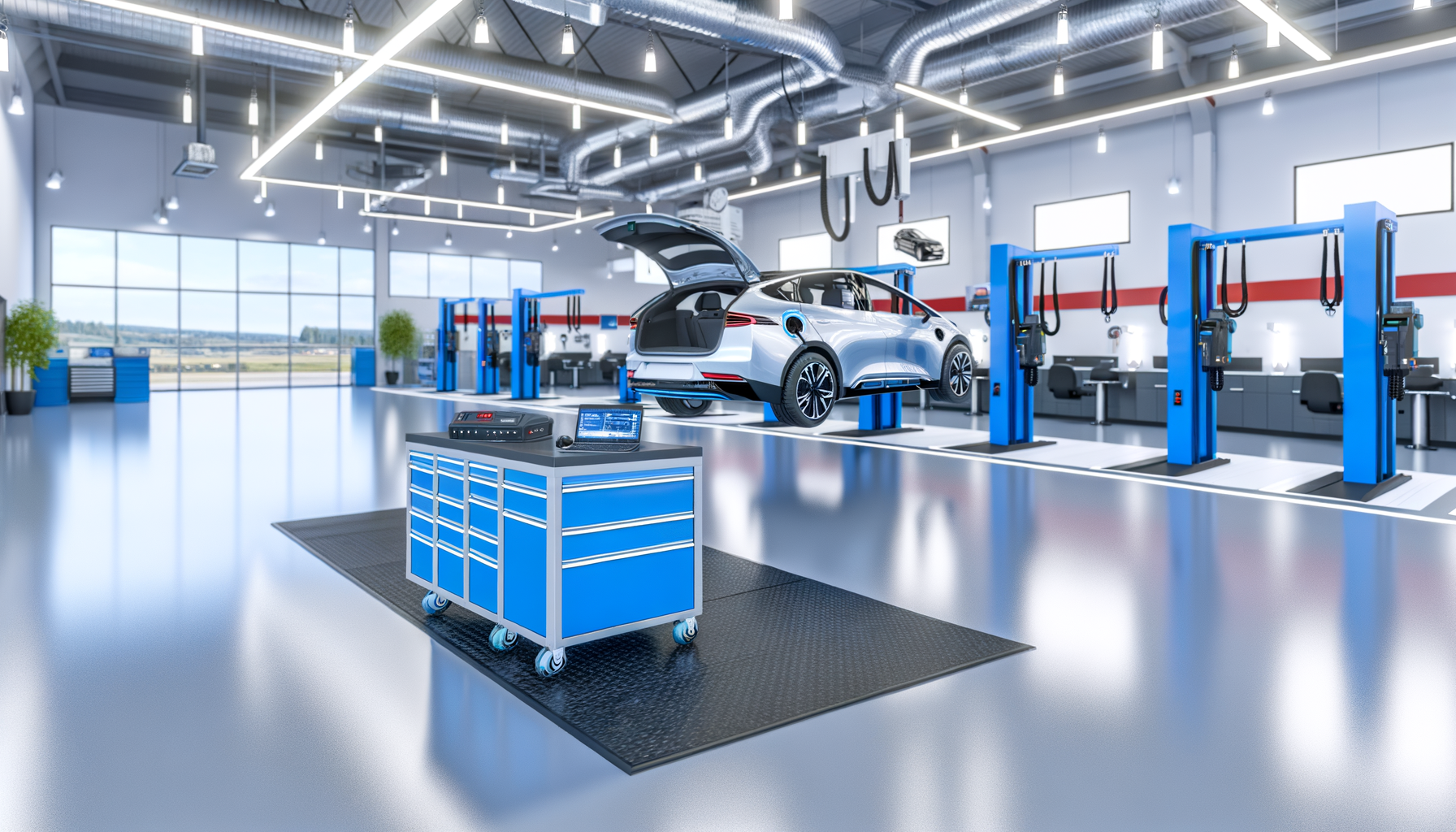
As the automotive industry accelerates towards electrification, service departments are grappling with unique challenges inherent to electric vehicles (EVs). From specialized technician training to advanced equipment investments, navigating these hurdles requires strategic insight and operational finesse. This guide unveils the essential strategies for optimizing EV service departments, ensuring they remain profitable while delivering exceptional customer satisfaction.
Navigating the New Frontier: Understanding EV Service Challenges
The rise of electric vehicles presents unique challenges for service departments. These include an increase in EV-specific repairs, which have surged by 15% as per recent industry data, necessitating a shift in operational dynamics. Top challenges include sourcing specialized parts, understanding new OEM requirements, and managing the balance between traditional and electric vehicle service needs. To effectively navigate these challenges, dealerships must adopt a proactive approach by adjusting their service models and embracing technological advancements that cater to EV-specific issues.
Key Challenges Facing EV Service Departments: - Sourcing specialized parts - Complying with evolving OEM requirements - Balancing mixed vehicle services
Empowering Your Team: Essential Technician Training for EVs
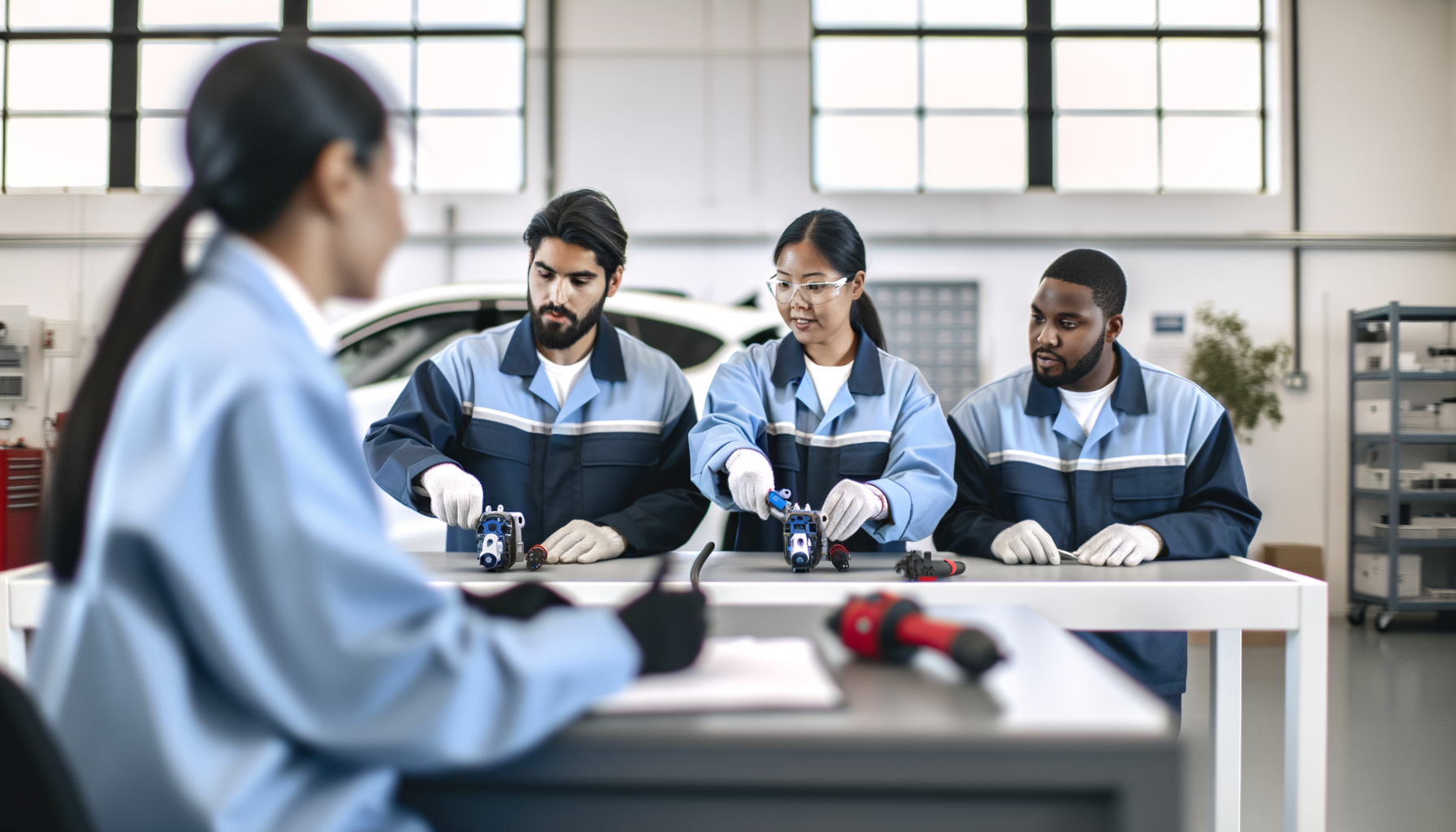
Technician expertise is crucial in maintaining a competitive edge in EV service. With new OEM training mandates, dealerships must ensure their staff is equipped with the latest skills and knowledge. Investing in comprehensive training programs not only enhances technician capabilities but also increases operational efficiency and customer satisfaction. Steps to implement effective training: 1. Partner with certified training providers. 2. Schedule regular workshops and practical sessions. 3. Incentivize continuous learning and certification.
"Continuous training is the backbone of successful EV service operations," states John Doe, Director of Auto Pro Solutions.
Equipping for Success: Investing in Specialized Tools and Equipment
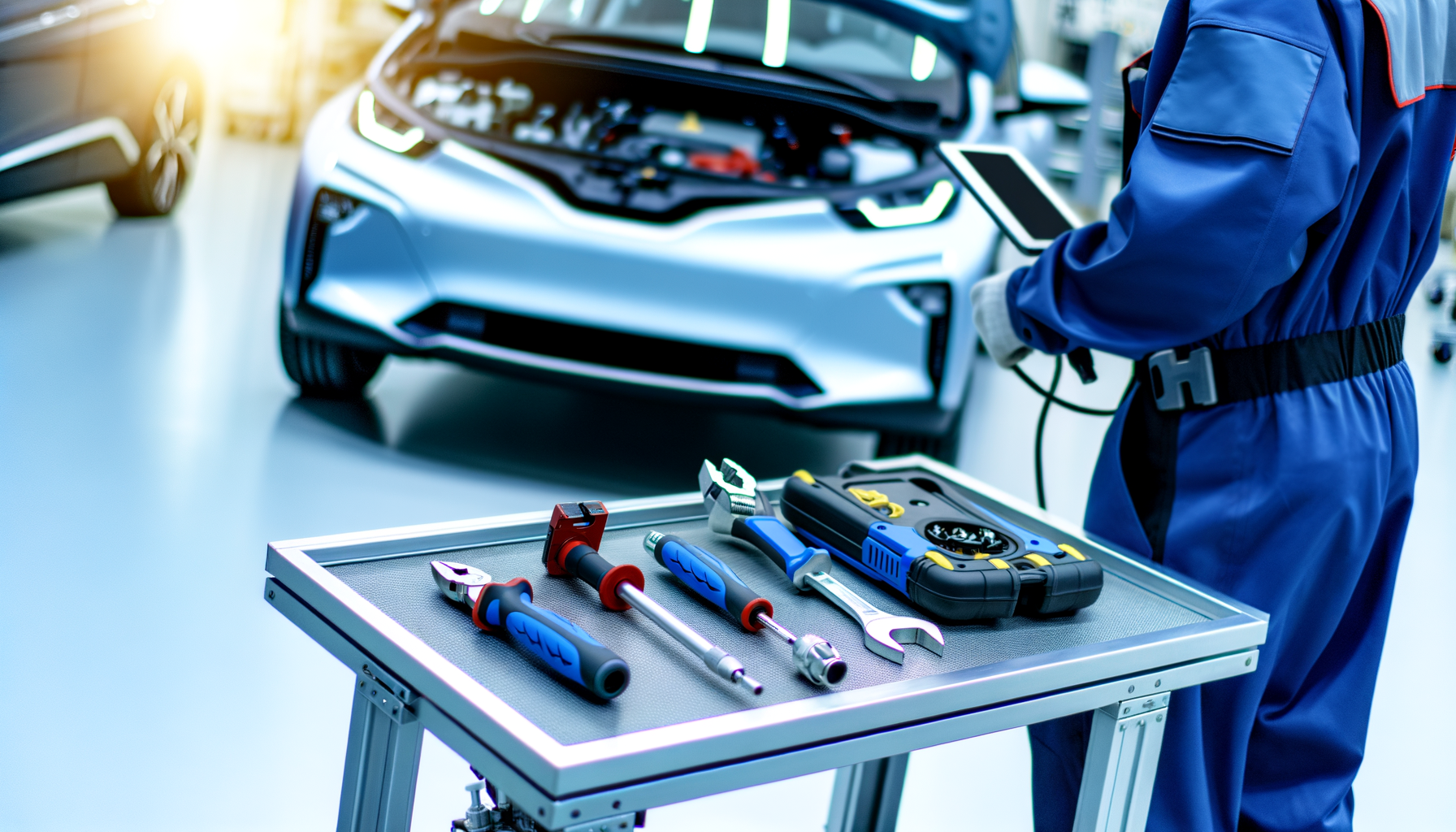
To handle EV repairs effectively, service departments must invest in specialized tools and diagnostic equipment. This not only ensures accurate servicing but also minimizes downtime. A strategic investment plan should prioritize essential EV tools, such as high-voltage safety equipment and advanced diagnostic scanners. Implementation strategy: - Conduct an equipment audit to identify gaps. - Prioritize investments based on frequency of use and necessity. - Explore leasing options for high-cost items to manage budget impacts.
| Tool/Equipment | Purpose | Investment Priority | |----------------|---------|--------------------| | High-voltage safety gloves | Technician safety | High | | Diagnostic scanners | Fault detection | Medium | | Battery management systems | Battery health analysis | High |
Streamlining Operations: Best Practices for EV Workflow Efficiency
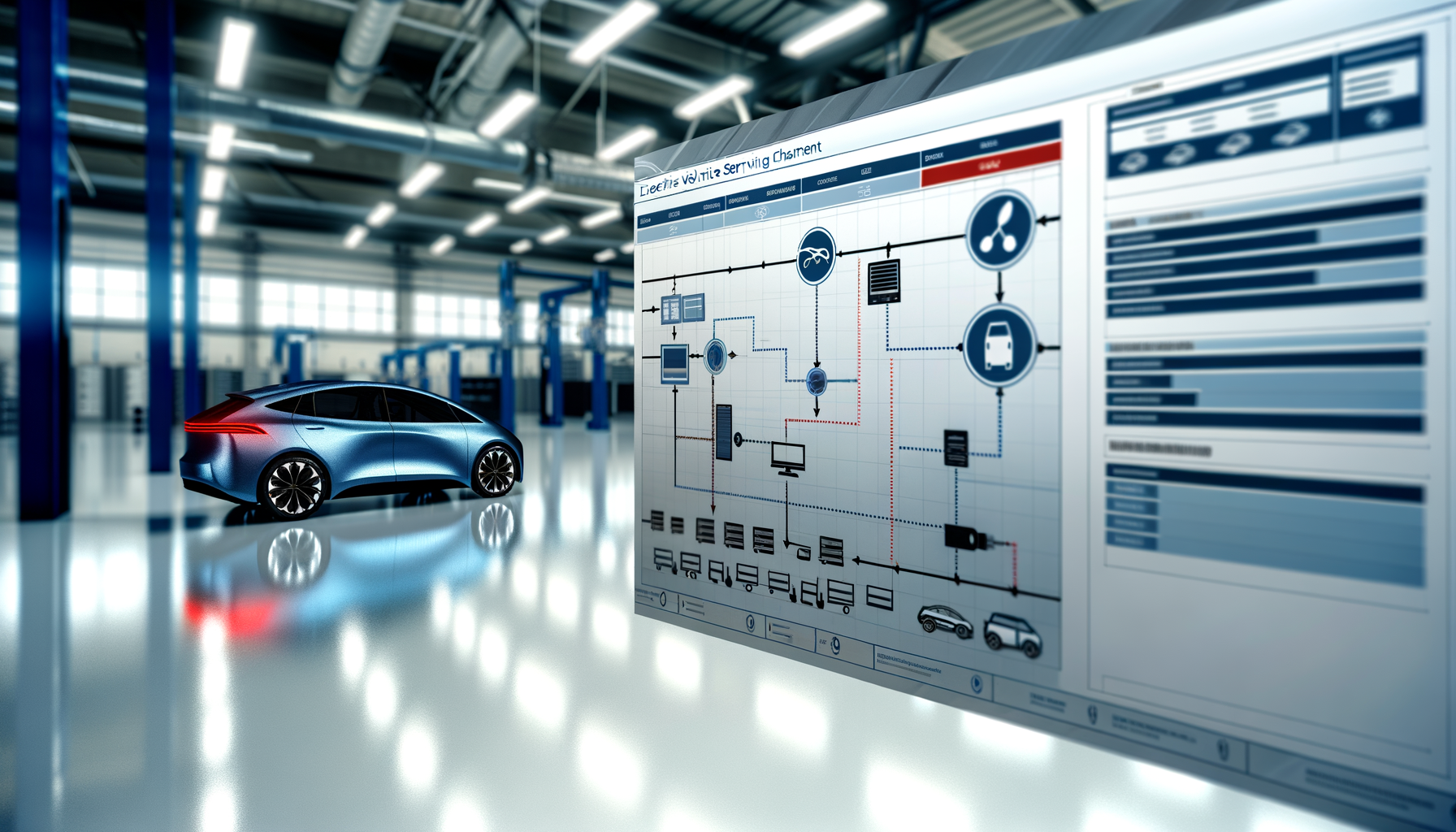
Efficient workflow management is essential to sustaining profitability in EV service departments. This includes optimizing scheduling, inventory management, and repair processes. Implementing a robust workflow management system can help mitigate common bottlenecks and enhance service efficiency. Steps for optimization: 1. Utilize digital scheduling to maximize service bay utilization. 2. Implement just-in-time inventory systems for parts management. 3. Adopt standardized repair procedures to reduce service time.
Did you know? Dealerships using digital scheduling systems report up to 20% improvement in service efficiency.
Enhancing Customer Experience: Digital Solutions and Scheduling
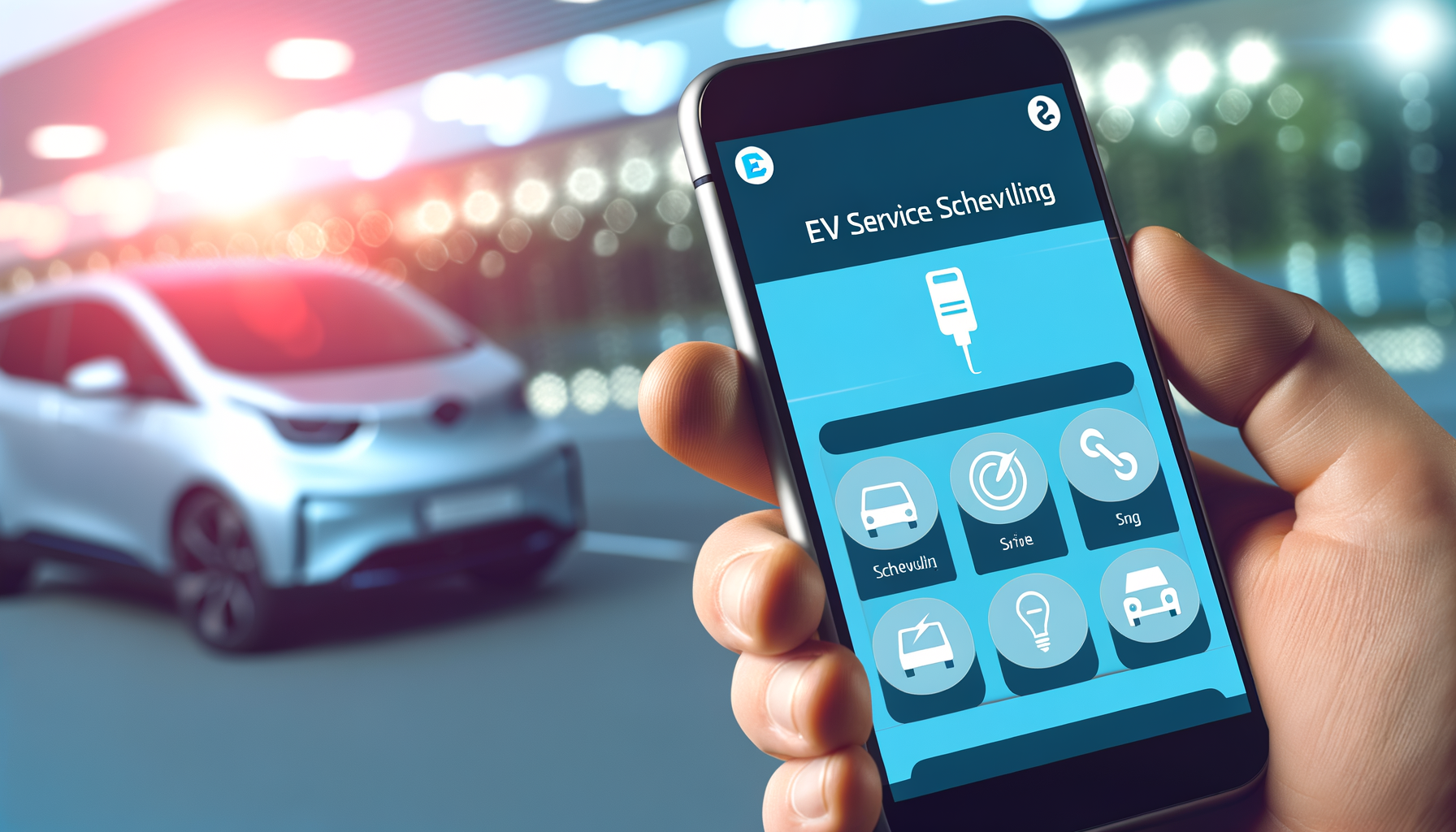
Enhancing customer experience in EV service departments involves leveraging digital tools that streamline interactions and simplify scheduling. Recent studies highlight that 68% of customers prefer digital channels for service scheduling, underlining the need for robust digital solutions. Implementation tips: - Integrate a user-friendly digital scheduling platform. - Offer mobile app solutions for appointment management. - Provide automated service reminders to enhance customer communication.
Top Digital Solutions for Customer Experience Enhancement: - User-friendly scheduling apps - Mobile-based service updates - Automated service reminders
Calculating ROI: Assessing the Financial Impact of EV Services

Evaluating the ROI of EV services involves assessing the financial benefits against the costs of training, equipment, and operational adjustments. Data-driven analytics can provide insights into cost management and revenue generation from EV services. Steps to calculate ROI: 1. Track all related expenses and revenue streams. 2. Use analytics tools to project future financial performance. 3. Adjust strategies based on performance data to optimize profitability.
| Expense Category | Annual Cost | Projected Revenue | |------------------|-------------|------------------| | Technician Training | $10,000 | $15,000 | | Equipment Investment | $25,000 | $40,000 | | Operational Adjustments | $5,000 | $8,000 |
Questions managers ask
What are the essential tools for an EV service department?
Essential tools include high-voltage safety equipment, advanced diagnostic scanners, and battery management systems, all critical for safe and efficient EV servicing.
How can dealerships improve EV service efficiency?
Dealerships can improve efficiency by utilizing digital scheduling systems, implementing just-in-time inventory management, and standardizing repair procedures.
What are the benefits of investing in EV technician training?
Investing in EV technician training enhances skill levels, increases service efficiency, and improves customer satisfaction, ultimately boosting profitability.
What to do with this
Adapting to the demands of EV service requires strategic investments in training, equipment, and digital solutions. By embracing these changes, dealerships can overcome current challenges and thrive in the evolving automotive landscape. Begin by conducting a comprehensive review of your current service operations to identify areas for improvement, and develop an action plan focused on training, tool investment, and digital integration. Auto Pro Solutions offers integrated software solutions that streamline service operations, enhance scheduling efficiency, and optimize resource allocation for EV services.
Related topics
More for service managers
Navigating EV Service: Overcoming Challenges for Sustainable Growth
Imagine your service department, bustling with the typical cadence of internal combustion engine (ICE) vehicles, suddenly confronted with the rapid influx of electric vehicles…
Conquering EV Service Challenges: The Ultimate Dealership Guide
Imagine walking into your service department and seeing a line of sleek electric vehicles (EVs) waiting for their turn in the bay. This scene isn't a distant future; it's…
Unplugged Perspectives: The Real Deal on EV Service Hurdles
The automotive world is shifting gears at a pace that leaves many dealerships in its wake, especially as electric vehicles (EVs) become more mainstream. You might be feeling…