
In an era where customer experience is pivotal to dealership success, the service department is at the forefront of delivering satisfaction and loyalty. As we navigate 2025, service managers and fixed ops directors face increasing pressures from profitability demands and technological advancements. This comprehensive guide provides actionable strategies to enhance customer experiences in dealership service departments, ensuring not only retention but also thriving customer loyalty.
Understanding the Modern Dealership Customer
Evolving Expectations and Preferences
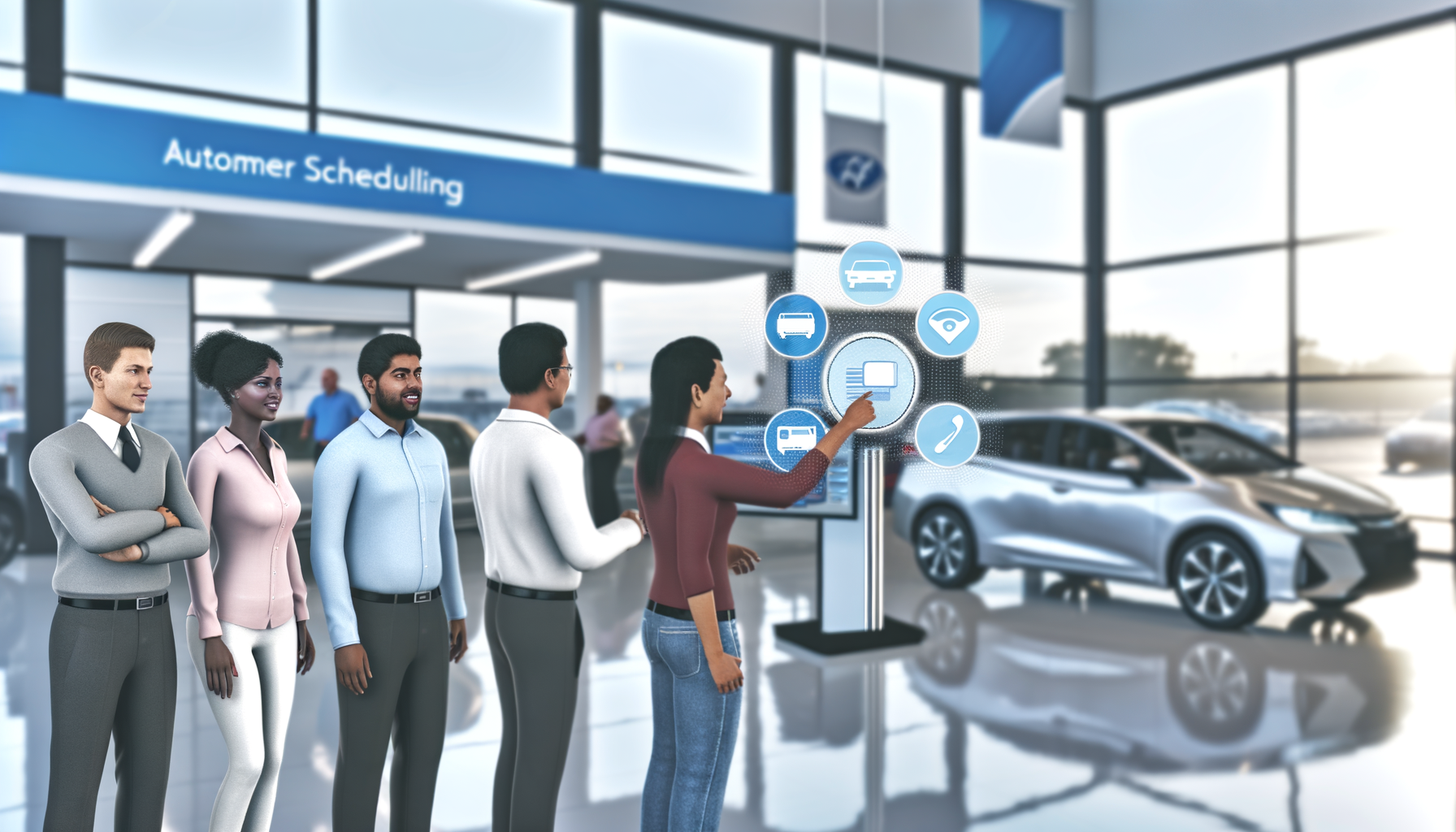
Today's dealership customers are more informed and have higher expectations for service convenience and transparency. With 68% preferring digital service scheduling, it's crucial to understand these evolving expectations to tailor experiences accordingly. Customers value transparency, proactive communication, and personalized services. Offering digital repair updates and customized service recommendations can significantly enhance satisfaction. Implementing customer personas can help service departments understand diverse needs, enabling personalized experiences from the first interaction.
1. Develop customer personas 2. Offer digital service scheduling 3. Provide transparent service updates
Leveraging Technology for Seamless Customer Interactions
Integrating Advanced Systems
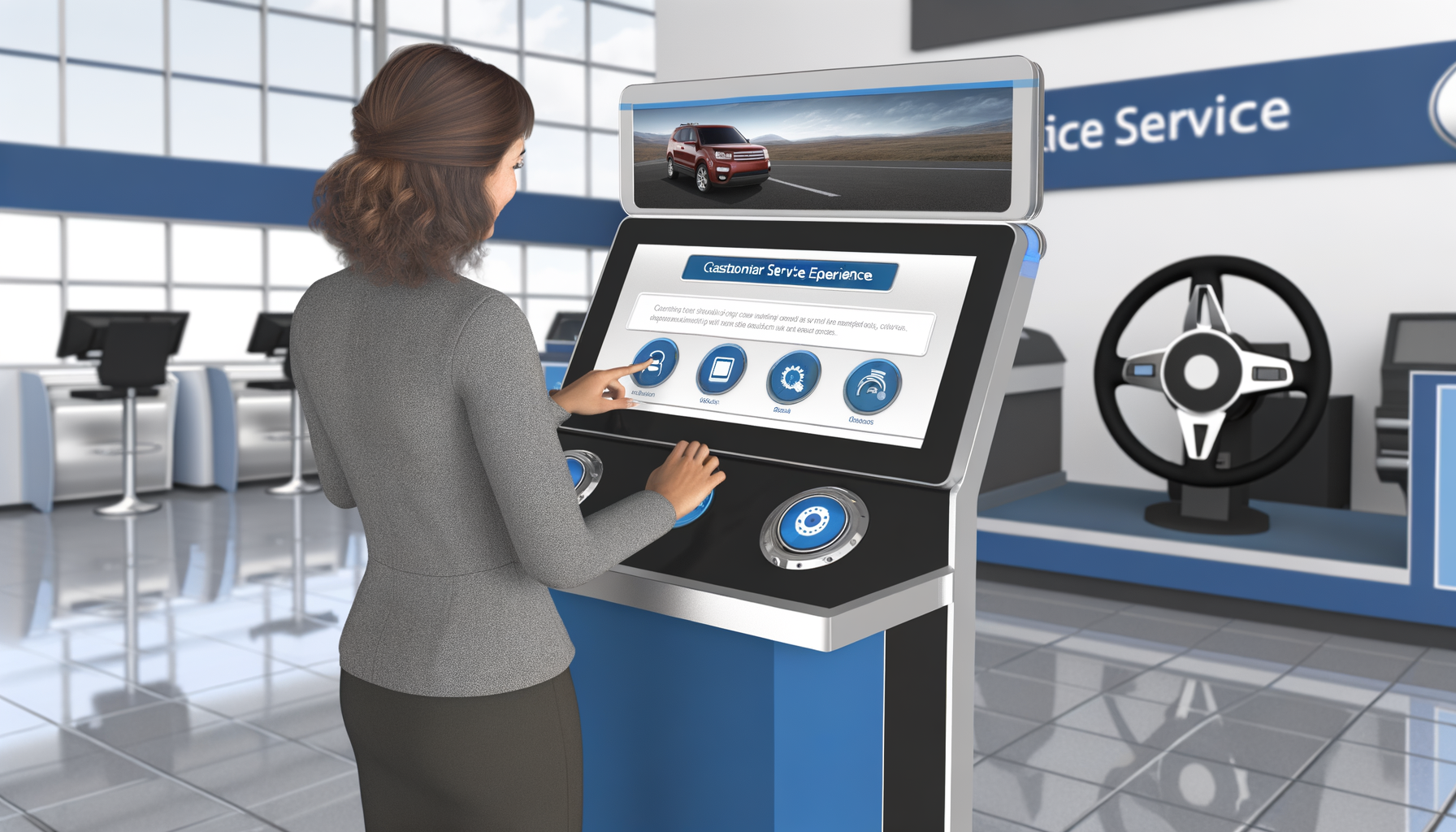
Technology plays a crucial role in elevating customer experience. From automated reminders to digital inspection reports, integrating advanced systems can streamline operations and improve satisfaction. Case Study: A dealership implementing a customer experience analytics platform saw a 20% increase in retention by personalizing communication and offers based on customer behavior. To implement, start with assessing current technology gaps, then prioritize systems that enhance customer interactions, such as CRM software and service kiosks.
| Technology | Benefit | |------------|---------| | CRM Software | Enhances personalized communication | | Service Kiosks | Reduces waiting times | | Digital Inspections | Provides transparency |
Empowering Staff to Deliver Exceptional Service
Training and Incentivizing Frontline Employees

Empowered employees are the cornerstone of exceptional customer service. Providing continuous training and clear career paths can reduce turnover and boost morale. Example: A dealership reduced staff turnover by 30% after implementing an incentive program that rewards employees for high customer satisfaction scores. To replicate, design training programs that focus on soft skills and customer service excellence, along with a metrics-driven reward system.
"Incentivizing and training staff not only improves service quality but also enhances employee satisfaction and retention." - John Smith, Fixed Ops Director
Implementing a Feedback-Driven Improvement Process
Harnessing Customer Insights for Continuous Improvement

Customer feedback is a goldmine for identifying improvement areas. Implementing systematic feedback collection and analysis can drive meaningful changes. A hypothetical dealership increased its Net Promoter Score by analyzing customer complaints and making targeted adjustments to their service processes. Steps to implement include setting up regular feedback loops, analyzing data for patterns, and involving staff in brainstorming solutions.
Tip: Use customer experience analytics to identify and prioritize areas with the highest impact on satisfaction.
Building a Customer-Centric Service Culture
Aligning Organizational Values with Customer Needs
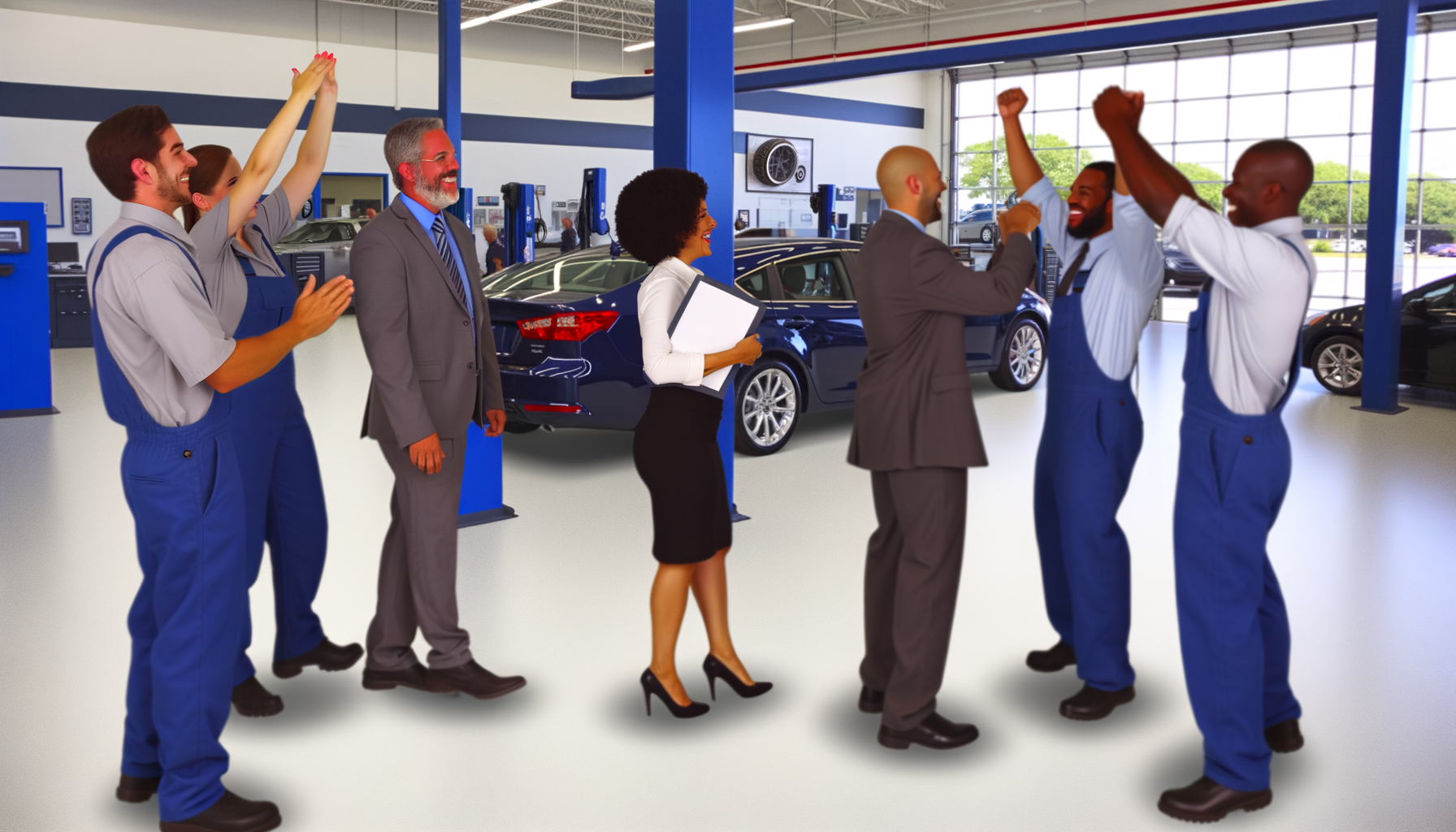
A customer-centric culture is essential for long-term success. This involves aligning organizational values with the goal of exceeding customer expectations. A dealership that aligned their service culture with customer needs reported a 25% increase in repeat visits and higher customer loyalty scores. To foster this culture, redefine your service vision, communicate it across all levels, and recognize employees who embody these values.
1. Redefine service vision 2. Communicate values 3. Recognize exemplary employees
Questions managers ask
What are key metrics for measuring customer experience in service departments?
Key metrics include Net Promoter Score (NPS), Customer Satisfaction Score (CSAT), and First Contact Resolution. Tracking these can provide insights into satisfaction and areas for improvement.
How can technology improve customer satisfaction in dealership service departments?
Technology such as CRM systems, service kiosks, and digital inspections can streamline processes, enhance transparency, and personalize customer interactions, leading to higher satisfaction.
What to do with this
In 2025, automotive dealerships must prioritize customer experience as a strategic advantage. By understanding customer expectations, leveraging technology, empowering staff, and fostering a customer-centric culture, service departments can significantly boost satisfaction and loyalty. Evaluate current customer experience strategies, identify key areas for improvement, and implement changes using the actionable steps provided in this guide. Auto Pro Solutions offers innovative CRM and analytics tools that can help service departments streamline customer interactions and enhance satisfaction.
Related topics
More for service managers
Mastering Customer Experience: The Definitive 2025 Guide for Dealership Service Departments
In an industry facing rapid technological advancements and shifting consumer expectations, automotive service departments must prioritize customer experience to ensure…
Revving the Raves: Crafting Unforgettable Auto Service Experiences
In the competitive landscape of 2025's automotive industry, enhancing customer experience in service departments is not just a priority—it's a necessity. With evolving…
Beyond Diagnostics: Building Lasting Relationships in Automotive Service
In the evolving landscape of automotive service departments, customer experience has emerged as a pivotal factor in driving loyalty and maximizing profitability. With the…