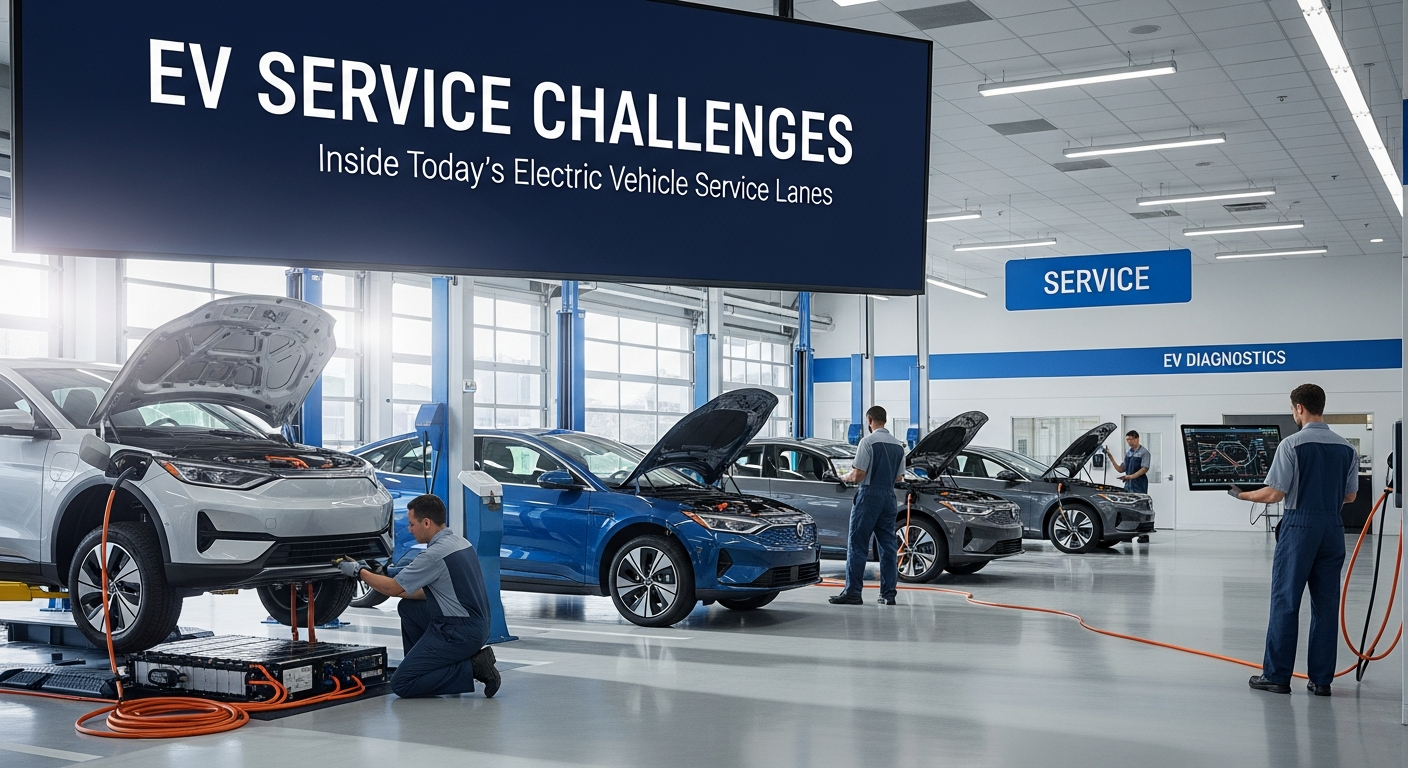
Imagine a bustling dealership service lane lined with the latest electric vehicles, each requiring specialized attention. Yet, rather than a seamless operation, service managers are confronted with a new set of challenges that traditional internal combustion engine (ICE) vehicles never posed. Electric vehicles (EVs) are rapidly gaining ground, and with them comes a unique set of service demands. For dealerships, this shift is more than just a trend; it’s a transformation that impacts every aspect of service operations—from technician training to parts availability and beyond. The business impact is significant—satisfaction surveys reveal that mass-market BEV service satisfaction lags behind ICE vehicles by an average of 51 points. This is not just about the vehicles themselves, but about the readiness of service departments to meet these new demands. As a service manager or fixed ops director, you might be grappling with the intricacies of high-voltage safety, the complexities of battery state of health diagnostics, or even the financial implications of installing DC fast chargers. The landscape is shifting, and to remain competitive, adapting to these changes is crucial. This post will guide you through understanding these challenges, leveraging current industry insights, and implementing effective solutions that promise to transform your service department into a profit center for EVs. We’ll explore practical frameworks and strategies that not only address immediate concerns but also future-proof your operations against the evolving automotive landscape. By the end of this guide, you’ll not only comprehend the nature of EV service challenges but also possess the actionable insights needed to overcome them and capitalize on the opportunities they present.
Understanding the Challenge
Why Traditional Approaches Fall Short
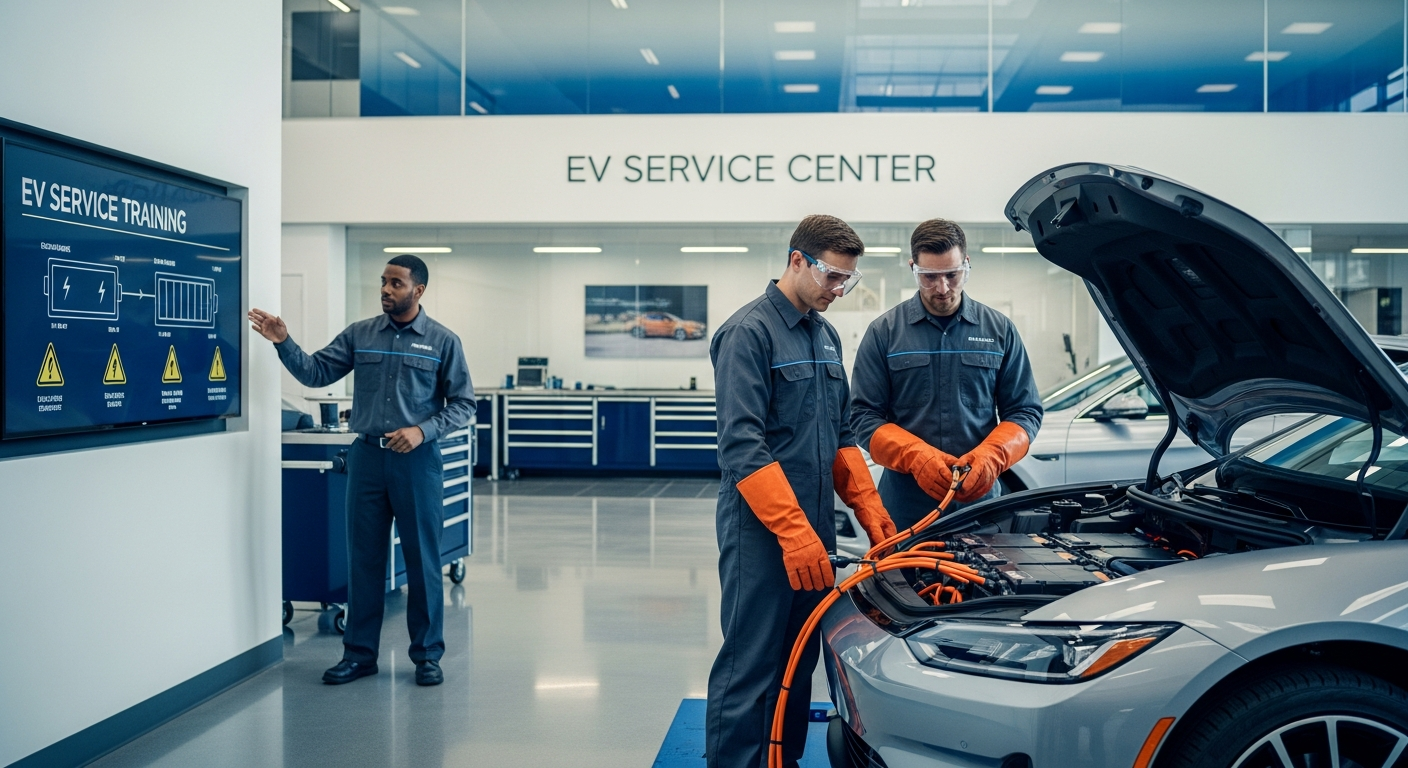
The rapid shift to electric vehicles has exposed several gaps in dealership service departments. Traditional ICE service models simply don't translate well to the needs of EVs, which require different skill sets, tools, and processes. One major challenge is the technician readiness gap. Most technicians are experienced with ICE vehicles but lack the specialized training required for high-voltage systems and EV-specific diagnostics. Another issue is the profitability mix shift. EVs have fewer moving parts, which translates to less frequent visits for maintenance. However, they do require specialized services like tire alignment and software updates. The shortage of parts is further complicating matters. A significant number of EV repairs aren't completed on the first visit due to parts unavailability, impacting customer satisfaction and dealership profitability. Finally, there's the challenge of high-voltage safety. Ensuring compliance with standards such as NFPA 70E is crucial, yet many service departments are still in the process of adapting to these requirements.
Questions managers ask
What are the key differences in service requirements between EVs and ICE vehicles?
EVs typically require less frequent maintenance but have unique demands such as high-voltage safety, software updates, and specific diagnostic tools. In contrast, ICE vehicles often require regular oil changes and more frequent mechanical checks.
What to do with this
Successfully navigating the transition to electric vehicle service is not just about addressing immediate challenges. It's about envisioning a future where your dealership is a leader in EV service excellence. By understanding the unique demands of EVs and implementing strategic solutions, you can transform service challenges into opportunities for growth. Begin by assessing your current EV readiness, invest in targeted technician training, and explore strategic partnerships for parts and charging infrastructure. Monitor your progress with relevant KPIs and remain adaptable to evolving trends. Auto Pro Solutions has helped hundreds of dealerships transform their service departments into EV-friendly profit centers. Explore how our solutions can elevate your operations today.
Related topics
More for service managers
Navigating EV Service: Overcoming Challenges for Sustainable Growth
Imagine your service department, bustling with the typical cadence of internal combustion engine (ICE) vehicles, suddenly confronted with the rapid influx of electric vehicles…
Conquering EV Service Challenges: The Ultimate Dealership Guide
Imagine walking into your service department and seeing a line of sleek electric vehicles (EVs) waiting for their turn in the bay. This scene isn't a distant future; it's…
Unplugged Perspectives: The Real Deal on EV Service Hurdles
The automotive world is shifting gears at a pace that leaves many dealerships in its wake, especially as electric vehicles (EVs) become more mainstream. You might be feeling…