Efficiency Accelerated: The Science of Streamlining Service Bays
Understanding the Challenge
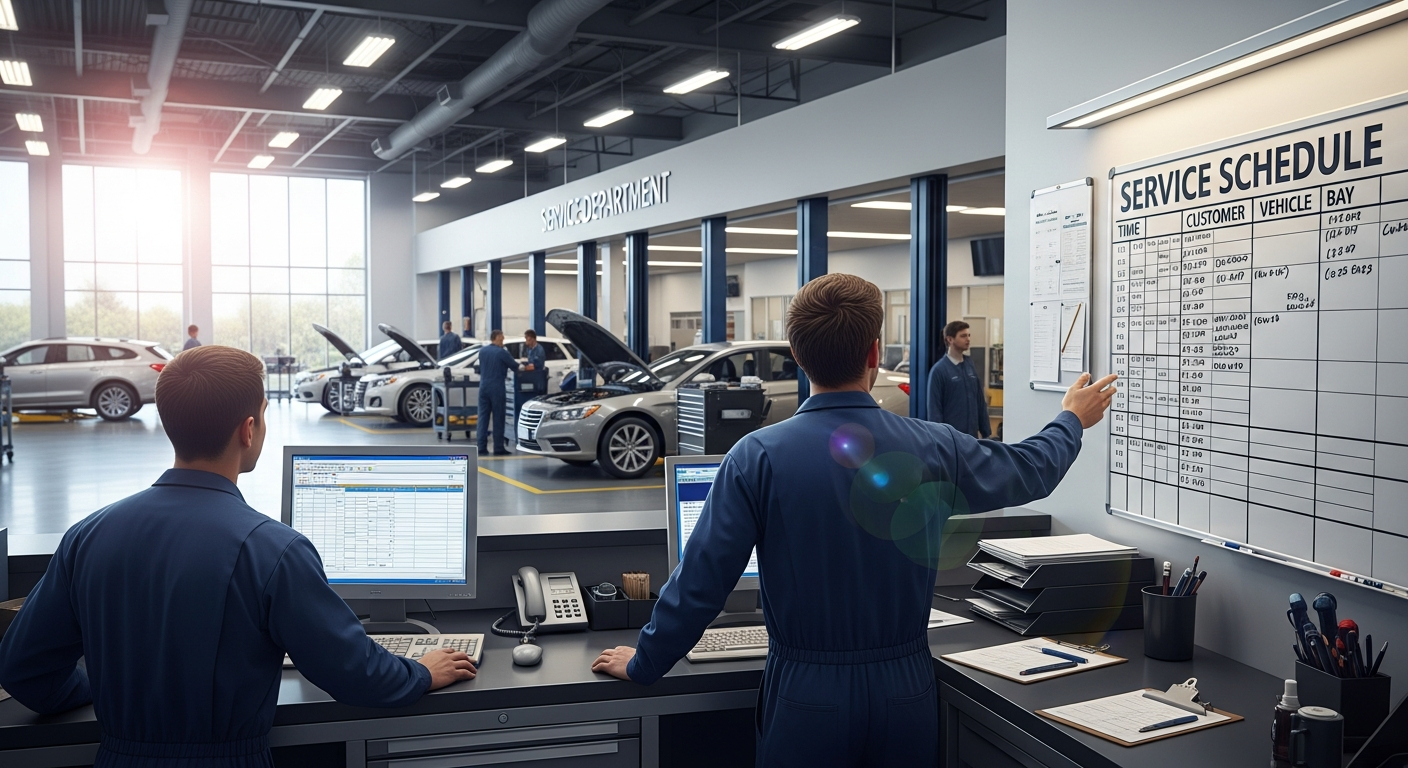
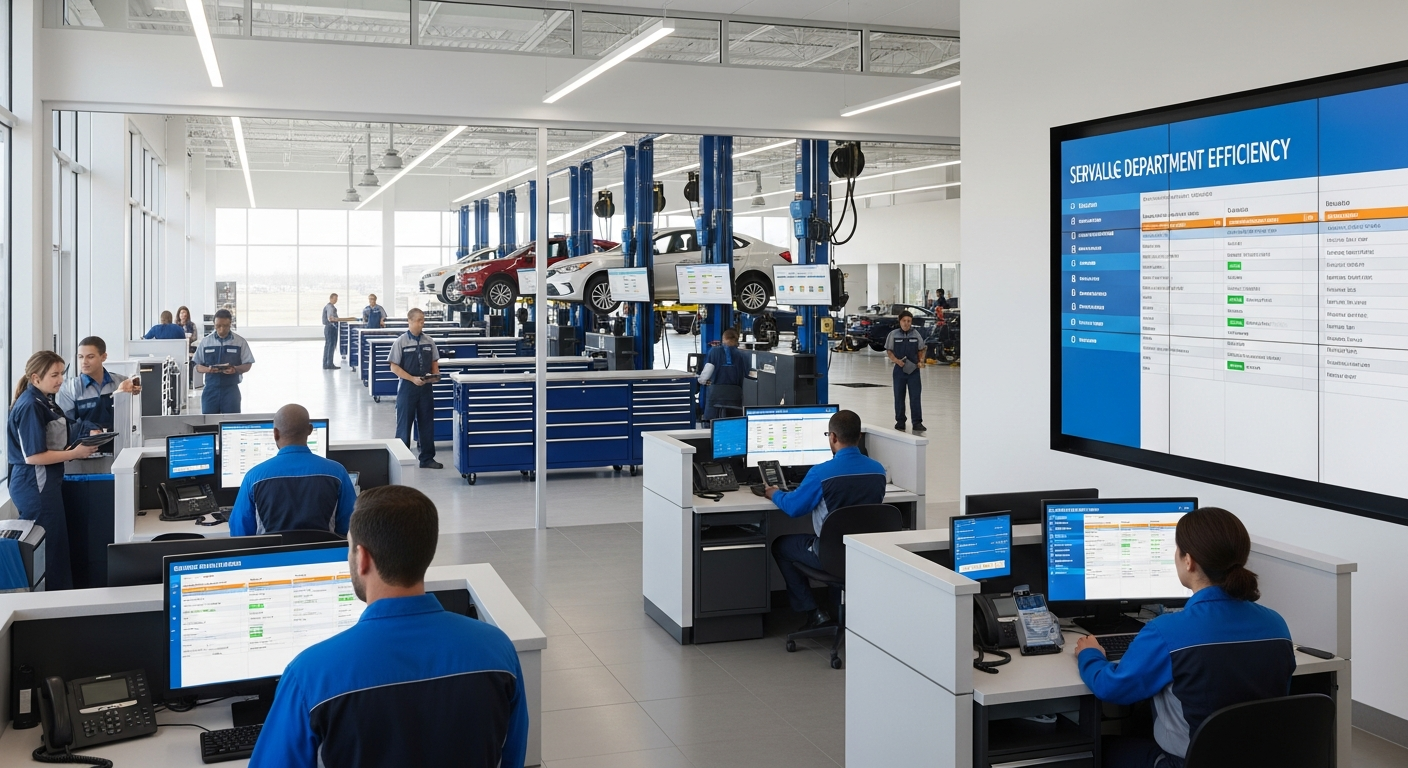
Service departments often face a multitude of inefficiencies that can lead to extended wait times for customers, technician frustration, and missed revenue opportunities. These inefficiencies are primarily rooted in outdated scheduling systems, poor communication, and lack of integration between different service functions.
For example, a common scenario is when a customer calls to book a service appointment, only to find out that the next available slot is days away. This delay not only frustrates the customer but also results in lost business as some may seek immediate service elsewhere.
Additionally, technician frustration is a significant issue. With a projected demand for over 470,000 automotive tech roles from 2024 to 2028, retaining skilled technicians is crucial. However, inefficient workflows and inadequate support often lead to burnout and high turnover rates.
Furthermore, the not-fixed-right-first-time rate of 12% indicates a gap in quality service delivery, contributing to decreased customer satisfaction and loyalty. Addressing these challenges requires a robust understanding of the underlying issues and a strategic approach to implementing solutions.
Current Industry Landscape

The automotive service industry is undergoing significant changes driven by technological advancements and shifting consumer expectations. According to NADA Data 2024, the service and parts sector generated substantial revenue, yet repair order volumes fell slightly, indicating a need for more efficient operations.
Moreover, the rise of electric vehicles (EVs) presents new challenges. J.D. Power's 2025 CSI study highlights that service satisfaction for BEVs trails behind internal combustion engine vehicles by 51-57 points, underscoring the need for specialized training and updated service processes.
Additionally, the integration of AI and automation in service operations is becoming increasingly prevalent. Platforms like Tekion's Automotive Retail Cloud and Cox Automotive's Xtime offer advanced scheduling and retention analytics, providing dealerships with tools to enhance efficiency and customer satisfaction.
These trends indicate a clear direction for service departments: embrace technology, optimize workflows, and focus on delivering exceptional customer experiences. Dealerships that adapt to these changes will be well-positioned to thrive in the evolving market landscape.
The Solution Framework
To tackle the inefficiencies plaguing service departments, implementing a technology-driven solution framework is essential. Auto Pro Solutions offers a suite of tools designed to streamline operations and improve service delivery.
Intelligent scheduling systems, such as AI service scheduling, allow for optimized appointment booking, reducing customer wait times and improving technician utilization. By analyzing historical data and demand patterns, these systems can predict peak times and adjust schedules accordingly.
Video MPIs (Multi-Point Inspections) offer another layer of efficiency by providing customers with transparent insights into vehicle conditions. This not only builds trust but also speeds up the approval process for necessary repairs.
Automated status texting keeps customers informed throughout their service journey, enhancing communication and reducing the burden on service advisors. These solutions, when integrated effectively, create a seamless service experience that boosts both customer satisfaction and department profitability.
Implementation Guide
Implementing these technologies requires a strategic approach to ensure successful adoption and integration. Start by assessing your current service processes and identifying areas where technology can have the most significant impact.
Train your staff on new systems, emphasizing the benefits they bring to their daily tasks. Change management is crucial, and ensuring that everyone is on board with the new processes will facilitate a smoother transition.
Focus on aligning pay plans and incentives with the new technologies to motivate staff. For instance, incentivizing technicians to use video MPIs effectively can lead to quicker repair approvals and higher customer satisfaction.
Finally, establish clear metrics to measure the success of these implementations. Regularly review KPIs such as appointment lead times, first-time fix rates, and customer satisfaction scores to track progress and make data-driven adjustments as needed.
Measuring Success
Tracking the right key performance indicators (KPIs) is essential to gauge the success of your service department's efficiency initiatives. Key metrics to focus on include hours per repair order (HPRO), effective labor rate (ELR), and fixed absorption, which measures how well parts and service gross cover fixed overhead costs.
Monitoring first-time fix rates is crucial as well, as it directly impacts customer satisfaction and retention. Aiming for a high first-time fix rate will reduce comebacks, save time, and increase customer trust.
Appointment lead time is another critical KPI. By optimizing scheduling and workflow, you can reduce the days-to-next-available appointment, providing quicker service to customers and improving overall satisfaction.
Ultimately, these metrics should be reviewed in the context of your specific dealership goals. Regular analysis and adjustments based on KPI performance will ensure that your service department continues to operate at peak efficiency.
Advanced Strategies
Once the foundational strategies are in place, it's time to explore advanced techniques to further enhance service department efficiency. One way to achieve this is by implementing capacity-based scheduling, which ensures that appointments are booked based on available resources, maximizing utilization without overloading technicians.
Additionally, consider offering after-hours service options, such as mobile service or valet pickup and delivery, to accommodate customers' busy schedules. These options can help flatten demand peaks and reduce appointment lead times.
Another strategy is to enhance parts-service synchronization. Ensuring that parts are pre-picked and ready when the vehicle arrives can significantly reduce cycle time and improve first-time fix rates.
Finally, investing in ongoing staff training and development will keep your team updated on the latest tools and technologies. Regular training sessions will ensure that your staff remains agile and ready to adapt to any future changes in the industry.
Related Topics
Ready to take your service department to the next level?
Schedule your demo today and experience the power of Auto Pro Solutions.
Schedule Demo