Driving Smiles: How Auto Shops Are Winning Hearts and Wheels
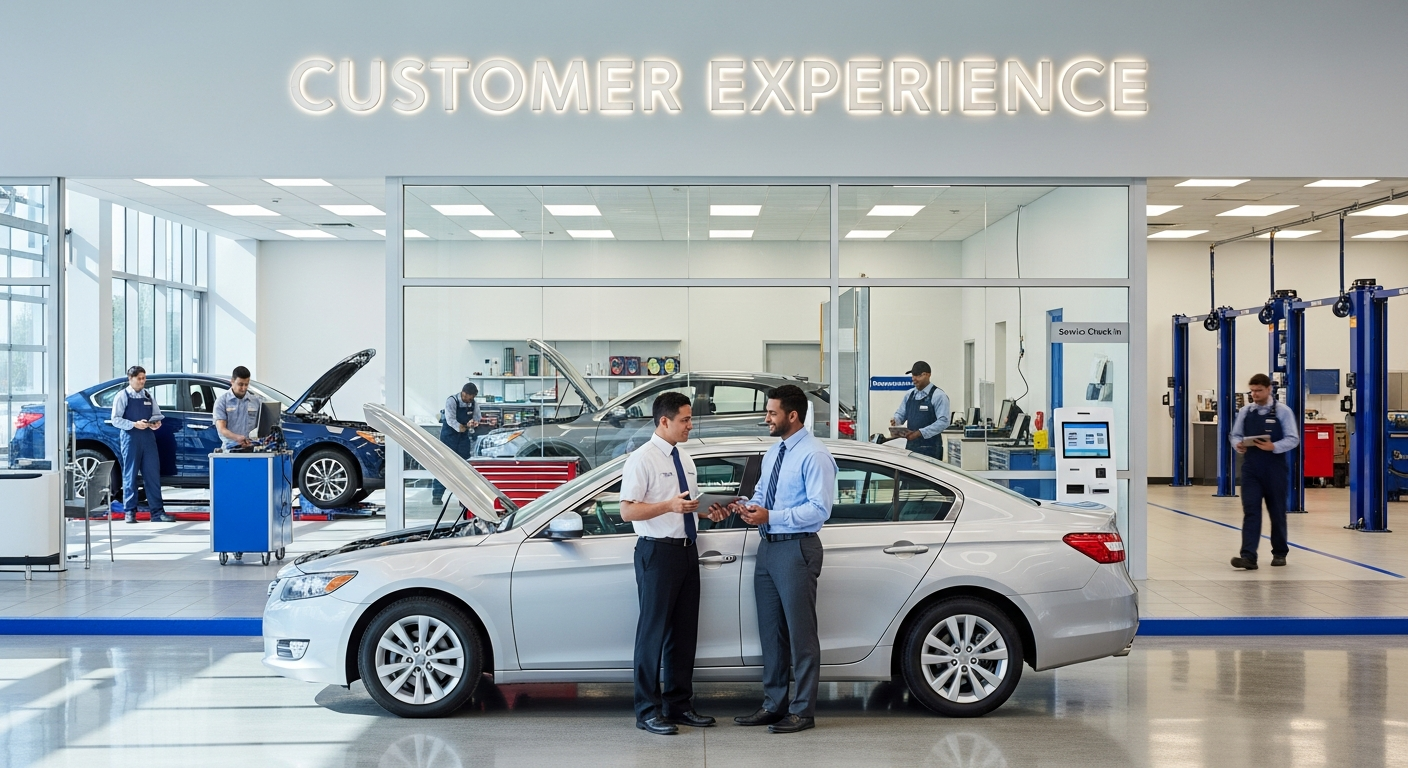
Understanding the Challenge: Service Department Struggles
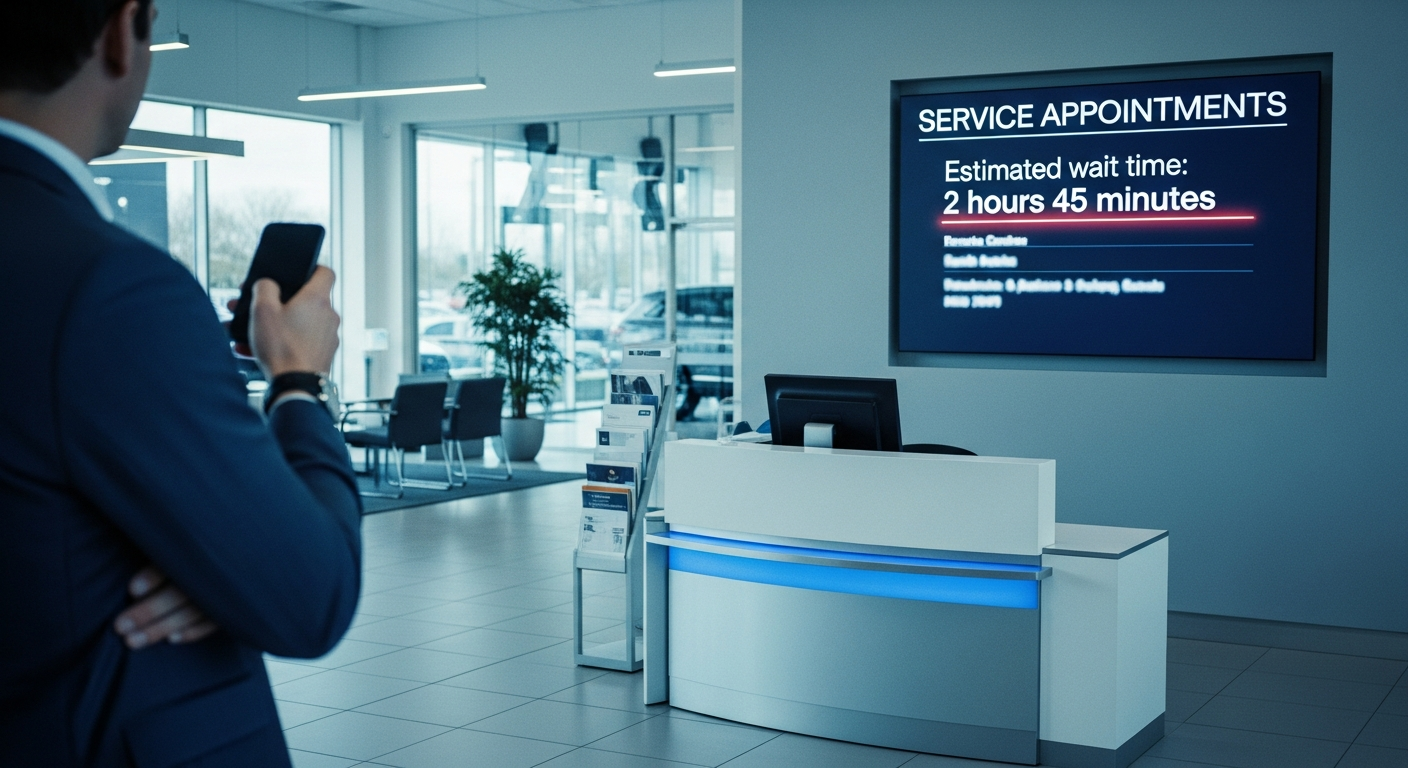
Service departments are at a critical juncture. With customer expectations on the rise, many dealerships find themselves struggling to meet demands. The average wait time for appointments is over five days, a figure that is driving customers to independent repair shops. This situation is compounded by technician shortages and inefficiencies in parts availability, which directly affect the first-time fix rate.
Consider the story of a Midwest dealership that saw a 15% drop in repeat business over two years. The culprit? Slow appointment scheduling and communication breakdowns. Customers reported feeling undervalued, leading to a loss of trust and loyalty. This example illustrates a broader industry trend: a disconnect between customer expectations and service delivery.
The need for a seamless customer experience is more pressing than ever. High wait times and low first-time fix rates are symptoms of deeper systemic issues. Whether it's outdated scheduling systems or a lack of technician training, these problems require targeted solutions that address both immediate and long-term needs.
Current Industry Landscape: Trends and Insights

The automotive service landscape is rapidly evolving, with new technologies and customer expectations reshaping how dealerships operate. In 2024, U.S. franchised dealers generated $156 billion in service and parts revenue, yet they are losing ground to independent shops. This shift is partly due to the convenience and flexibility independents offer, traits that customers now expect from all service providers.
The rise of digital tools such as video multi-point inspections (MPI) and digital payments is transforming how customers engage with service departments. These technologies not only streamline the service process but also enhance transparency and customer trust.
Dealerships must also contend with the growing prevalence of electric vehicles (EVs). As EV adoption increases, so too does the need for specialized technician training and tools. Proficiency in EV service can be a significant differentiator for dealerships aiming to capture this burgeoning market.
The Solution Framework: Building a Better Customer Experience
Creating a superior customer experience starts with understanding and addressing the unique needs of your clientele. Leveraging technology, such as AI-driven service calls and online scheduling systems, can significantly enhance customer interactions.
Consider implementing a centralized service BDC (Business Development Center) to manage appointments and communications. This can reduce missed-call leakage and improve conversion rates from phone inquiries to booked appointments.
Furthermore, integrating video MPI and text-to-pay options can streamline workflows, reduce approval times, and enhance customer satisfaction. These tools provide transparency and convenience, key factors in building long-term trust.
Implementation Guide: Bringing Strategies to Life
Successfully implementing these strategies requires careful planning and execution. Start by conducting a thorough assessment of your current processes and identifying areas for improvement. This could involve mapping out customer journeys to pinpoint friction points and opportunities for digital integration.
Training your staff is crucial. Employees need to be comfortable with new technologies and processes to ensure they can deliver the best possible customer service. Consider partner certifications for EV technology and ongoing tech training to boost competencies.
Pilot programs can be an effective way to test new systems and gather feedback before full-scale implementation. This approach allows adjustments to be made based on real-world data, ensuring a smoother transition.
Measuring Success: Key Performance Indicators
To ensure these strategies are effective, it's vital to measure progress using key performance indicators (KPIs). Start by tracking your average days-to-appointment and first-time fix rates. These metrics are critical in evaluating the efficiency and effectiveness of your service operations.
Additionally, customer satisfaction scores and retention rates provide insight into how well your service department is meeting customer expectations. Regularly review these metrics to identify trends and areas for further improvement.
Consider using a dashboard or reporting tool to centralize data and provide real-time insights. This enables proactive management and timely responses to emerging issues.
Advanced Strategies: Optimize and Scale Your Approach
Once foundational strategies are in place, advanced tactics can further enhance customer experience. Explore options such as mobile service units that bring convenience directly to the customer’s doorstep, or pickup and delivery services that save time.
Implementing demand-shaping tactics like offering incentives for off-peak appointments can also help balance workload and reduce wait times. Job bucketing and express lanes can further streamline service operations and improve throughput.
Finally, consider leveraging multi-store dealer networks to balance capacity and share resources. This can be particularly beneficial during peak times or when specific expertise is required, enhancing both service efficiency and customer satisfaction.
Related Topics
Ready to take your service department to the next level?
Schedule your demo today and experience the power of Auto Pro Solutions.
Schedule Demo