The Ultimate Guide to Digital Transformation in Dealership Service Departments
Understanding the Challenge
In a world where customer expectations are sky-high and competition is fierce, service departments face unprecedented challenges. The pressure to enhance operational efficiency while boosting customer satisfaction is like walking a tightrope—one misstep can lead to significant losses.
Dealerships have historically grappled with issues such as technician shortages, inefficiency in workflow management, and a lack of seamless integration between various service processes. The data is telling: a recent survey indicates that dealerships are losing up to 26% of service-related calls, which translates to missed opportunities and potential revenue.
Furthermore, the trust factor is waning. According to Cox Automotive, trust as a reason for customers to return to their selling dealer has plummeted from 62% to 54%. This erosion of loyalty, particularly among owners of newer vehicles, indicates an urgent need for transformation.
The crux of the problem lies in the outdated systems and processes that many dealerships still rely on. These legacy systems are not equipped to handle the demands of modern service operations, leading to inefficiencies and customer dissatisfaction.
To turn the tide, dealerships must embrace a comprehensive digital strategy that not only addresses these immediate challenges but also positions them for future success.
Current Industry Landscape
The automotive industry is at a pivotal crossroads. As vehicles become more technologically advanced, so too must the service departments that support them. Yet, despite technological advancements, many dealerships find themselves struggling to keep pace.
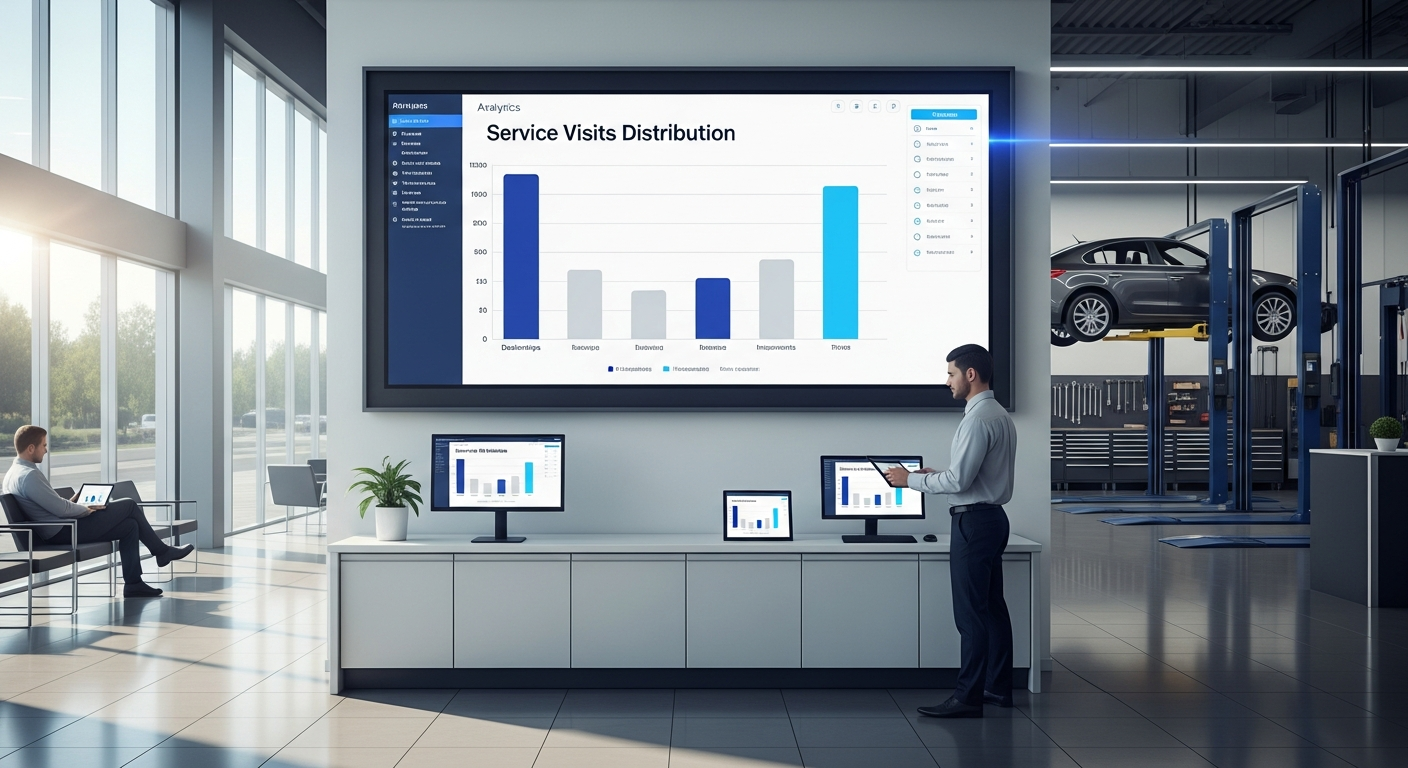
Recent studies reveal that dealership service lanes now account for only 30% of all U.S. service visits, a decline from 35% just a few years ago. This shift is largely driven by the rise of independent service providers who are quick to adopt innovative technologies and offer competitive pricing.
Moreover, the average age of U.S. light vehicles has risen to 12.8 years, increasing the demand for aftermarket repairs. Dealerships must capitalize on this trend by offering compelling service packages and leveraging technology to enhance the customer experience.
One of the most significant barriers to digital transformation is the complexity of system integrations. Dealerships often operate with a patchwork of systems that don't communicate effectively, resulting in data silos and inefficiencies.
To remain competitive, dealerships need to fundamentally rethink their approach to technology and embrace a culture of continuous innovation.
Related Topics
Ready to take your service department to the next level?
Schedule your demo today and experience the power of Auto Pro Solutions.
Schedule Demo