Digital Diagnostics: Navigating the Data Highway for Peak Service Precision
Understanding the Challenge
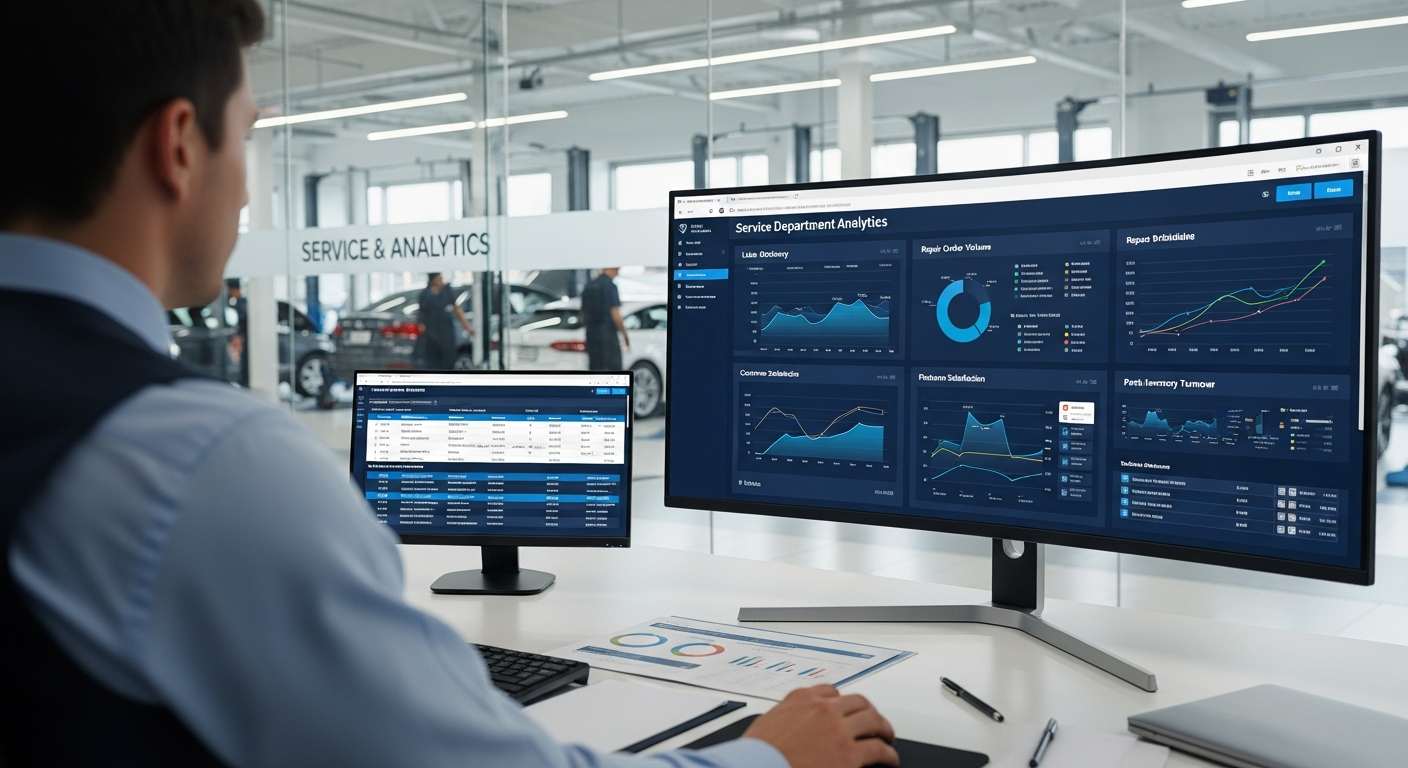
In the fast-paced world of dealership service departments, the ability to adapt quickly to market changes and customer demands is paramount. Yet, many service managers find themselves overwhelmed by the sheer volume of data at their disposal. Metrics like hours per RO (HPRO), effective labor rate (ELR), and profit per RO are vital benchmarks, but without a clear strategy to interpret and apply these figures, they remain just that—numbers on a page.
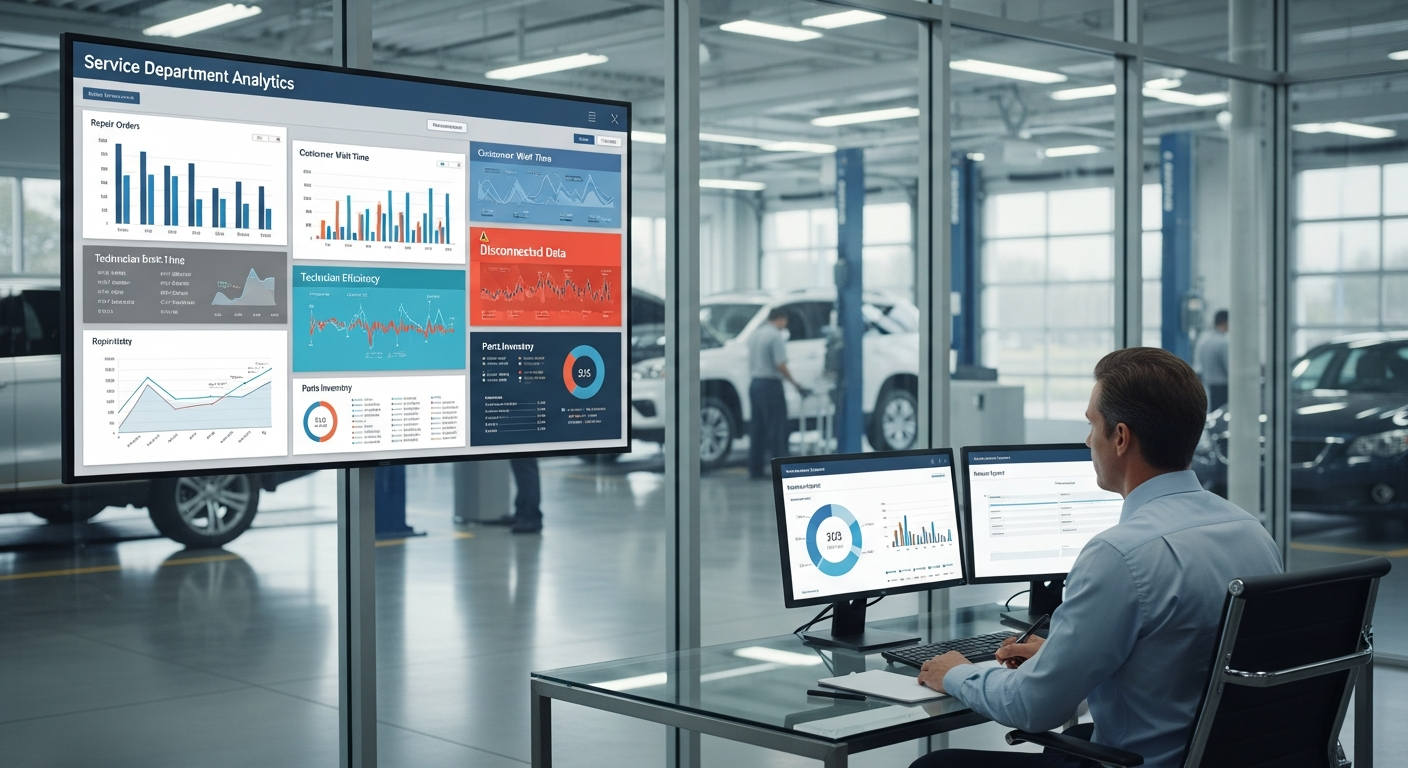
One of the significant hurdles is the disconnect between data collection and actionable insights. Many dealerships gather vast amounts of information across various platforms—DMS, CRM, and service apps—yet struggle to consolidate this data into a cohesive analytics layer. As a result, service managers are left piecing together disparate data sets, often leading to incomplete or misleading conclusions.
The consequences of this data fragmentation are far-reaching. Appointment lead times remain excessive, bay capacity is underutilized, and technician productivity is not optimized. Furthermore, without a unified approach, dealerships risk vendor lock-in and incur hefty data extraction fees, which further strain their resources.
To combat these challenges, it's crucial to establish a robust framework for data integration and analysis. This involves not only choosing the right tools and technologies but also fostering a culture of data-driven decision-making across all levels of the service department. By doing so, dealerships can unlock the true potential of their data and drive meaningful improvements in efficiency, profitability, and customer satisfaction.
Current Industry Landscape
The automotive service industry is undergoing a transformative period, shaped by rapid technological advancements and shifting consumer expectations. According to recent market data, U.S. franchised dealers processed over 270 million repair orders in 2024, generating $156 billion in service and parts revenue. However, by mid-2025, this number had declined to 137 million ROs, indicating a significant drop in service visits.
Several factors contribute to this decline. A study by Cox Automotive reveals that dealerships have lost 12% of service visits since 2018, with only 54% of owners with 0–2-year-old vehicles returning to the selling dealer for service in 2025. This erosion in service retention is compounded by longer appointment wait times and first-time-fix issues, which continue to plague the industry.
Moreover, the rise of electric vehicles (EVs) presents new challenges. Service satisfaction among BEV owners lags considerably behind that of ICE vehicle owners, with a 51–57 point gap in satisfaction scores. As EV adoption grows, dealerships must adapt their service operations to meet the unique needs of these vehicles.
To thrive in this evolving landscape, dealerships must leverage analytics to gain a competitive edge. By understanding market trends and customer behavior, service managers can make informed decisions that enhance service offerings, optimize resource allocation, and ultimately drive customer loyalty and revenue growth.
The Solution Framework
To address the challenges faced by service departments, a comprehensive analytics strategy is essential. This strategy should focus on transforming raw data into actionable insights that drive operational improvements and customer satisfaction.
The first step is to establish a single analytics layer that integrates data from all relevant sources—DMS, CRM, scheduling tools, and more. By utilizing open APIs, dealerships can avoid vendor lock-in and ensure seamless data flow across platforms. This integration enables service managers to access a holistic view of operations, facilitating informed decision-making.
In addition to integration, the adoption of advanced analytics tools is crucial. Technologies such as voice AI for scheduling, video MPIs, and predictive parts stocking can significantly enhance service efficiency. For example, AI-driven scheduling can reduce appointment lead times by optimizing bay capacity and staffing forecasts, while video MPIs improve communication and transparency with customers.
Ultimately, the goal is to empower service managers with the insights needed to make proactive decisions that improve key performance indicators such as HPRO, ELR, and service retention. By leveraging analytics, dealerships can optimize their service processes, enhance customer experiences, and drive sustained profitability.
Implementation Guide
Implementing a successful analytics strategy requires careful planning and execution. The journey begins with a thorough assessment of existing data sources and tools. Service managers should identify any gaps in data integration and work towards creating a unified analytics ecosystem.
Next, it's essential to select the right technology partners. Solutions like Tekion ARC, CDK Global DMS, and Xtime provide robust analytics capabilities that can be tailored to meet specific dealership needs. These platforms offer features such as video-enabled service communications, predictive stocking, and voice AI scheduling, all of which contribute to improved operational efficiency.
Once the right tools are in place, training and development become critical. Staff should be educated on how to effectively utilize analytics insights to enhance their daily operations. This includes understanding key metrics, interpreting data trends, and implementing data-driven decision-making processes.
Finally, continuous monitoring and optimization are necessary to ensure sustained success. Regularly reviewing key performance indicators and adjusting strategies based on new insights will enable service managers to stay ahead of industry trends and maintain a competitive edge.
Measuring Success
To gauge the effectiveness of an analytics strategy, service departments must focus on key performance indicators (KPIs) that reflect operational and customer success. These KPIs include hours per RO (HPRO), effective labor rate (ELR), and service retention rates.
Tracking HPRO, for instance, provides insights into technician productivity and efficiency, enabling managers to identify areas for improvement. Similarly, monitoring ELR helps assess the profitability of service operations by evaluating labor revenue against hours worked.
Service retention is another critical metric, as it directly impacts a dealership's long-term revenue potential. By analyzing customer behavior and engagement patterns, service managers can implement strategies to enhance loyalty and increase repeat business.
An effective analytics strategy should also include customer satisfaction measures, such as first-time fix rates and appointment lead times. These metrics help ensure that service processes align with customer expectations, leading to improved satisfaction and retention.
Advanced Strategies
Once a robust analytics framework is in place, service departments can explore advanced strategies to further optimize their operations. One such strategy involves dynamic overbooking and bay capacity modeling. By applying queueing-theory principles, service managers can minimize appointment lead times and no-shows, ensuring optimal resource utilization.
Predictive parts stocking is another powerful tool for enhancing efficiency. By forecasting demand for specific parts, dealerships can reduce carryovers and idle time, improving cycle times and technician productivity.
The integration of artificial intelligence also offers significant potential. Voice AI for scheduling and customer interactions can streamline communication processes, while video MPIs enhance transparency and trust with customers, leading to higher acceptance rates and profitability.
Finally, multi-store analytics provide valuable insights for dealerships with multiple locations. By normalizing data across rooftops, service managers can identify performance disparities, set consistent goals, and implement best practices across all operations.
Related Topics
Ready to take your service department to the next level?
Schedule your demo today and experience the power of Auto Pro Solutions.
Schedule Demo