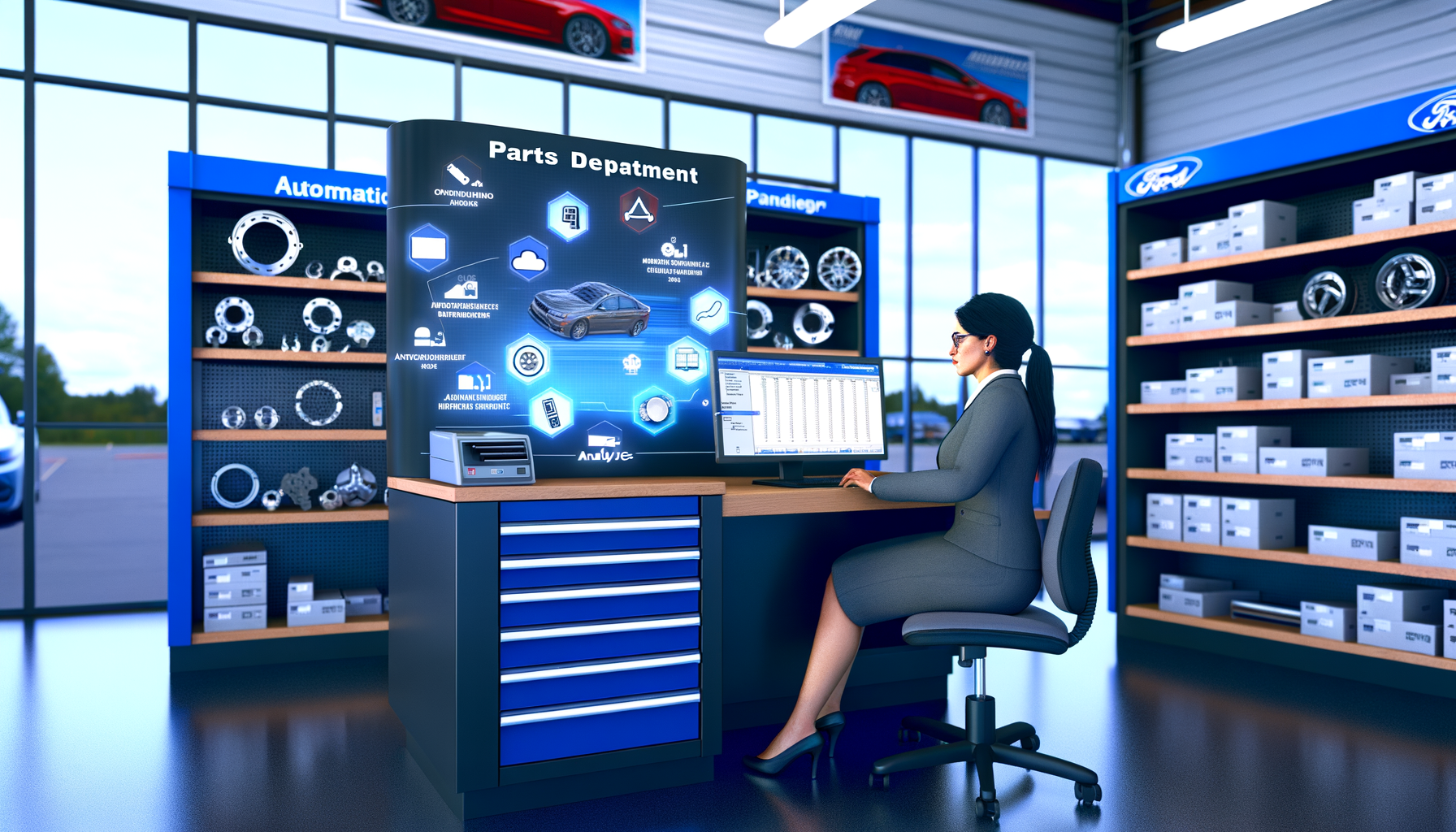
In the rapidly evolving automotive industry, optimizing your parts department is critical to maintaining profitability and customer satisfaction. As service departments face increasing pressure from profitability constraints, staff turnover, and tech demands, focusing on efficient parts management can provide a significant competitive edge. This comprehensive guide will equip you with actionable strategies to transform your parts department into a powerhouse of efficiency and revenue generation.
Understanding the Importance of Parts Department Optimization
Why Optimization Matters
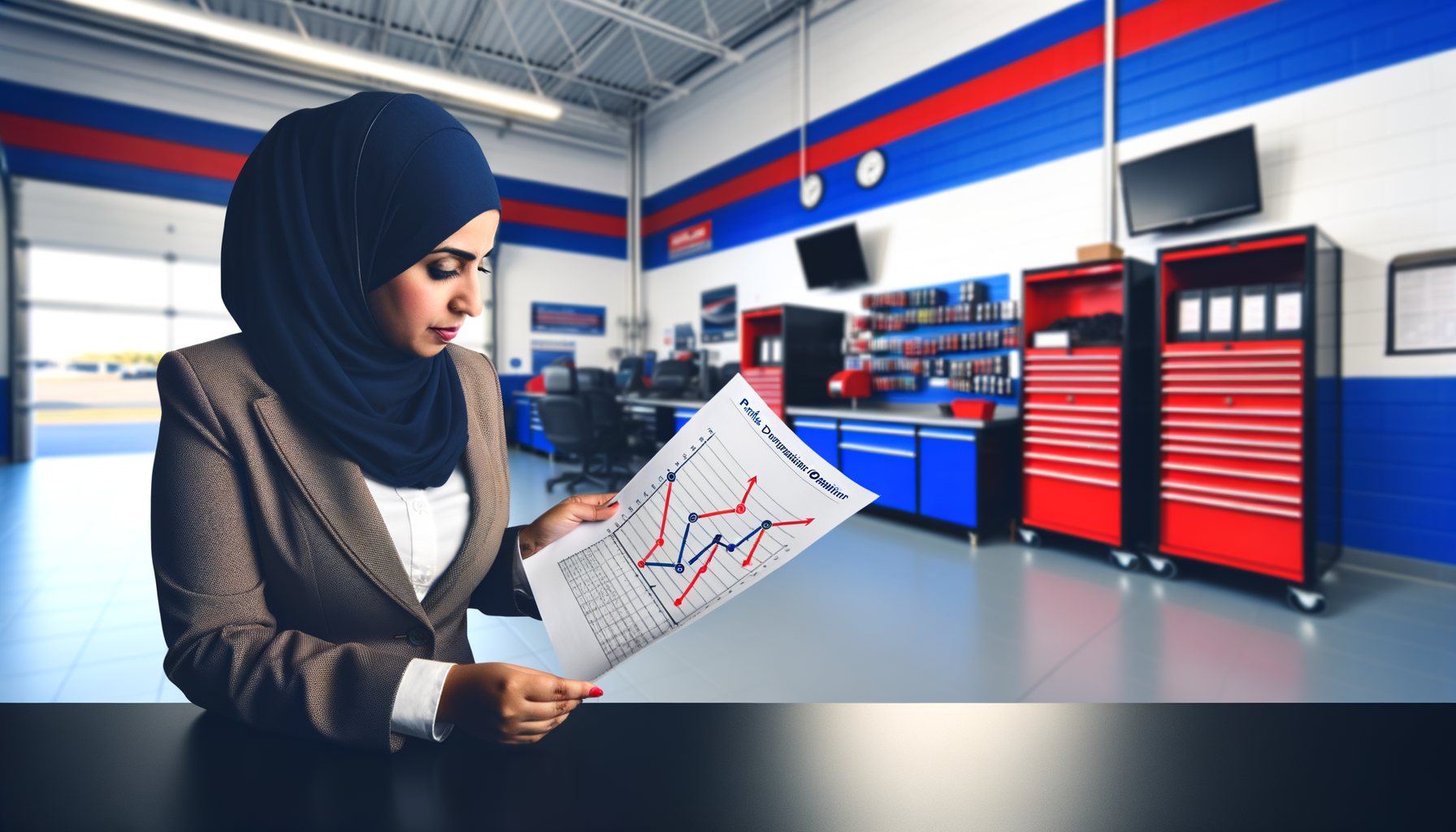
With the automotive industry seeing a 15% increase in EV-related repairs, parts departments must adapt to changing demands. Optimization is no longer optional; it is essential for revenue growth and customer satisfaction. The right optimization strategies help reduce parts obsolescence, improve inventory turnover, and boost profits. It's about aligning your department's operations with dealership goals. To start, assess your current parts processes and identify areas of improvement. Consider metrics such as customer wait times, inventory turnover rates, and sales per invoice.
Fact: A well-optimized parts department can increase dealership profitability by up to 20%.
Optimizing Inventory Management for Maximum Efficiency
Strategic Inventory Control
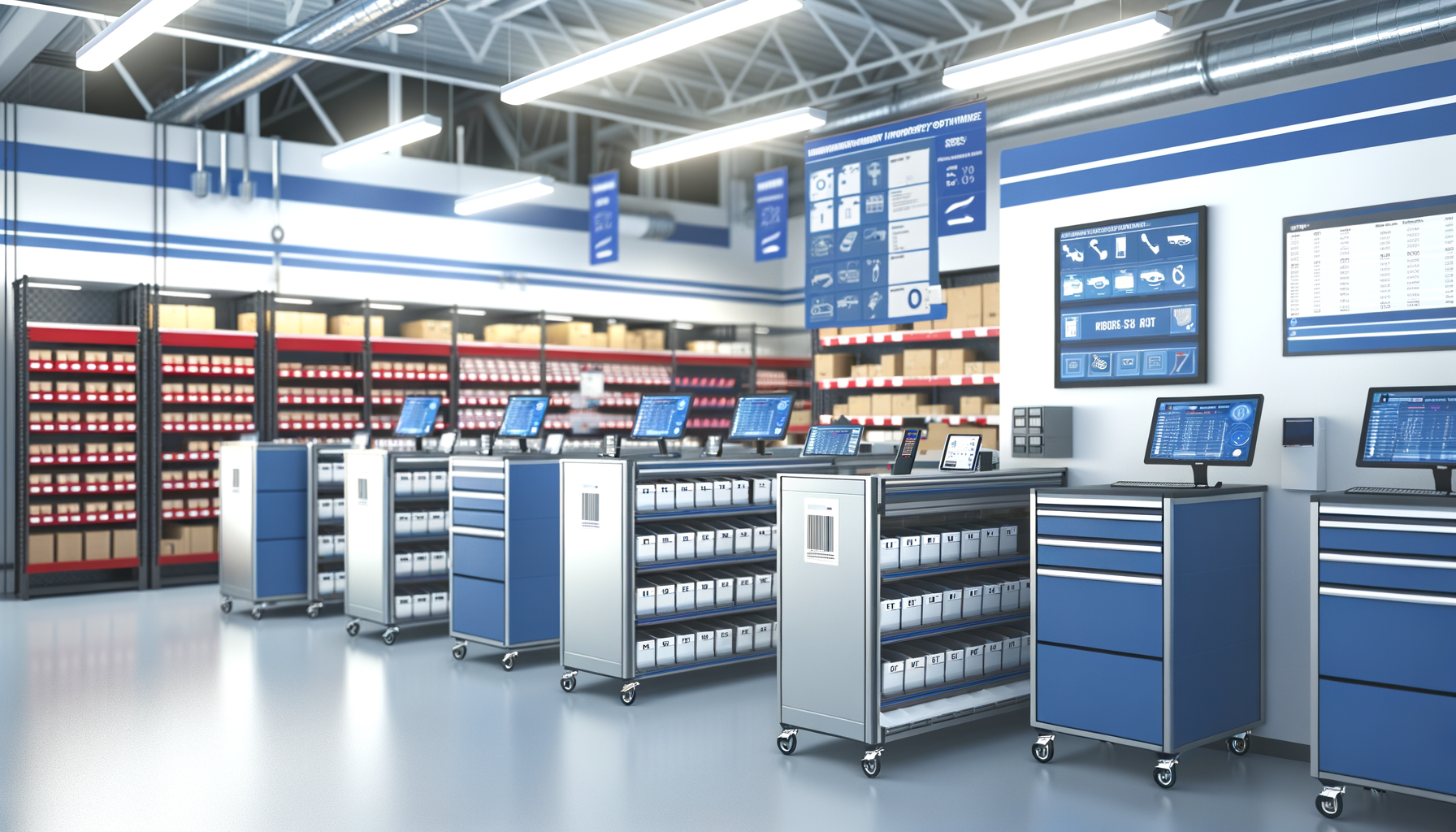
Inventory management is the backbone of a successful parts department. Implementing a robust system is crucial to managing stock levels effectively and reducing excess inventory. Adopt a Just-In-Time (JIT) inventory system to minimize holding costs while ensuring critical parts are available. This agile approach helps in managing seasonal fluctuations and demand surges. Utilize parts department optimization analytics tools to predict trends and adjust your inventory strategies accordingly. This proactive management ensures the right parts are available when needed, enhancing customer satisfaction.
| Metric | Current | Target | Improvement Strategy | |--------|---------|--------|---------------------| | Inventory Turnover Rate | 5x | 8x | Implement JIT and predictive analytics | | Obsolescence Rate | 10% | 5% | Regularly review and update inventory lists |
Implementing Upselling Strategies to Boost Sales
Maximizing Revenue Opportunities

Effective upselling strategies can significantly increase parts sales and overall dealership revenue. Train your service advisors to recommend complementary parts during service appointments. Bundle parts with services to offer value to customers while increasing sales. For instance, offering discounts on related parts when purchasing a service package can drive more sales. Incorporate loyalty programs to encourage repeat purchases. Highlight the long-term savings and benefits of regular maintenance using OEM parts.
1. Train staff on effective upselling techniques 2. Use CRM data to personalize offers 3. Offer bundled discounts with services
Leveraging Technology for Enhanced Operations
Digital Tools and Automation
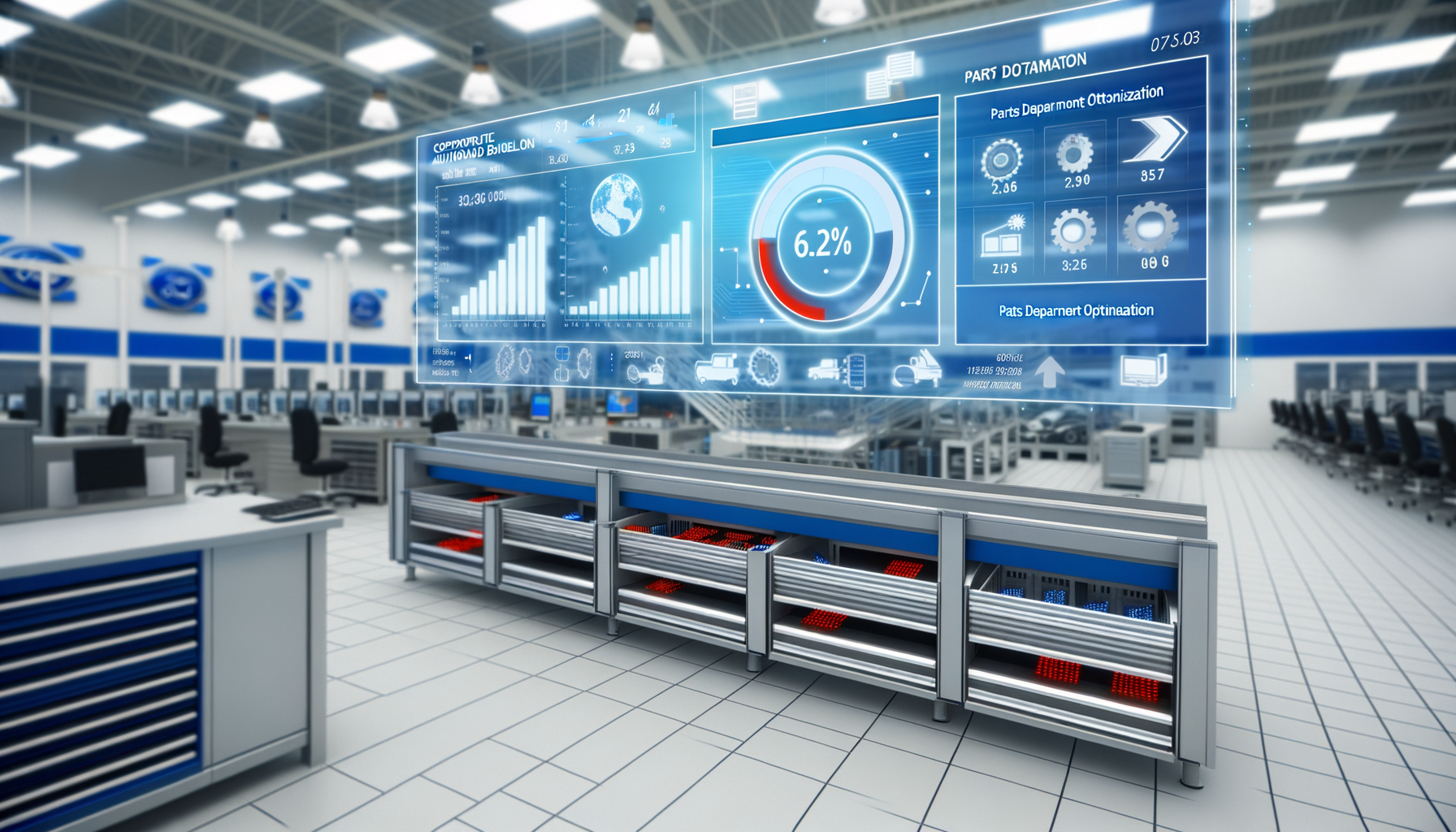
Incorporating technology in your parts department is essential for staying competitive. Automated systems streamline operations and reduce human error. Utilize dealership parts inventory management software like Auto Pro Solutions to track inventory, manage orders, and analyze sales data. This can significantly enhance operational efficiency. Implement digital platforms for customer interactions, offering online parts ordering and service scheduling to meet the demand for digital convenience.
"Automation in parts management not only increases accuracy but also frees up staff to focus on customer engagement." - John Smith, Automotive Industry Expert
Analyzing Performance Metrics for Continuous Improvement
Data-Driven Decision Making
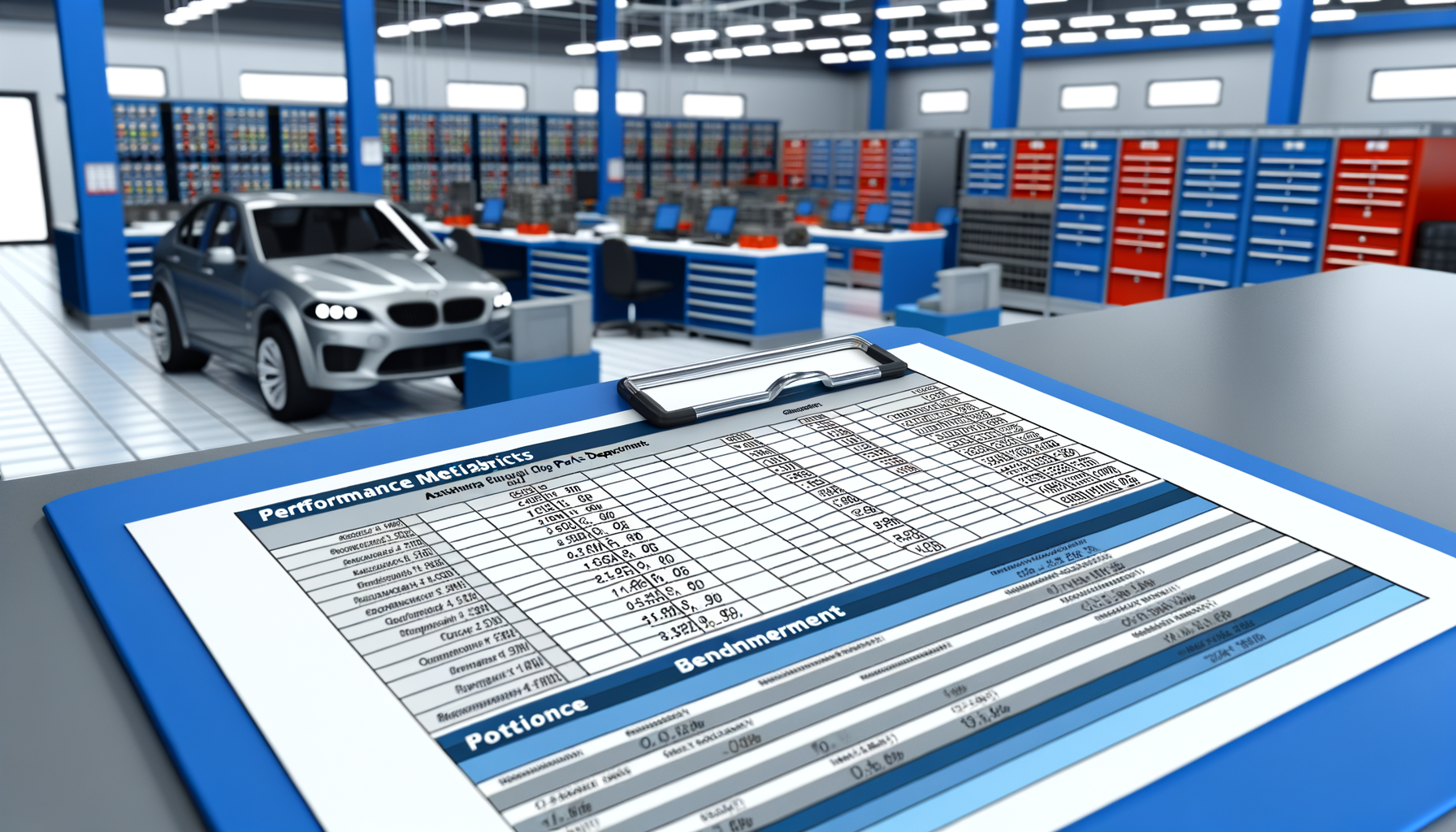
Regularly reviewing performance metrics enables continuous improvement in the parts department. Key metrics include inventory turnover, fill rates, and sales per employee. Conduct monthly performance reviews to identify areas needing attention. Use the data to adjust strategies and implement improvements. Establish benchmarks for success and compare them against industry standards to ensure your department is on track to meet its goals.
"A data-driven approach ensures that every decision in the parts department is backed by evidence and focused on improvement." - Jane Doe, Fixed Ops Director
Addressing Common Challenges and Solutions
Overcoming Hurdles

Common challenges such as parts shortages and staff turnover can greatly impact department efficiency. Proactive solutions are necessary to mitigate these issues. Develop relationships with multiple suppliers to minimize the impact of shortages. Having backup suppliers ensures that critical parts remain in stock. Invest in staff training and development to reduce turnover. An engaged and knowledgeable workforce is crucial for maintaining service quality and department success.
1. Establish strong supplier networks 2. Implement staff retention programs 3. Utilize cross-training to enhance flexibility
Questions managers ask
What are the best tools for parts department optimization?
The best tools include inventory management software like Auto Pro Solutions, CRM systems for customer insights, and performance analytics platforms to track key metrics.
How can dealerships reduce parts department obsolescence?
Regularly reviewing inventory lists, utilizing predictive analytics for demand forecasting, and adopting Just-In-Time inventory systems can significantly reduce obsolescence.
What to do with this
Optimizing your parts department is a multi-faceted process that involves strategic inventory management, effective upselling, and leveraging technology. By focusing on these areas, dealerships can enhance profitability and customer satisfaction. Start by evaluating your current processes, implement recommended strategies, and regularly review performance metrics to ensure continuous improvement. Auto Pro Solutions offers comprehensive software solutions that streamline inventory management and enhance operational efficiency, helping you achieve your optimization goals.
Related topics
More for service managers
Beyond the Brake Pad: Unveiling Hidden Streams of Revenue in Parts Management
Picture this: a busy morning at your dealership, customers lining up for service, and technicians ready to tackle the day's repairs. But there's a problem. The part needed for…
The Gear Behind the Grind: Streamlining Your Parts Inventory for Peak Performance
In the fast-paced world of automotive service departments, parts management is the lifeline that keeps everything running smoothly. Yet, many dealerships find themselves…
Unlocking Parts Department Potential: A Complete Playbook
Imagine walking into your parts department and seeing everything running like a well-oiled machine. Every part is in its place, orders are fulfilled promptly, and your team is…