
In today's rapidly evolving automotive landscape, service departments are under immense pressure to enhance profitability, streamline processes, and elevate customer satisfaction. The key to tackling these challenges lies in mastering service department analytics. This guide offers deep insights into leveraging data-driven strategies to transform your fixed operations in 2025. With the shift towards digital transformation, predictive maintenance, and customer-centric services, understanding and implementing analytics effectively is no longer optional—it's essential.
Understanding the Importance of Service Department Analytics

Service department analytics is the backbone of modern dealership operations, offering insights that drive efficiency and profitability. In 2025, analytics extend beyond basic reporting to encompass predictive tools that preemptively address service needs. By embracing advanced analytics, dealerships can enhance decision-making processes, tailor customer experiences, and ultimately increase revenue. The integration of real-time data allows for a proactive approach, addressing issues before they become costly problems. Implementing service department analytics requires a clear strategy. Start by defining KPIs aligned with your dealership's goals, ensuring data is actionable and directly contributes to strategic objectives.
Benefits of Service Department Analytics: - Improved operational efficiency - Enhanced customer satisfaction - Increased revenue and profitability - Proactive maintenance and repair
Key Performance Metrics for 2025
Benchmarking Success in Service Operations
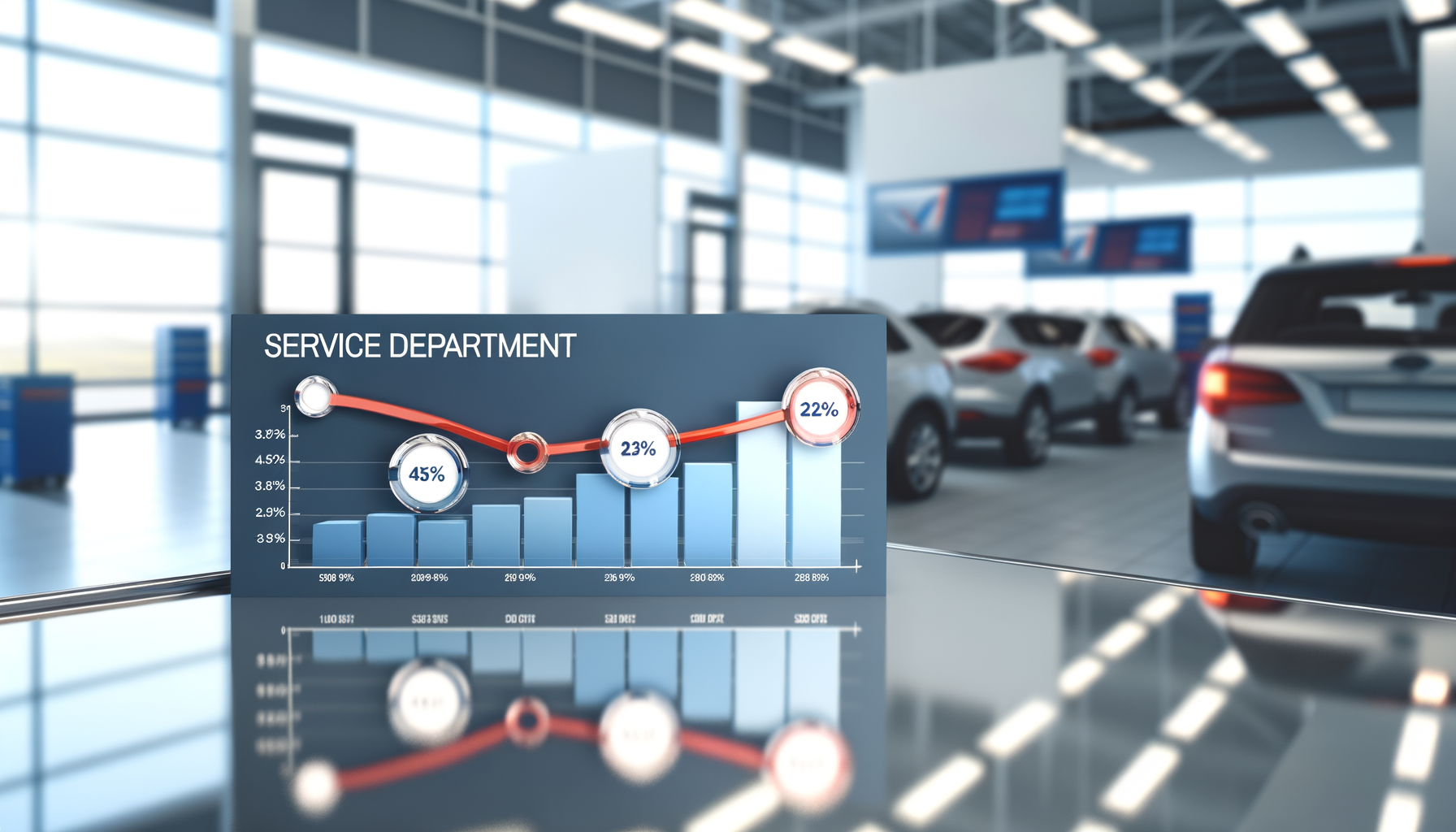
Identifying the right performance metrics is crucial for monitoring and enhancing service department operations. In 2025, focus on metrics such as First-Time Fix Rate, Customer Retention Rate, and Average Repair Time to benchmark your success. New metrics have emerged, such as EV-related service metrics, reflecting the growing service demands of electric vehicles, which now account for a 15% uptick in dealership service requests. To track these effectively, use a combination of CRM systems and dedicated analytics platforms. Regularly review these metrics to identify trends and areas for improvement.
| Metric | Description | Target for 2025 | |--------|-------------|-----------------| | First-Time Fix Rate | Percentage of jobs completed without return visits | 85% or higher | | Customer Retention Rate | Percentage of repeat customers over a period | 70% or higher | | Average Repair Time | Time taken to complete service jobs | Under 2 hours |
Implementing Advanced Analytics Tools

The implementation of advanced analytics tools is pivotal for driving service department success. These tools provide comprehensive insights into operations, allowing managers to make informed decisions. Auto Pro Solutions offers an integrated analytics suite tailored for dealerships, featuring customizable dashboards and predictive analytics capabilities to streamline operations. Begin by conducting a needs assessment to determine which tools align with your specific operational goals. Train staff to utilize these platforms effectively to maximize their potential benefits.
Pro Tip: Ensure that your analytics tools integrate seamlessly with existing dealership management systems for a unified data ecosystem.
Predictive Maintenance: The Future of Service Operations
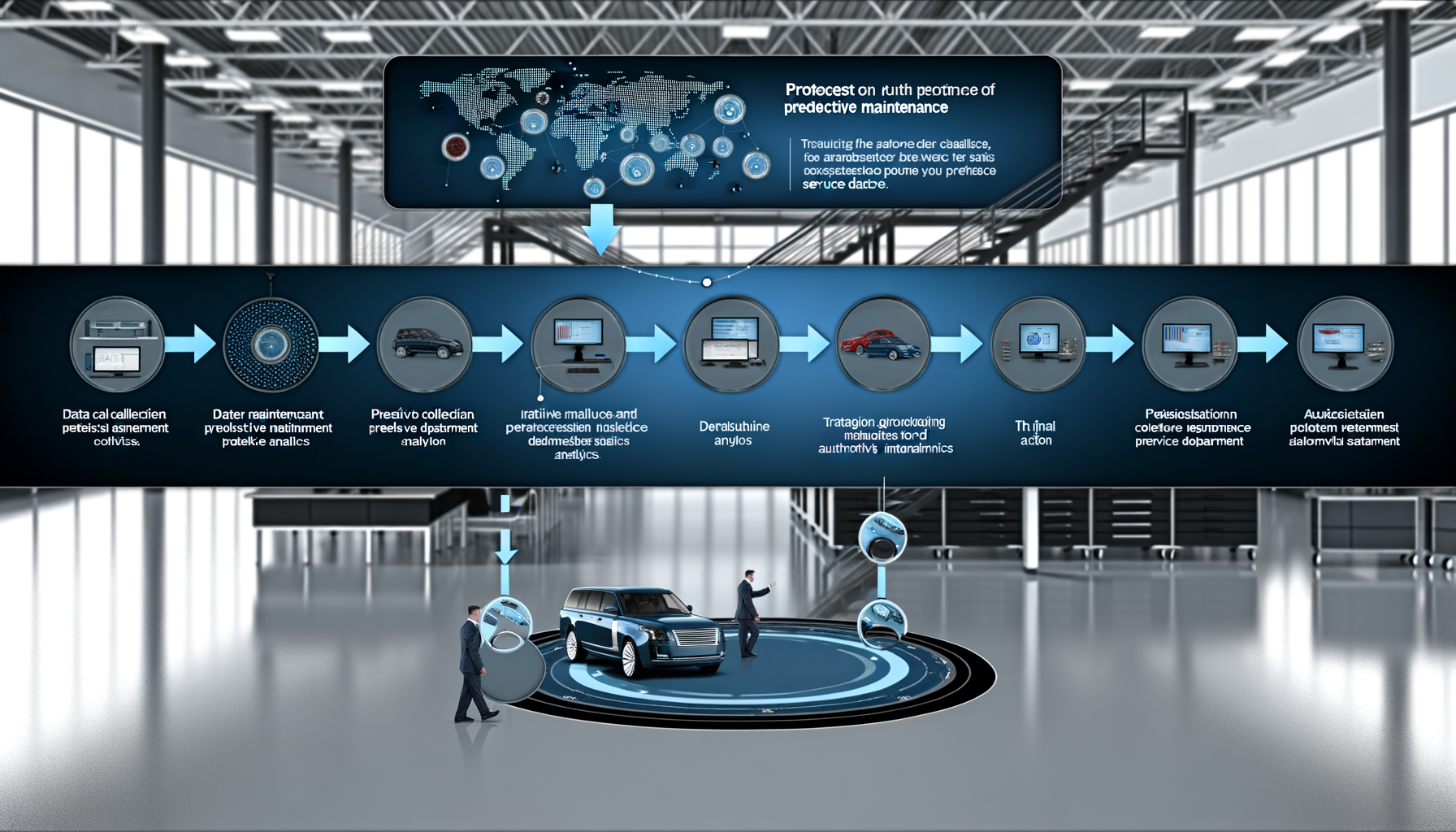
Predictive maintenance is revolutionizing service operations by utilizing data analytics to forecast and prevent potential vehicle issues before they occur. This approach reduces downtime, enhances customer satisfaction, and increases the longevity of customer vehicles, positioning your service department as a proactive partner in vehicle maintenance. To implement predictive maintenance, leverage vehicle telematics data and integrate it with your analytics system. Set up alerts for specific thresholds that indicate potential issues, enabling timely interventions.
"Predictive maintenance empowers service departments to shift from reactive to proactive service models, ultimately enhancing customer trust and loyalty." - Jane Doe, Fixed Ops Analyst
Overcoming Common Analytics Challenges
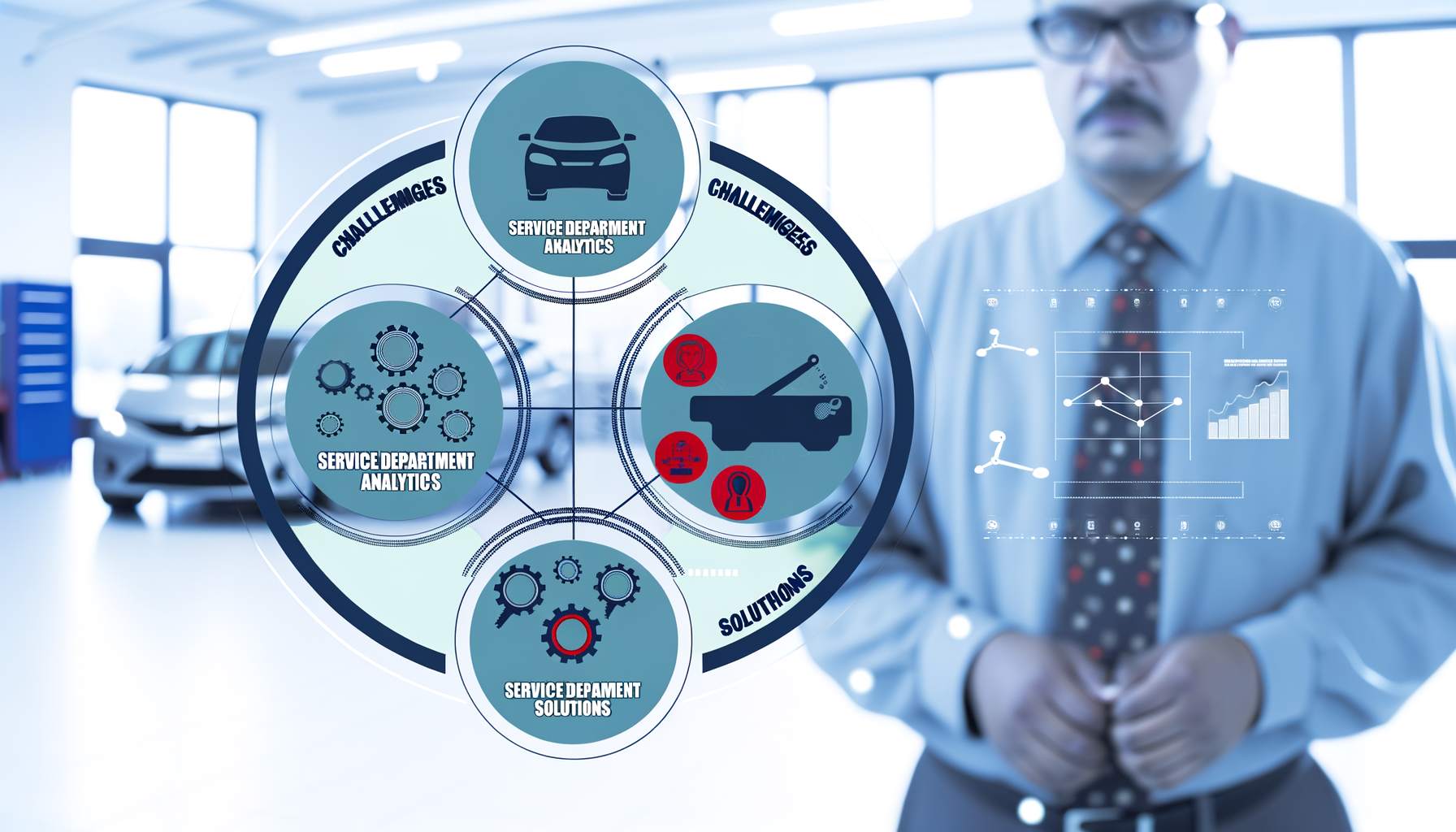
While the benefits of service department analytics are clear, several challenges can impede implementation, including data silos, staff resistance, and technology integration issues. Address these challenges by fostering a culture of data literacy within your team and ensuring open communication about the benefits and expectations of analytics tools. Consider partnering with technology providers to facilitate smooth integration and ongoing support, ensuring that your analytics efforts are sustainable long-term.
Common Analytics Challenges: - Data siloing - Resistance to change - Integration difficulties - Insufficient training
Best Practices for Analytics-Driven Decision Making

To fully capitalize on service department analytics, develop a strategic framework for data-driven decision-making that involves all stakeholders. Regularly evaluate your analytics strategy to ensure alignment with dealership goals and adjust as necessary to accommodate industry trends and technological advancements. Promote a culture of agility, where data insights are actively used to innovate and improve service offerings, enhancing both operational efficiency and customer satisfaction.
Best Practice: Conduct quarterly analytics reviews with your team to evaluate performance and set new goals based on data insights.
Questions managers ask
What are the most important service department metrics to track?
Key metrics include First-Time Fix Rate, Customer Retention Rate, and Average Repair Time. Tracking these helps improve efficiency, customer satisfaction, and profitability.
How can predictive maintenance benefit a dealership?
Predictive maintenance uses analytics to anticipate vehicle issues, reducing downtime and enhancing customer satisfaction by preventing potential problems before they occur.
What tools are recommended for service department analytics?
Tools like Auto Pro Solutions provide comprehensive analytics suites that integrate seamlessly with dealership management systems, offering real-time insights and predictive capabilities.
What to do with this
Mastering service department analytics in 2025 involves understanding key metrics, implementing advanced tools, and embracing predictive maintenance. By overcoming common challenges and adopting best practices, dealerships can enhance efficiency and customer satisfaction. Conduct a thorough review of your current analytics strategy, invest in training for your staff, and explore advanced tools like Auto Pro Solutions to integrate predictive maintenance capabilities. Auto Pro Solutions offers a robust analytics platform designed to streamline service operations, with features tailored to address the unique challenges faced by dealership service departments.
Related topics
More for service managers
From Metrics to Mechanics: Decoding the Data Behind Seamless Service
Imagine walking into your dealership service department one morning, and instead of being greeted by a mountain of unread reports and complex data, you're met with clear,…
Beyond the Wrench: Harnessing Predictive Analytics to Transform Auto Service Operations
Imagine a bustling service department, where repair orders pile up and data streams in from every corner, yet actionable insights remain elusive. Service managers often find…
Unlocking Service Excellence: Transforming Data into Profit-Driven Insights
Imagine the feeling of constantly being bombarded by a tsunami of data, yet finding yourself stranded on an island of indecision. This is a reality for many service managers…