Data-Driven Duct Tape: Stitching Solutions in Automotive Service Dynamics
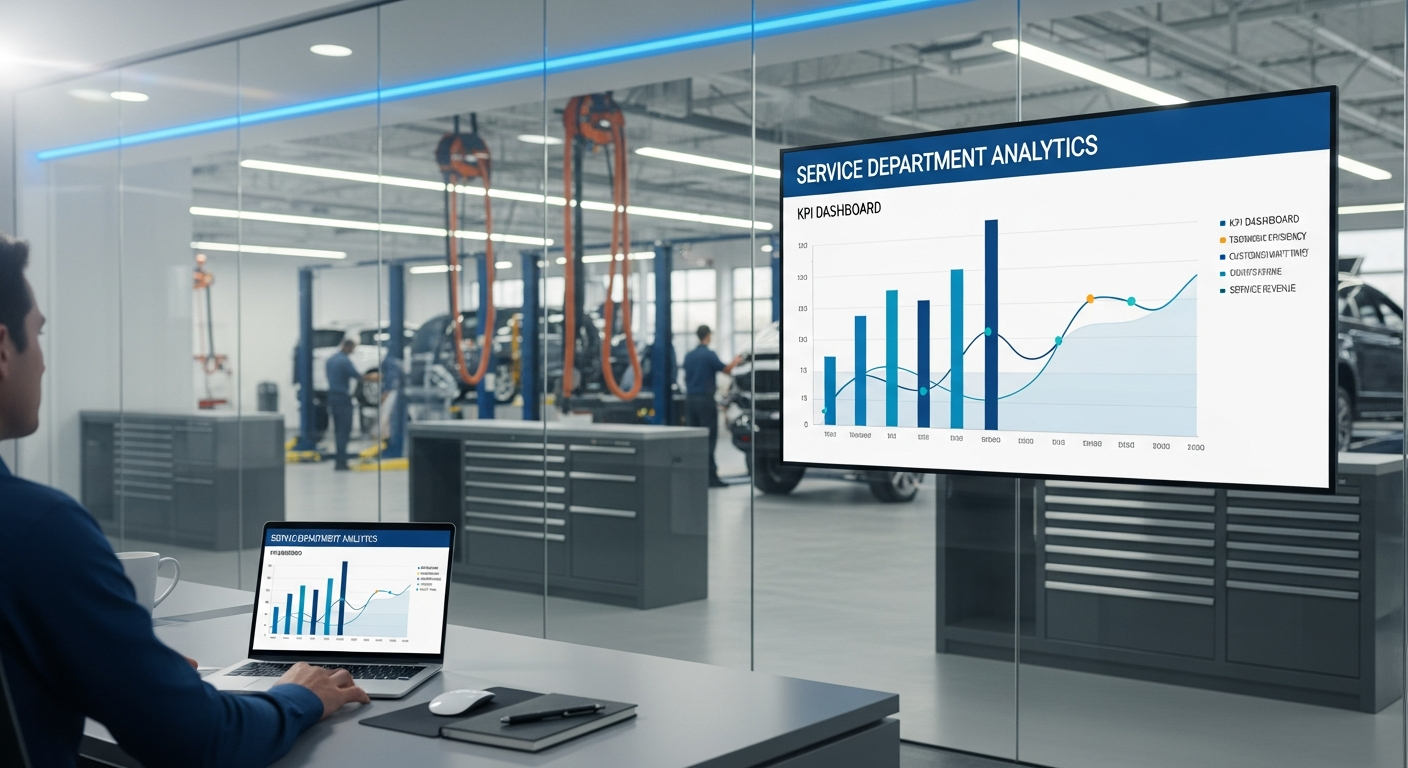
Understanding the Challenge

Service departments are inundated with data from various sources like DMS, OEM portals, and inspection tools. The challenge lies in synthesizing this fragmented information into a cohesive picture that can guide decision-making. Many managers find it difficult to pinpoint which metrics truly impact their bottom line, often leading to missed opportunities for improvement.
Consider the case of a mid-sized dealership that handles 300 ROs weekly. Despite having a wealth of data, they found their ELR stagnating and customer retention slipping. The primary issue wasn’t a lack of data but a lack of actionable insights. This scenario is all too common, with data becoming more of a burden than an asset.
The key is to shift focus from sheer data collection to meaningful analysis. By understanding which KPIs—such as RO show rate, hours per RO, and digital MPI approval—drive profitability, service departments can begin to unlock the potential of their data. Yet, the road to effective analytics is paved with challenges, including data integration, personnel training, and technology adoption.
Our goal here is to unravel these complexities, offering a clear path forward for service managers eager to leverage data for impactful results. Let's explore the current market landscape and the tools at your disposal.
Current Industry Landscape

The landscape of service department analytics is rapidly evolving, with new technologies reshaping how data is collected, analyzed, and applied. AI and automation stand at the forefront, offering capabilities like AI-driven scheduling and automated inspections that promise to enhance efficiency and profitability.
Take the example of UVeye's automated inspection systems, which have started to gain traction. These technologies not only streamline the inspection process but also provide accurate data that can lead to higher approval rates for repairs. Similarly, AI voice scheduling is reducing missed appointments by optimizing booking processes and improving customer communication.
However, the adoption of these technologies requires careful consideration of ROI and integration challenges. Service departments must evaluate tools not only for their immediate benefits but also for their long-term impact on operations and customer satisfaction.
Understanding these trends and the potential they hold allows service managers to make informed decisions that align with their strategic goals. As we move forward, it's crucial to build a framework that leverages these technologies effectively.
Related Topics
Ready to take your service department to the next level?
Schedule your demo today and experience the power of Auto Pro Solutions.
Schedule Demo