
In the rapidly evolving automotive industry, service departments face mounting pressure to boost profitability, enhance customer satisfaction, and adapt to new technologies. Advanced service department analytics offer a transformative solution, enabling dealerships to make data-driven decisions that optimize operations and drive success. This guide explores the cutting-edge analytics tools and strategies dealerships need in 2025 to stay ahead.
Understanding the Importance of Service Department Analytics
Why Analytics Matter More Than Ever

Service department analytics have become a critical component in the automotive dealership landscape, especially as competition intensifies and customer expectations evolve. In 2025, analytics is not just about tracking metrics; it's about leveraging data to predict trends, enhance customer experiences, and streamline operations. The rise in EVs, as evidenced by a 15% increase in EV-related repairs, mandates a shift in service strategies. Analytics provide the insight needed to adapt to these changes proactively. For dealerships striving to distinguish themselves, implementing a robust analytics framework is paramount. Here's how to get started with setting up comprehensive data points and leveraging them for actionable insights.
1. Identify key performance indicators (KPIs) 2. Integrate analytics tools into existing systems 3. Regularly review and adjust strategies based on data
Key Metrics for Measuring Service Department Performance
What to Track and Why
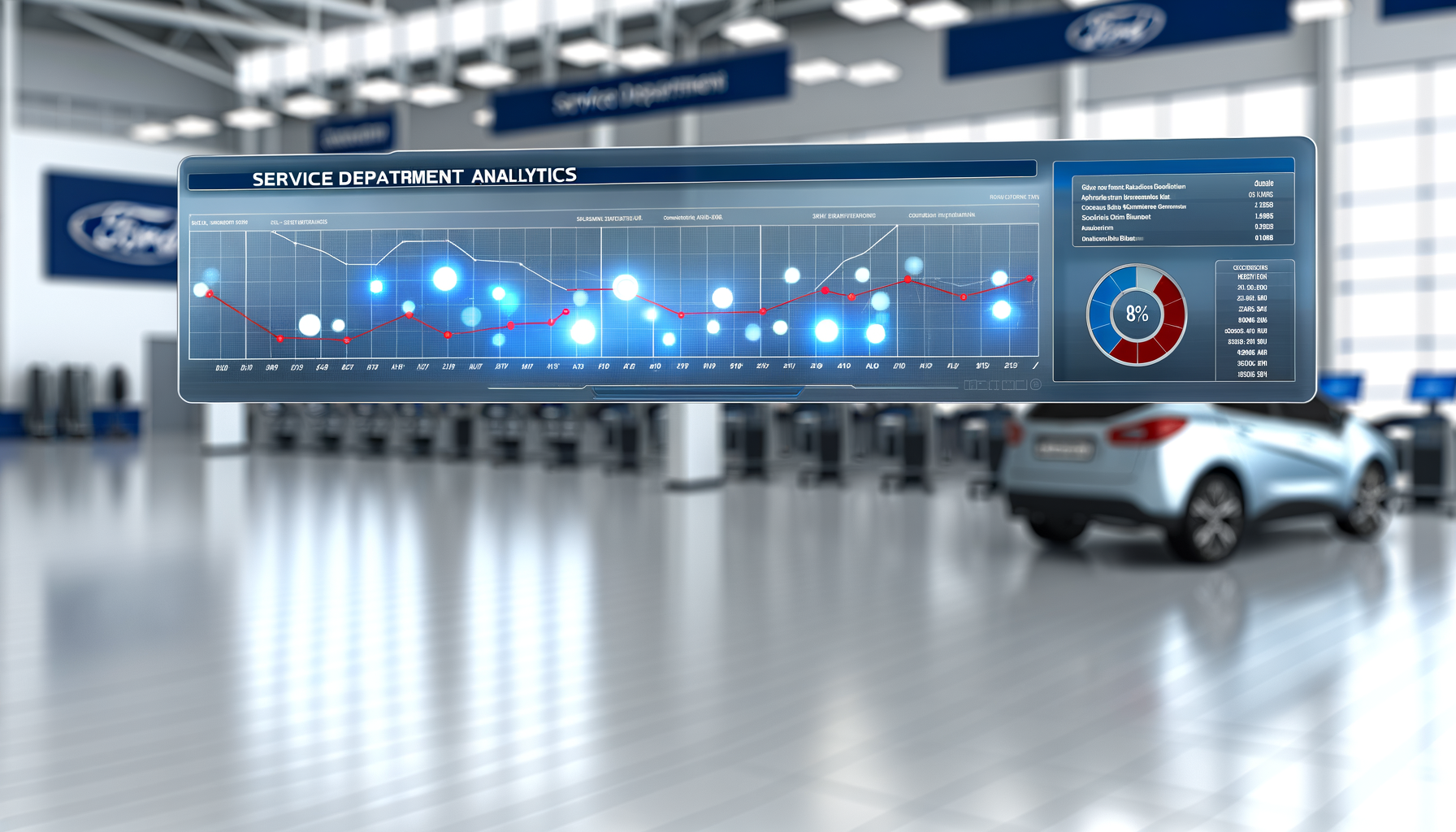
Choosing the right metrics is crucial for dealership service departments. Metrics such as repair order (RO) count, average repair time, and first-time fix rate can provide a comprehensive view of departmental efficiency. Beyond traditional metrics, customer satisfaction scores and digital scheduling adoption rates (currently at 68%) are essential for assessing service quality and customer engagement. Implementing a balanced scorecard approach ensures that all aspects of service performance are measured and optimized continually.
| Metric | Description | Importance | |--------|-------------|------------| | RO Count | Number of repair orders processed | Indicates volume and workload | | Avg. Repair Time | Average time taken per repair | Reflects operational efficiency | | First-Time Fix Rate | Percentage of repairs completed without return visits | Measures quality of service |
Leveraging Predictive Maintenance Analytics
Staying Ahead with Predictive Insights

Predictive maintenance analytics are revolutionizing how service departments approach vehicle maintenance. By analyzing historical data and vehicle usage patterns, dealerships can predict when a vehicle is likely to require service. This proactive approach reduces downtime and enhances customer satisfaction, aligning with the current trend where customers are increasingly valuing expedient and accurate service. Steps to implement predictive maintenance include investing in IoT devices, integrating with OEM data streams, and training staff to interpret predictive analytics.
Predictive maintenance can lead to a 25% reduction in unexpected breakdowns and a 15% increase in customer retention.
Implementing Advanced Analytics Tools and Software
Choosing the Right Technology
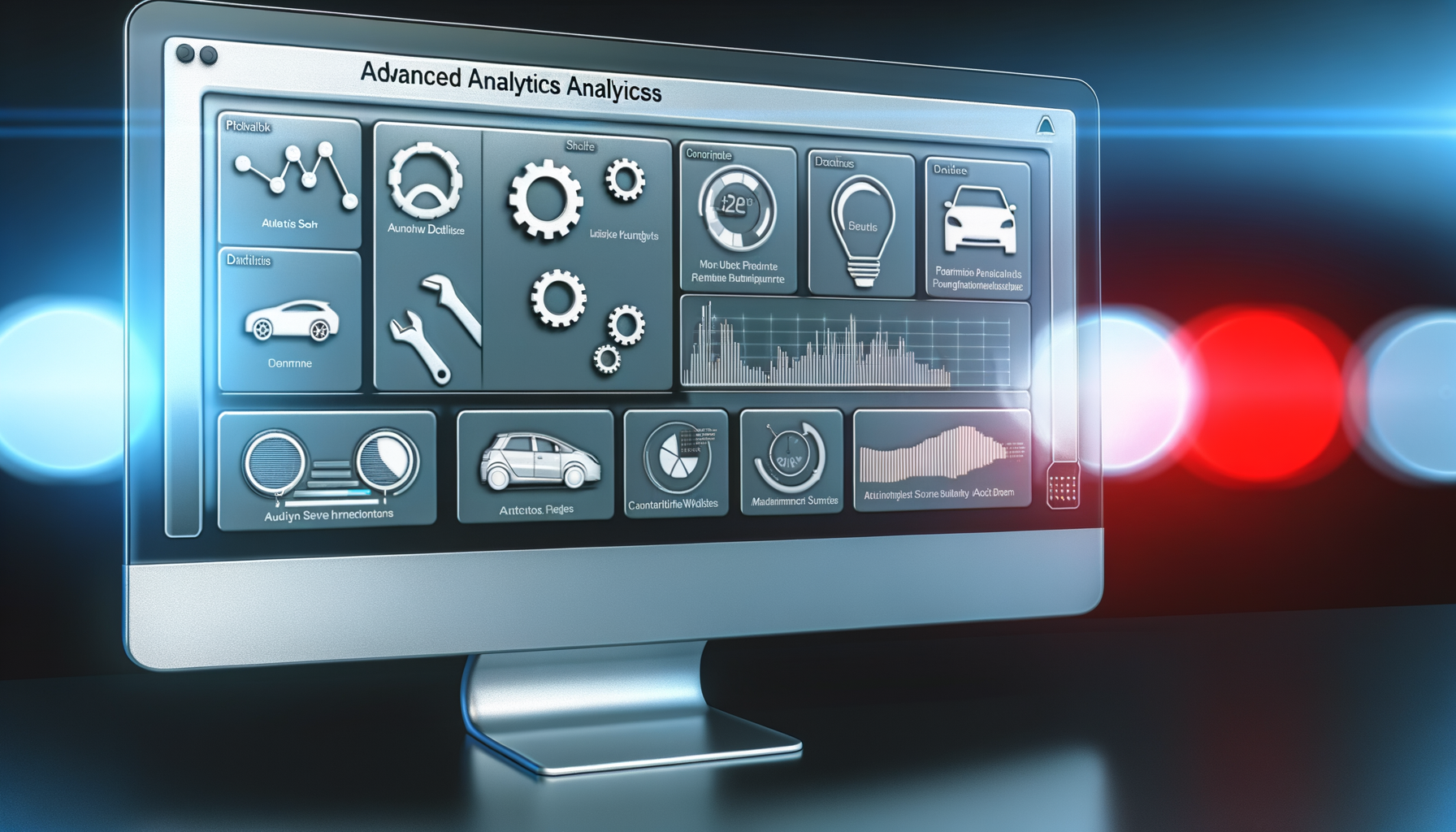
To fully capitalize on service department analytics, dealerships must select and implement the right tools and technologies. This includes software that offers real-time data processing, predictive analytics capabilities, and seamless integration with existing dealership management systems (DMS). Auto Pro Solutions, for instance, offers an analytics platform tailored for dealerships, providing intuitive dashboards and actionable insights. Implementation involves assessing current system capabilities, training staff, and setting up continuous data feedback loops to refine strategies.
"Advanced analytics tools are no longer optional; they are essential for any dealership aiming to stay competitive in a data-driven market." - Sarah Jensen, Fixed Ops Consultant
Overcoming Common Analytics Challenges in Dealerships
Navigating the Roadblocks

Implementing analytics in dealership service departments comes with its set of challenges, from data siloing to resistance from staff accustomed to traditional methods. Successfully overcoming these challenges involves fostering a data-driven culture, engaging in continuous training, and ensuring data security—especially in light of increasing digital threats. Dealerships should also establish clear communication channels across departments to ensure that insights are effectively shared and utilized.
1. Break down data silos through integrated systems 2. Invest in ongoing staff training programs 3. Implement robust cybersecurity measures
Case Study: Transforming Operations with Analytics
Real-World Success Story
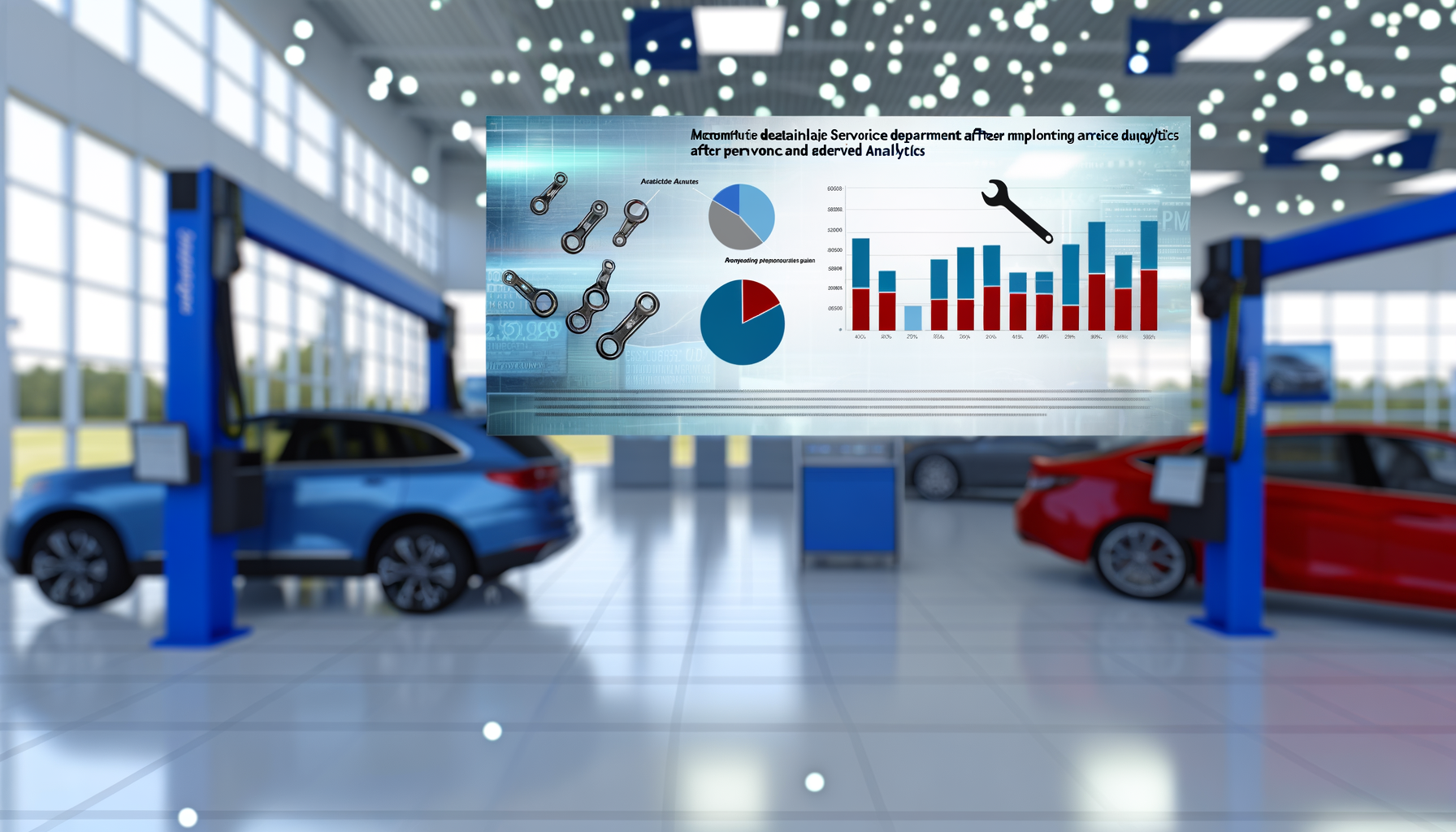
Consider a mid-sized dealership that implemented a comprehensive analytics strategy using Auto Pro Solutions. By focusing on key metrics like first-time fix rate and predictive maintenance alerts, they were able to reduce service times by 20% over six months. Customer satisfaction scores increased by 18%, reflecting the positive impact of reduced wait times and improved service accuracy. This case study demonstrates the tangible benefits of embracing analytics, from operational efficiency gains to enhanced customer loyalty.
Key Outcomes: 20% reduction in service times, 18% increase in customer satisfaction, 30% rise in repeat business.
Questions managers ask
How do predictive maintenance analytics benefit dealerships?
Predictive maintenance analytics help dealerships anticipate service needs, reduce unexpected breakdowns by up to 25%, and improve customer satisfaction by providing timely, proactive service.
What are the key challenges in implementing service department analytics?
Common challenges include data siloing, staff resistance to change, and ensuring cybersecurity. Overcoming these requires integrated systems, staff training, and robust data security measures.
What to do with this
Advanced analytics are reshaping dealership service departments, offering tools to improve efficiency, customer satisfaction, and profitability. By embracing these technologies, dealerships can stay competitive in a rapidly changing market. Evaluate current systems, identify relevant analytics tools, and start training staff on data-driven decision-making. Auto Pro Solutions offers a comprehensive analytics platform that integrates seamlessly with dealership systems to provide actionable insights and improve overall service performance.
Related topics
More for service managers
From Metrics to Mechanics: Decoding the Data Behind Seamless Service
Imagine walking into your dealership service department one morning, and instead of being greeted by a mountain of unread reports and complex data, you're met with clear,…
Beyond the Wrench: Harnessing Predictive Analytics to Transform Auto Service Operations
Imagine a bustling service department, where repair orders pile up and data streams in from every corner, yet actionable insights remain elusive. Service managers often find…
Unlocking Service Excellence: Transforming Data into Profit-Driven Insights
Imagine the feeling of constantly being bombarded by a tsunami of data, yet finding yourself stranded on an island of indecision. This is a reality for many service managers…